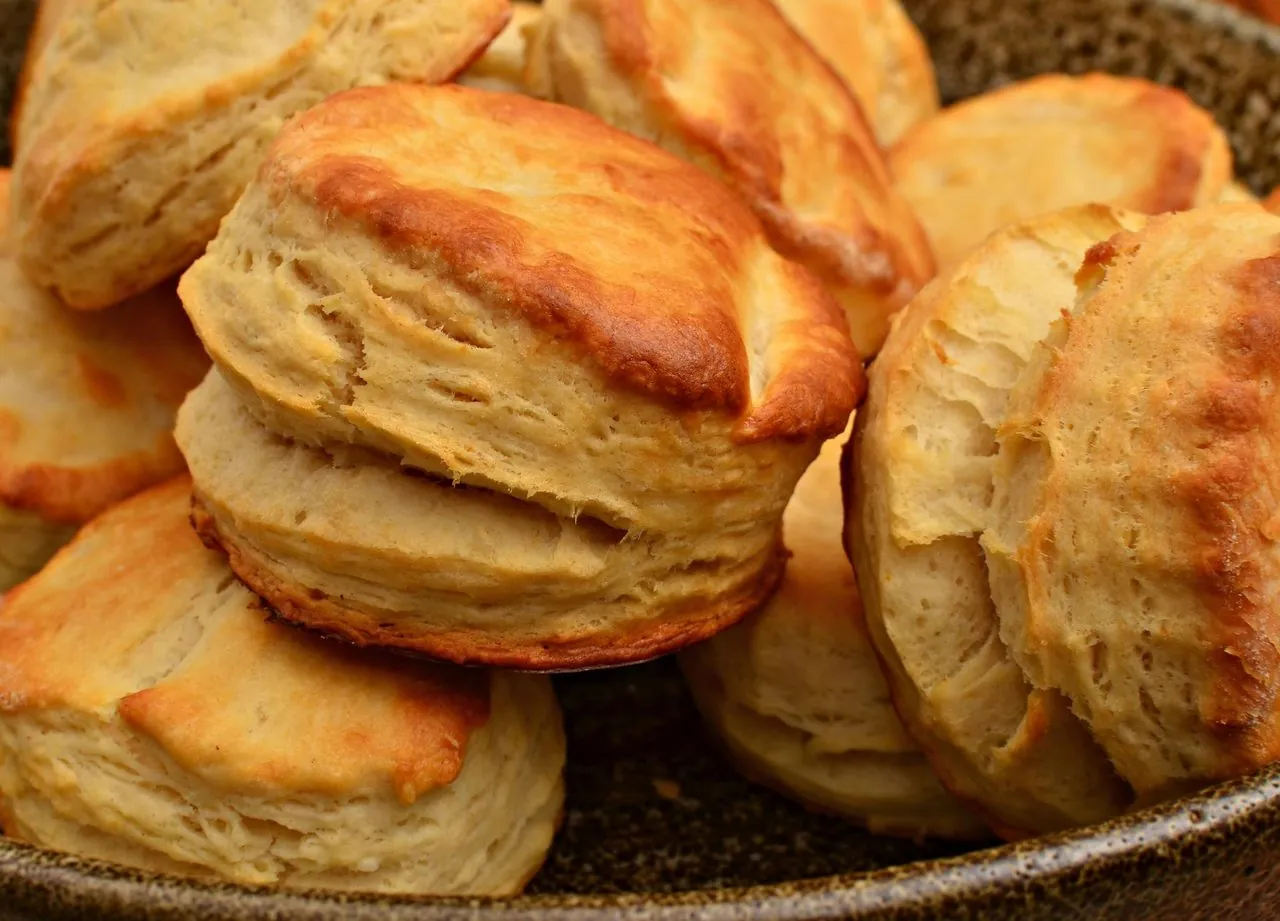
Flaky Buttermilk Biscuits: The Science of the Layers
Cold butter, a gentle fold and one extra fold of dough: the physical rules that create a dozen shattering layers in buttermilk biscuits.
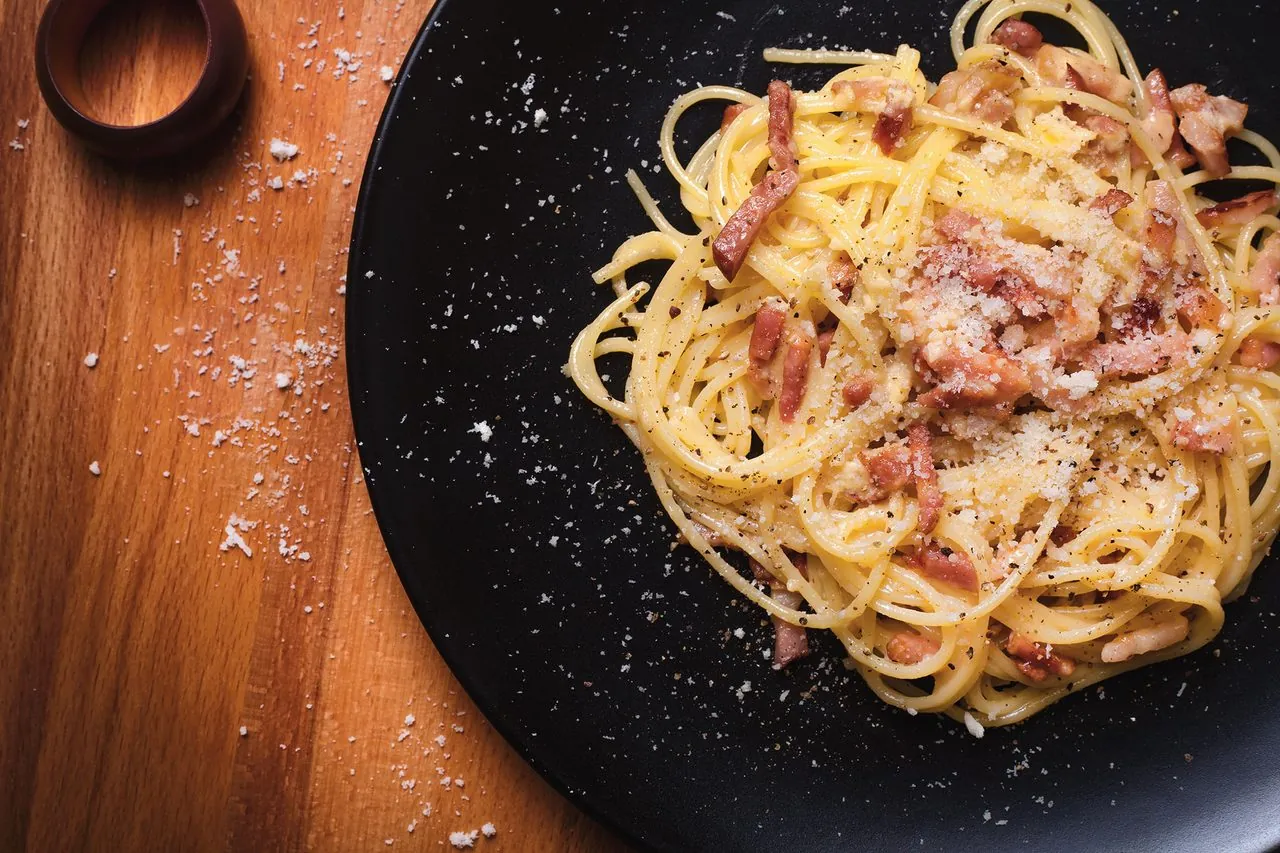
Order carbonara outside Rome and you may be handed a bowl of cream sauce with ham scattered through it. In Rome, the dish is something precise. Spaghetti or rigatoni, guanciale, Pecorino Romano, eggs, black pepper. No cream. No garlic, no onion, no peas, no mushrooms. The whole thing takes about 20 minutes and depends less on knife skills than on nerve, because the sauce is essentially raw egg and cheese, cooked only by the heat of the pasta itself, and the line between silky and scrambled is measured in seconds.
For two generous servings, a practical home adaptation starts with 180 g dried pasta, 80 g guanciale, 40 g finely grated Pecorino Romano, one whole pasteurized egg, two pasteurized yolks and freshly ground black pepper. Keep a mug of pasta water before draining. These are starting quantities rather than a claim that Rome has one compulsory ratio; pork and cheese vary substantially in salt and fat.
Set the egg-and-cheese mixture beside the stove before the pasta finishes. Render the guanciale gently, then switch off the burner. Toss the drained pasta with the fat, wait if the pan is fiercely hot, and work in the egg mixture off the heat. Add reserved water by the tablespoon until the coating moves with the pasta. A little added water is easier to correct than a pan full of scrambled egg.
The target is a sauce that coats the strands, not a fixed number of seconds. Use pasteurized eggs when the finished sauce will remain undercooked; hot pasta alone is not a verified pasteurization step. Serve immediately, because the emulsion and the pasta both change as they stand.
Nobody has fully settled where carbonara was born. One story ties the name to the carbonari, the charcoal workers, for whom a hearty, shelf-stable meal made sense; another, favored by many food historians, points to the years after World War II, when American bacon and eggs met Roman pasta craft and something new congealed. The earliest printed recipes surface in the 1950s, and they evolve quickly over the following decades: bacon gives way to guanciale, the cheese consolidates around Pecorino Romano, and the dish hardens into the form Romans defend today. What never varies is the architecture. Cured pork fat, sharp cheese, egg, pepper. Rome's pantry, rendered into a sauce, with no cream anywhere in the transaction. That is the piece worth internalizing before you cook: the ingredient list is not a suggestion but a system, and each part exists because of what the others cannot do.
Every ingredient has a job, and the substitutes have consequences.
The rhythm matters more than any single step: pasta water into eggs before eggs into pasta, heat off before the sauce arrives, and a constant, confident tossing to keep everything moving.
Egg proteins begin to set at temperatures well below boiling, somewhere around 160 degrees, which is why a careless pour of hot pasta or a pan left on the flame turns the sauce into sweet scrambled eggs. Tempering is the guardrail: thinning the egg and cheese base with warm pasta water raises its temperature gradually and dilutes the proteins so they set into a sauce, not a solid. The starch in that water is doing a second job as well. It is the bridge that lets the rendered pork fat and the watery pasta cling to each other, forming the emulsion that makes the sauce glossy instead of greasy. This is why the same pot of starchy water is both a safety valve and a seasoning tool, and why experienced cooks reserve more of it than they think they need. If the sauce scrambles anyway, pull the pan off the heat at once and whisk in more hot pasta water with real conviction. Sometimes it can be rescued. Sometimes it becomes an omelet, and you tell no one.
Romans argue about carbonara the way other cities argue about politics. Whole eggs or yolks only, guanciale or pancetta, spaghetti or rigatoni, and whether the pepper goes into the fat or the cheese. Restaurants in the city post their allegiance the way taverns once posted flags. The strictness is not snobbery for its own sake. Each of the four core ingredients has a defined job, and adding a fifth usually means covering one of them up. Make it faithfully once, with the pork rendered properly and the eggs tempered with care, and the reason for the rules stops being abstract. The rules stop feeling like rules and start feeling like a map, drawn by people who have cooked this dish ten thousand times and know exactly where the cliffs are.
The home quantities are an editorial adaptation, not a claim of a single legally defined original.
Cold butter, a gentle fold and one extra fold of dough: the physical rules that create a dozen shattering layers in buttermilk biscuits.
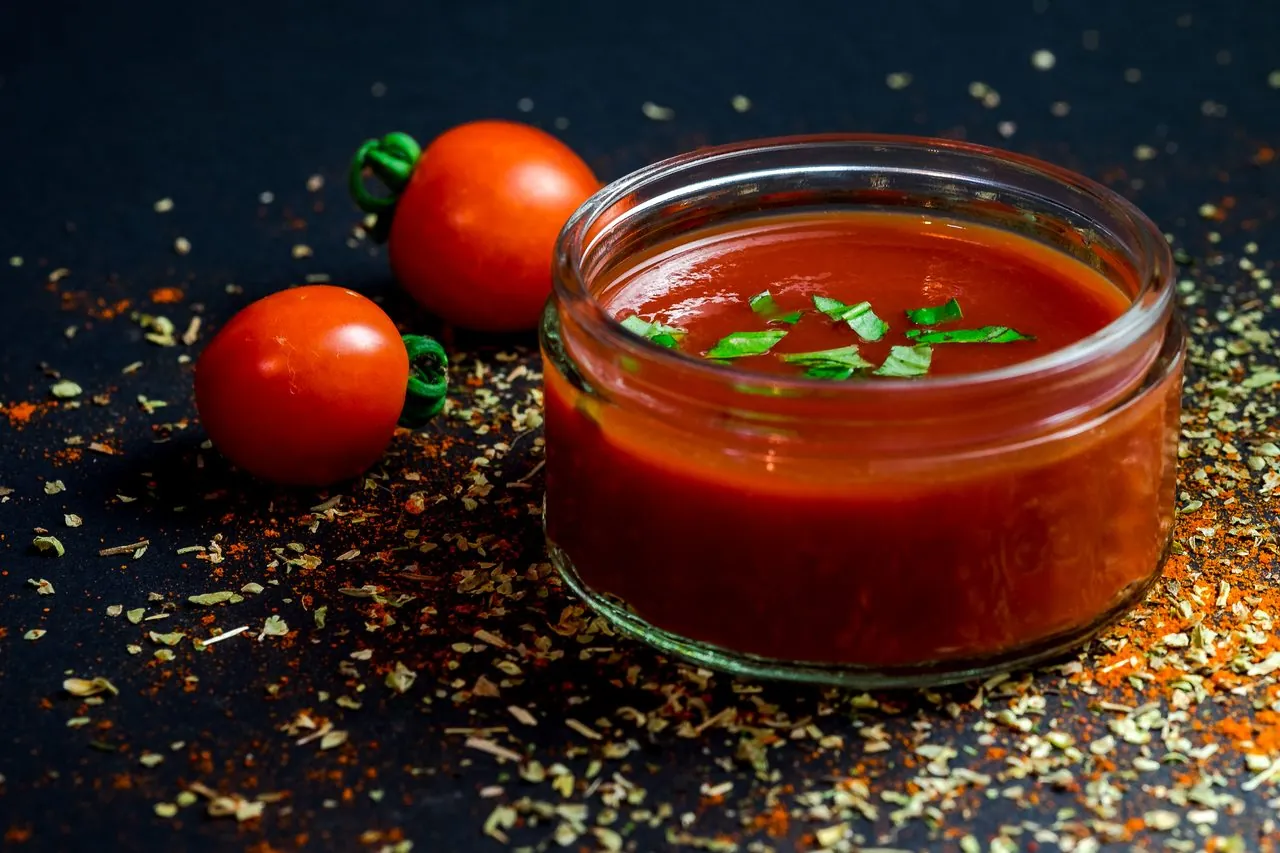
Three ingredients and 45 minutes: the late Marcella Hazan’s legendary tomato sauce remains the smartest 20 minutes of prep in Italian cooking.
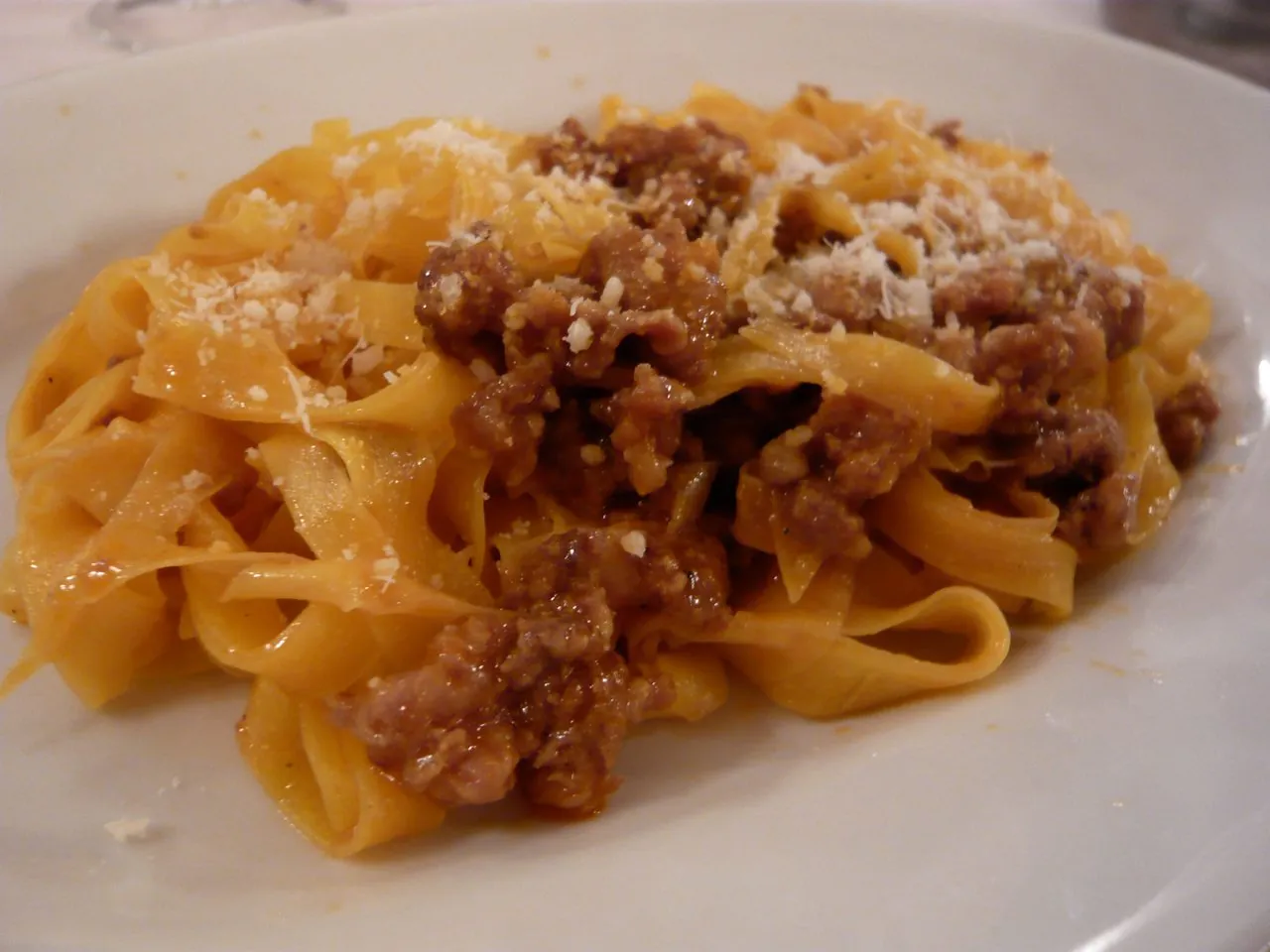
The registered Bolognese recipe: a fine soffritto, milk before wine, and three unhurried hours. What the Accademia Italiana della Cucina codified in 1982.