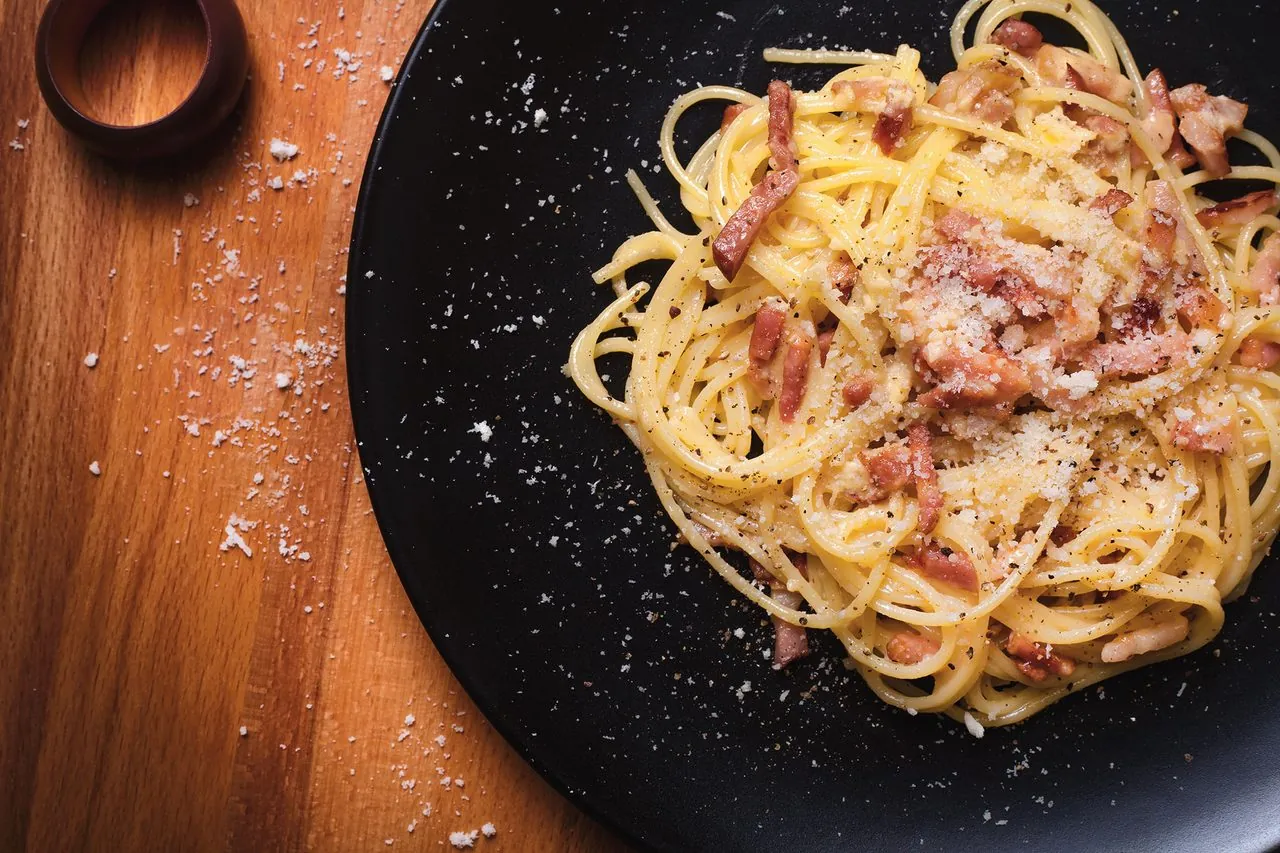
Spaghetti alla Carbonara: The Roman Original, Done Right
Guanciale, Pecorino Romano, eggs and pepper — no cream, no onions. How Rome’s most-guarded pasta actually comes together in 20 minutes.
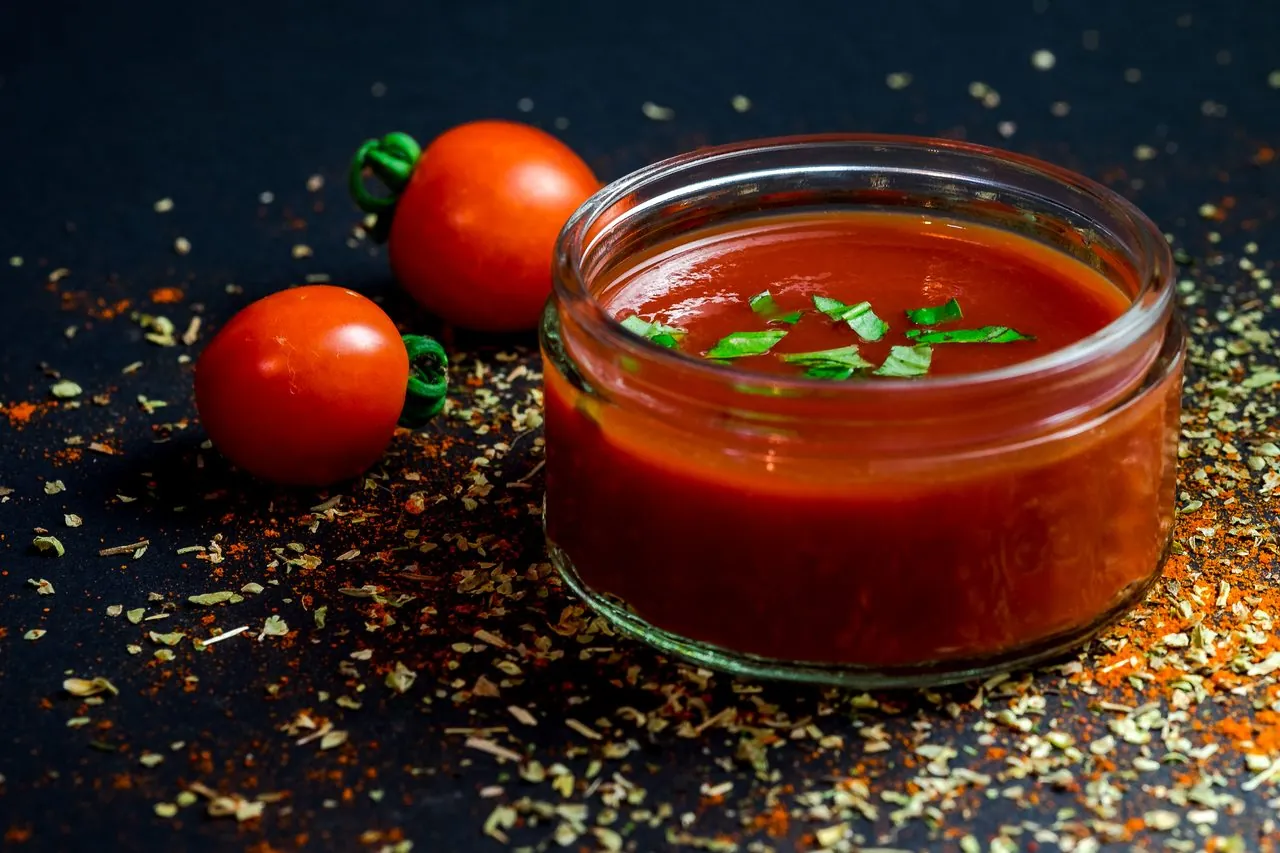
Some tomato sauces simmer all afternoon under a lid, filling the house with the smell of a long project. This one takes 45 minutes, three ingredients and a wooden spoon. One 28-ounce can of tomatoes, five tablespoons of butter, one onion cut in half: Marcella Hazan published the recipe in "Essentials of Classic Italian Cooking," and in the decades since, it has become one of the most beloved Italian recipes in American kitchens. It is beloved partly because it seems too simple to work, and then works perfectly, every single time. It is also the rare recipe that seems to have been designed as a lesson, one about what butter, patience and a whole onion can do that a more crowded ingredient list cannot.
For about six pasta servings, start with the attributed cookbook adaptation: one 28-ounce can of tomatoes with their juice, five tablespoons of butter, one medium peeled onion cut in half and salt as needed. Simmer uncovered at a gentle pace, breaking up larger pieces. Treat forty-five minutes as a checking point rather than a promise that every brand of canned tomatoes contains the same amount of water.
If the sauce is loose, continue reducing before adding more fat. If it is already thick but tastes unusually sharp, taste it with the pasta before deciding on an adjustment: salt, starch and serving temperature change the impression. A sauce boiled violently can scorch around the rim and make a simple method unnecessarily difficult to judge.
Remove the onion for the texture described in the original approach. Saving it as a separate cook's snack is different from blending it into the sauce; the latter makes a deliberate variation. Record that choice when comparing batches instead of describing every version as the same three-ingredient result.
Hazan, who taught generations of American cooks the fundamentals of Italian food through books that read like firm, patient letters from a trusted relative, had little patience for embellishment. Her tomato sauce puts no garlic in the pan, no olive oil, no herbs, no chili flakes. The onion is not minced and sweated the usual way; it is peeled, halved, and laid in whole to simmer with the tomatoes and the butter, then lifted out at the end, its work finished. The butter and the onion are there to soften and mellow the tomatoes' edge, and Hazan trusted them to do it without supervision. The recipe reads less like a technique and more like a small act of faith in three good ingredients. It is worth remembering what she was arguing against. Italian food had spent decades in America diluted and oversweetened, and her project was correction: restoring proportion, demonstrating that a sauce could be simple and still satisfy completely. This recipe was among her clearest statements.
The ingredient list fits in one breath.
Put everything into a saucepan and simmer, uncovered, at a lazy bubble for about 45 minutes, stirring from time to time and breaking up any large pieces of tomato against the side of the pot with your spoon. The sauce is ready when the butter has separated from the tomato and floats in a golden sheen at the surface. Taste, adjust the salt, and it is done. Discard the onion, or do not: Hazan allowed that it can be eaten, and many cooks consider it the cook's portion, sweet and collapsed after its long simmer. Toss the sauce with hot, drained pasta and pass the cheese, or do not; the sauce barely needs it.
Discarding a whole vegetable offends frugal instincts, and cooks have been negotiating with this instruction for decades. The onion has given what it had: sugars, savor, a rounder tomato. Leaving it in the sauce would change the texture and crowd the flavor, which is why it goes. Eating it straight from the cutting board, warm and buttery, is the compromise most kitchens reach.
The butter does what olive oil cannot in a sauce like this. It emulsifies into the tomatoes' liquid as they break down, thickening the sauce to a glossy, velvet consistency and carrying fat-soluble flavor compounds that water cannot move. The halved onion releases sweetness slowly and gently, without the texture or the sharp bite of minced allium, seasoning the sauce the way a bay leaf does, by presence rather than personality. Forty-five minutes is long enough to cook off the raw, metallic edge of canned tomatoes, but short enough that they keep their brightness. The result tastes richer than its arithmetic. Anyone who has made it knows the moment: a spoonful from the pot, and the quiet recalculation of everything you thought a tomato sauce needed. Nothing in the pot is wasted, either. The tomatoes keep their pulp and body rather than straining into clarity; the onion's sweetness arrives without a single visible piece; and the butter, rather than pooling, disappears into the sauce until the last minutes, when it surfaces as a signal that the cooking is complete.
The classic pairing is pasta, and it remains the best one: long strands or ridged shapes that carry the silky sauce. But the recipe travels well. Spoon it over soft polenta. Crack eggs into it and cover the pan. Use it as the base for a weeknight lasagna or a baked dish of ravioli. It freezes well, which is fortunate, because doubling the recipe costs almost nothing in effort. The sauce also rewards a night of rest, when the flavors settle and the buttery note deepens slightly, so making it ahead for tomorrow's dinner is no compromise at all. However it is used, it keeps the same character: gentle, buttery, unmistakably tomato, with no single ingredient shouting.
An attributed home adaptation; the linked family versions use different proportions. Tomato concentration and salt vary by can.
Guanciale, Pecorino Romano, eggs and pepper — no cream, no onions. How Rome’s most-guarded pasta actually comes together in 20 minutes.
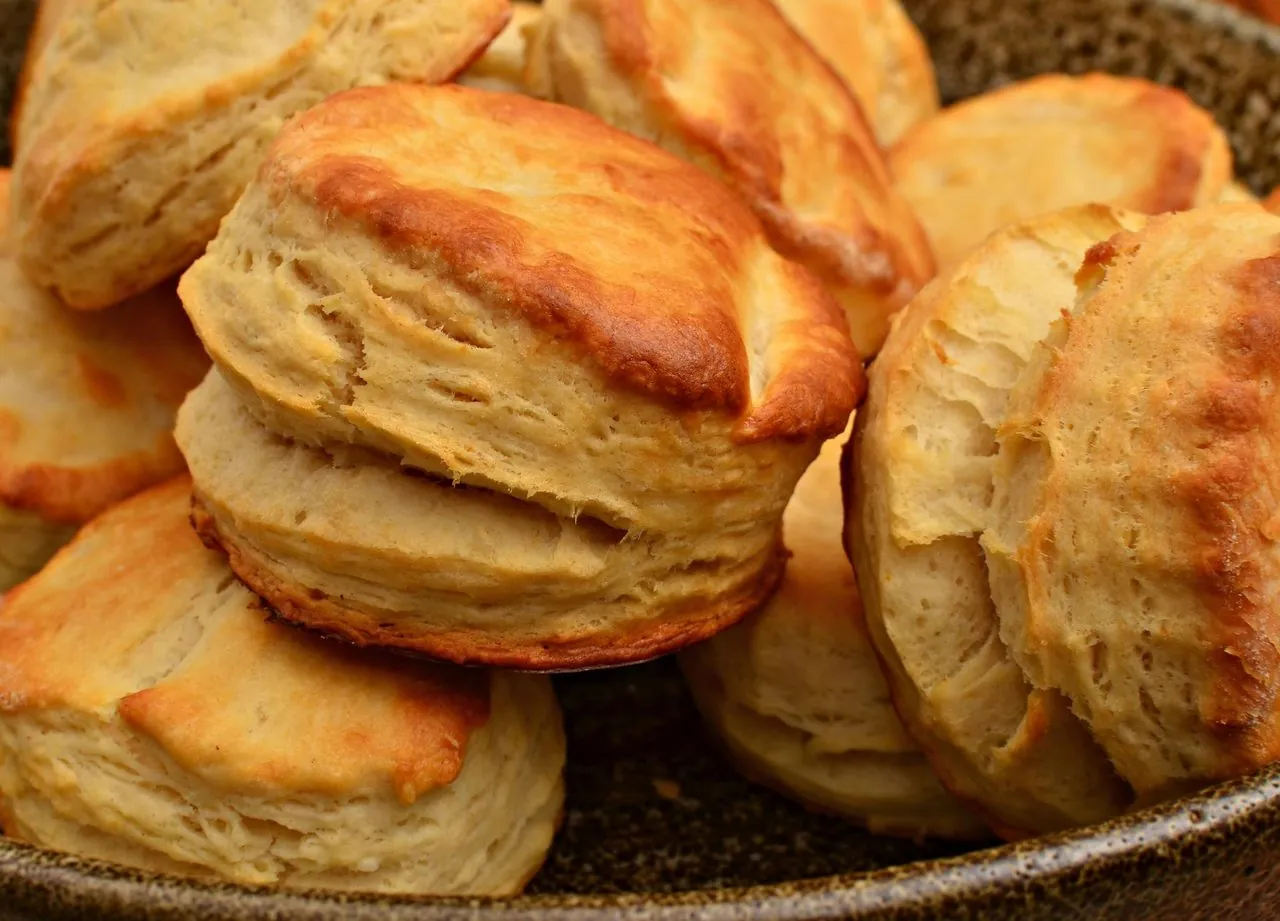
Cold butter, a gentle fold and one extra fold of dough: the physical rules that create a dozen shattering layers in buttermilk biscuits.
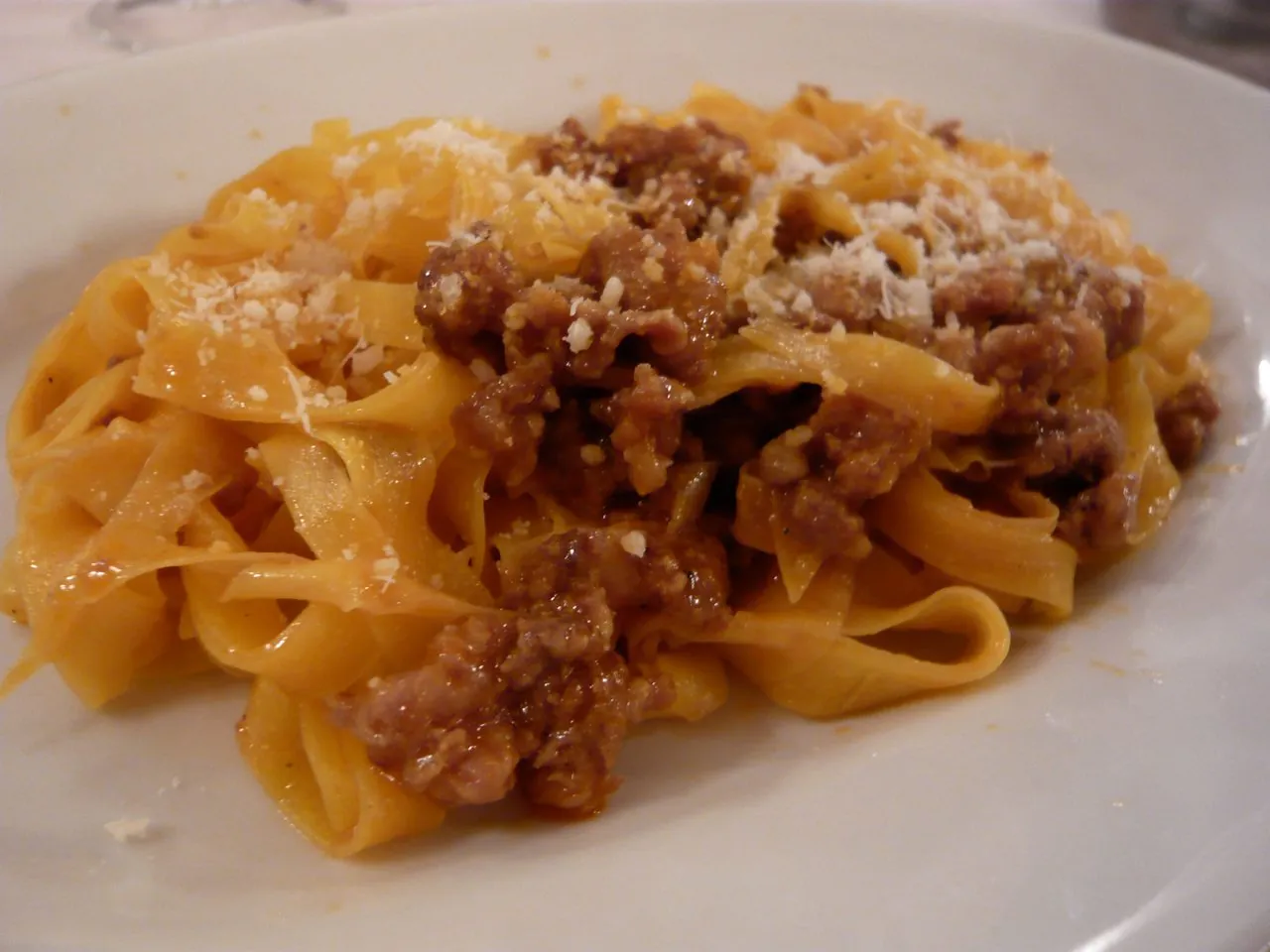
The registered Bolognese recipe: a fine soffritto, milk before wine, and three unhurried hours. What the Accademia Italiana della Cucina codified in 1982.