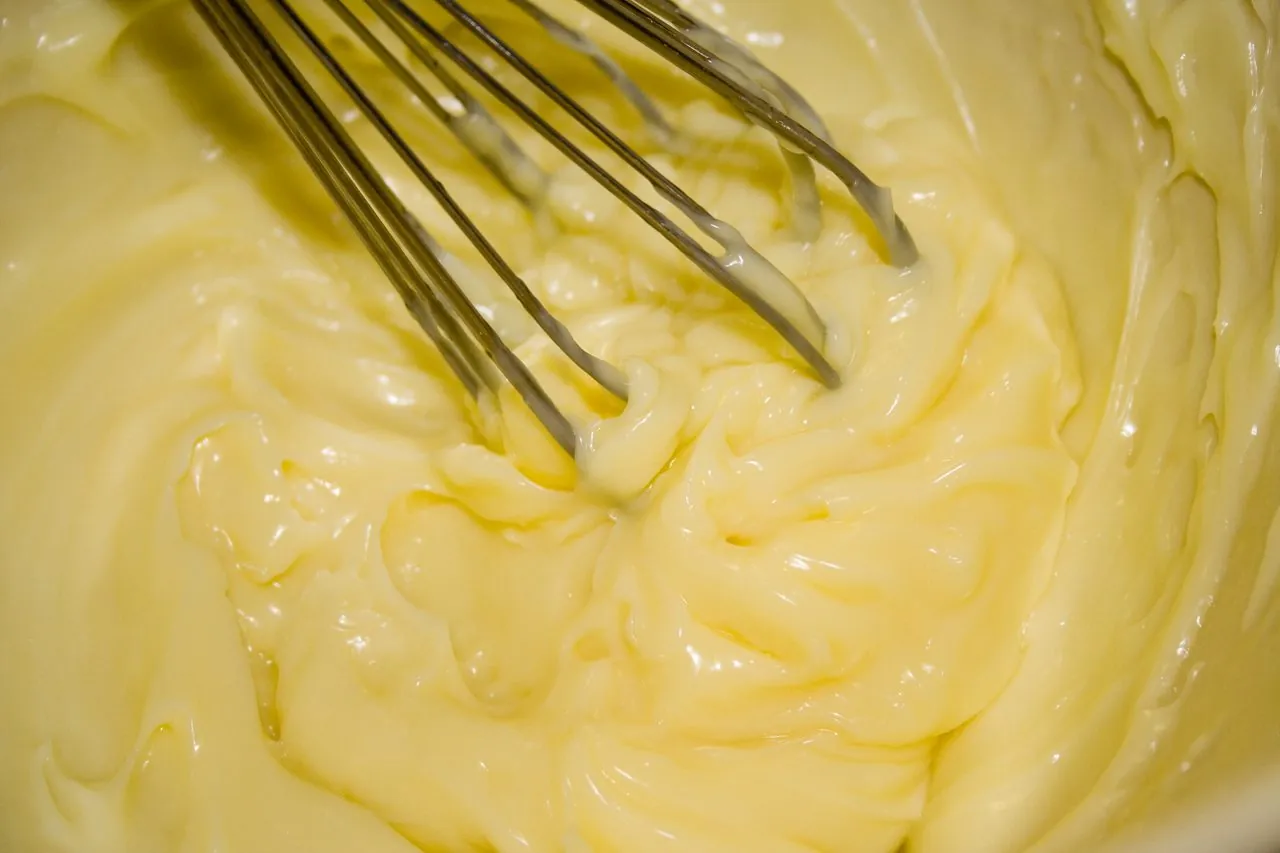
The 30-Second Mayonnaise: Emulsion Science in a Jar
One yolk can carry a full cup of oil — if you understand lecithin. The immersion-blender mayonnaise method and how to rescue a broken one.
The science and craft behind better cooking - heat control, knife work, emulsions and the methods professional kitchens rely on, explained for home cooks.
One yolk can carry a full cup of oil — if you understand lecithin. The immersion-blender mayonnaise method and how to rescue a broken one.
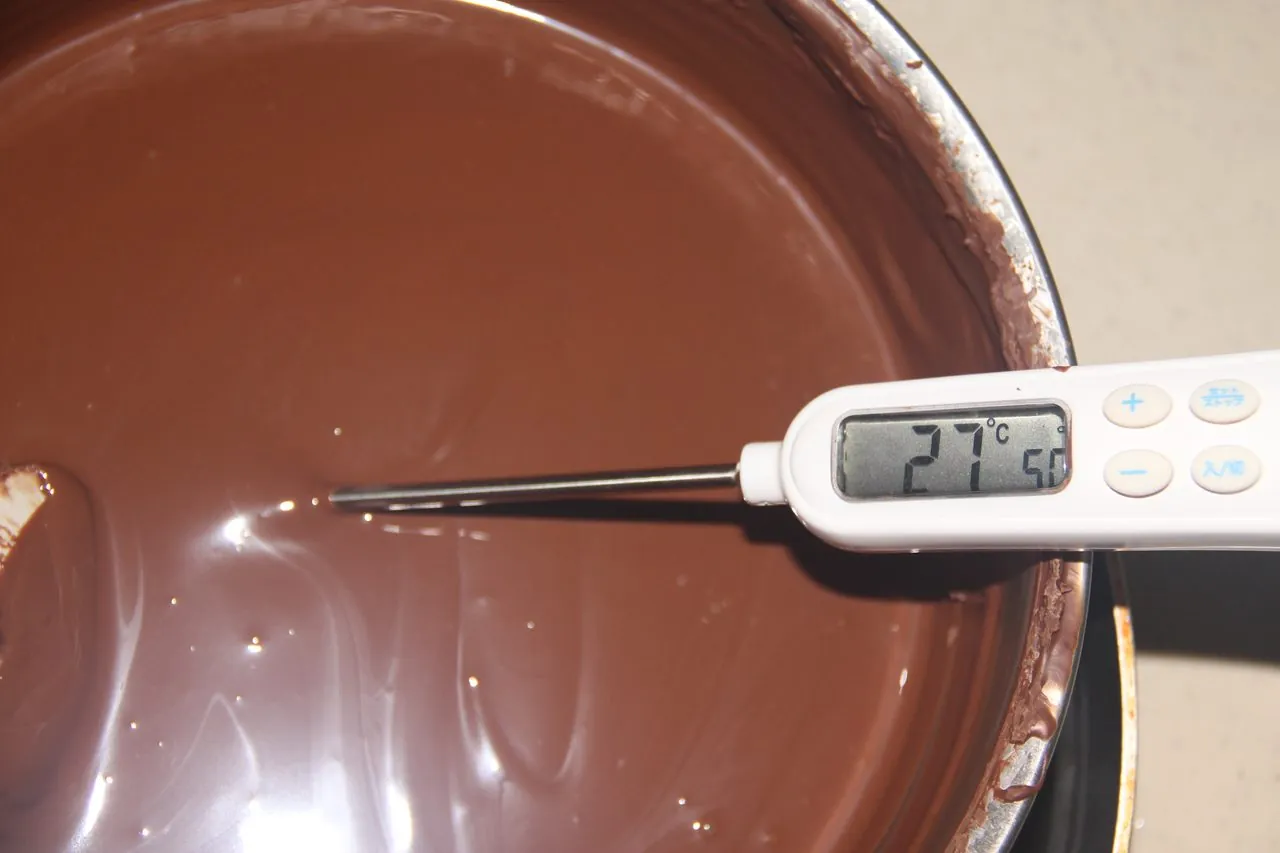
Match melting, cooling and working temperatures to dark, milk or white chocolate. Manufacturer curves and a small setting test guide the process.
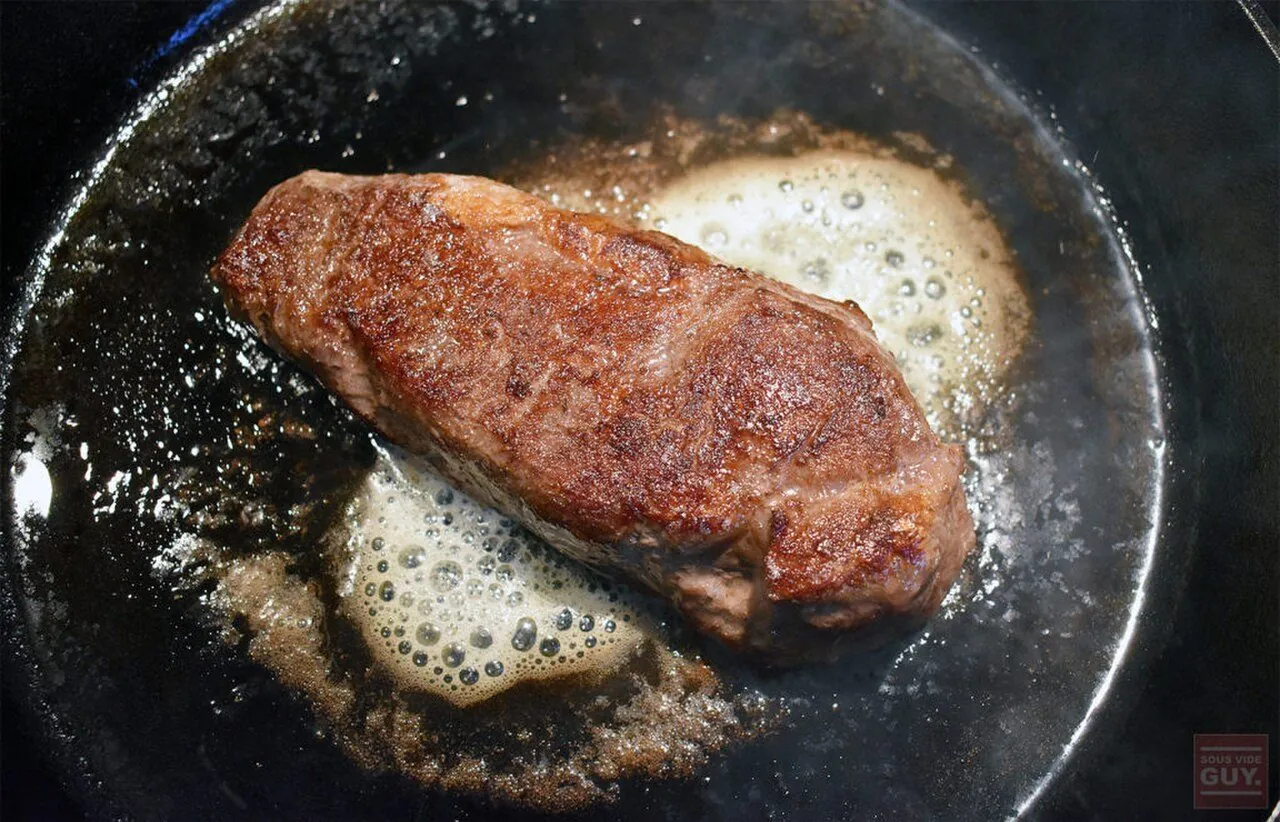
It starts around 285 degrees and it is not caramelization. The chemistry of browning, and the dry-heat rules that make it happen faster.
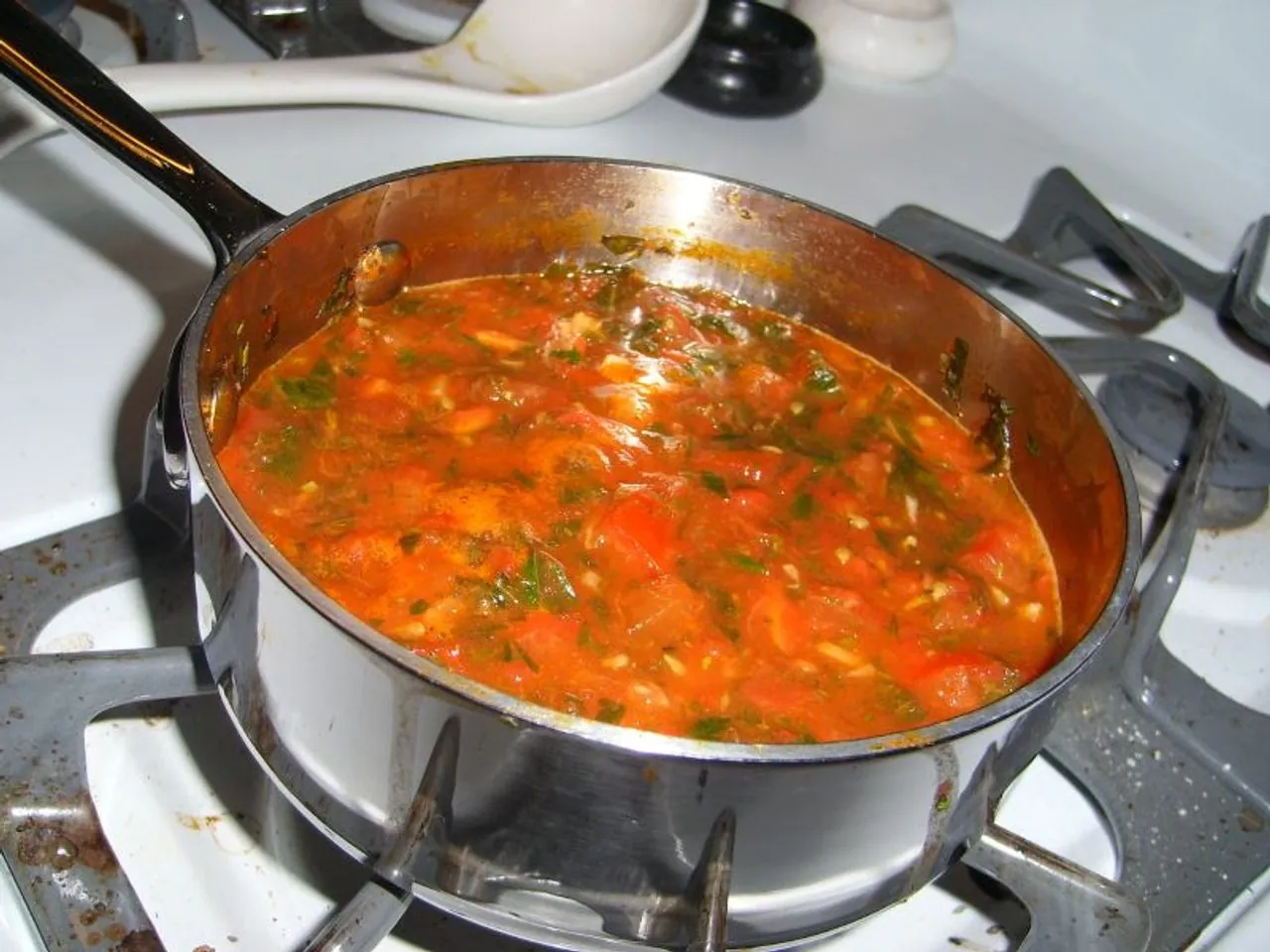
Five ingredients, three minutes and the fond already in your pan: the ratio-based pan sauce formula that fixes any weeknight protein.
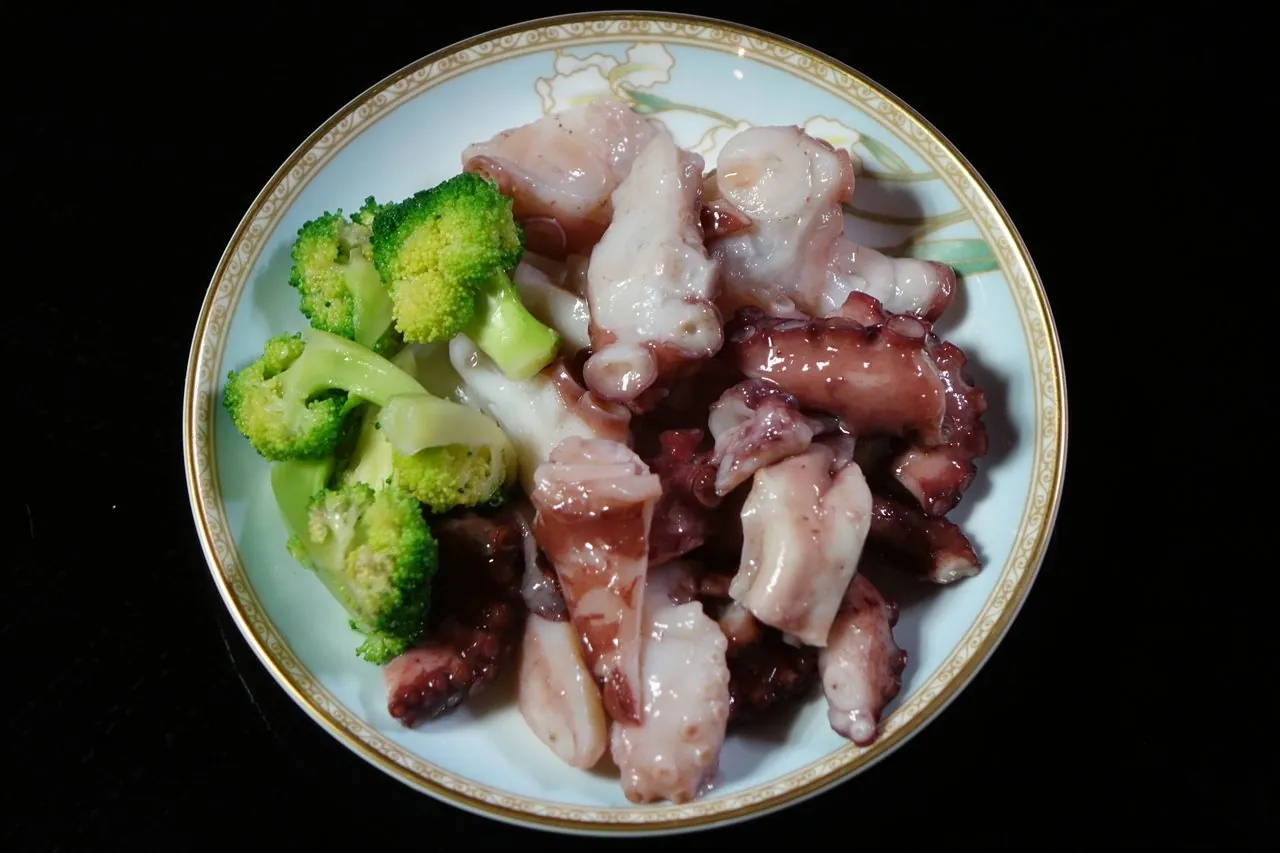
Thirty seconds in boiling water, zero seconds in ice: why restaurant broccoli stays green for days and how to replicate it at home.
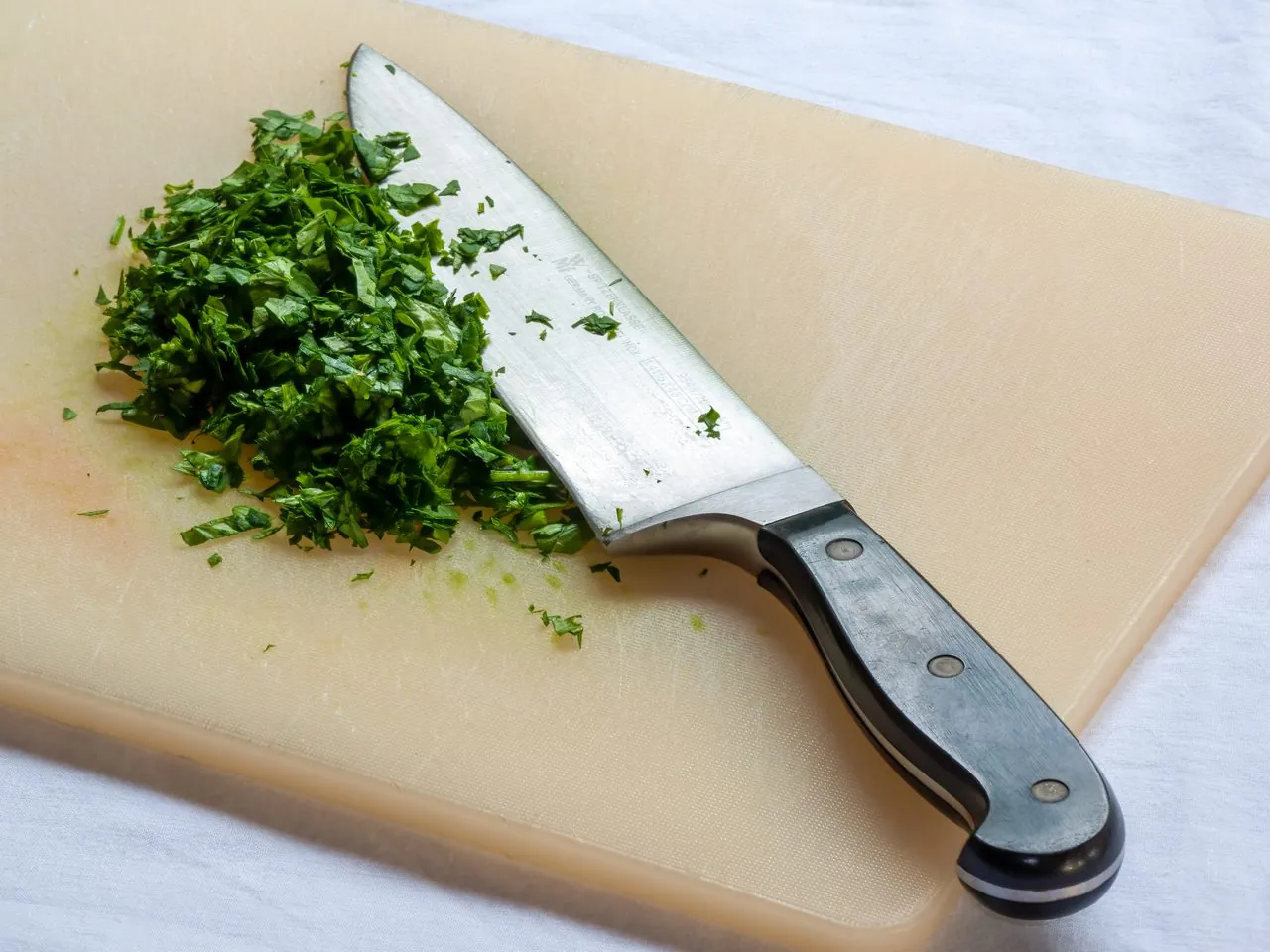
The slice, the baton, the dice and the mince cover 95 percent of prep work. A technique guide with grip, motion and board setup explained.
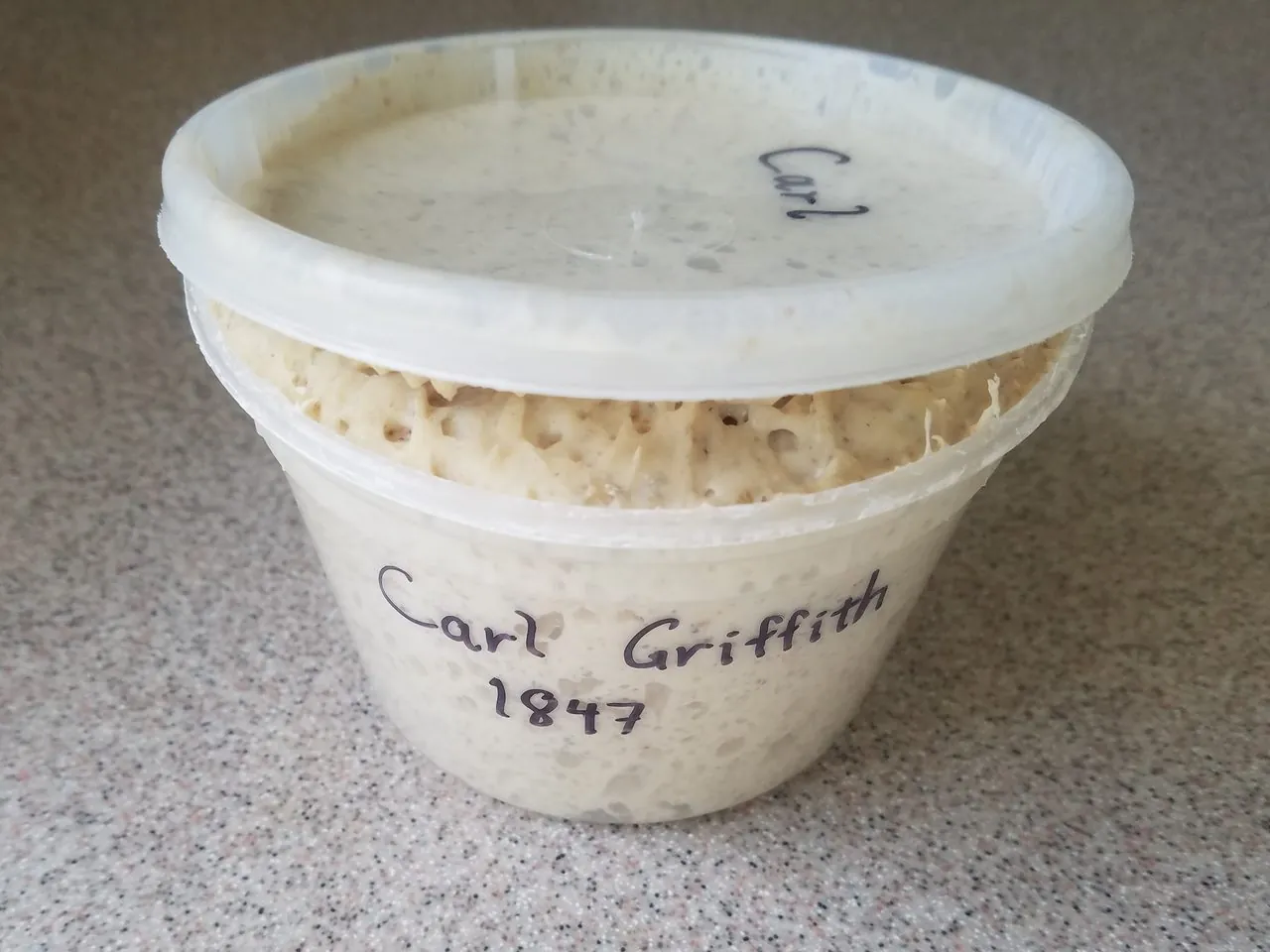
Flour, water, feeding and time: recognise a ready starter, plan its maintenance and know when contamination means it must be discarded.
Chefs say “like the sea.” The real number is closer to one percent. Why salting pasta water matters and the grams-per-liter that work.
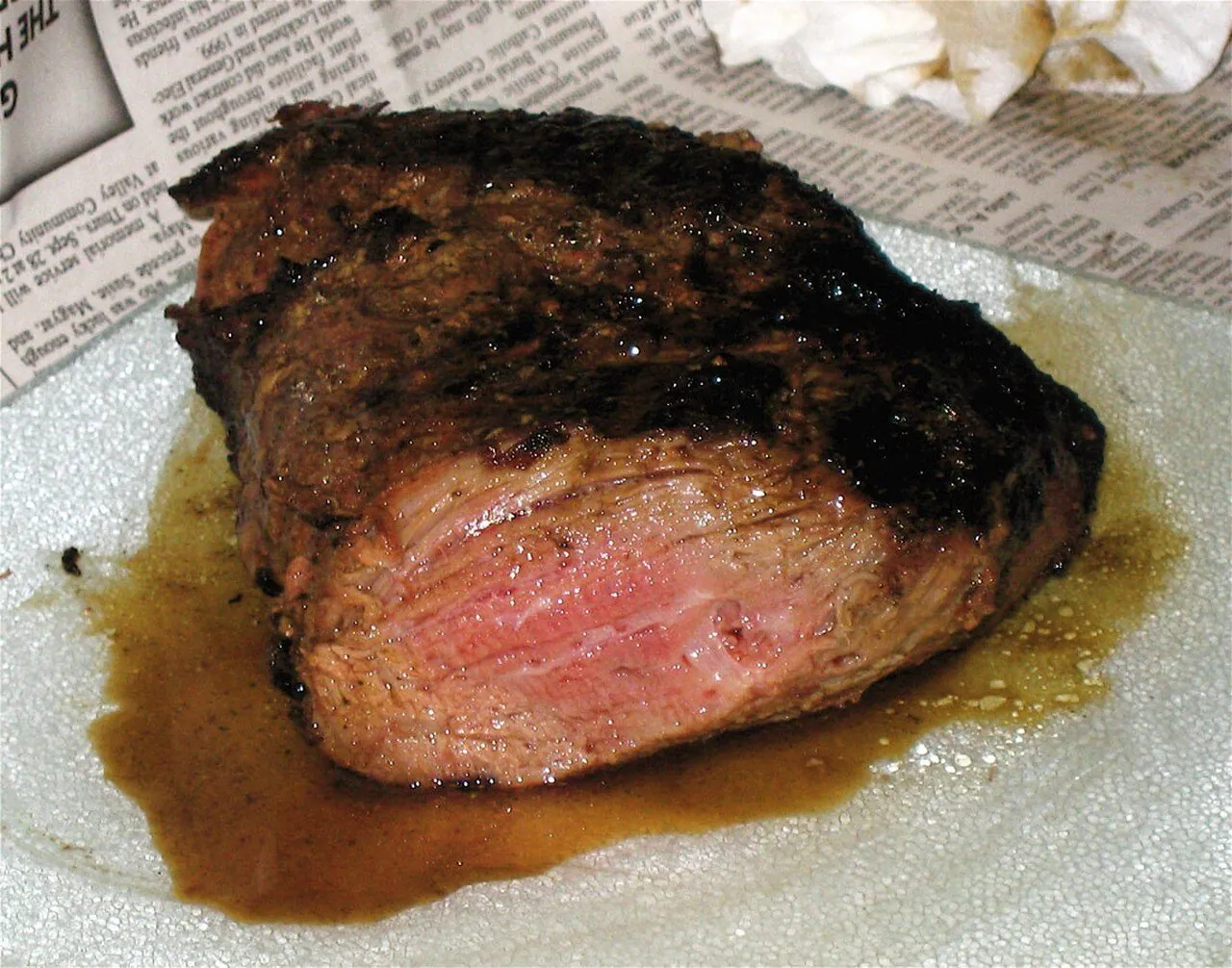
What published steak-resting experiments show, how carryover heat changes the result, and how to separate doneness preferences from safety guidance.
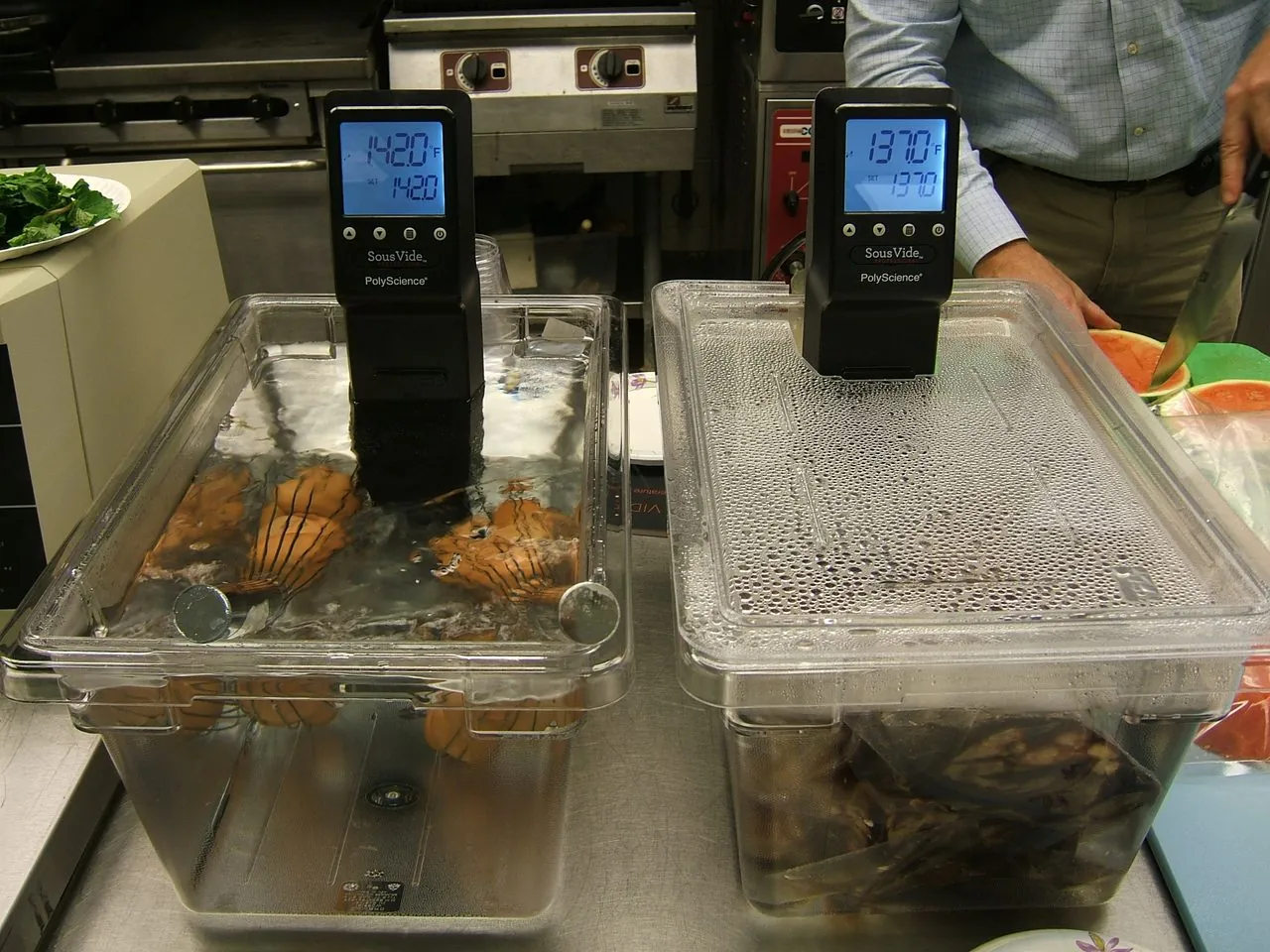
Choose sous vide temperatures with thickness, heating time and pasteurization in mind. Why bath time alone cannot guarantee safe food.