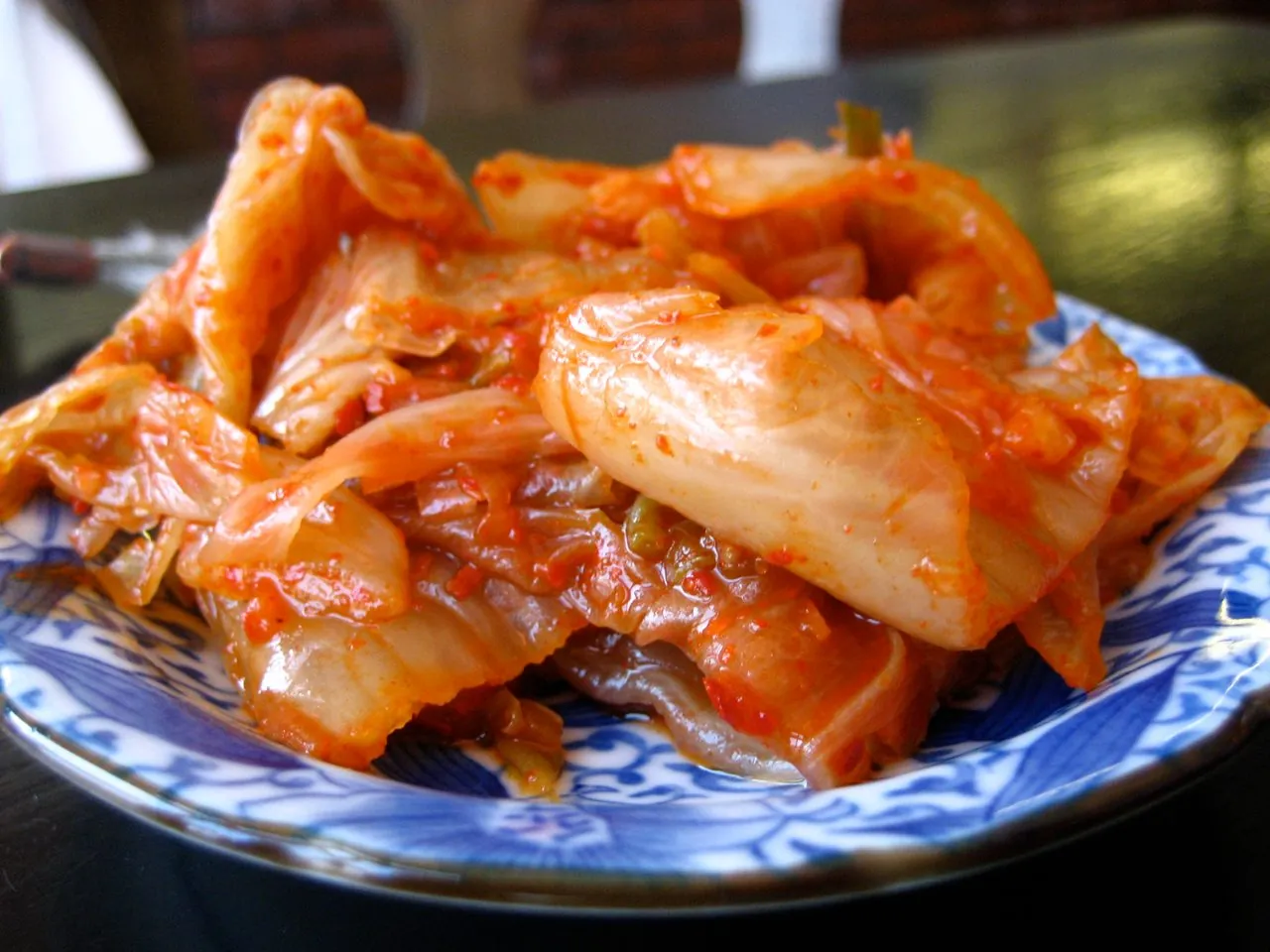
Kimjang: The Kimchi Ritual UNESCO Listed as Heritage
Every late autumn, Korean households make a winter’s worth of kimchi together. The UNESCO-inscribed tradition and the science of the jar.
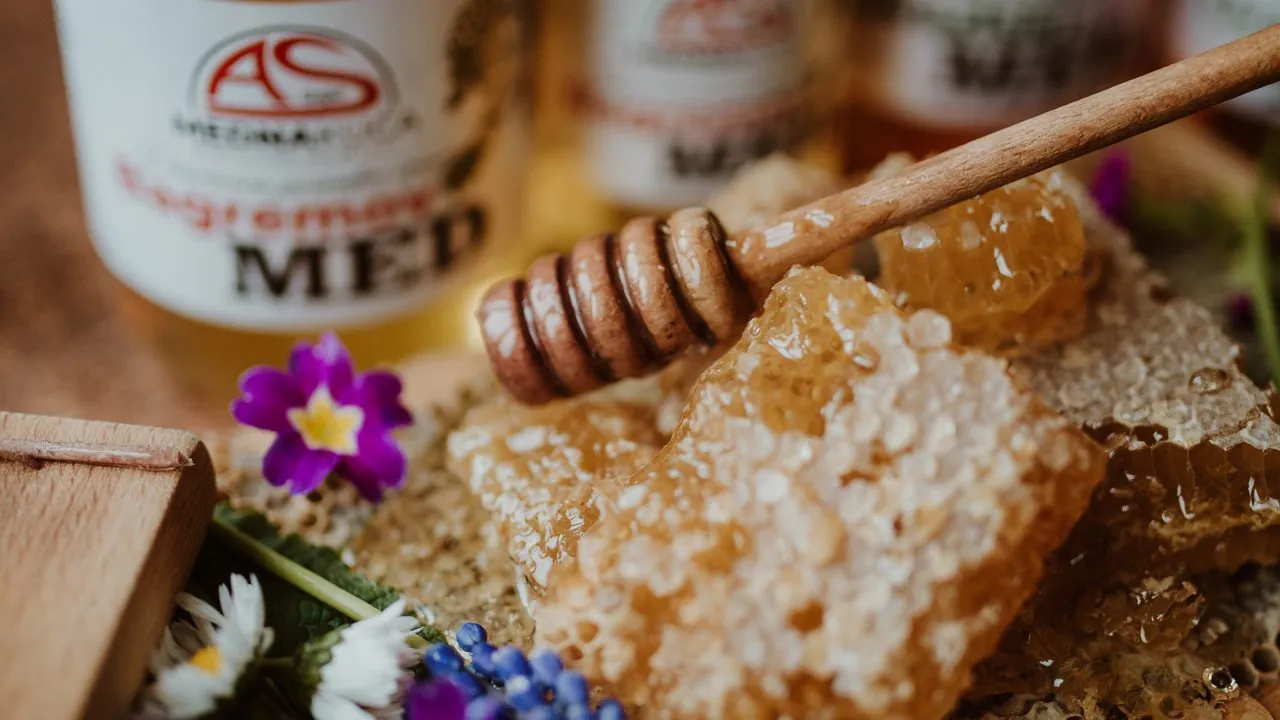
On the shelf, manuka honey looks like a luxury and is priced like one, often several times the cost of ordinary honey sitting beside it. What separates it from the crowd is not folklore but a specific compound with a paper trail, plus a grading system with a trademark on it and licensed laboratories standing behind it. The labels, UMF and MGO, look like alchemy until you know what each is measuring. Here is the decoder, and it is simpler than the jars suggest.
Manuka honey comes from the nectar of the manuka tree, Leptospermum scoparium, a scrubby myrtle that grows across New Zealand. The trees flower for only a few weeks each year, in remote and often steep country, and beekeepers move hives into position to catch the bloom. That narrow window is the honest root of the price: the nectar supply is genuinely scarce, and the honey it produces has a character that blending cannot fake. Because the chemistry comes from the nectar of one plant, honey sold as manuka has to come from hives set in the manuka bloom, not from a blend adjusted afterward. Manuka is dark, thick and herbal, with a faintly bitter, mineral edge that sets it apart from the mild clover and wildflower honeys on either side of it.
The science began in the 1980s with Peter Molan, a professor at the University of Waikato in New Zealand who had spent years studying honey. Honey's antibacterial reputation was old knowledge, but most of it rested on hydrogen peroxide, an enzyme byproduct that fades quickly when honey is diluted, heated or stored. Manuka kept its activity even after the peroxide effect was neutralized, which made no sense under the standard explanation. Molan named the mystery non-peroxide activity, and the finding turned a folk remedy into a serious research subject. It also created a commercial problem: if the activity did not come from peroxide, then the usual ways of judging honey told buyers nothing about a given jar. For nearly two decades, producers graded honey on that activity without knowing what, chemically, they were actually measuring.
The answer arrived in 2006, when Thomas Henle, a professor at the Technical University of Dresden, identified the compound behind the stable activity: methylglyoxal, abbreviated MGO. Manuka honey carries unusually high concentrations of it, formed from a precursor sugar abundant in manuka nectar that converts slowly into MGO as the honey matures. The concentration can be measured directly, in milligrams per kilogram, by any competent laboratory. The mystery factor finally had a name and a number, and every serious grading system now rests on that measurement. The discovery also settled, at last, what a label was actually claiming when it promised antibacterial activity.
UMF stands for Unique Manuka Factor, and it is not an informal shorthand. It is a trademarked grading and certification system run by the UMF Honey Association, and a UMF license number on a jar means the honey inside was tested by an accredited laboratory against that standard. The grades step up in rough correlation with methylglyoxal:
The steps are less a judgment of flavor than agreed checkpoints: what changes between them is the measured methylglyoxal level, and with it the price.
The methylglyoxal number is only part of the certification, which is where UMF earns its keep over simple MGO labels. The testing also covers leptosperin, a compound tied to authenticity that confirms the honey is genuinely from manuka; DHA, the precursor that predicts shelf life, since the DHA in fresh honey keeps converting to MGO as it matures; and HMF, a marker that rises with age and heat, so a low reading certifies freshness. Four measurements, one grade, and a paper trail from the jar back to the laboratory.
The practical question behind all the numbers is simply how much potency a jar needs, and the honest answer depends on what the honey is for.
Manuka is honey from one New Zealand tree, and its special quality comes from methylglyoxal, identified in 2006 after two decades of scientific puzzling. UMF is the trademarked certification that grades potency in steps tracking MGO, from about 83 mg/kg at UMF 5+ to about 829 at UMF 20+, while also verifying authenticity, maturity and freshness. Buy the grade that matches the job, check for the license number, and the price stops being a mystery.
Treat an MGO figure as a measured component of a batch, not a dosage instruction. A higher concentration does not by itself show that eating the honey will treat an infection or improve a particular health condition. Laboratory antibacterial activity and clinical benefit are different questions. Food honey should not be used as a substitute for a regulated medical wound product.
When comparing jars, record the weight, price per unit, grade, lot identifier and the certifier or producer behind the claim. Two differently sized jars can make the same grade look cheaper or more expensive than it is. Ask whether a certificate relates to the actual lot rather than a generic example on a seller's website. A plain MGO number is also not identical to UMF's multi-factor certification.
For cooking, choose for flavour and budget. A finishing drizzle preserves the character you paid for, while a strongly spiced glaze may obscure it. As with other honey, do not give it to children under twelve months. None of the grading vocabulary removes that restriction.
Certification measures and laboratory antibacterial findings do not establish a treatment benefit from eating honey.
Every late autumn, Korean households make a winter’s worth of kimchi together. The UNESCO-inscribed tradition and the science of the jar.
Free acidity below 0.8 percent, peroxide under 20, mechanical extraction only. The International Olive Council rules behind the bottle.
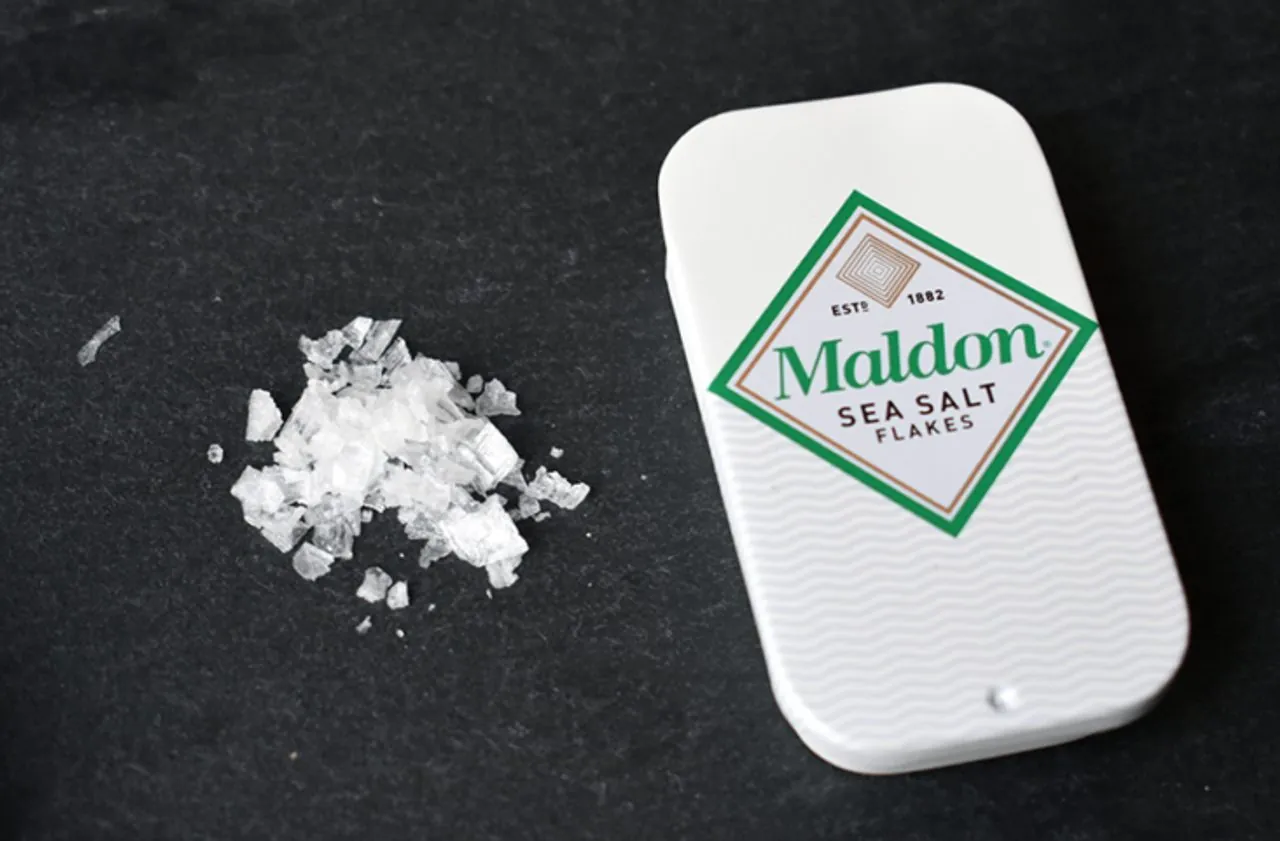
Since 1882 the Essex coastal town has produced crystalline pyramid flakes. What makes flake salt different and when it earns its price.