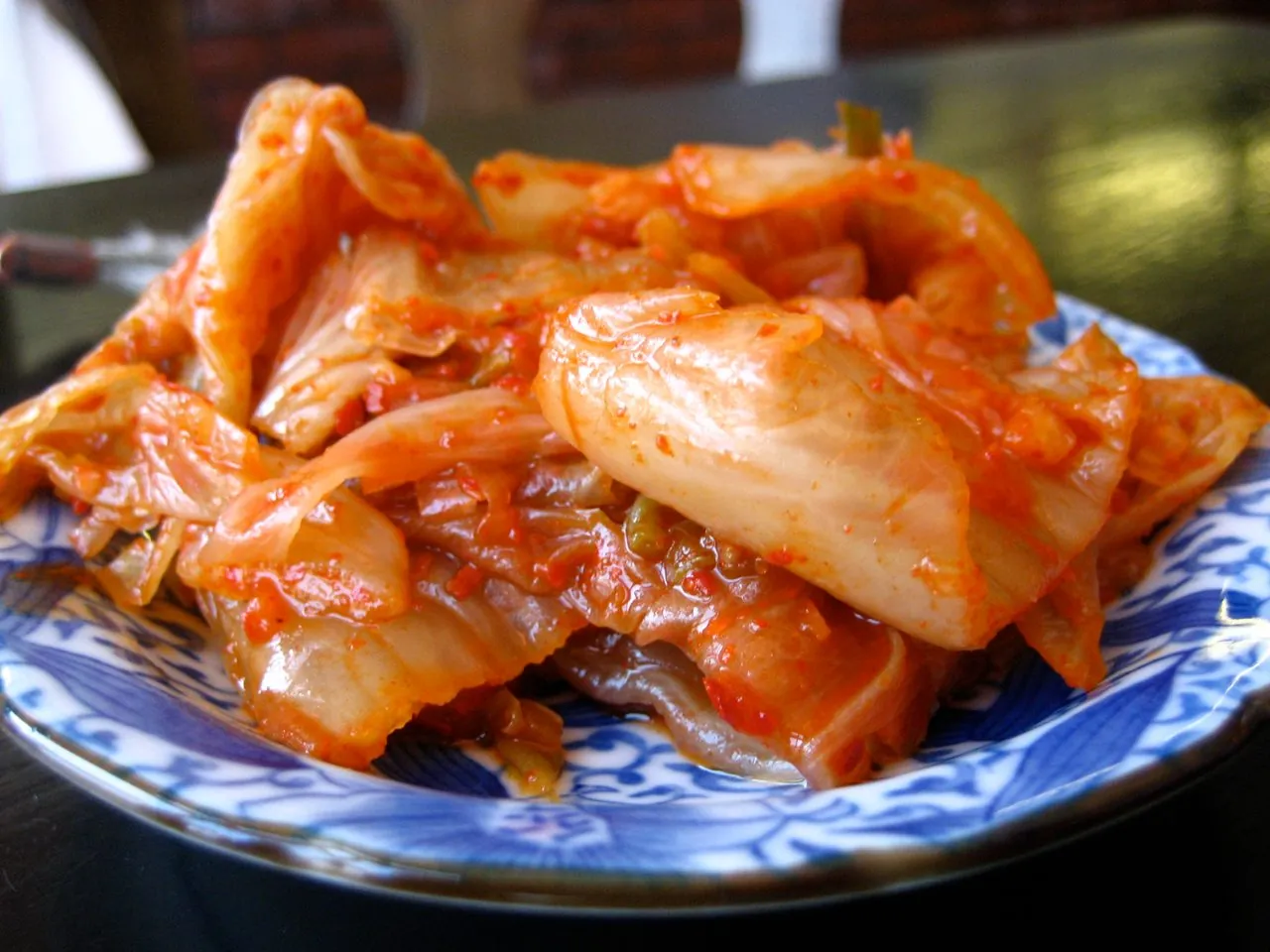
Kimjang: The Kimchi Ritual UNESCO Listed as Heritage
Every late autumn, Korean households make a winter’s worth of kimchi together. The UNESCO-inscribed tradition and the science of the jar.
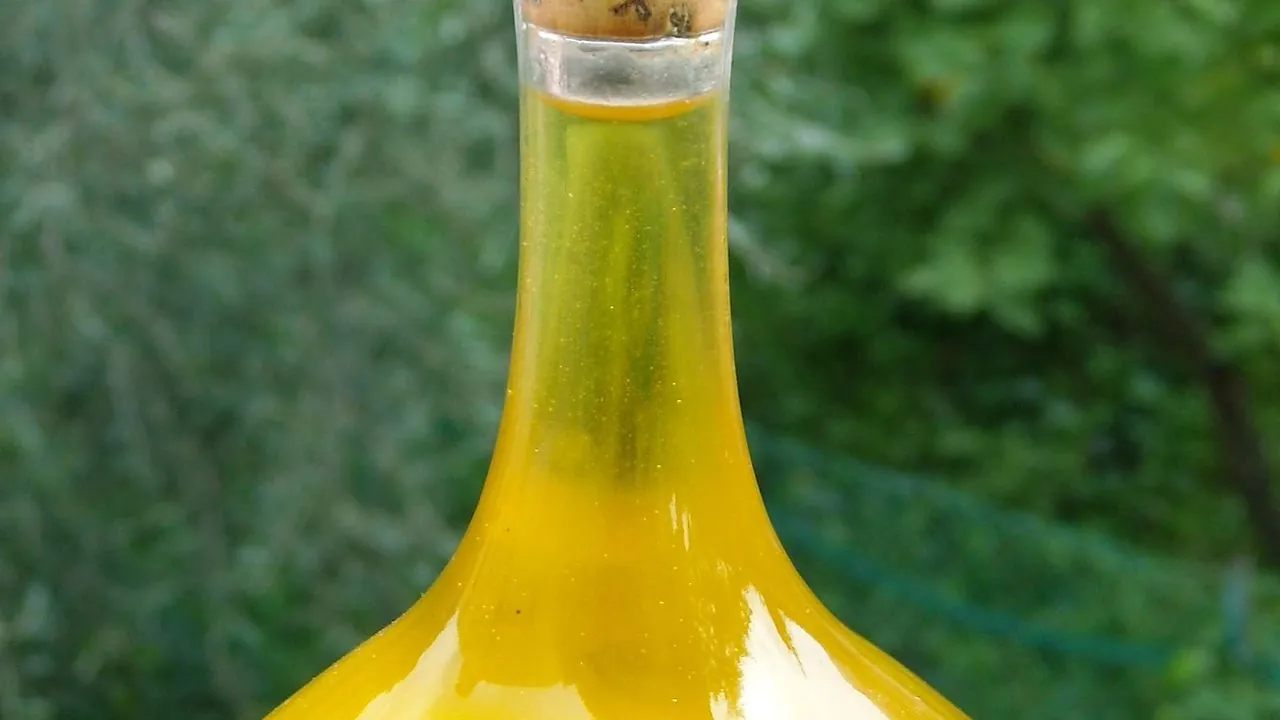
Extra virgin olive oil is the most regulated pantry staple most people own and the least understood. The phrase on the bottle is not a compliment; it is a grade, with legal thresholds behind it, enforced by laboratory tests and trained tasting panels. Understanding those thresholds changes how you shop, because it tells you which words on a label mean something and which are just decoration.
The rules come from the International Olive Council, the intergovernmental body that sets the trade standard used across the olive oil world. To be called extra virgin, an oil must pass three kinds of tests at once, and failing any one of them drops it down the ladder.
The first is chemistry. Free acidity, a measure of how much of the oil's fat has broken down, may not exceed 0.80 grams per 100 grams, expressed as oleic acid: in shorthand, 0.8 percent. The second is oxidation: peroxide value, which tracks spoilage, is capped at 20 milliequivalents of oxygen per kilogram. The third is the human test. A trained panel must find zero sensory defects, no mustiness, no rancidity, no winey fermentation notes, and at least some positive fruitiness. One more rule sits above all of this: the oil must be obtained only by mechanical means, pressed from the fruit rather than treated with solvents or refined by heat and chemicals. And each test is a gate rather than a score: an oil either stays under every limit and tastes clean, or it does not, and a single failure removes it from the extra virgin category entirely, however handsome the bottle.
Those thresholds explain where the grade sits on the quality ladder. Ordinary virgin olive oil, one step down, may show free acidity up to 2.0 percent, more than double the extra virgin ceiling, and it can carry minor defects. The best producers operate far inside the limits: premium oils routinely test at 0.2 to 0.5 percent acidity, levels that signal sound fruit milled quickly and carefully.
Two cautions keep this honest. Acidity is a technical measurement of fat breakdown, not a taste you can perceive; oil at 0.2 percent does not taste less acidic than oil at 0.7, because neither tastes acidic in the culinary sense at all. And an acidity figure describes the oil at analysis, not necessarily at purchase. Handling, heat and time can undo what the mill achieved. Price follows the same logic: extra virgin demands sound fruit handled quickly, and that handling costs more than what lesser grades require, which is why the top of the shelf carries a real premium.
There is a reason serious tasters cough. Fresh, well-made olive oil is rich in polyphenols, protective compounds with names like oleocanthal and hydroxytyrosol, and oleocanthal in particular produces the peppery catch at the back of the throat that makes first-time tasters think something is wrong. Nothing is wrong. That tickle is the sensory signature of freshness and of the very compounds that make olive oil interesting to cooks and researchers alike. An oil that tastes of nothing much, smooth and faintly greasy, is usually an oil past its prime, or a blend cut with something cheaper. You can test for all of this at home without a panel's training. Pour a little oil into a small glass, warm it in your palm for a moment, then nose it and take a small sip, letting air cross your tongue as you swallow. Fresh oil shows green aromas first, then fruit, and the pepper arrives last, a beat behind everything else, at the very back of the throat.
Olive oil's enemies are the same as most pantry fats: light, heat, air and time. Keep the bottle in a dark cupboard away from the stove, cap it tightly, and plan to use it within a few months of opening. That timeline surprises people who treat olive oil as an heirloom, but the qualities you paid for, the low peroxide count and the polyphenols, are exactly the part that fades fastest. Cook with it generously; extra virgin is not a museum piece, and its flavor belongs in dressings, soups, eggs and everything that comes off the roasting pan.
Extra virgin is a legal grade: acidity at or below 0.8 percent, peroxide at or below 20, zero sensory defects, real fruitiness, and mechanical extraction only. A harvest date beats a best-before date, dark bottles beat clear ones, and the peppery catch at the throat is a feature you are paying for. Buy it fresh, store it dark, and use it up; the whole point of the grade is an oil at its peak, not an oil preserved from it.
The IOC limits define a category, not the age of the bottle in your cupboard. An oil can have met the grade when assessed and still deteriorate after exposure to heat, air and light. Conversely, a peppery taste is not a home laboratory test for every chemical or sensory requirement. Use the label and supplier information alongside your senses, not as substitutes for each other.
For a purchase comparison, note harvest information when supplied, bottle size, packaging and how quickly your household uses oil. A large tin is poor value if most of it sits open near the stove for months. A smaller dark container can make sense even at a higher price per litre when turnover is low.
Read origin language carefully: bottled in one country need not mean all olives were grown there. The geographical claim, grade and best-before date answer different questions. If a seller advertises unusually low acidity, ask when and on which batch it was measured; that number does not establish current freshness or make the oil taste less acidic in the culinary sense.
IOC grading definitions are a reference standard; local labelling enforcement differs by jurisdiction.
Every late autumn, Korean households make a winter’s worth of kimchi together. The UNESCO-inscribed tradition and the science of the jar.
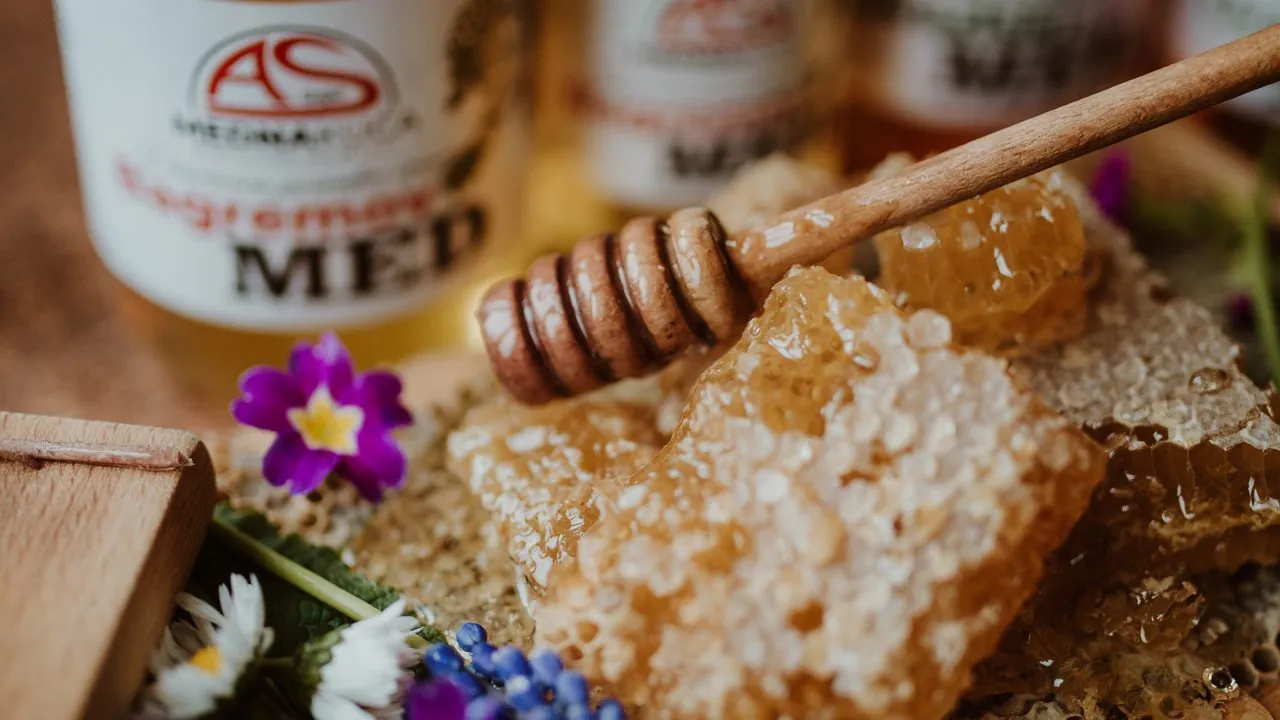
UMF 10+ equals roughly 263 mg/kg of methylglyoxal. What the grades mean, who certifies them, and why manuka honey costs so much.
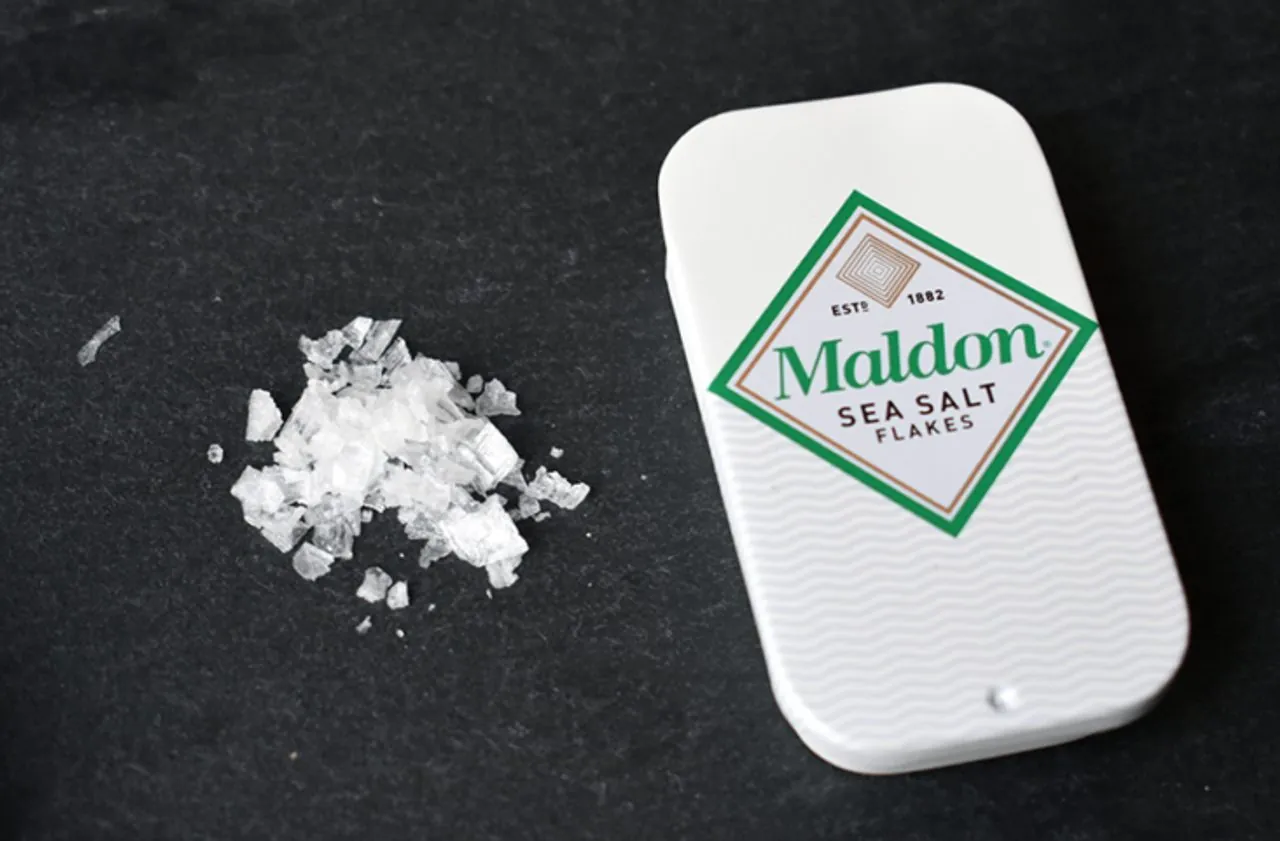
Since 1882 the Essex coastal town has produced crystalline pyramid flakes. What makes flake salt different and when it earns its price.