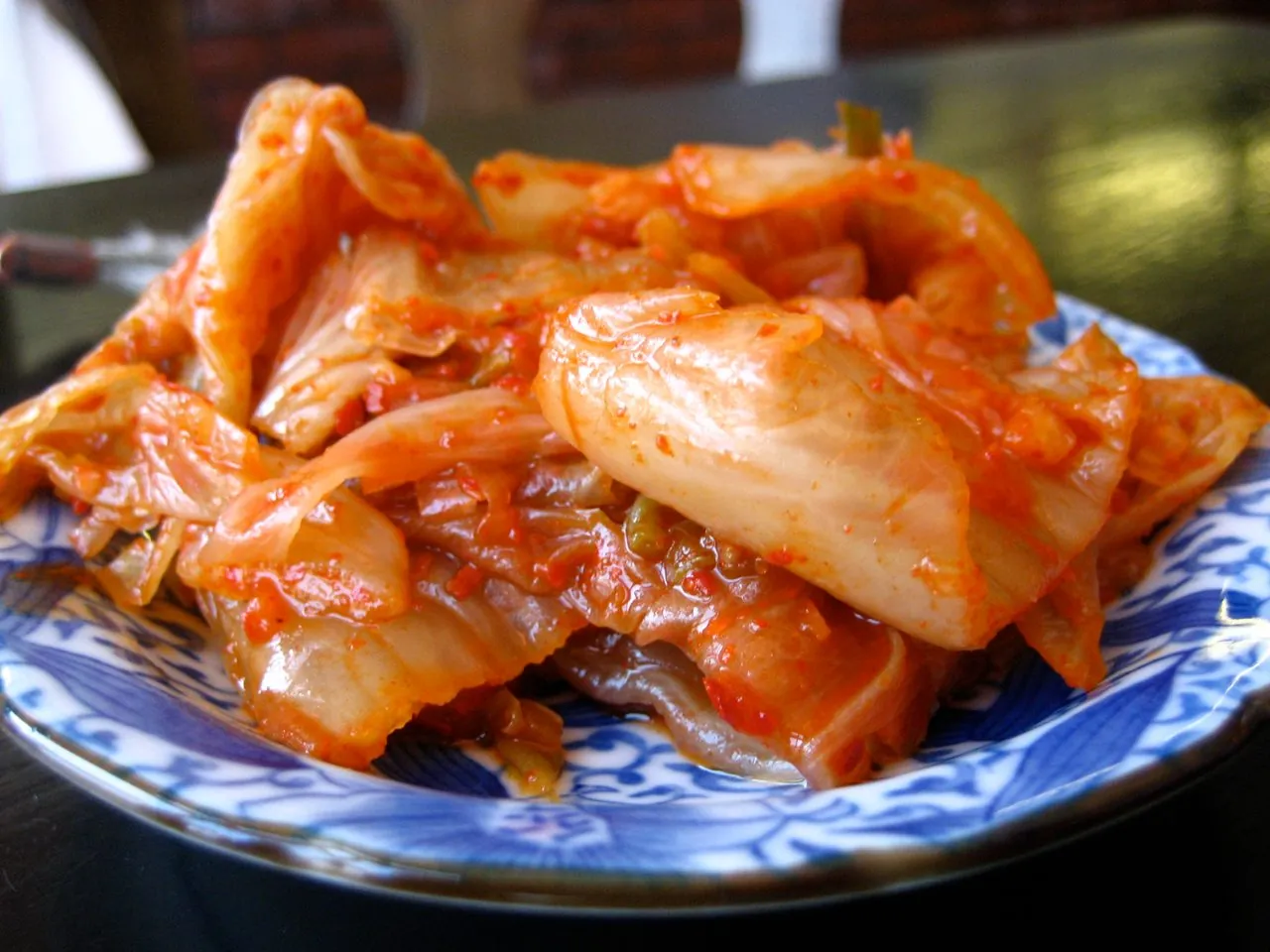
Kimjang: The Kimchi Ritual UNESCO Listed as Heritage
Every late autumn, Korean households make a winter’s worth of kimchi together. The UNESCO-inscribed tradition and the science of the jar.
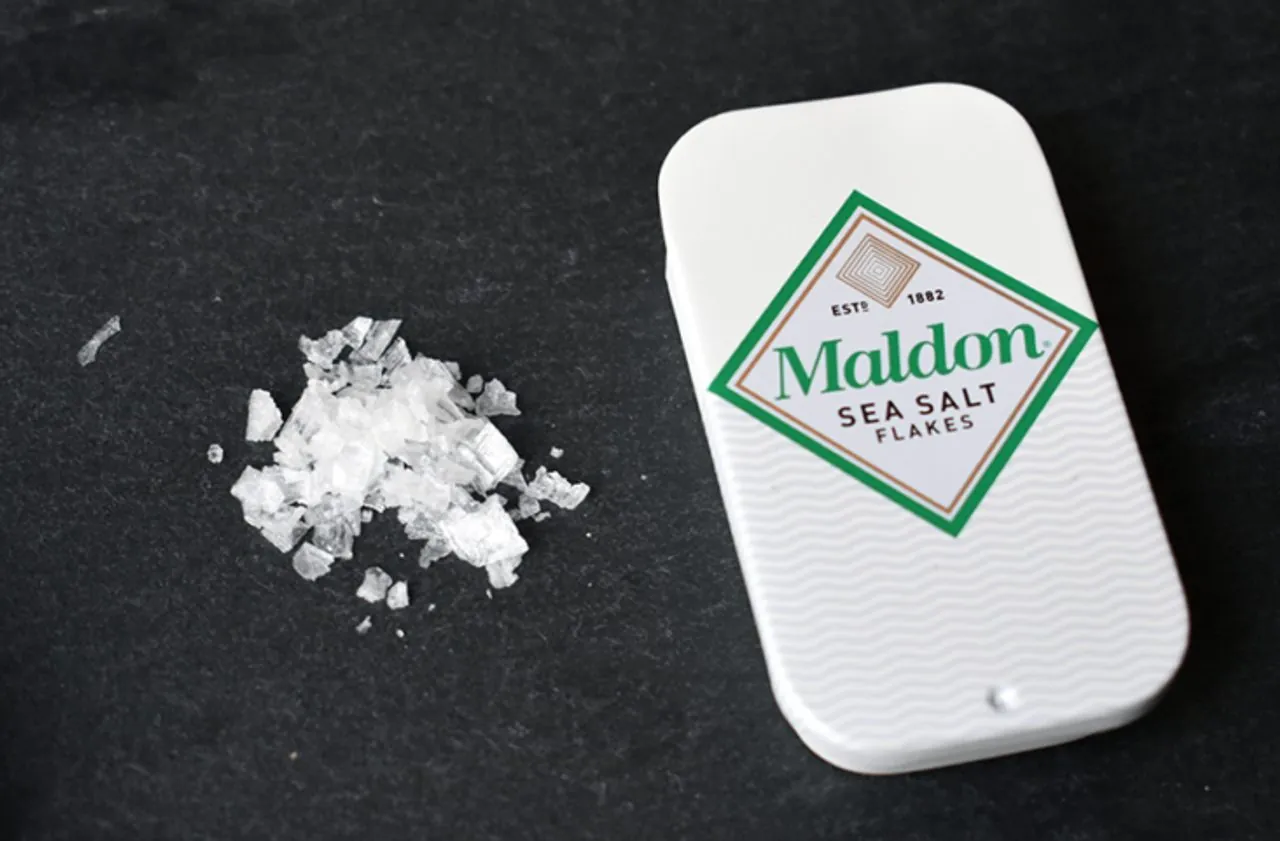
Some ingredients earn their place by disappearing into a dish. Maldon salt does the opposite: it arrives at the last second, on the cut side of a steak or the dark surface of a chocolate tart, and it makes itself known — a glint, a crunch, a clean burst of salinity that fades a moment later. The box with the sailing barge on it has been on British shelves since the Victorian era and, by now, on the pass of nearly every serious kitchen in the English-speaking world. The story begins on an Essex mudflat, where the sea still comes in twice a day.
Maldon sits on the Essex coast, where the River Blackwater opens into tidal flats on its way to the North Sea. Salt has been gathered along this coast since long before anyone wrote it down; the Maldon Crystal Salt Company has been doing it commercially since 1882, and it is the direct continuation of that older trade. The raw material has never changed: seawater, drawn from the estuary, filtered and settled until it is clean enough to evaporate. What the company added was patience and a particular way with heat. The result is not a mass-extracted industrial product but a pan-made flake, made the way salt was made when salt was a craft, in a town that has been making it for a very long time. That continuity is unusual even in a country that keeps its food traditions carefully — the pans have changed, but the essential work of tide, heat and a waiting hand has not. The little sailing barge on the box is not nostalgia for effect; it is a picture of how the work used to move.
The distinctive shape is a consequence of how the crystals grow. Seawater is filtered, then run into shallow pans and heated gently so evaporation is slow. Under those conditions, salt crystals grow outward and upward at the water’s surface instead of settling into dense cubes, and the brine is worked until delicate, hollow, pyramid-shaped flakes form in the liquid. The flakes are gathered, drained and dried with care, because the structure is the product: a thin, crisp shell of salt enclosing a small hollow of air. That architecture is why the flake behaves the way it does. Crushed between fingers it shatters into irregular shards that sit on a surface rather than sinking in; on the tongue it snaps first, then dissolves faster than any dense crystal of the same size.
This is where the distinction home cooks actually need lives. Kosher or fine salt is a cooking salt: it dissolves, and its job is to season food from the inside — pasta water, brines, stocks, the outside of a roast an hour before the oven. Flake salt is a finishing salt, and it earns its price only at the end.
Dissolve a flake salt into a soup and you have bought expensive salt to do ordinary work. The reverse — trying to finish a dish with dense fine salt — gets you salinity without any of the sparkle, which is exactly the part you were paying for.
The company holds a royal warrant, an acknowledgment of long service as a supplier to the royal household, and its boxes have traveled well beyond Essex. Chefs adopted flake salt because it solves a plate problem: food that is perfectly seasoned can still eat flat without a top note of texture, and a pinch of Maldon adds salinity, crunch and shine in one gesture. The flakes also catch light beautifully, which did no harm as cookbooks went glossy. But the adoption ran deeper than looks. A finishing salt gives a cook one last chance to adjust a dish at the pass, with no stirring and no risk of over-salting an entire pot — control in a gesture too small to ruin anything, which is a rarer thing in a kitchen than it sounds. It is the same logic that puts parsley on a plate; the difference is that salt also makes everything taste more like itself.
For a simple comparison, divide a sliced tomato or a piece of buttered bread into two portions. Season one with a small pinch of flakes at serving and the other with ordinary fine salt dissolved or dispersed earlier. This is a suggested kitchen exercise, not a test performed for this article. Taste the contrast in crunch and distribution before deciding whether a finishing salt earns its space.
Do not substitute salts teaspoon for teaspoon in a recipe that depends on a measured concentration. Thin flakes leave more air between crystals than dense fine salt. Equal spoonfuls can contain substantially different masses, so use grams for brines and other ratio-dependent preparations. The visual size of a pinch also varies between cooks.
Keep the box dry and take salt out with clean hands or a utensil. Use ordinary measured salt for pasta water or soup, where crystals will dissolve. The practical reason to choose flakes at the table is the temporary texture they deliver, rather than a claim that sodium chloride from one coast has a universal flavour advantage.
Producer history is distinguished from the practical choice to use flakes as a finishing texture.
Every late autumn, Korean households make a winter’s worth of kimchi together. The UNESCO-inscribed tradition and the science of the jar.
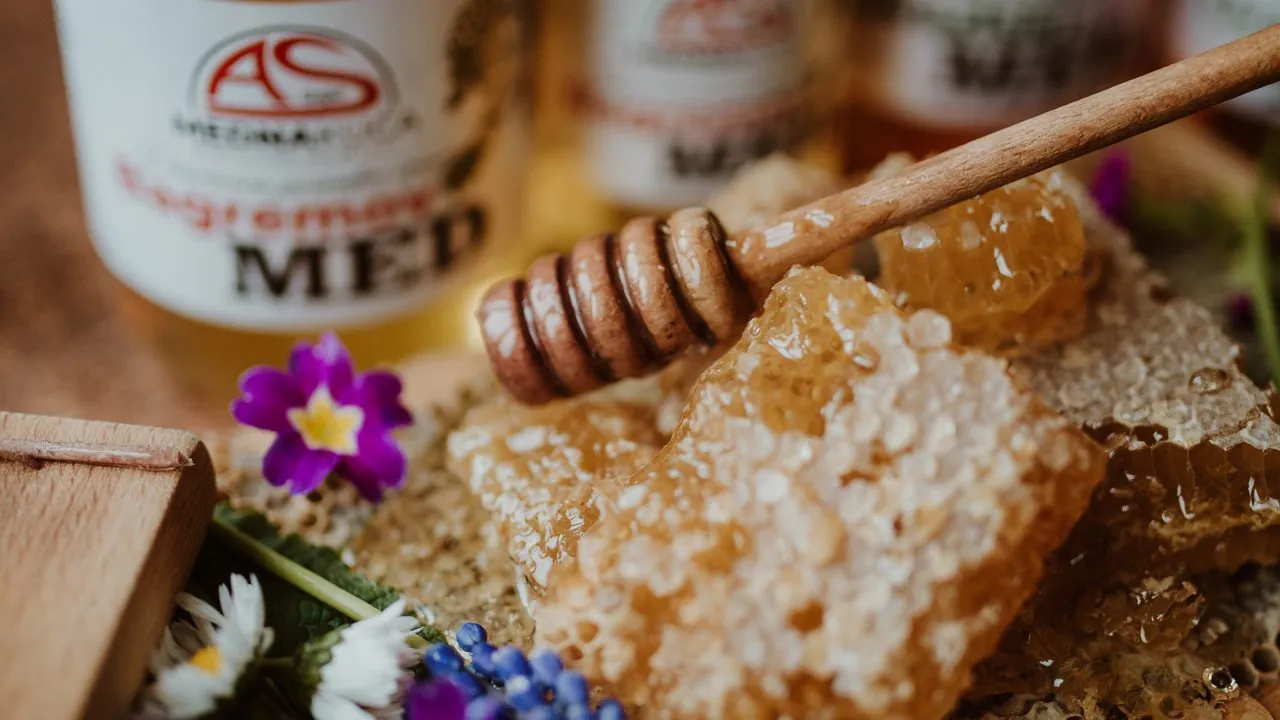
UMF 10+ equals roughly 263 mg/kg of methylglyoxal. What the grades mean, who certifies them, and why manuka honey costs so much.
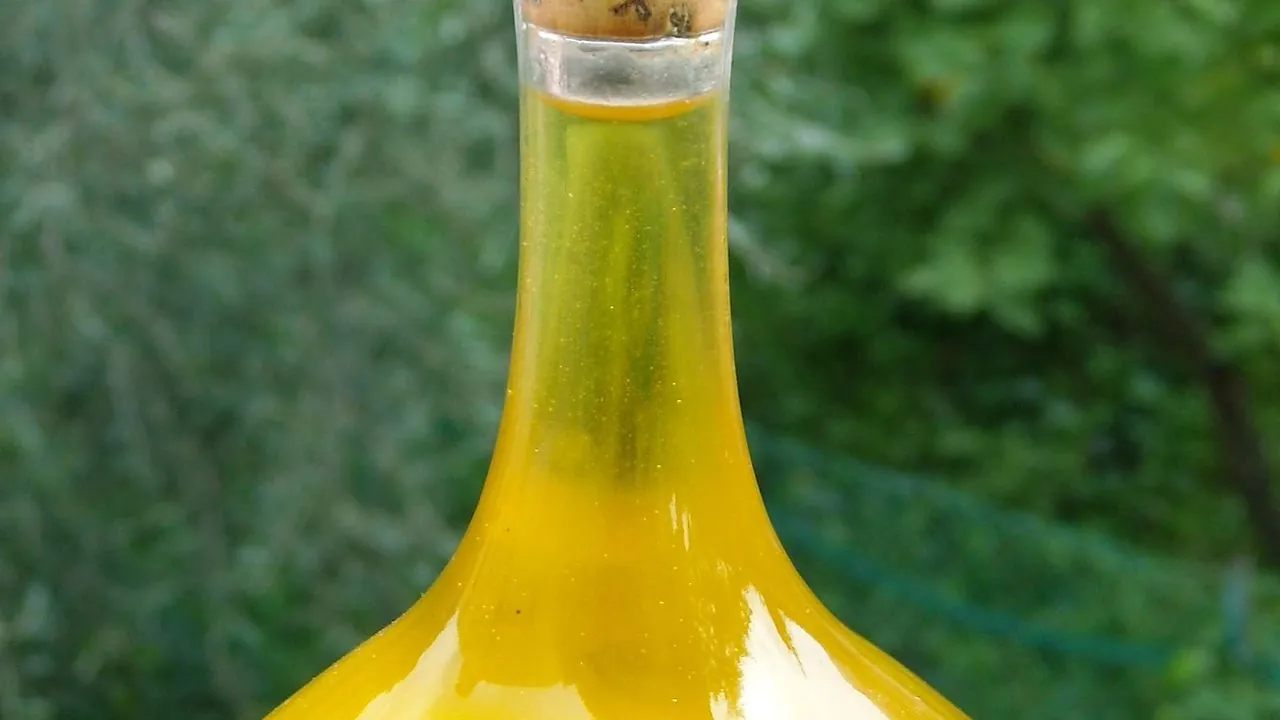
Free acidity below 0.8 percent, peroxide under 20, mechanical extraction only. The International Olive Council rules behind the bottle.