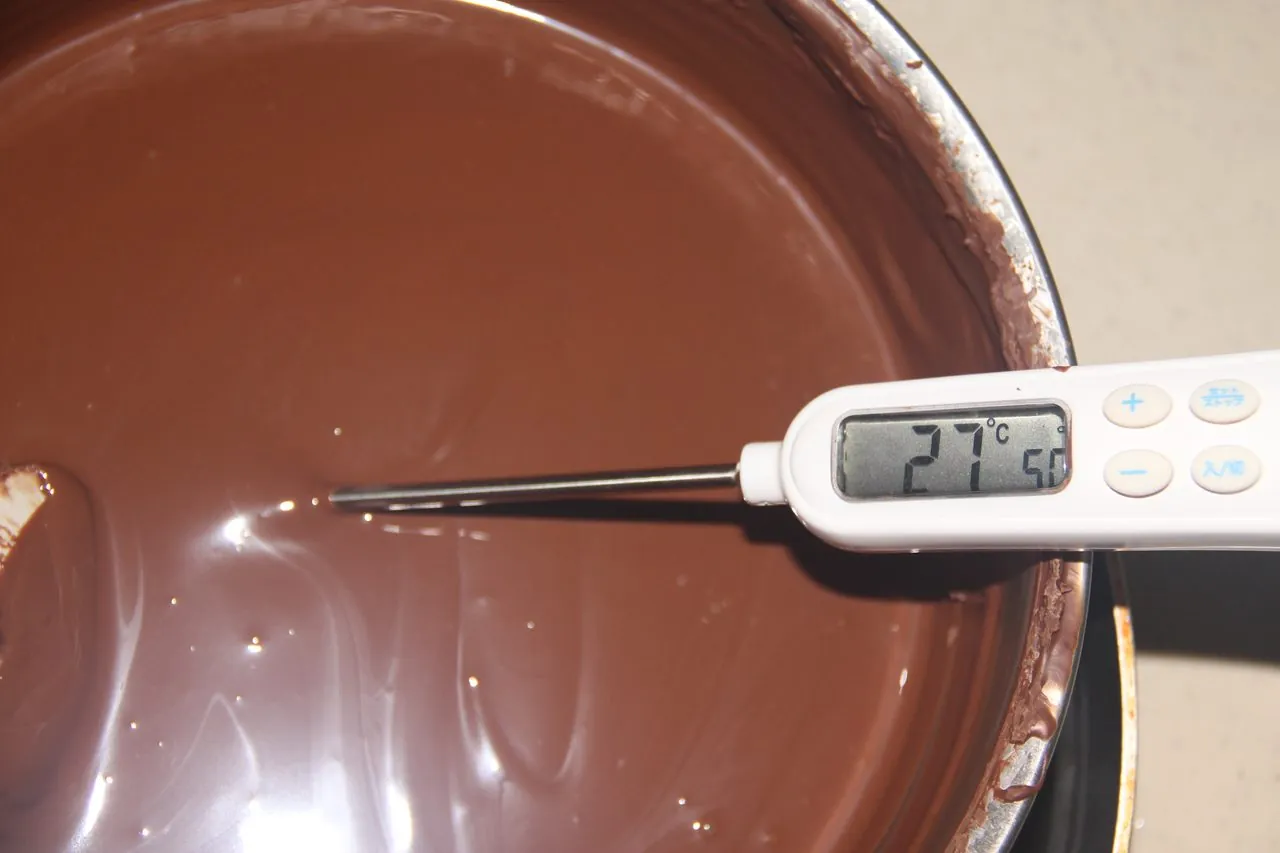
Tempering Chocolate: The Crystal Trick Behind That Snap
Match melting, cooling and working temperatures to dark, milk or white chocolate. Manufacturer curves and a small setting test guide the process.
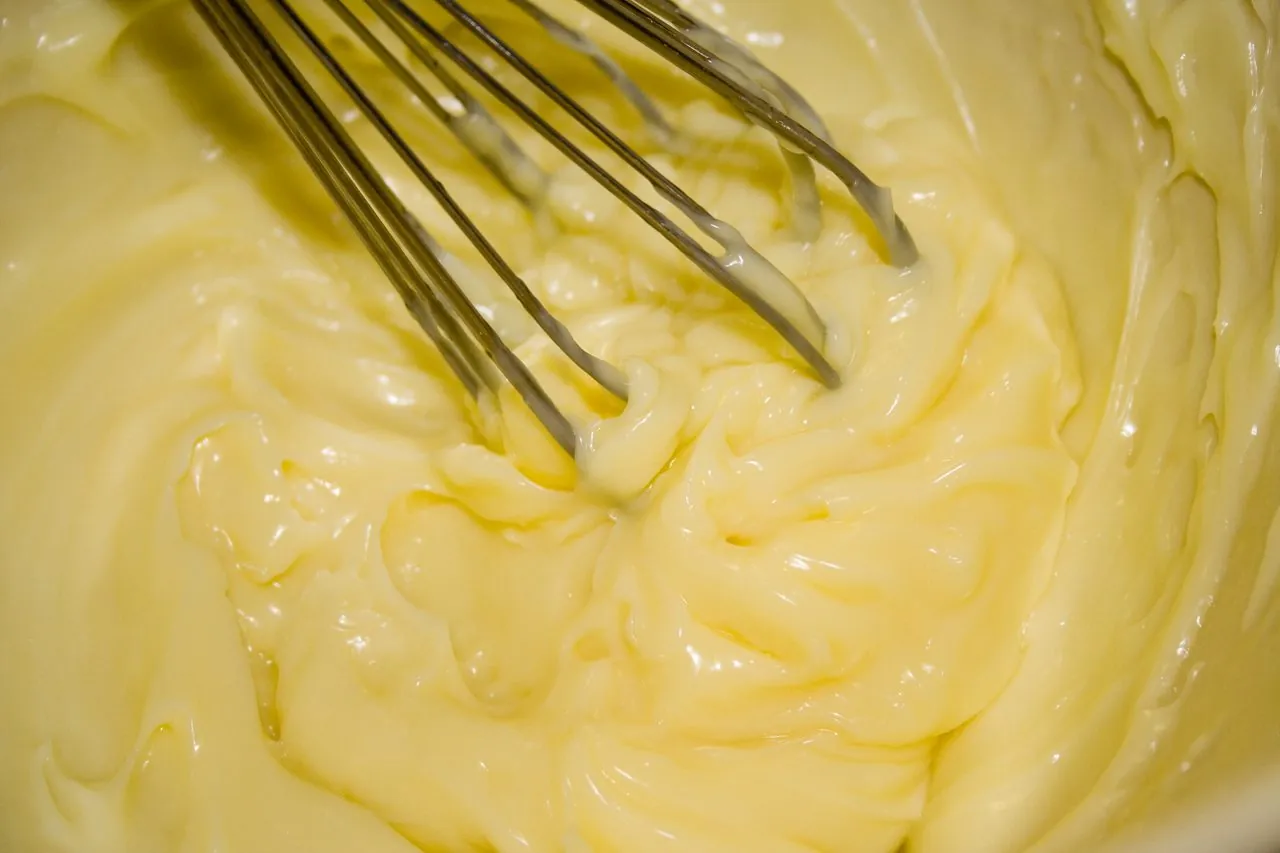
An immersion blender can emulsify a small batch of mayonnaise in about thirty seconds once the ingredients and jar are ready. Ingredient balance, vessel size and blender position all affect success. Mayonnaise is not a sauce thickened by egg the way custard is set by it; it is oil hiding inside a few drops of water, held there by lecithin, the emulsifier in the yolk. Once you see it that way, the recipe's strange rules — the slow oil at first, the mustard, the fixes for a broken batch — stop being superstition and become physics.
Oil and the watery phase of lemon juice are, chemically, strangers: one repels the other without a mediator. An emulsion forces them together as millions of microscopic droplets of one suspended in the other. Lecithin is the mediator. Its molecules carry a water-loving head and an oil-loving tail, so they arrange themselves around each oil droplet — tails inward, heads outward — forming a skin that keeps the droplets from merging back into a slick.
Temperature plays a supporting role: ingredients at room temperature flow and coat more readily than cold ones, which is why recipes ask you to take the egg and lemon out of the refrigerator ahead of time. Cold oil is thick and sluggish; warm oil cooperates — but never hot, or it will cook the yolk.
The ratio sounds impossible until you remember the yolk is only scaffolding: one yolk can emulsify about a cup — 240 milliliters — of oil in a typical home formula; that is a recipe proportion, not a universal maximum capacity. Mustard helps, contributing its own stabilizing compounds and a little body, which is why classic recipes include a teaspoon even when they never mention its flavor. What the emulsion cannot tolerate is speed at the start: droplets form one at a time, and pouring oil in faster than the lecithin can coat it is how sauces break.
For speed and near-infallibility, the immersion blender in a tall, narrow jar has replaced the whisk, and the method is almost embarrassingly simple:
The jar matters as much as the blender: a tall, narrow vessel forces all the oil through the blade's path, so nothing escapes emulsification. A wide bowl leaves oil orbiting the edges, which is how half a cup ends up unincorporated while the base turns rubbery.
The blender hides the lesson; the whisk reveals it. Whisking mayonnaise by hand, you add the oil drop by drop for the first several spoonfuls, whisking each into the yolk completely before adding more. Those first drops form the seed emulsion, a dense paste that will anchor everything after. Only once it visibly thickens do you graduate to a thin, steady stream. Cooks who break mayonnaise almost always rush this opening act.
A broken mayonnaise announces itself: grainy, weeping, with a visible layer of oil pooled above the mess. It happens when oil enters faster than the lecithin can surround it, or when the mixture swings too cold or too hot mid-build. Nothing is lost; the oil is merely unorganized.
The classic rescue builds a fresh foundation: a clean bowl with a new pasteurized yolk — or, for a lighter fix, a teaspoon of water — and then the broken sauce is whisked in slowly, a spoonful at a time, exactly as if it were the oil. The stray droplets find fresh surface to attach to, and the sauce comes back together within minutes. The same trick rescues an over-thinned batch: build a small new emulsion and whisk the loose one into it.
Prevention is cheaper than rescue: room-temperature ingredients, mustard in from the start, and patience with the first quarter of the oil will spare you almost every broken batch. Save the rescue skills for the day the blender slips or the oil gets away from you.
Fresh mayonnaise is a foundation, not a destination. Season it with salt first, then adjust with acid: lemon juice and vinegar both thin the sauce slightly and brighten it, and a sauce that seems too thick usually wants more acid rather than more water. Thin it further with a splash of water for a pourable dressing, stir in garlic for aioli, or fold in crumbled blue cheese for a steak-house dip. Chilling firms it for a few hours; keep it refrigerated and use it within a few days.
Use pasteurized shell eggs or pasteurized egg products for mayonnaise that will be eaten without cooking. The freshest ordinary egg can still carry Salmonella; freshness is not a substitute for pasteurization. Keep the finished sauce refrigerated at 40 F (4 C) or below, use clean utensils, make a small batch and serve promptly. Lemon juice added to taste does not establish a validated acidification process or shelf life. Discard perishable food left at room temperature for over two hours, or one hour above 90 F (32 C).
A stable emulsion and a safe ingredient are separate requirements. The blender can break oil into fine droplets; it cannot make an unpasteurized egg free of Salmonella. Start with pasteurized egg, a clean narrow vessel and a blender head that can sit flat over the egg. The oil needs to pass through the active blending zone rather than circling outside it.
If the mixture stays thin, stop and inspect the setup before pouring in more oil. A vessel much wider than the head may leave the initial emulsion too diluted. A new pasteurized yolk in a clean vessel can provide another foundation, with the failed batch introduced gradually. This rescues texture only; it cannot rescue ingredients that were mishandled or held warm too long.
Make only what you expect to use promptly. Write the preparation date on the container and keep it refrigerated. A pleasant smell, thick consistency or extra squeeze of lemon does not demonstrate a validated storage life. For a picnic or a situation without reliable cold holding, choose a commercially produced alternative and follow its label.
Use pasteurized eggs; freshness alone does not control Salmonella risk.
Match melting, cooling and working temperatures to dark, milk or white chocolate. Manufacturer curves and a small setting test guide the process.
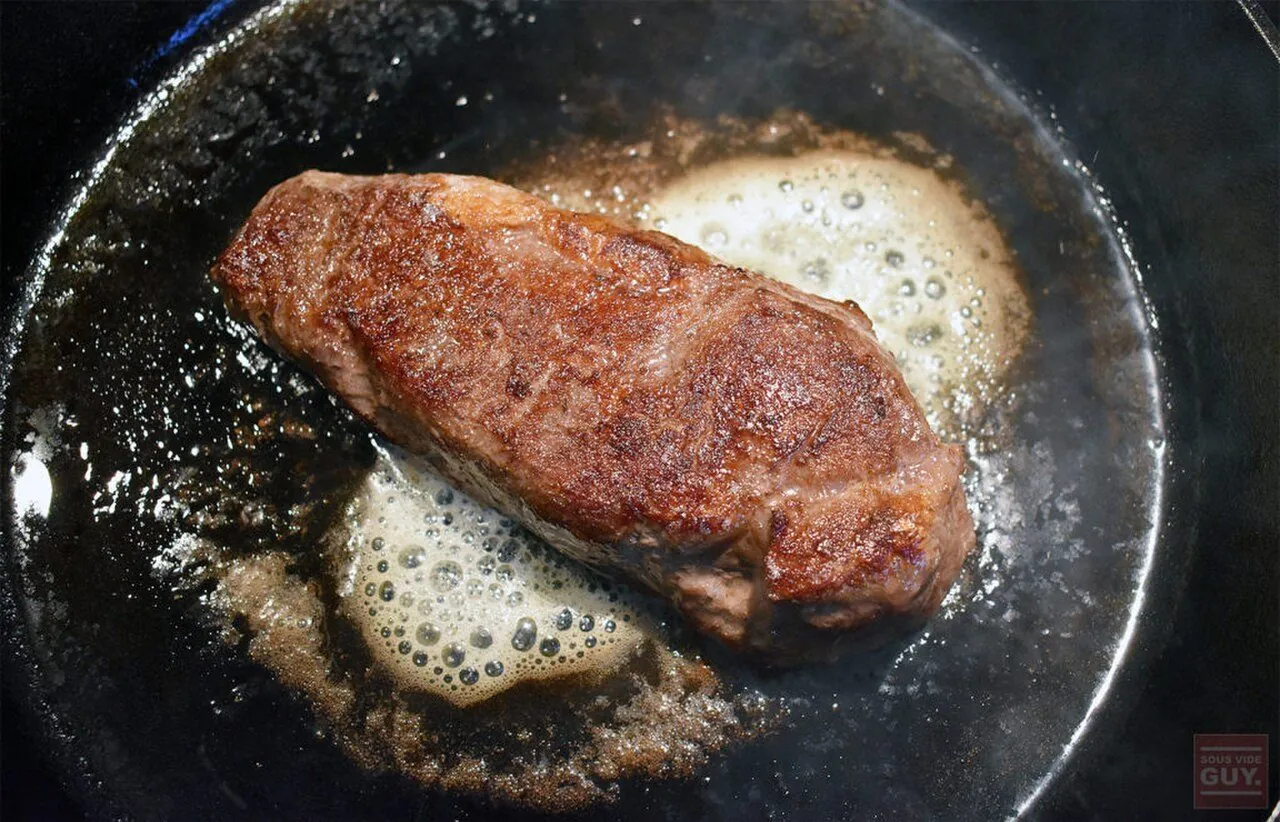
It starts around 285 degrees and it is not caramelization. The chemistry of browning, and the dry-heat rules that make it happen faster.
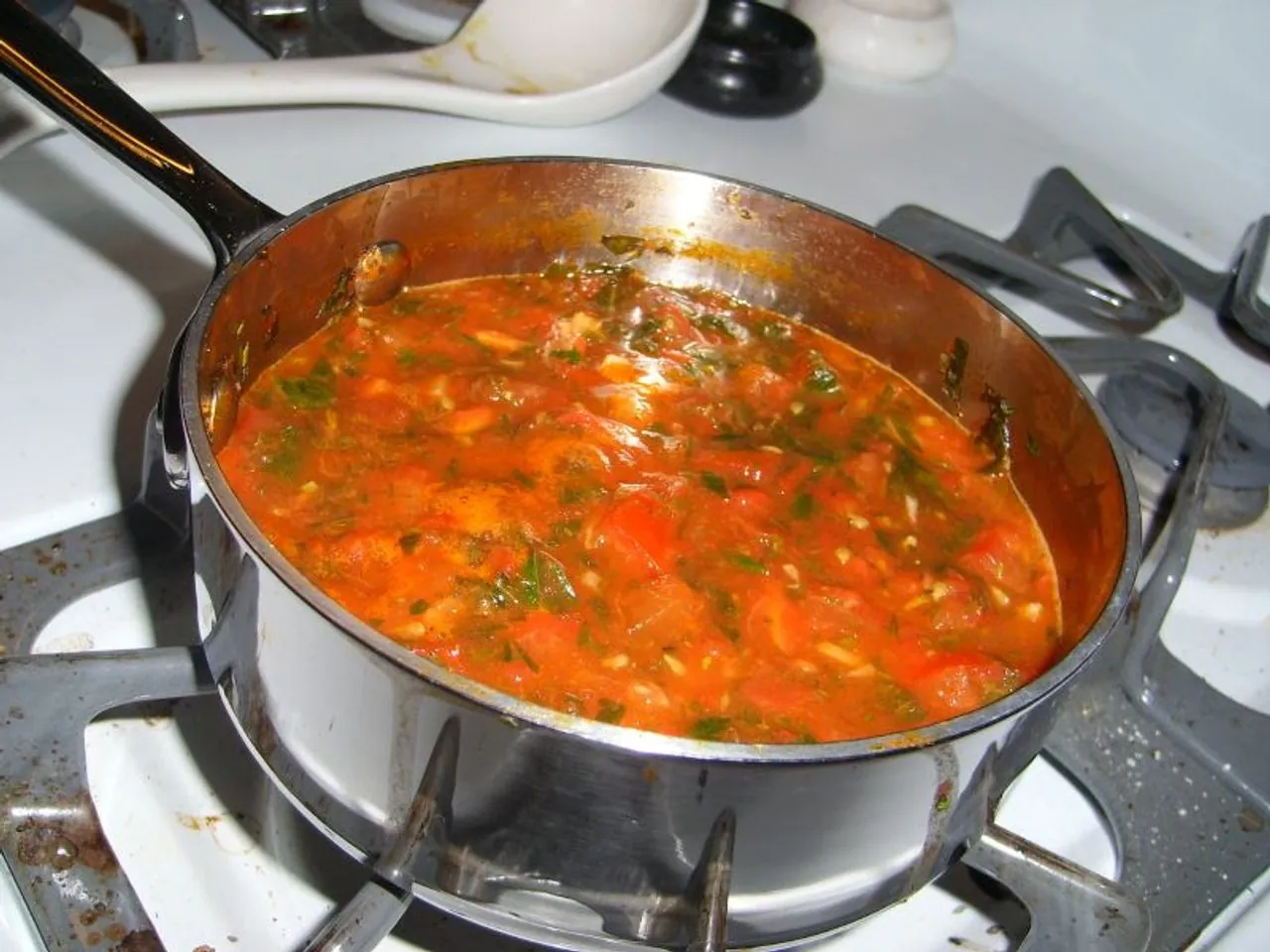
Five ingredients, three minutes and the fond already in your pan: the ratio-based pan sauce formula that fixes any weeknight protein.