Nobu: How One Chef’s Menu Became a Global Empire
How Matsuhisa, Robert De Niro and their partners built Nobu from a restaurant partnership into an international dining and hotel network.
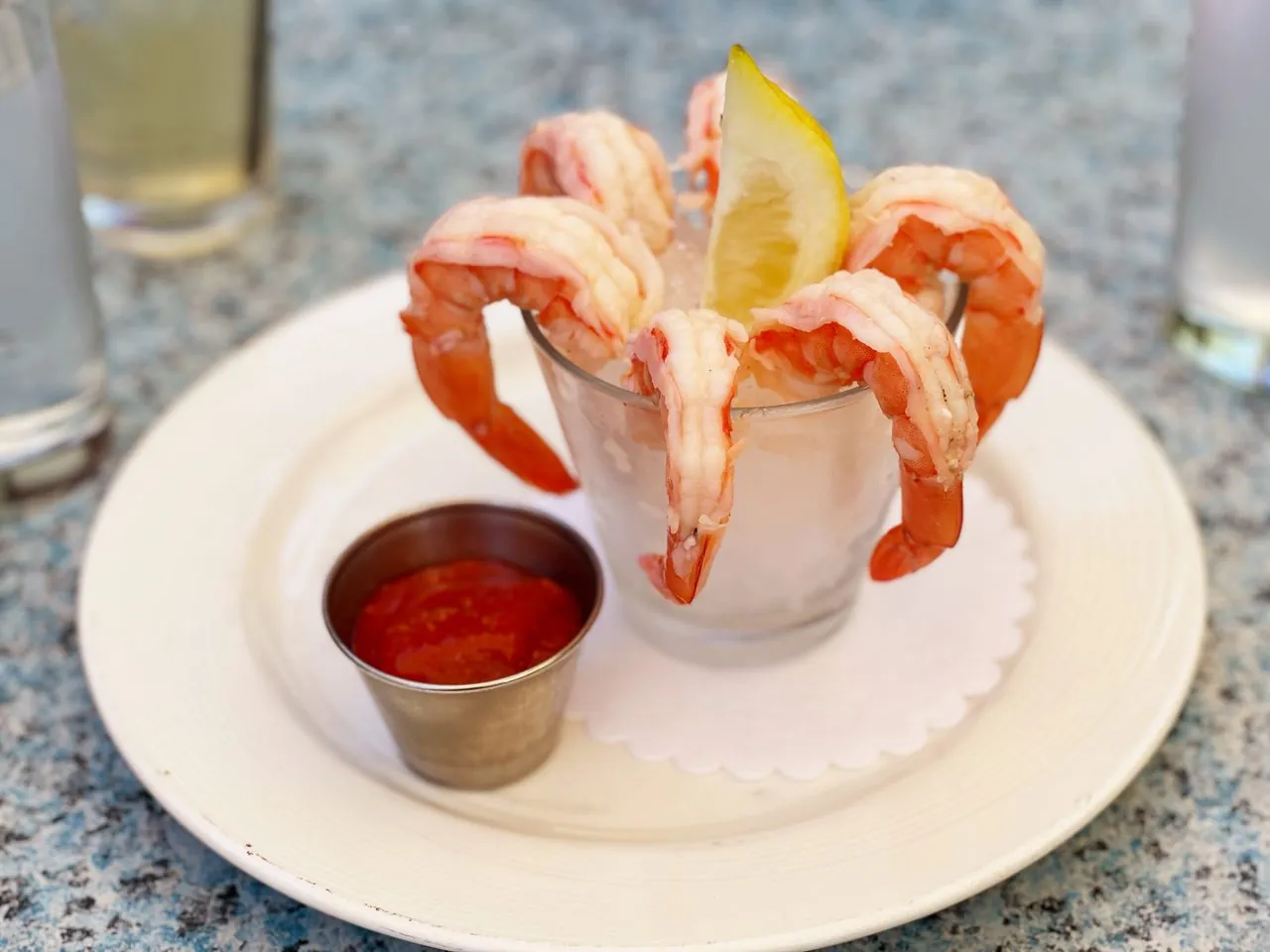
St. Elmo Steak House dates its Indianapolis business to 1902 and identifies its horseradish-heavy shrimp cocktail as a signature from its early history. The restaurant's own chronology provides the foundation for this account. The useful questions are how a simple starter became an identity, what creates its particular heat and which parts of its sporting reputation can be documented without inventing private player rituals.
St. Elmo opened in 1902 in downtown Indianapolis, and it has never left — one of the oldest steak houses in the United States still operating at its original location. That longevity is the foundation of everything else about the place. The dining room has fed the city through more than a century of its history: the boom years, the Depression, the decades when downtowns across America emptied out, and the years when Indianapolis rebuilt its core around the old landmarks it was lucky enough to still have. St. Elmo outlasted all of it, serving steaks and stiff drinks while the city rose, fell and rose again around its doors. The bar has a gravity of its own, the downtown location makes it the default stage for the city’s celebrations, and by the time a new century arrived the restaurant was less a business than a piece of civic furniture. You do not so much dine at St. Elmo as visit an institution that happens to cook.
None of this is to suggest the restaurant is a museum. The steaks are serious, the bar is busy, and the servers — many of whom have worked the room for decades — carry the particular confidence of people who have heard every request and fulfilled most of them. There are booths and white tablecloths and the unhurried rhythm of a room that has never once chased a trend out of fashion. But the truth is that for thousands of visitors the menu’s headline act is not the beef. It is an appetizer: a stack of chilled shrimp arranged in a goblet beside a dish of the house sauce, ordered almost ritually by tables who know exactly what is coming. The shrimp themselves are excellent, cold and clean, which is precisely the point — they are the delivery system, not the main event.
The cocktail sauce is built on fresh horseradish, grated so recently that its volatile heat is fully intact, folded into a tomato base and seasoned hard. The result is not spicy in the chili sense; nothing about it burns so much as detonates. The heat goes straight up the nose and arrives in the sinuses like a struck match, then fades, leaving you oddly invigorated and already reaching for the next shrimp. First-timers are easy to spot — they are the ones whose eyes are streaming two bites in — and the staff has watched the scene play out with patient, practiced amusement. The horseradish root is the whole story. Its heat is a living chemistry that begins fading the moment the root is grated, which is why the sauce made an hour ago is a different substance from the sauce made that morning. The recipe is disarmingly simple, which is exactly the point: the power is in the freshness, and freshness cannot be faked or preserved.
Everyone who attempts the dish learns the same unwritten rules:
The restaurant has a public association with Indianapolis football: it advertises Colts home-game tailgate service and includes the shrimp cocktail in that setting. That documented connection is sufficient to explain how a local institution participates in game-day dining. It does not establish a particular playoff superstition, a private team ritual or the reactions of unnamed players. For a visitor planning a match-day meal, check the restaurant's current service information and leave enough time for the event rather than relying on a legend about when athletes supposedly eat there.
The official history is a useful anchor for the opening date, original building and signature dish. It is also a restaurant telling its own story. Praise about an entire city's loyalty or every guest's reaction should be read as colour, not as a measured result. A historical feature can describe reputation without pretending its writer visited a particular service.
For someone deciding whether to order the cocktail, the important distinction is that horseradish heat is largely nasal and can feel different from chilli heat. Ask staff about the preparation and intensity rather than assuming the dish behaves like a mild bottled tomato cocktail sauce. Shrimp is a shellfish allergen, and sauces may contain additional ingredients that matter to a diner with allergies.
A sports association does not establish a player's private ritual. Keep documented public events separate from anonymous anecdotes about a dressing room or a lucky pre-game meal. Check the current menu and booking details directly with the restaurant: a century-old opening date stays fixed, while prices, hours and service arrangements do not.
History and menu character are based on the operator's account, not an anonymous dining visit.
How Matsuhisa, Robert De Niro and their partners built Nobu from a restaurant partnership into an international dining and hotel network.
Jiro Ono trained a generation of sushi masters from a ten-seat subway-adjacent shop. Why the Michelin guide eventually stopped listing it.
Edible balloons, food painted on the table, a course served on a trapeze. Grant Achatz’s Alinea turned dinner theater into fine dining.