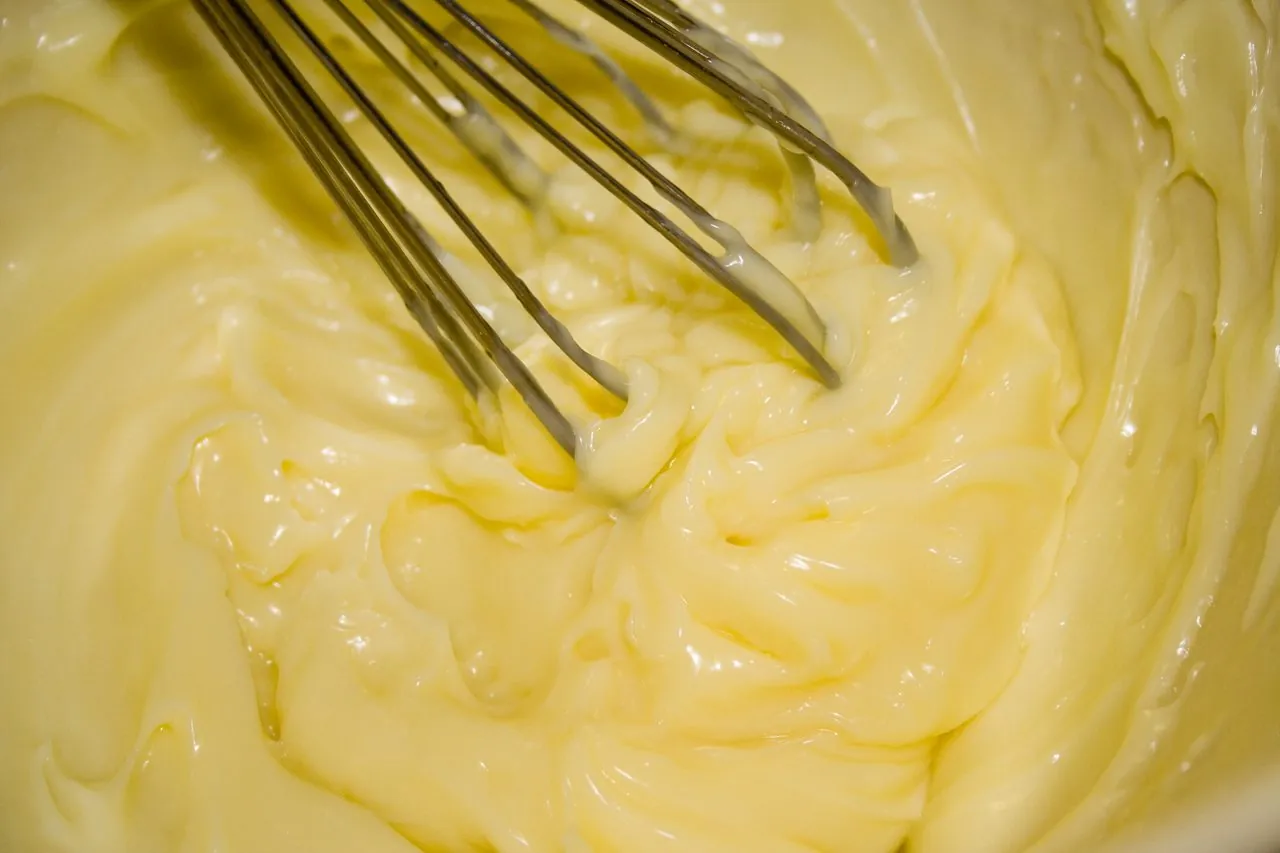
The 30-Second Mayonnaise: Emulsion Science in a Jar
One yolk can carry a full cup of oil — if you understand lecithin. The immersion-blender mayonnaise method and how to rescue a broken one.
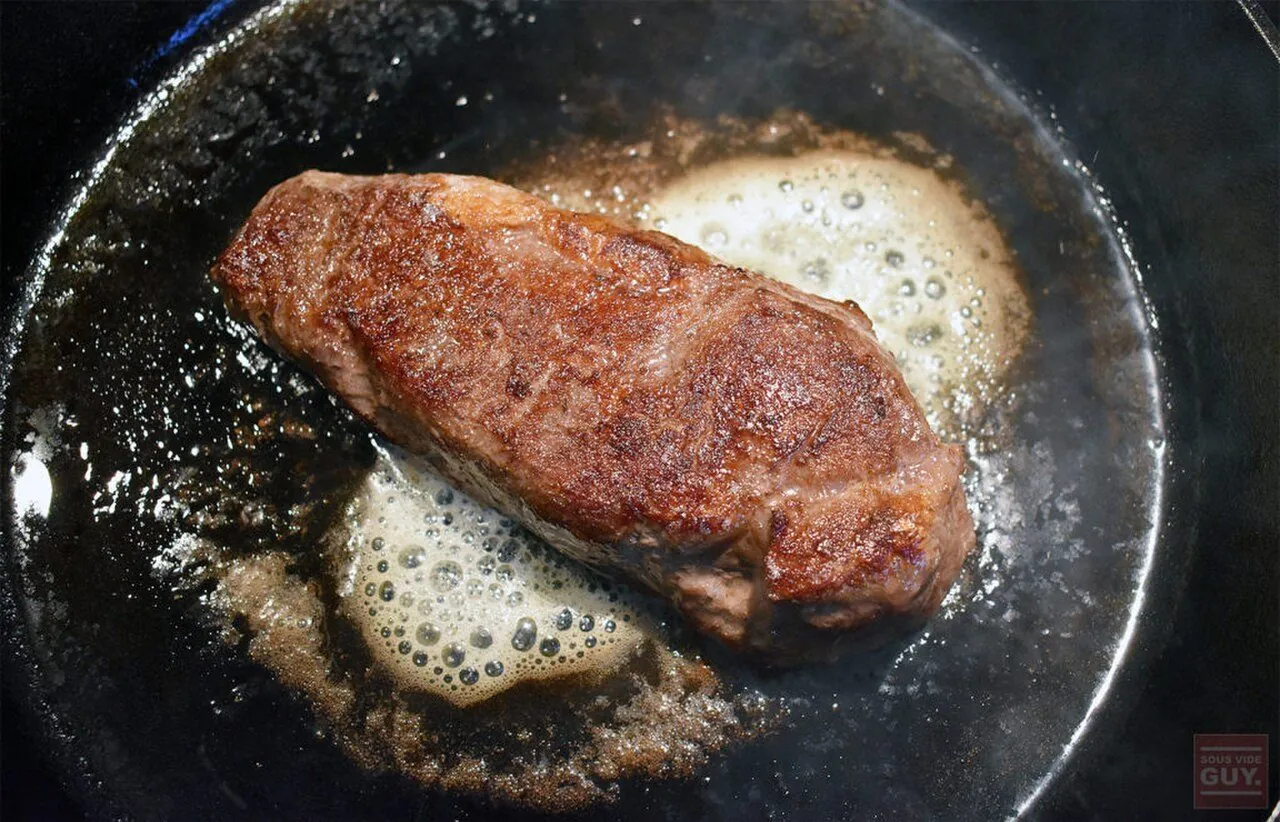
Browning is the most reliable flavor upgrade in cooking. A pale boiled chicken breast and a golden roasted one contain the same ingredients, yet they taste like different animals. The transformation has a name, a chemistry and a birthday: the Maillard reaction, described by a French chemist in 1912, is responsible for the crust on a steak, the toast on bread, the depth of roasted coffee and the color of a proper burger. It is also the reaction most often confused with caramelization, and the distinction is worth ten minutes of anyone's attention.
In 1912, Louis-Camille Maillard, a French physician and chemist, described what happens when amino acids and sugars are heated together: a browning reaction that generates new, complex molecules that neither ingredient contained on its own. His name has been attached to the chemistry ever since. The Maillard reaction is not a single reaction but a cascade — amino acids, the building blocks of proteins, react with reducing sugars at elevated temperatures, and the products keep reacting, branching into hundreds of distinct flavor and aroma compounds along with brown pigments called melanoidins.
Melanoidins are the color; everything else is the smell. Roasted, toasted, nutty, meaty, malty and savory notes all flow from Maillard chemistry, which is why its fingerprints appear across such different foods: bread crust, seared meat, roasted vegetables, coffee, beer, soy sauce and chocolate all owe their depth to the same family of reactions. Most of the flavors cooks chase hardest are, chemically speaking, Maillard flavors.
The most common kitchen confusion files all browning under the word caramelization. The two are distinct processes. Caramelization is the browning of sugar alone — sugar heated until it breaks apart and recombines into brown, bitter-sweet compounds — and it becomes significant around 320 degrees Fahrenheit, or 160 degrees Celsius. The Maillard reaction requires both partners, amino acids and reducing sugars reacting together, and it becomes significant at lower heat, around 285 degrees Fahrenheit, or 140 degrees Celsius.
The distinction has practical consequences. Onions are sugar-rich and protein-light, so their long, slow browning is substantially Maillard chemistry and caramelization working in tandem. A steak is nearly the opposite — protein-rich and sugar-poor — so its crust is overwhelmingly Maillard. These are useful ranges for rapid kitchen browning, not hard chemical thresholds. Maillard reactions can proceed at lower temperatures over longer periods, and pH and water activity change their speed.
During a fast sear at ordinary atmospheric pressure, abundant free surface water tends to hold the wet surface near its boiling point, around 212 F (100 C). The Maillard zone begins near 285. The gap is unforgiving — a wet surface sits more than 70 degrees below the browning threshold, and the pan's energy goes into evaporating water instead of building flavor. This is why steamed and poached foods never brown, and why wet meat dropped into a hot pan gray-stews in its own juices instead of searing.
Every browning strategy therefore starts with drying the surface. Pat proteins dry with paper towels before they meet the pan. If time allows, salt in advance and let the surface air-dry in the refrigerator; the salt draws moisture out, and the exposed surface dries into a concentrated, seasonable crust-in-waiting. A dry surface crosses the browning threshold in seconds rather than minutes, which carries a second benefit: less time on the heat means less overcooking underneath the crust.
Three variables control the reaction in practice: heat, moisture and crowding. High heat is the obvious one — a screaming-hot pan, a preheated grill, a 450-degree oven. Moisture is the drying discipline above. Crowding is the subtle one: fill a pan with too much food and each piece releases moisture faster than the pan can boil it away. The collective steam raises the humidity around every piece at once, and the whole batch stews gray instead of browning. Two uncrowded rounds beat one crowded one, every time.
Pressure cooking is an important exception to the simplistic dry-surface rule. A closed cooker raises the boiling temperature, and suitable conditions can promote Maillard browning inside moist food. Modernist Cuisine's pressure-cooked carrot soup uses elevated temperature and a small amount of baking soda to accelerate browning. An ordinary wet braise may still benefit from searing, but it is wrong to say that a pressure cooker can never produce these reactions.
Because Maillard compounds are built from amino acids, protein-rich foods brown most dramatically, but the reaction rewards almost anything that can climb past 285 degrees with a dry surface: the char on roasted broccoli, the mahogany of toasted bread, the crackle on the edge of a pizza. And the reaction pays twice. The browned residue left on a pan after searing — the fond — is concentrated Maillard material, which is why deglazing it into a pan sauce captures browning's flavor a second time.
The practical summary fits on an index card:
Drying a steak is useful because free surface water slows the temperature rise during a fast sear. That practical advice survives without claiming that Maillard chemistry switches on at one exact temperature. Reaction rate depends on temperature, reactants, pH and water activity; a rule about rapid browning in a frying pan does not describe every food process.
Use the rule when you can act on it: pat food dry, leave room in the pan and give the cooking surface time to recover between batches. If liquid is collecting around the food, remove some food or wait for water to evaporate before expecting a crust. Turning the burner higher while a crowded pan floods is not always the effective correction.
Use a different explanation for a pressure-cooked vegetable preparation. Elevated temperature and altered pH can accelerate browning in a moist environment. Modernist Cuisine's carrot soup is an example with a defined procedure. Do not improvise large additions of baking soda merely to chase colour: flavour and texture change too, and the quantity belongs to the recipe.
The commonly quoted temperature range describes rapid cooking browning, not a hard lower reaction threshold.
One yolk can carry a full cup of oil — if you understand lecithin. The immersion-blender mayonnaise method and how to rescue a broken one.
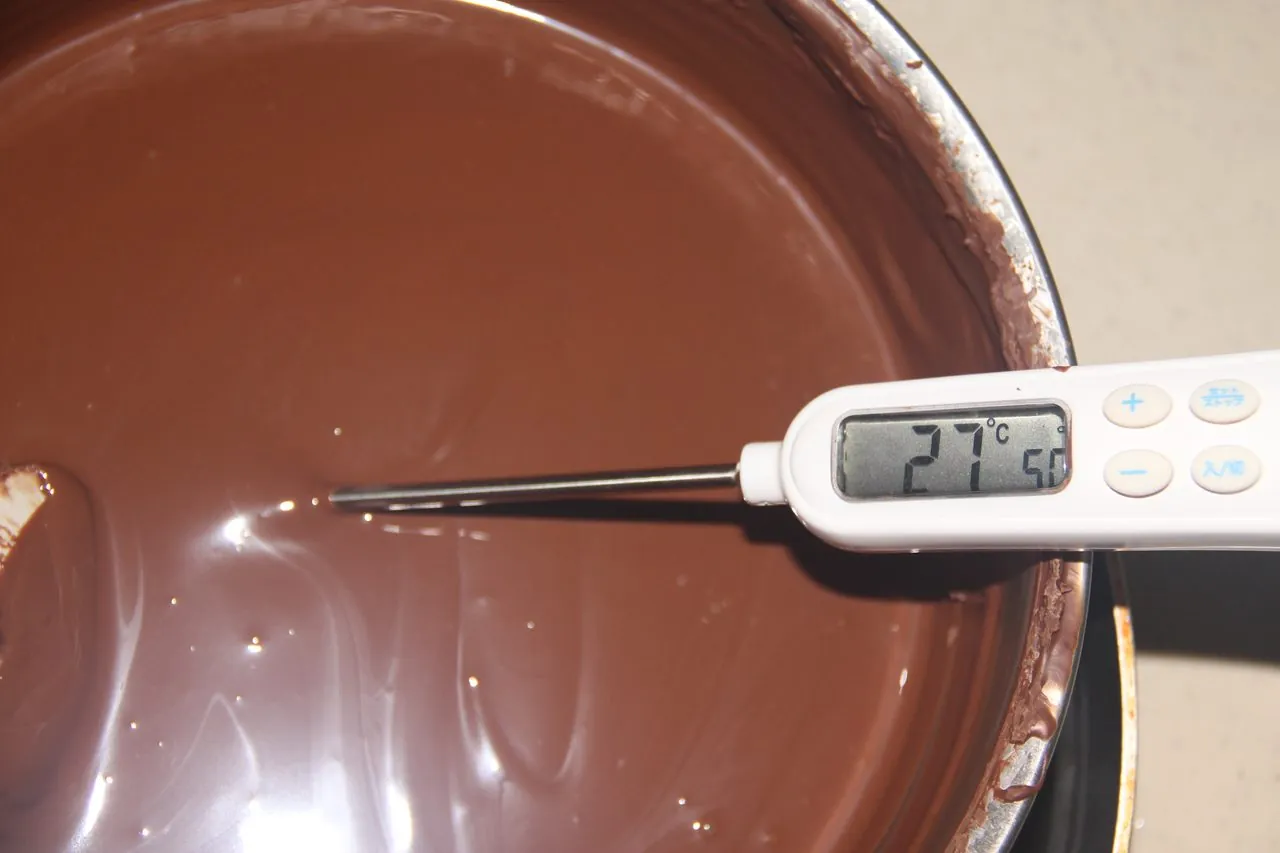
Match melting, cooling and working temperatures to dark, milk or white chocolate. Manufacturer curves and a small setting test guide the process.
Five ingredients, three minutes and the fond already in your pan: the ratio-based pan sauce formula that fixes any weeknight protein.