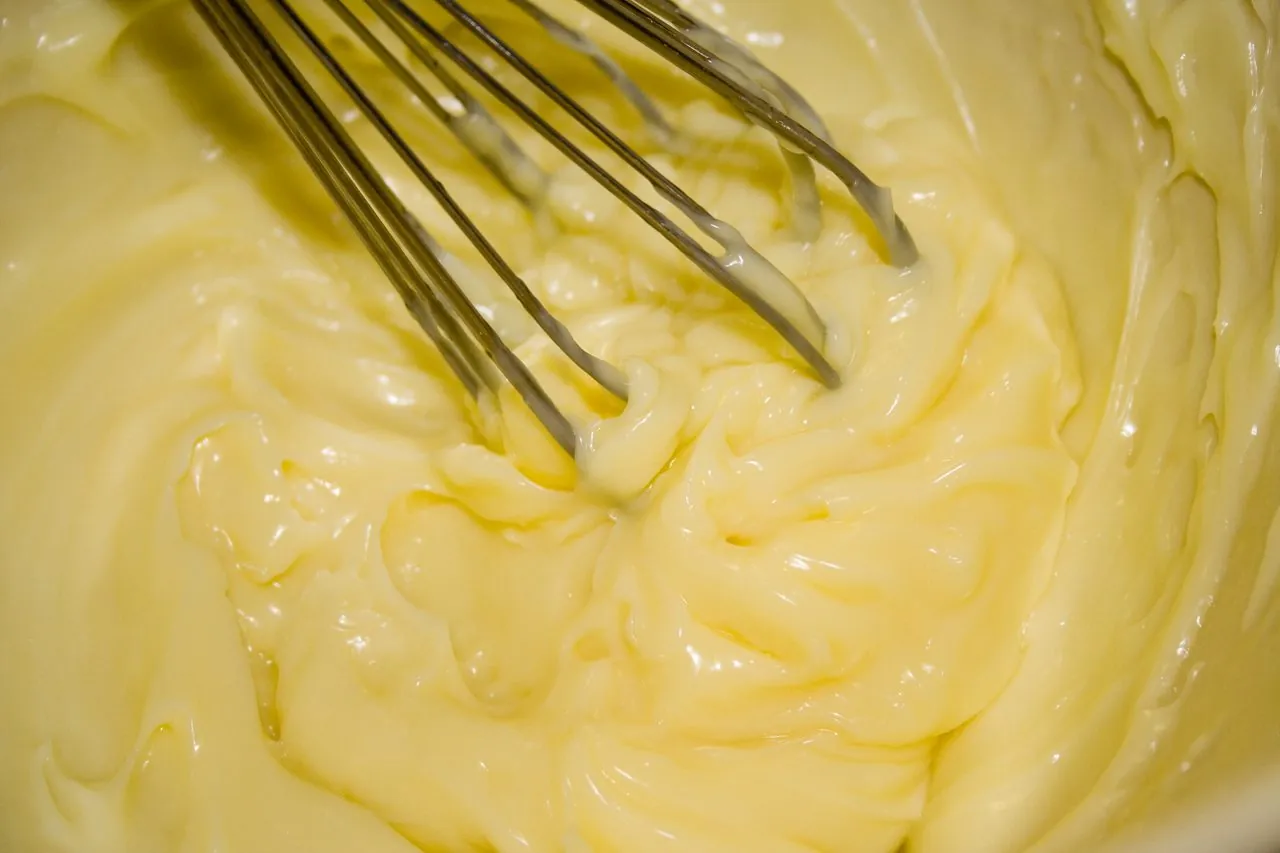
The 30-Second Mayonnaise: Emulsion Science in a Jar
One yolk can carry a full cup of oil — if you understand lecithin. The immersion-blender mayonnaise method and how to rescue a broken one.
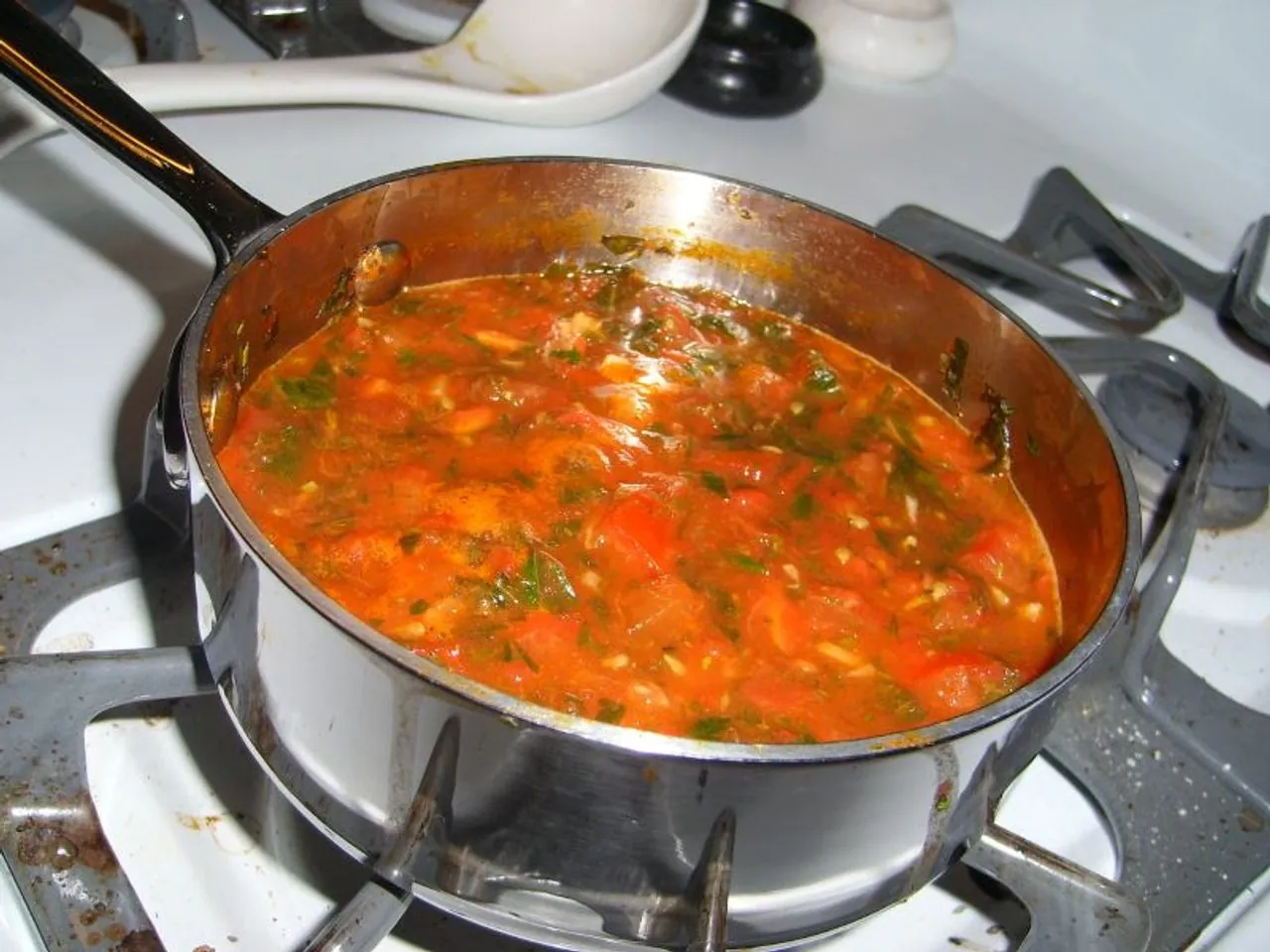
The difference between a Tuesday pork chop and a restaurant plate is about three minutes and one pan. A pan sauce — built in the very skillet that cooked the protein, out of the browned residue most cooks scrub away — is the highest-return technique in home cooking. Five ordinary ingredients, a splash of wine or stock, a knob of cold butter, and dinner acquires a finish that tastes like it took far longer than it did.
When a steak or a chicken thigh sears in a hot pan, the proteins and sugars on its surface brown and leave a crust of residue stuck to the metal. French cooks call it the fond — literally the base — and it is not a mess to be cleaned but the most concentrated flavor in the dish. Every bit of that browning is distilled protein and sugar from the meat itself, which is why a sauce built on it tastes more like the main ingredient than anything poured from a bottle.
One distinction matters: brown is flavor, black is regret. Fond should be deep mahogany; if the residue has gone truly black and acrid, no amount of wine will rescue it, and the honest move is to wash the pan and start the sear over.
A heavy stainless skillet is the classic vehicle: it holds heat for a real sear, and its grip on the residue is exactly strong enough that a wooden spoon and bubbling liquid can reclaim it. Nonstick pans resist browning and release everything; with one of those, you will be making sauce without its best ingredient.
The sequence never changes, whichever protein started it:
Watch the sauce, not the clock: when the bubbles grow larger and the trail lingers behind a spoon drawn across the pan's bottom, the reduction is close. Sauces thicken further as they cool, and again once the butter goes in, so stop slightly thinner than the finished texture you want.
Butter is not just richness; it is texture. Whisking cold butter into a warm sauce at the end — chefs call it mounting — emulsifies the milk fat into the reduced liquid, thickening it and giving it the glossy sheen that separates a sauce from a thin jus. The pan comes off the heat first because a sauce that boils after the butter goes in can split, the fat separating into oily halos. Gentle heat finishes; violent heat breaks.
Meanwhile, the rested protein is quietly improving. Resting lets the muscle fibers relax and the juices redistribute, so that when the steak is finally sliced, its juices stay on the board — and the sauce spooned over it stays on the fork. The timing works out: by the time the sauce reduces and mounts, the meat has had its five minutes.
Think in proportions and the technique becomes an endless set of variations. A reliable baseline is roughly a quarter cup of liquid per serving, reduced by half. Red wine and a shallot for steak. White wine, lemon, and capers for chicken cutlets or fish. Stock with a spoonful of mustard and thyme for pork chops. Cider for sausage. The formula flexes; the sequence does not.
No alcohol in the house? Stock alone, with a wider splash of acid at the end, still makes a respectable sauce; the fond carries more flavor than any liquid you could pour on it.
Wine and stock are better partners than either is alone: wine contributes acidity and aroma, stock contributes body and savor. All wine and the sauce can taste sharp; all stock and it can taste flat. Half and half is the dependable middle path, and even humble canned broth works fine once reduction concentrates it.
If the sauce is too thin, the answer is almost always more reduction, not more butter; keep simmering until it coats the back of a spoon. If it looks greasy or broken, take it off the heat and whisk in another small knob of cold butter to bring the emulsion back together. If it tastes too sharp, a pinch of salt and that final pat of butter will round it. Taste before seasoning — reduction concentrates salt along with everything else.
For two portions cooked in a suitable skillet, start with roughly 120 ml unsalted stock and wine combined, a small finely chopped shallot and 15–30 g cold butter. Those are practical starting amounts, not an independently tested optimum. Salt in the fond and evaporation can make a small pan sauce intense very quickly, so taste before adding more seasoning.
If it is thin, reduce the liquid before mounting with butter. If it tastes too salty, add unsalted liquid and accept a larger sauce rather than reducing harder. If it separates after butter is added, take it off the heat and whisk in a little cool water to help the emulsion recover. Adding more butter blindly may make an already fatty sauce worse.
Use a pan where the browned residue is edible and not blackened. Return any resting juices to the sauce if appropriate, but keep raw-meat utensils separate. The sauce's brief reduction does not prove that a piece of undercooked poultry left resting beside it has reached a safe temperature.
Reduction times depend on pan width and liquid volume; butter emulsification does not replace food-safety cooking.
One yolk can carry a full cup of oil — if you understand lecithin. The immersion-blender mayonnaise method and how to rescue a broken one.
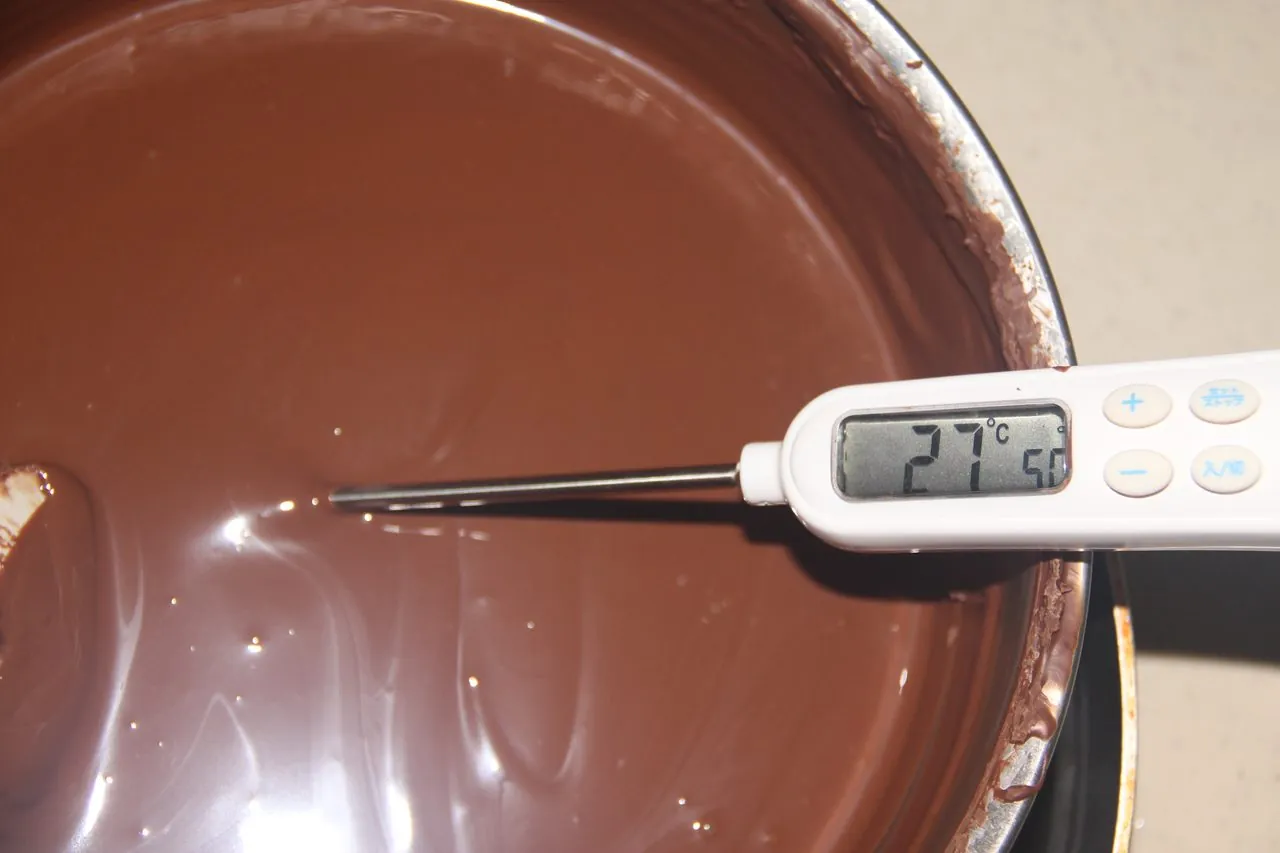
Match melting, cooling and working temperatures to dark, milk or white chocolate. Manufacturer curves and a small setting test guide the process.
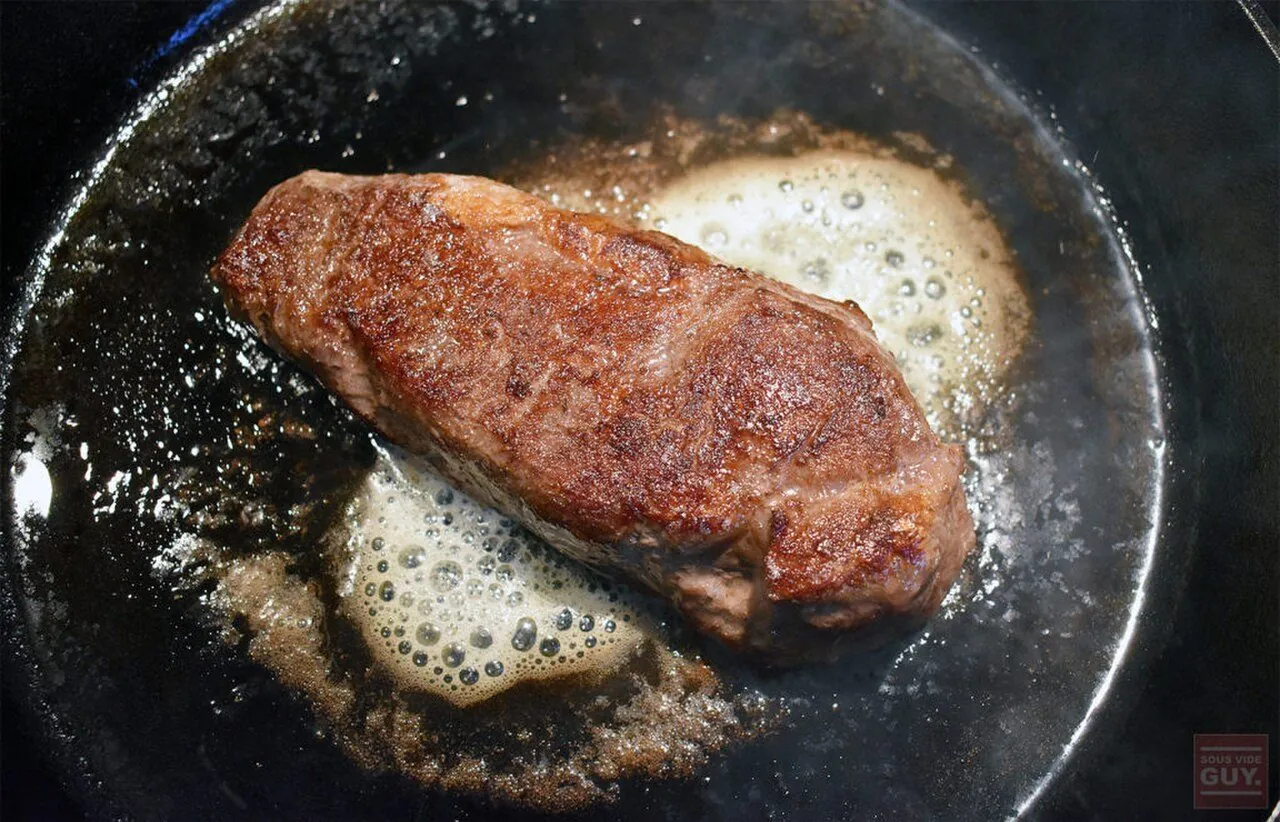
It starts around 285 degrees and it is not caramelization. The chemistry of browning, and the dry-heat rules that make it happen faster.