The 30-Second Mayonnaise: Emulsion Science in a Jar
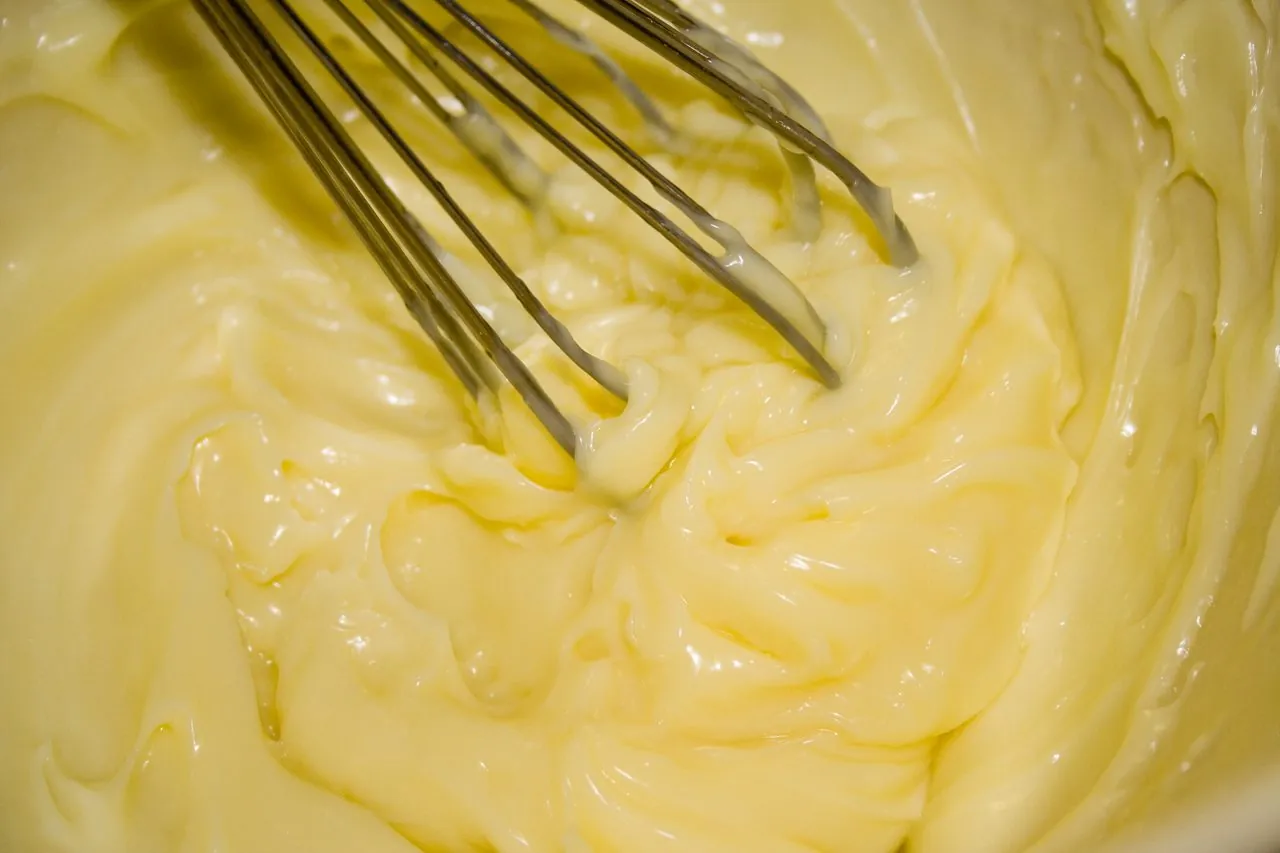
One yolk can carry a full cup of oil — if you understand lecithin. The immersion-blender mayonnaise method and how to rescue a broken one.
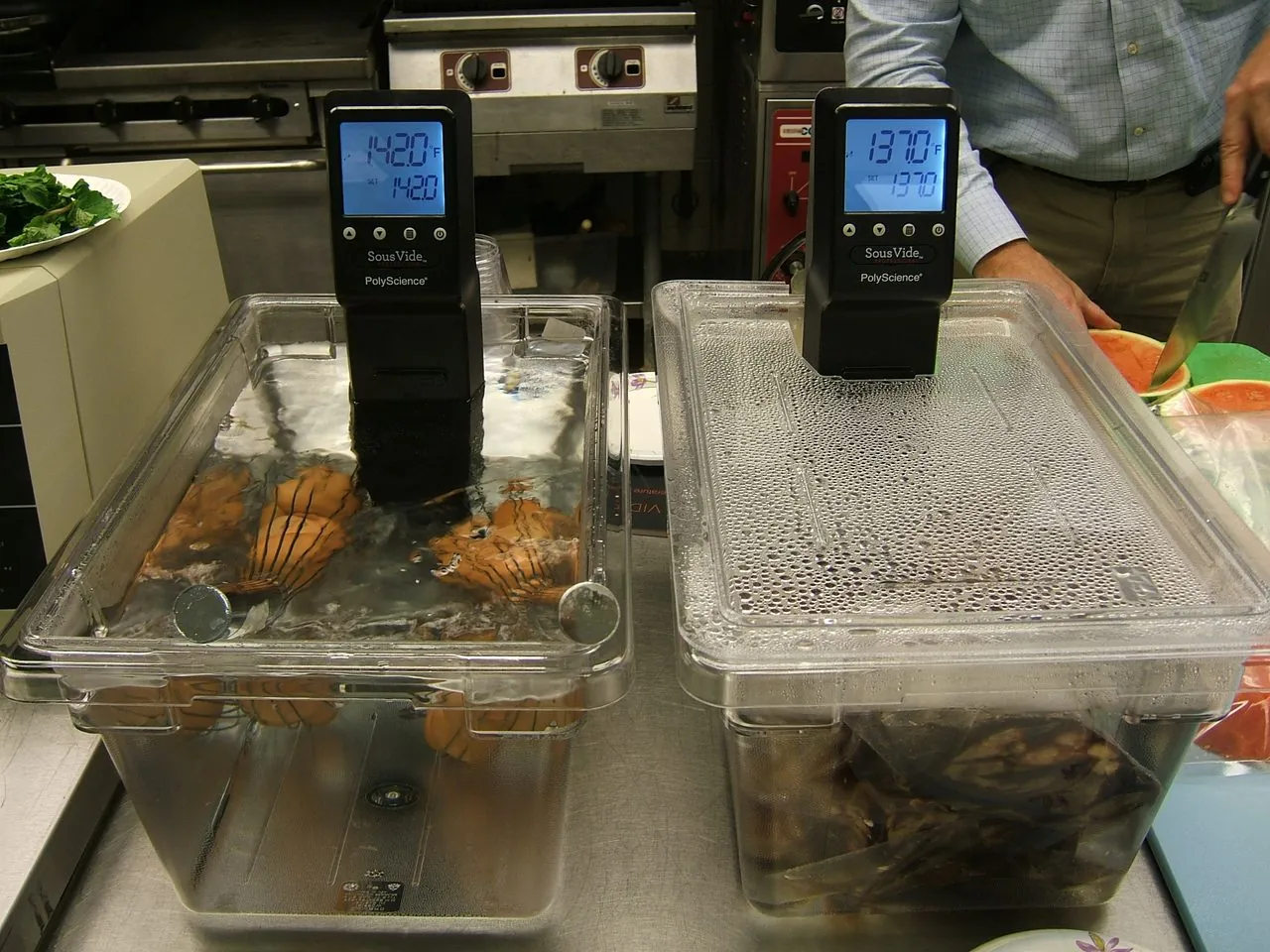
There is a moment in every sous vide conversion when the doubt gives way. The steak comes out of the water bath, gets a hard sear in a screaming-hot pan, and is cut open to reveal edge-to-edge rosiness, exactly as promised. No gray band, no guesswork. Cooking sealed food in a precisely heated bath is not a gadget gimmick; it is the closest thing a home kitchen has to the temperature control of a laboratory, and the whole promise rests on knowing which numbers to set. This guide collects the reference temperatures that matter, along with the times that make them safe.
Conventional searing and roasting are exercises in timing because the heat source is far hotter than the target. A five-hundred-degree pan will drive a steak past medium-rare in the time it takes to brown it, which is why every grilling method relies on pulling the meat early and hoping carryover cooking lands in the right place.
Sous vide removes the guessing by never overshooting. The bath holds a temperature identical to the desired final internal temperature, so the food can approach that number but never exceed it. A steak held at a suitable bath setting will not exceed that water temperature, but extended holding can still change its texture and microbiological risk. That is why the method forgives schedule slips in a way no grill can.
The trade-off is that time now does three separate jobs: it brings the food to temperature, it pasteurizes it when needed, and it tenderizes by slowly softening collagen. Those jobs need different durations, which is where the charts come in.
USDA consumer guidance recommends 165 F (74 C) for poultry, 145 F (63 C) plus at least a three-minute rest for whole cuts of beef or pork, and 145 F (63 C) for fish. These are straightforward endpoints for a home cook. Lower-temperature sous vide needs a different procedure: a validated combination of food type, thickness, starting temperature, bath temperature and elapsed time.
Bath time includes warming the cold centre as well as the time needed to reduce pathogens. It is not interchangeable with holding time after the centre has reached its target. Baldwin's poultry table, for example, gives about three hours at 140 F (60 C) for a 45 mm piece starting at 41 F (5 C). A blanket one-to-two-hour instruction cannot cover every chicken breast.
A low-temperature poultry schedule is only meaningful when its assumptions are retained. Measure the thickest section, keep bags submerged with space for circulating water, and follow the complete time in the selected table. Do not count from a guessed moment when the centre ought to be warm. A circulator display measures the bath, not the coldest point in the meat.
For a first attempt, use a reputable published poultry procedure without changing the temperature, portion geometry or starting condition. If those details cannot be controlled, cook to the USDA consumer minimum of 165 F (74 C). Do not promise that a chicken breast is safer merely because it was cooked in a water bath; the schedule and handling are what determine the result.
Restaurant-style salmon and soft eggs can be intentionally undercooked. That preference must be stated honestly rather than described as universally safe. FDA advises avoiding raw or undercooked seafood for susceptible people and using pasteurized eggs for dishes served undercooked. A brief surface sear cannot resolve every hazard associated with the starting ingredient.
Serve cooked food promptly. If food will be stored rather than eaten immediately, follow a validated rapid-chilling and cold-storage procedure; vacuum sealing does not make it shelf-stable. A sealed warm bag left on the counter is not a safe holding method. Storage life depends on the process and temperature and cannot be inferred from the bag looking intact.
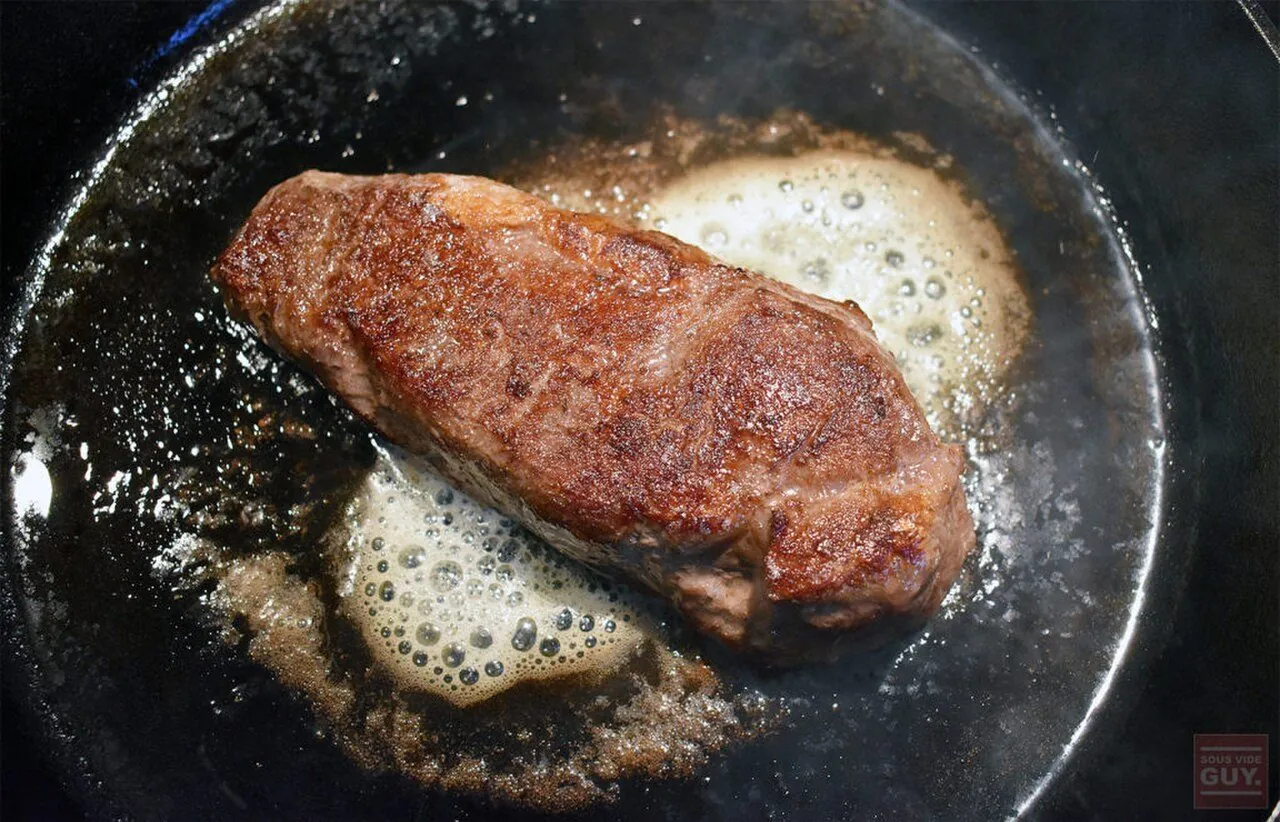
Here is the rule the charts cannot encode: sous vide does not create crust, and crust is flavor. Every protein that leaves the bath — steak, chicken thigh, salmon skin-down — deserves a hard, fast sear in a very hot pan with a thin film of oil, sixty seconds or less per side, so the interior never climbs out of its perfect range.
Pat the food thoroughly dry first; surface steam is the enemy of browning. Sear, rest briefly if at all, and serve. The water bath did the precision work; the pan supplies the drama. Get both numbers right — the one on the circulator and the seconds on the clock — and the method delivers what it has promised since it left restaurant kitchens: doneness as a decision, not a dice roll.
Rare and medium-rare describe texture and colour. They do not establish that a piece of meat has been pasteurized. Whole intact steak, mechanically tenderized steak and ground beef also present different contamination patterns. Select a validated schedule for the food you actually have rather than transferring a number between them.
Before cooking, write down the food, maximum thickness, starting condition, selected table and bath setting. Keep pieces in a single layer where the procedure assumes that shape; a folded breast or two portions pressed together create a different heating problem. Make sure the water can circulate and that the bag remains submerged.
Start the timing according to the published procedure, including whether it begins at immersion or after a measured core temperature. Check the water level during long cooks within the circulator's instructions. A power interruption or a floating bag breaks the assumptions of an uninterrupted schedule and should not be ignored by simply adding a guessed number of minutes.
Have the serving or chilling plan ready before opening the bag. Use clean utensils for cooked food and keep it away from the raw-food preparation area. These handling steps are part of a usable procedure; a table of attractive pink-centre temperatures by itself is not.
Bath time is not the same as time at core temperature; use food- and thickness-specific validated tables.
One yolk can carry a full cup of oil — if you understand lecithin. The immersion-blender mayonnaise method and how to rescue a broken one.
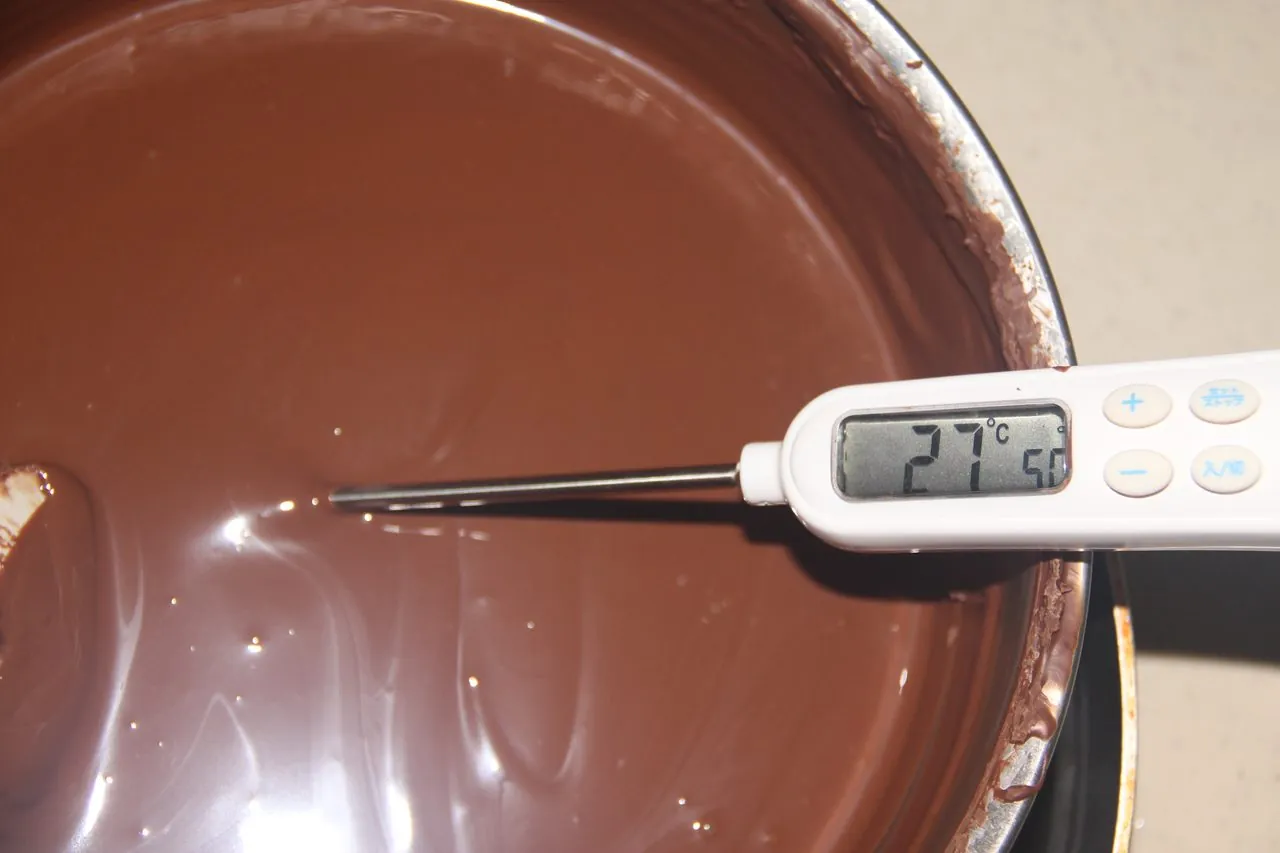
Match melting, cooling and working temperatures to dark, milk or white chocolate. Manufacturer curves and a small setting test guide the process.
It starts around 285 degrees and it is not caramelization. The chemistry of browning, and the dry-heat rules that make it happen faster.