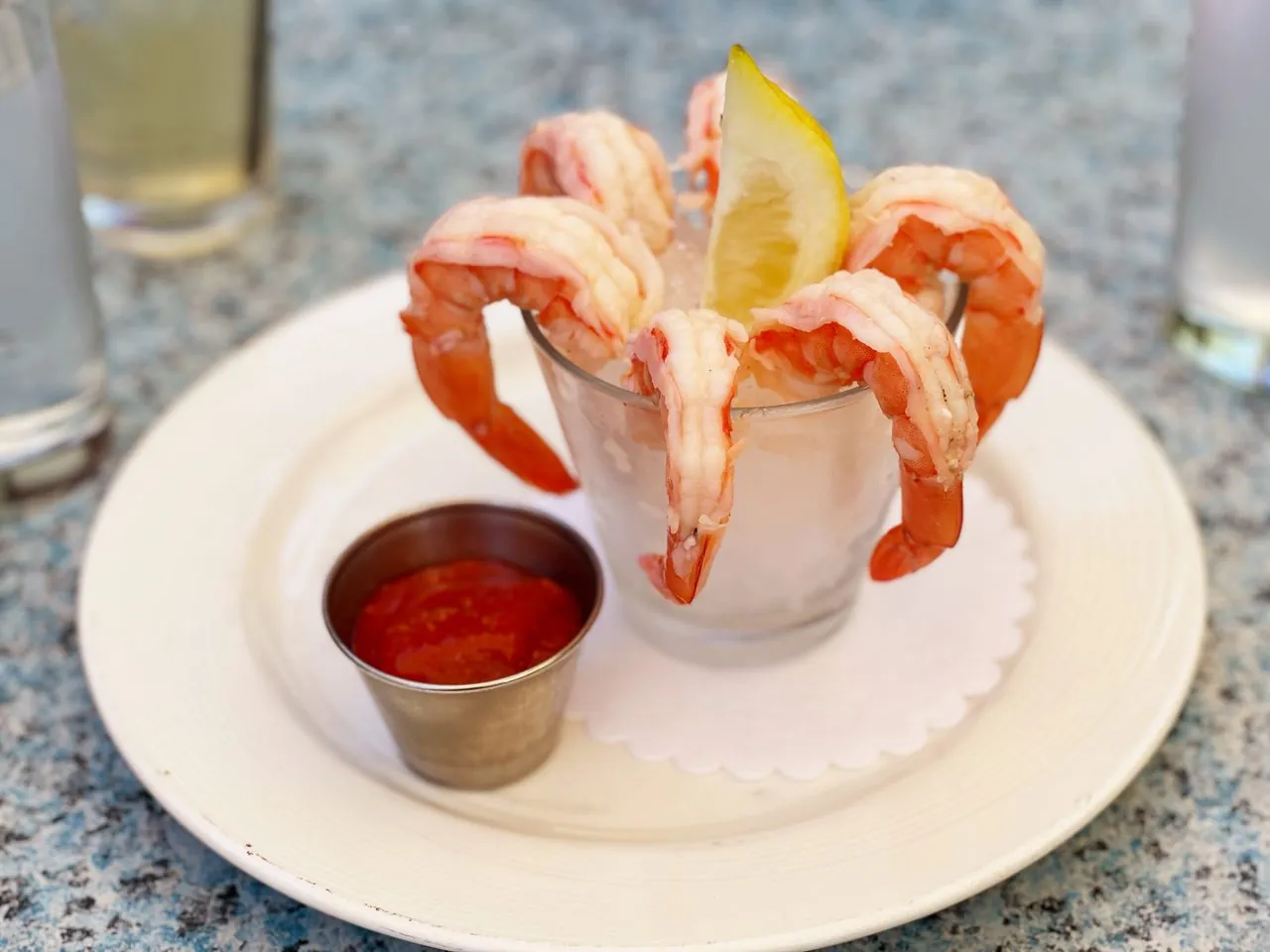
St. Elmo Steak House and the Fiery Shrimp Cocktail Legend
The Indianapolis steak house dates to 1902. Its horseradish shrimp cocktail, documented history and public game-day connection explained.
The bakery's official history dates production of Pasteis de Belem to 1837 and describes a secret formula entrusted to master confectioners. It does not publish every detail of staffing or recipe custody. The distinction matters: the business has a documented history, while a precise present-day count of people who know the formula requires separate confirmation. Visitors can appreciate the pastry and the location without treating secrecy as evidence for an invented story.
The custard tart long predates the bakery that made it famous. In the kitchens of Portuguese convents and monasteries, egg whites were working ingredients — used to starch clerical garments and to clarify wine — while the leftover yolks piled up faster than anyone knew what to do with them. Necessity being the mother of dessert, those yolks went into custards, and the custards went into pastry. The monks of the Jerónimos Monastery worked within that tradition, and their version quietly became the one against which all others would be measured. When religious orders across Portugal were suppressed in the turbulent years that followed the liberal revolution of 1820, the monastery needed income from whatever it could lawfully sell. According to the account the bakery itself tells, the monks sold their secret recipe to the sugar refinery that opened beside the monastery walls in 1837. The shop began baking the monks’ tarts for the public almost at once, and it has never stopped.
The bakery describes its formula as a secret recipe passed to master confectioners who work in a dedicated secret room. Its public history supports that guarded tradition but does not establish a current exact count of custodians, an unwritten-only rule or the private retirement arrangements of those workers. Those details should not be supplied as if someone from this publication had observed them. The defensible account is narrower: the business began producing its named tarts in 1837 and says its method is preserved by the people entrusted with making them.
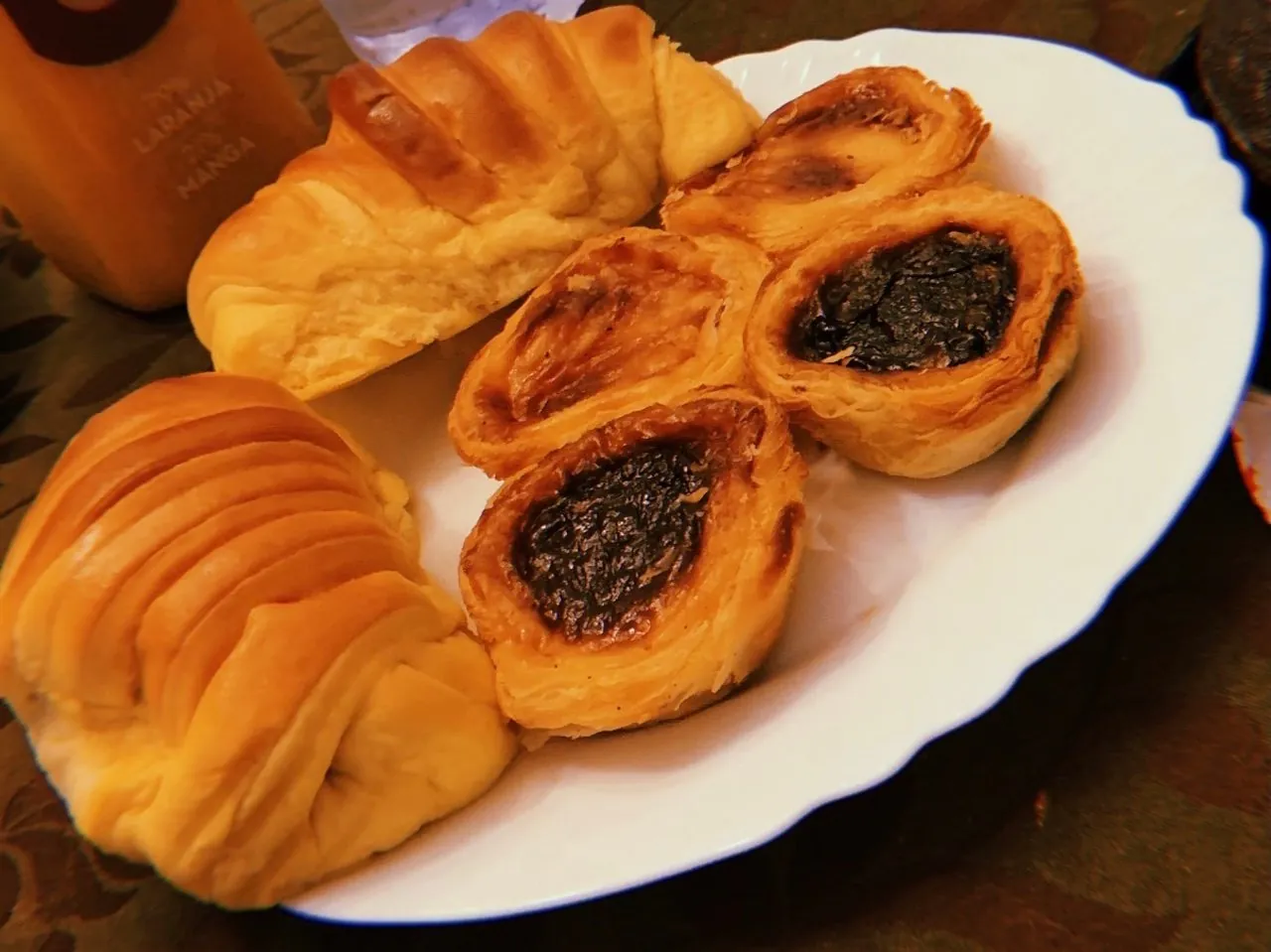
The scale of production is difficult to overstate. The bakery bakes tens of thousands of tarts daily, and the ovens run from well before dawn until late in the evening, feeding a queue that often stretches down the block and moves with surprising speed. The line itself has become part of the experience, a block-long procession of pilgrims that rewrites itself every morning. What surprises many visitors even more is how much of the process still refuses automation. The pastry is stretched tissue-thin by hand, then folded into small metal forms so that the shell rises in crisp, blistered layers. The custard goes in, the tarts bake fiercely, and the tops scorch into dark leopard spots. That scorching is the signature. A proper Pastel de Belém looks slightly burnt and tastes nothing of the kind: shattering pastry, custard barely set, caramel where the sugar caught, and a warmth that makes the first bite a small event.
The tarts are served warm, and the warmth matters, because it keeps the custard loose and the pastry fragrant. Small shakers of cinnamon and powdered sugar wait on every table, and no one will raise an eyebrow if you reach for both. Locals tend to eat standing at a marble counter, coffee alongside, one tart down in three bites; visitors usually head for the tiled dining rooms at the back, whose blue-and-white azulejo panels are reason enough for the trip. A first visit has a certain choreography to it:
Across Portugal, and across nearly every former trading post the country ever held, similar tarts are called pastéis de nata, and many of them are excellent. Only tarts made inside this one bakery may be called Pastéis de Belém, a distinction that can sound like pedantry until you taste the original in the room where it was born, warm from the oven, cinnamon falling through the steam. Then it sounds like what it truly is: the difference between a generic term and a guarded inheritance. Recipes, like monasteries, can outlast the people who built them. This one has outlived every government, fashion and food trend since 1837, and it still belongs, in every sense that matters, to three people and one sealed room.
The official history supports production beginning in 1837 and a recipe entrusted to master confectioners. It does not provide a current count of people who know the whole formula. Repeating a precise number as a present fact would require dated confirmation; the secrecy of a recipe is not permission to invent access to its room or staffing arrangements.
For eating the tart, warmth changes the contrast between pastry and custard, but service conditions vary. Ask when a tray was baked instead of assuming every tart in a busy shop has just left the oven. A queue outside and seating inside can move differently, so follow staff directions rather than an old universal shortcut about which counter is always fastest.
For taking some away, protect the pastry from crushing and follow the bakery's storage guidance. A custard tart is not made shelf-stable by a cardboard box or by its historic reputation. The protected brand name and the broader category of pasteis de nata are useful distinctions, while claims that no other tart can be as good belong to personal taste.
The operator confirms the guarded recipe but does not publish a current exact count of people who know it.
The Indianapolis steak house dates to 1902. Its horseradish shrimp cocktail, documented history and public game-day connection explained.
How Matsuhisa, Robert De Niro and their partners built Nobu from a restaurant partnership into an international dining and hotel network.
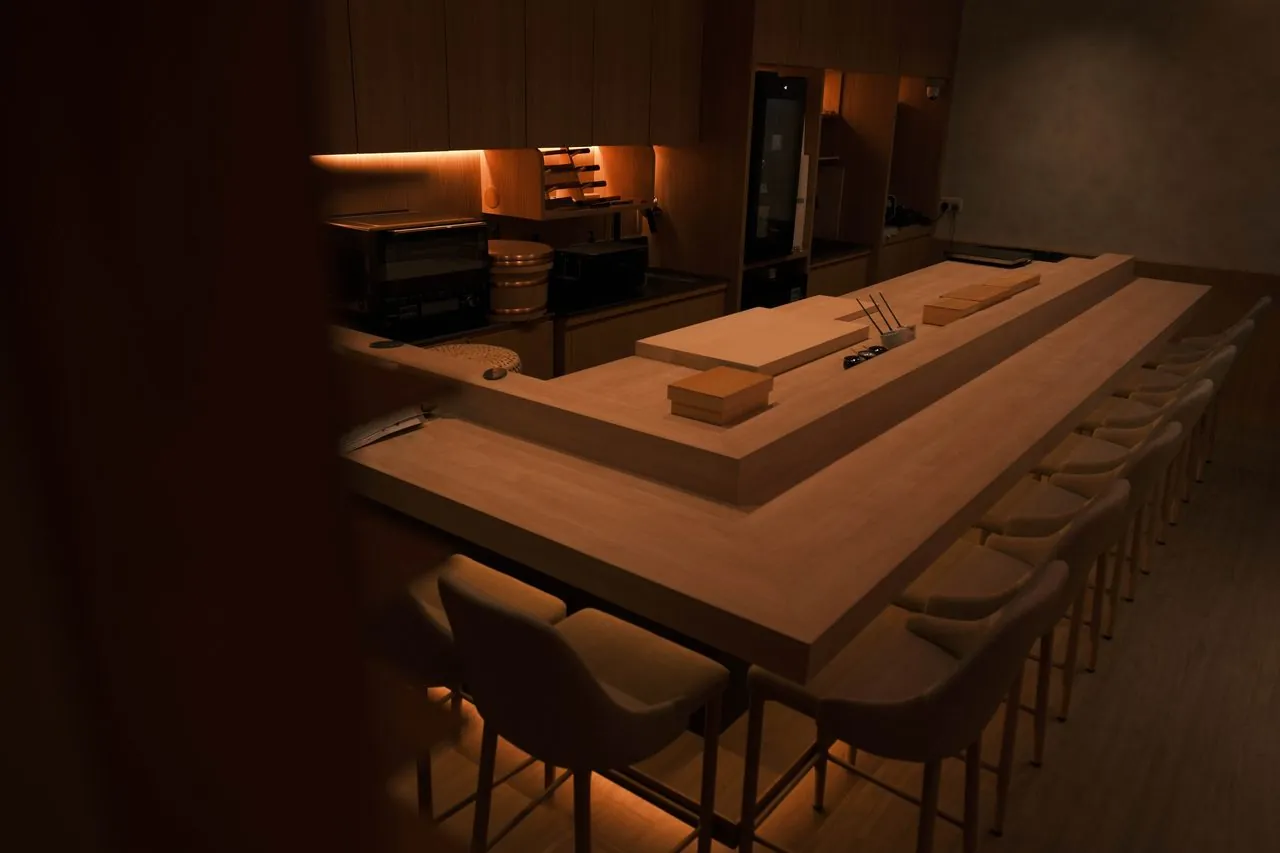
Jiro Ono trained a generation of sushi masters from a ten-seat subway-adjacent shop. Why the Michelin guide eventually stopped listing it.