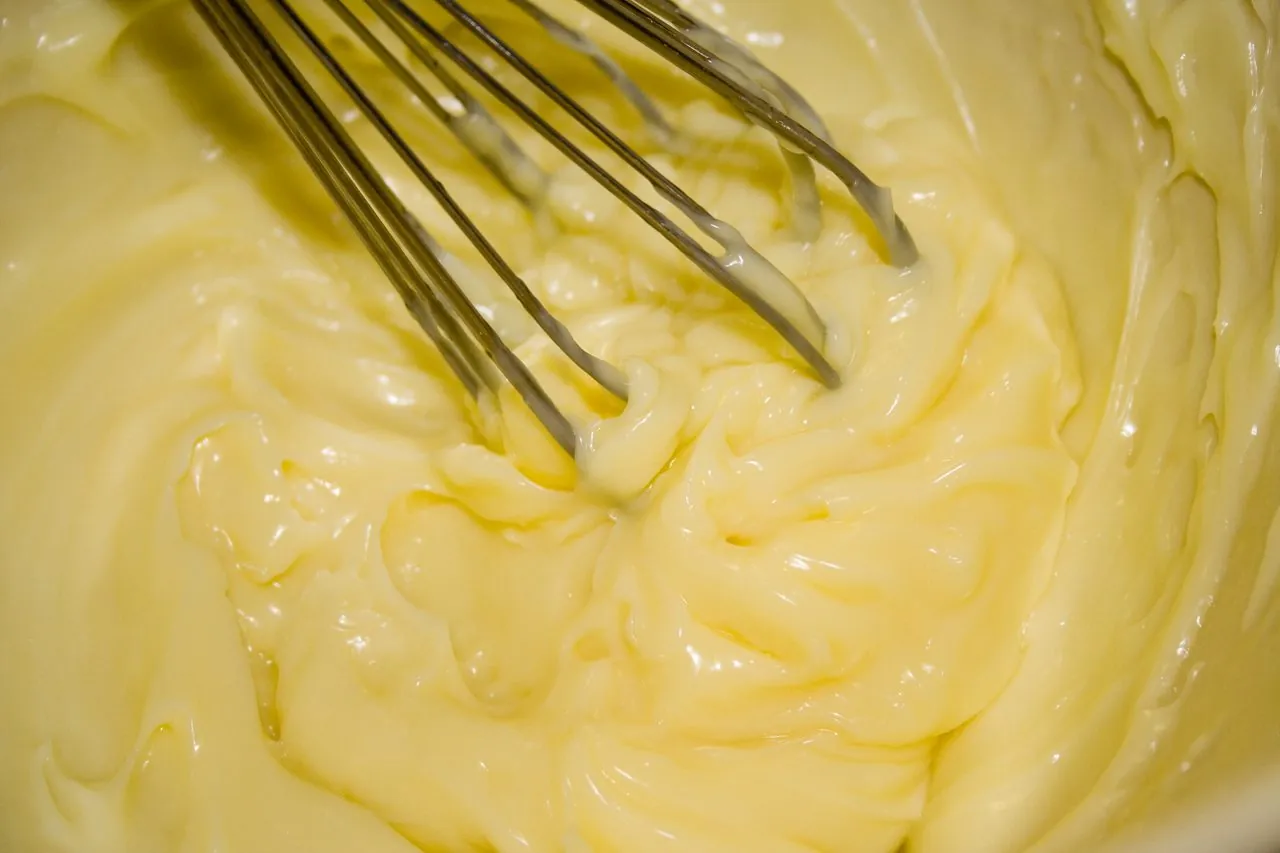
The 30-Second Mayonnaise: Emulsion Science in a Jar
One yolk can carry a full cup of oil — if you understand lecithin. The immersion-blender mayonnaise method and how to rescue a broken one.
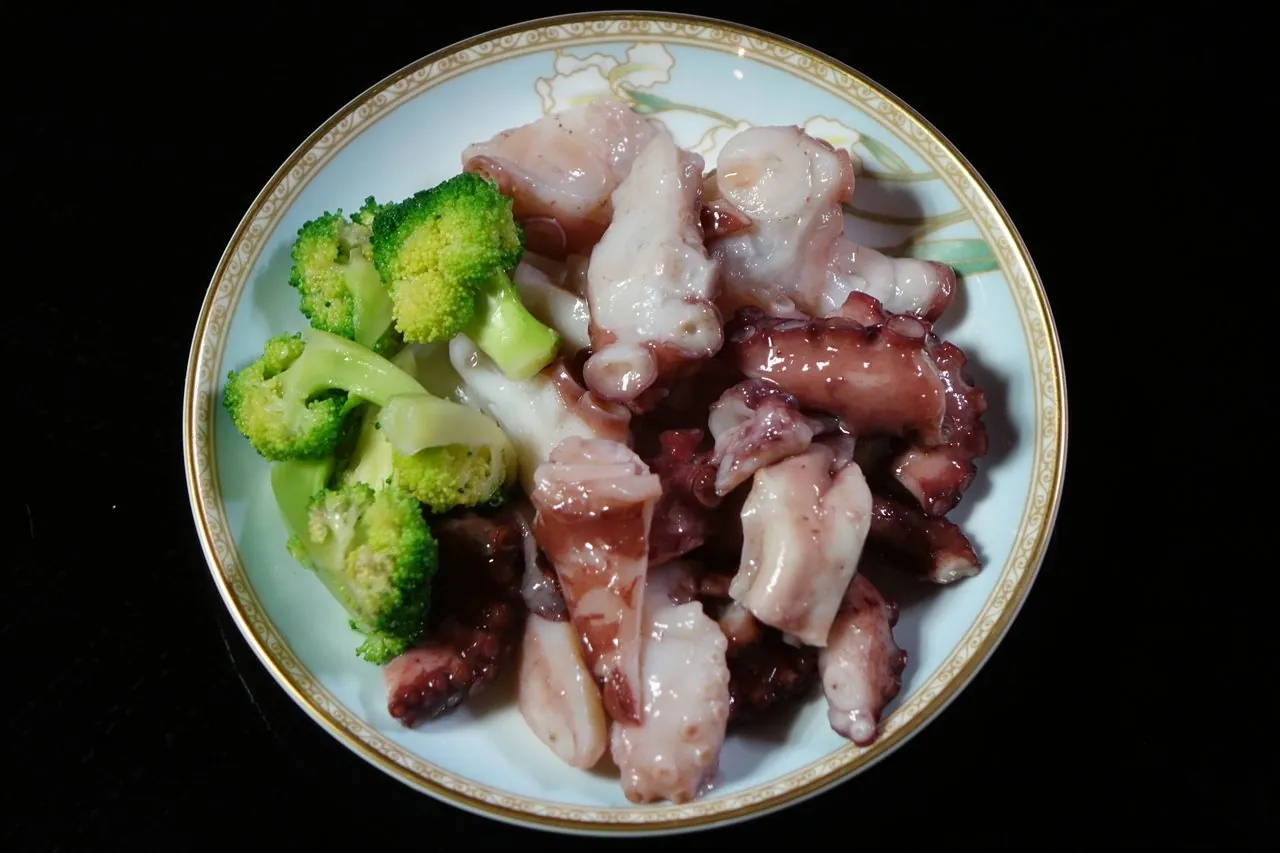
Restaurant broccoli stays vivid green from prep hour to dinner service; home broccoli turns olive-drab between the pot and the table. The difference is not produce quality or luck. It is a two-step technique so simple it barely earns the word: a brief plunge into furiously boiling, well-salted water, then an immediate arrest in a bath of ice water. Cooks call it blanch and shock. Once you know what each step actually does, green vegetables stop being a timing gamble and become a component you can make ahead with confidence.
Blanching is a short, intense cook in abundant boiling water — with the time determined by vegetable, cut size and intended use rather than a universal 30-to-60-second rule. The goal is partial cooking: enough heat to brighten the color, soften the rawness and set a tender-crisp texture, but not enough to collapse the vegetable. The abundance matters. A big pot at a full, rolling boil recovers its temperature the moment cold vegetables go in; a skimpy pot stalls, and stalled water simmers rather than flashes, which is a different and duller process.
Salt the water generously — about the same 1 percent salinity you would use for pasta, and restaurant pots often run saltier still. The salt seasons the surface, and in a cook this short it penetrates only a short way inward, which is fine: blanched vegetables are usually dressed, sauced or finished in a hot pan later, and the seasoning grows from there.
The shock — the immediate transfer from pot to ice water — does two jobs at once, and both are worth understanding. First, it stops the cooking. Vegetables keep cooking from residual heat long after they leave the pot, and thirty seconds of carryover is the difference between crisp-tender and limp. Cooling also limits further heat-driven pigment degradation; it does not permanently set chlorophyll. An ice bath is useful for food held for later service, but a vegetable served immediately need not always be chilled first.
Chlorophyll is fragile. Prolonged heat breaks down its structure, and cooking releases natural acids from within the vegetable itself; those acids migrate outward and displace the magnesium at the heart of the chlorophyll molecule, flipping the bright green pigment to olive-brown. Rapid cooling halts both processes before the color shifts. This is why restaurant broccoli can be blanched in the morning and still look freshly picked at night — and why overcooked greens go drab for exactly the same reason: too much heat, too much time, too many acids on the move.
For immediate serving, test a piece for the texture you want and record the cut size and cooking time. For freezing, use preservation guidance instead: NCHFP gives three minutes in boiling water for green beans and suitably sized broccoli florets, and two to four minutes for asparagus depending on thickness. The honest test beats any chart: pull a piece, chill it, bite it. It should be tender-crisp with the raw edge gone, still audible when you chew it.
Blanching has jobs beyond the green-and-crisp routine. To peel tomatoes, cut a shallow X in the blossom end, lower the fruit into boiling water for 15 to 30 seconds, then shock it; the skins loosen dramatically and slip off in sheets. Strongly flavored vegetables get the treatment for different reasons: a quick blanch of broccoli rabe or other assertive greens tames their harsh, raw bite without cooking them to mush, trading bitterness for a rounder, fuller taste.
Blanch-then-freeze is the standard method for preserving vegetables, but the freezer method needs its own vegetable-specific timing. Nearly all vegetables carry active enzymes that keep working even in the freezer, slowly degrading color, flavor and texture over months. A sufficiently long blanch specified for that vegetable controls those enzymes; the ice bath stops the cook; a thorough drying and a freezer bag finish the job. Green beans, broccoli, corn, peas and leafy greens stored this way still taste like themselves months later, where unblanched freezer vegetables drift steadily toward cardboard.
The same blanch-and-hold sequence powers restaurant service, and it works for dinner parties for the same reason. Blanch a mountain of green beans in the afternoon, shock them, dry them and hold them on a towel in the refrigerator. Ninety seconds in hot butter just before serving, and the guest sees a just-cooked vegetable. The cook sees a finished side dish that was reheated, not rescued.
The technique earns its keep on weeknights too. A container of blanched broccoli or haricots verts is a five-minute side, a pasta add-in, a grain-bowl topper or a frittata filling. Cook once, hold cold, finish hot: the blanch-and-shock cycle is what makes that rhythm possible without any of the gray, tired vegetables that give leftovers a bad name.
Nearly every disappointing blanch traces back to one of four mistakes:
The bath should be frigid — more ice than seems reasonable — and the vegetables should cool for about as long as they cooked. Dry them well on towels before holding or freezing: wet vegetables weep in the refrigerator, dilute dressings and ice over in the freezer.
If the vegetables will be served now, choose a cut size, cook a sample and taste for the intended texture. Chilling that sample makes the check easier, but chilling the whole batch is not compulsory when the next step is immediate serving. If it will wait for later service, cool quickly, drain and refrigerate rather than leaving a damp bowl at room temperature.
For freezing, use the preservation table for the vegetable instead of transferring a restaurant's brief texture blanch. Bring the pot back to a boil before starting the stated water-blanching time, use small enough batches for prompt recovery and cool thoroughly afterwards. Underblanching can leave enzymes active and undermine freezer quality.
Label freezer packages with vegetable, cut and date. A timing note such as broccoli, three-minute water blanch is more useful for repeating the result than green vegetables, one minute. It also makes clear why a thick asparagus spear and a small pea should not be treated as the same heating problem.
Serving vegetables and preparing vegetables for freezing require different timing decisions.
One yolk can carry a full cup of oil — if you understand lecithin. The immersion-blender mayonnaise method and how to rescue a broken one.
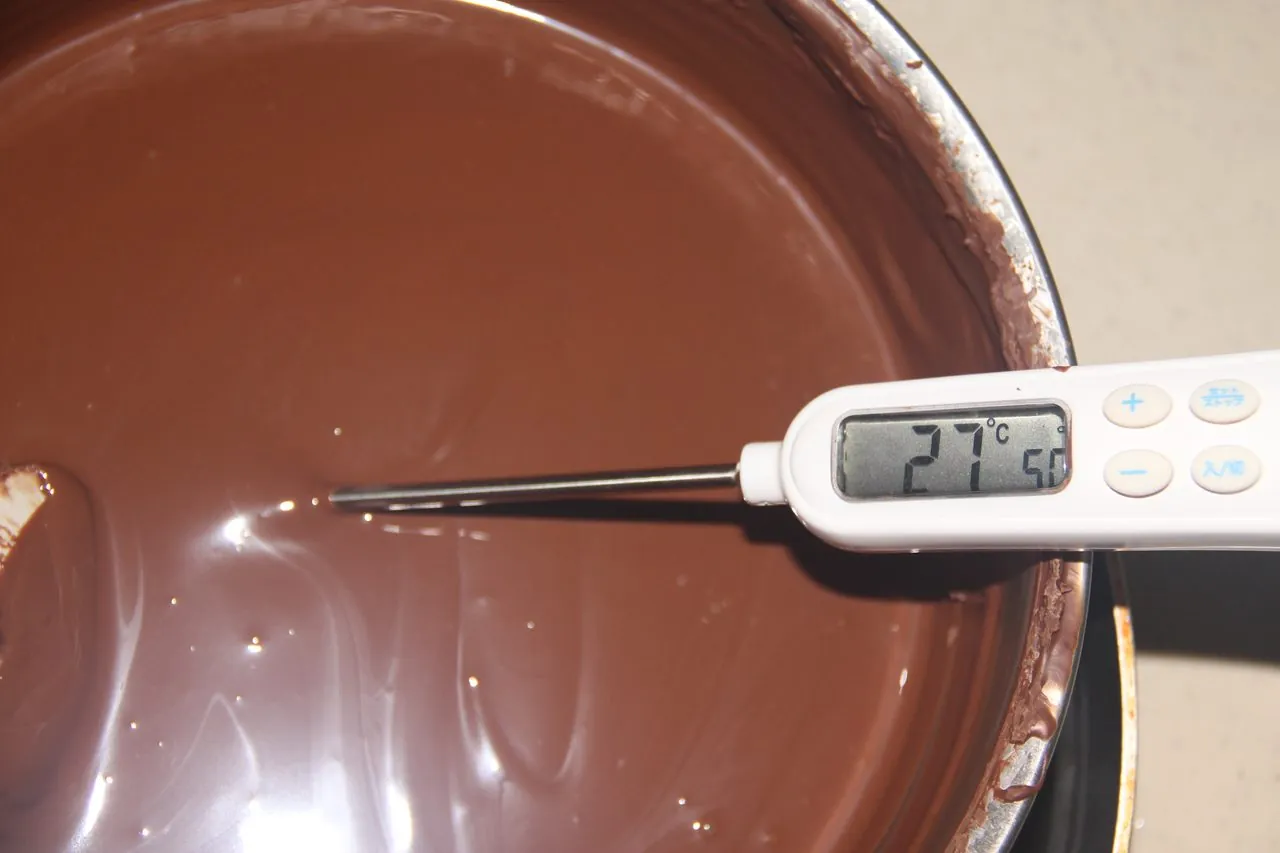
Match melting, cooling and working temperatures to dark, milk or white chocolate. Manufacturer curves and a small setting test guide the process.
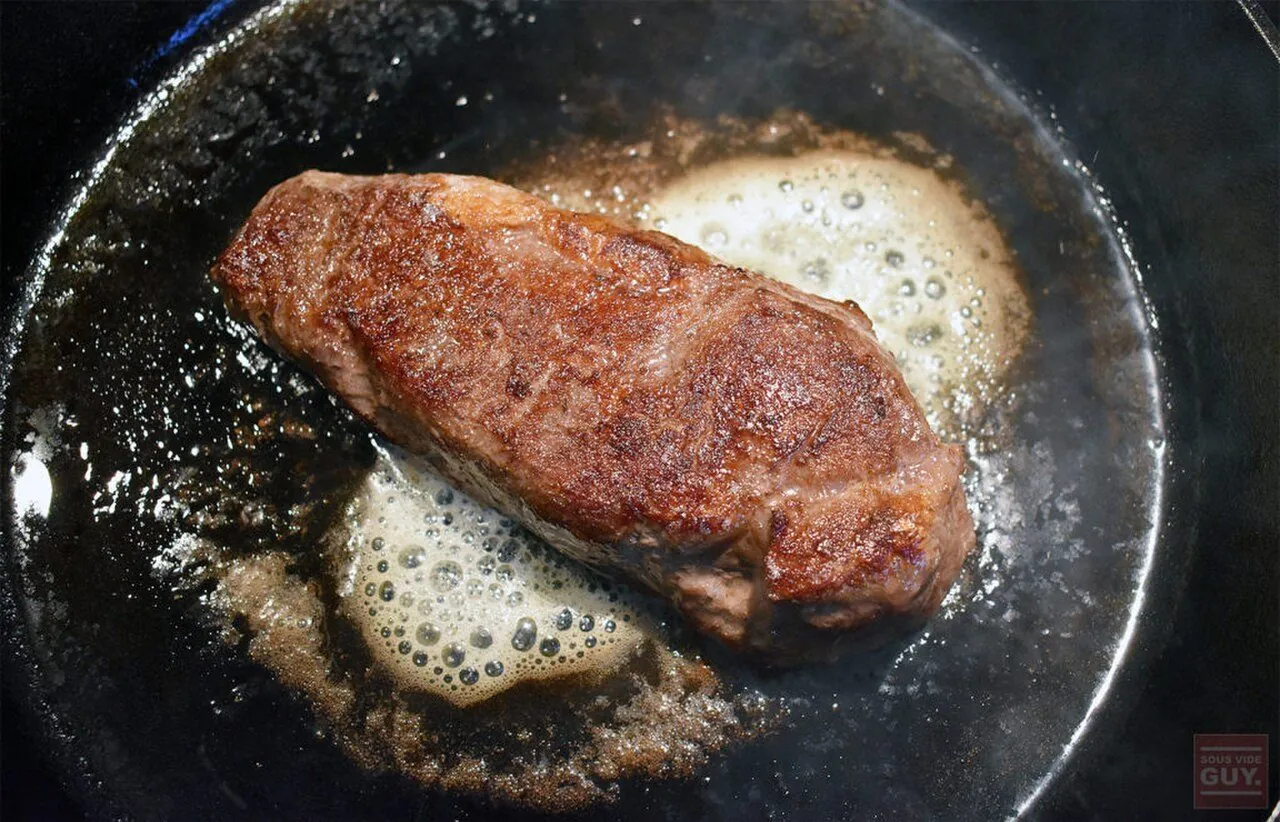
It starts around 285 degrees and it is not caramelization. The chemistry of browning, and the dry-heat rules that make it happen faster.