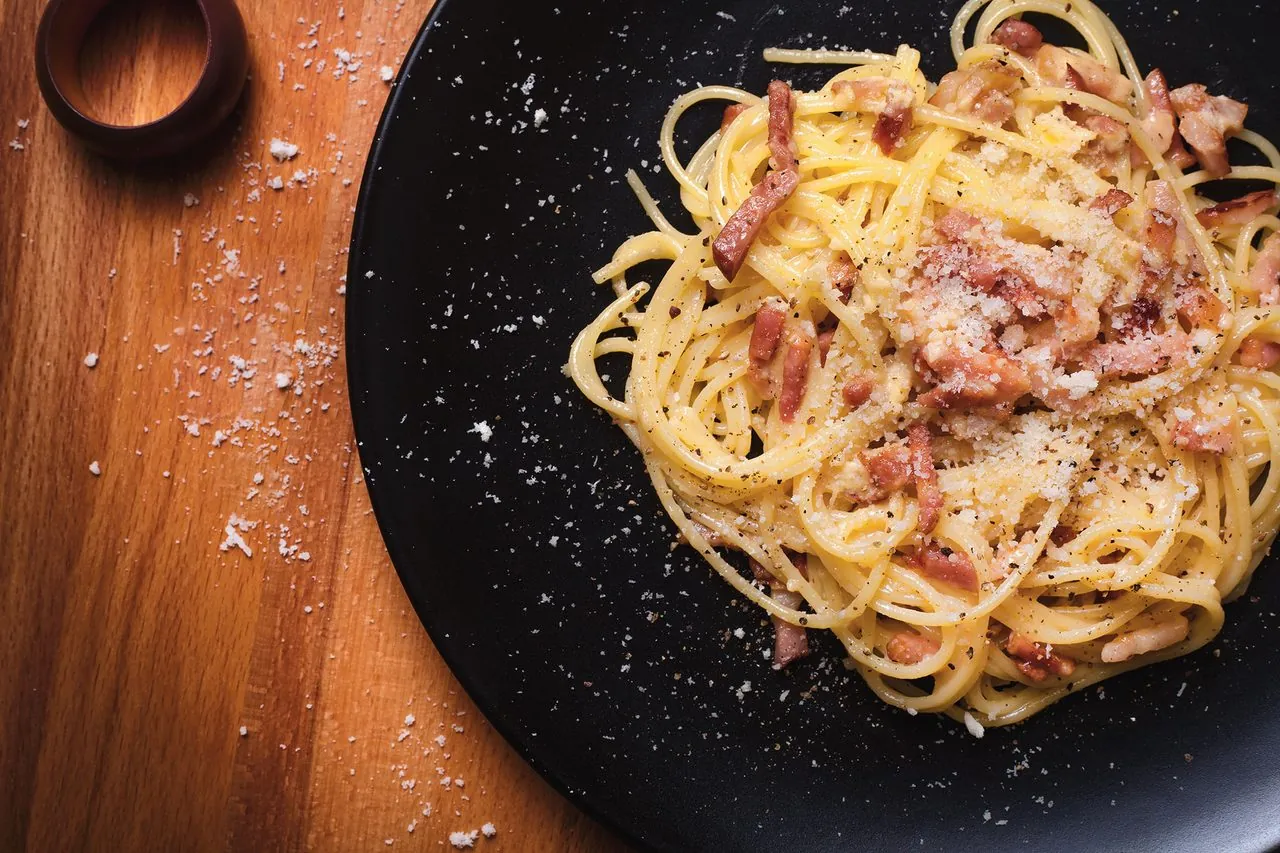
Spaghetti alla Carbonara: The Roman Original, Done Right
Guanciale, Pecorino Romano, eggs and pepper — no cream, no onions. How Rome’s most-guarded pasta actually comes together in 20 minutes.
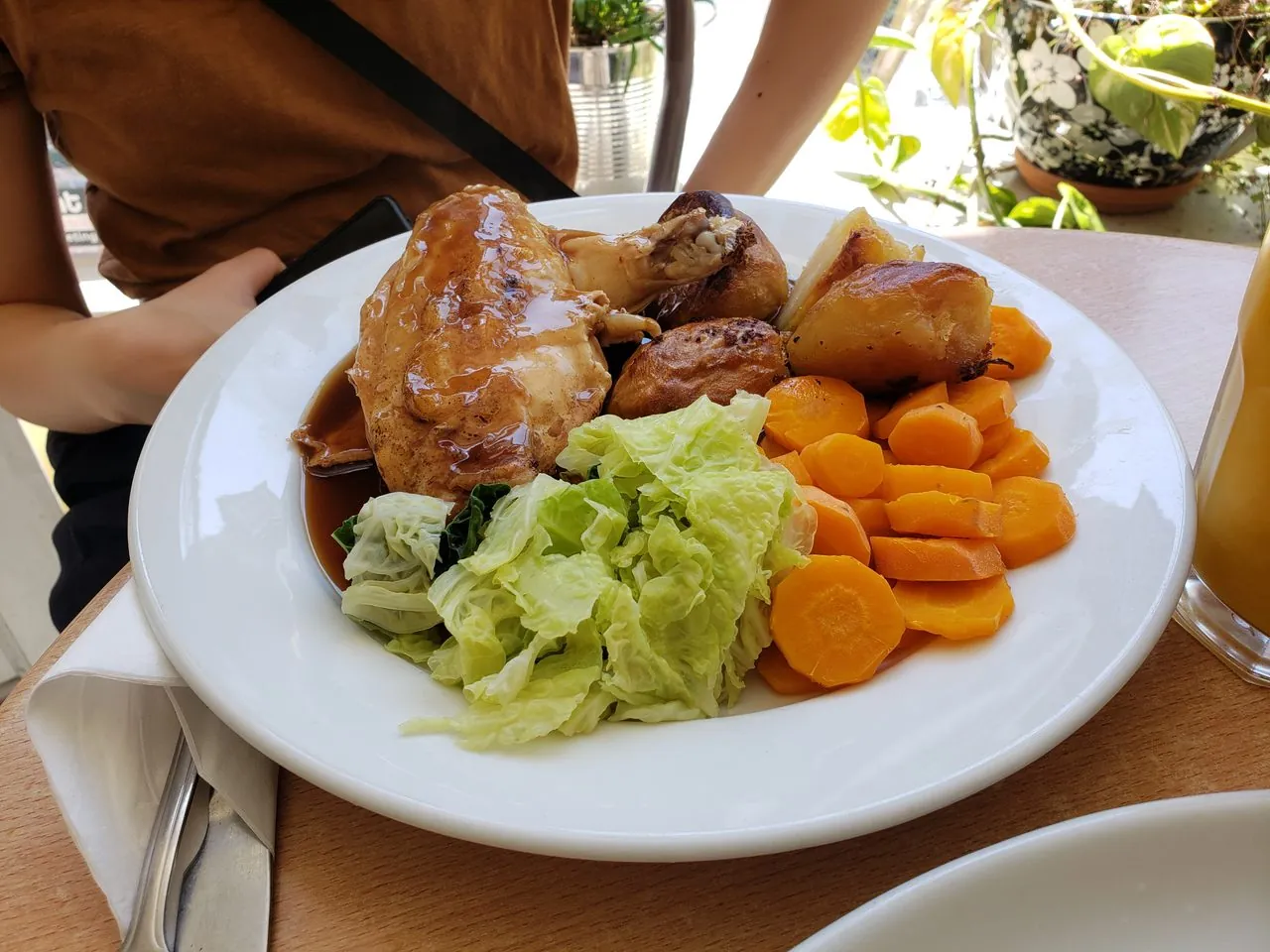
Somewhere in nearly every cookbook collection sits a roast chicken recipe with fourteen ingredients, a butter massage, a basting schedule and a tangle of trussing string. Thomas Keller, the chef behind The French Laundry in California's Napa Valley, published the antidote under a title that did not hide its affections: "My Favorite Simple Roast Chicken." The recipe calls for a chicken, salt, pepper and a very hot oven. Nothing else. The bird roasts without added butter or basting; Keller also describes optional thyme in the pan juices and butter at serving. It has been quietly outperforming complicated birds in home kitchens ever since, which says something worth hearing about what roasting actually is. The essay has outlived menus that were being written the same week, because its argument is not about fashion; it is about the bird.
For this home adaptation, choose one chicken around 3.5–4 lb (1.6–1.8 kg), salt and pepper, a roasting pan and a reliable food thermometer. The original method's high heat is 450 F (230 C). Optional thyme in the pan juices and butter at serving belong to Keller's broader presentation, so describing the original as banning herbs or butter altogether would be misleading.
Dry with disposable towels and avoid rinsing raw poultry, which can spread contaminated droplets around the sink. Prepare the vegetables and serving utensils before handling the chicken, then wash hands and clean food-contact surfaces. Keep the raw-bird board away from any bread or salad that will be served without further cooking.
Begin checking before the expected finish rather than relying on a minute-per-pound formula. Verify at least 165 F (74 C) in the thickest breast and innermost thigh and wing, away from bone. Rest for carving, then refrigerate leftovers promptly. The thermometer adds a measurable endpoint to a deliberately simple method without inventing a new test of Keller's recipe.
Preheat the oven to 450 degrees. Dry the bird very well, inside and out, because surface moisture is the enemy of crisp skin. Salt and pepper it generously and evenly, including a good seasoning inside the cavity. Set it in a pan that holds it snugly and put it in the oven, and then leave it alone. No basting, no turning, no opening the door to check. A bird in the 3.5 to 4 pound range needs roughly 55 to 70 minutes, but time and juice colour alone cannot confirm safety. Check the thickest breast and the innermost thigh and wing with a thermometer, avoiding bone; all should reach at least 165 F (74 C). Let it rest before carving, so the juices settle back into the meat instead of flooding the board. Carve simply: legs first, then the wings, then the breast in thick slabs, letting the skin break where it wants to. A bird roasted like this needs very little help from a knife. This is a home summary of the method, not a verbatim reproduction of Keller's recipe.
The temperature is the strategy. At 450 degrees, the fat layer beneath the skin renders quickly, and rendering fat is what turns skin into something crisp; basting interrupts that process by wetting the surface and cooling the oven every time the door swings open. High heat also shortens the roast, which matters for a small bird: the breast does not have time to dry out before the thighs finish, so leg and breast arrive at doneness closer together than they do in a long, moderate roast. And the restraint with seasoning is not austerity. It is exposure. Butter and aromatics mask; salt and heat reveal. Cook this way and the chicken tastes like chicken, more loudly than you expect. The pan matters too. A vessel the bird nearly fills lets the fat and juices collect and cook alongside the skin rather than evaporating across a wide, empty sheet.
The recipe is short, but a few details carry all the weight.
None of these steps is difficult. Each one simply refuses to let the simplicity of the recipe become carelessness.
There is a reason this recipe gets handed to new cooks the way a first knife gets handed to an apprentice. It teaches the fundamentals every later roast depends on: drying surfaces, seasoning evenly, understanding that heat does the cooking while the cook mostly stays out of the way, and respecting the rest. Learn it and you have not merely made dinner; you have calibrated your oven, your pan and your own patience against a dish that gives honest feedback. The French Laundry sits at the other end of the spectrum, a kitchen where precision is elaborated into art. But the same sensibility runs underneath both: respect the ingredient, refuse the unnecessary, and let technique carry what seasoning alone cannot.
A roast chicken done this way pays out beyond the first dinner. The pan juices need nothing added; spoon them over the carved meat or mop them with bread. The carcass makes a stock with real body, and the stock makes a soup worth planning a week around. Three meals from one bird and one recipe, with the flavor at every stage coming from the same place: the bird itself, seasoned properly and cooked hard. There is an old lesson in dishes this simple, which is that they leave nowhere to hide. A gray patch or a scorched wing shows immediately. The reward is that everything that goes right shows too.
An adaptation of Keller's high-heat method with USDA consumer temperature guidance.
Guanciale, Pecorino Romano, eggs and pepper — no cream, no onions. How Rome’s most-guarded pasta actually comes together in 20 minutes.
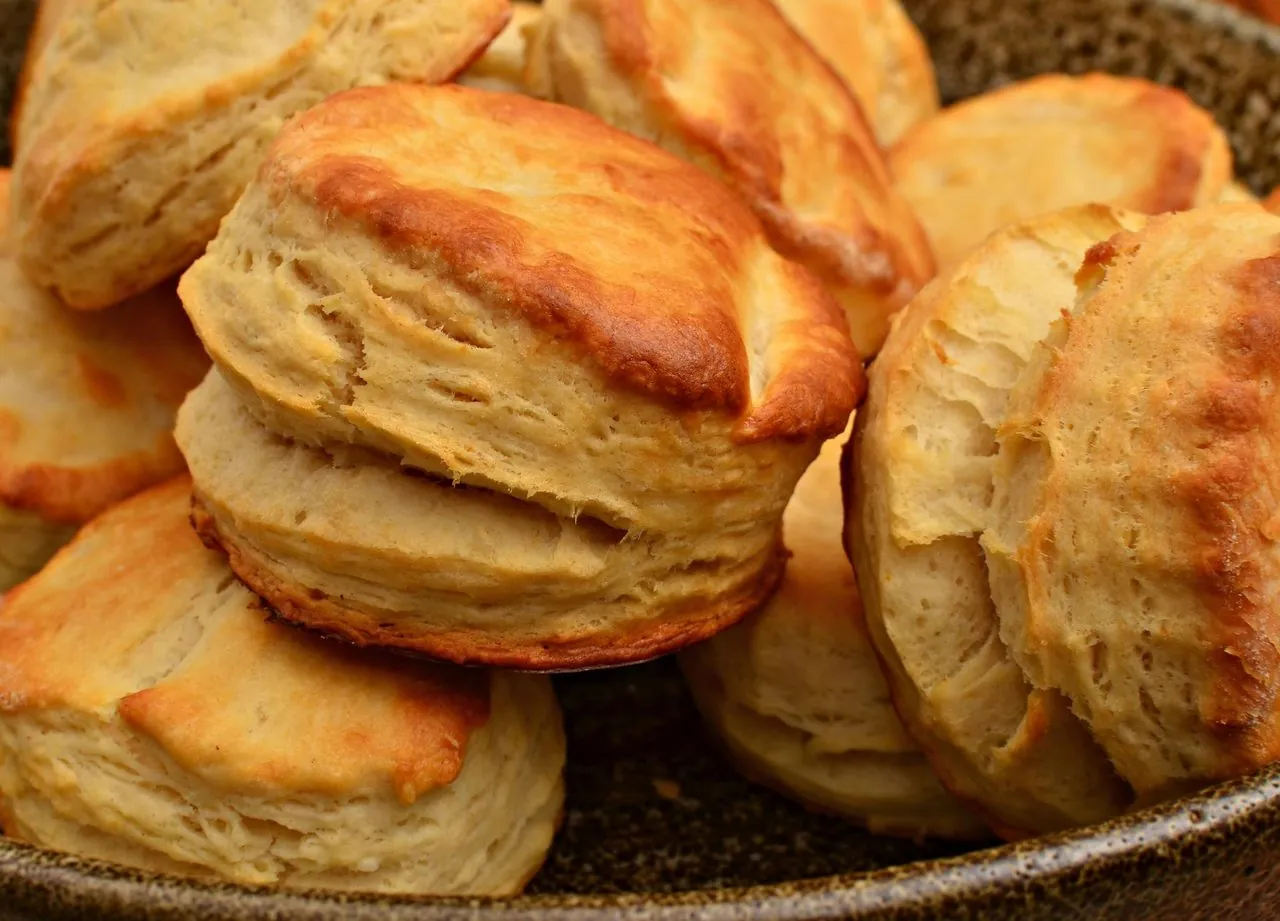
Cold butter, a gentle fold and one extra fold of dough: the physical rules that create a dozen shattering layers in buttermilk biscuits.
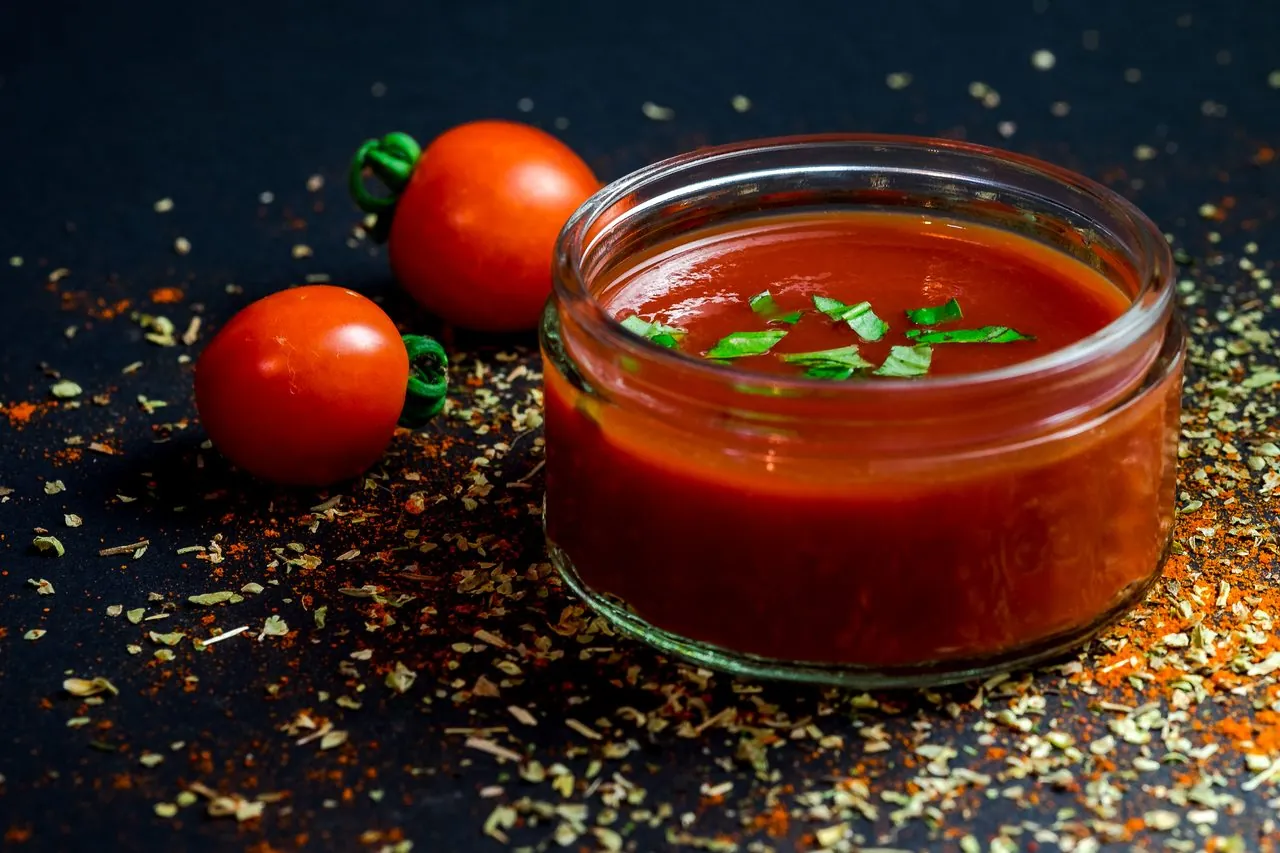
Three ingredients and 45 minutes: the late Marcella Hazan’s legendary tomato sauce remains the smartest 20 minutes of prep in Italian cooking.