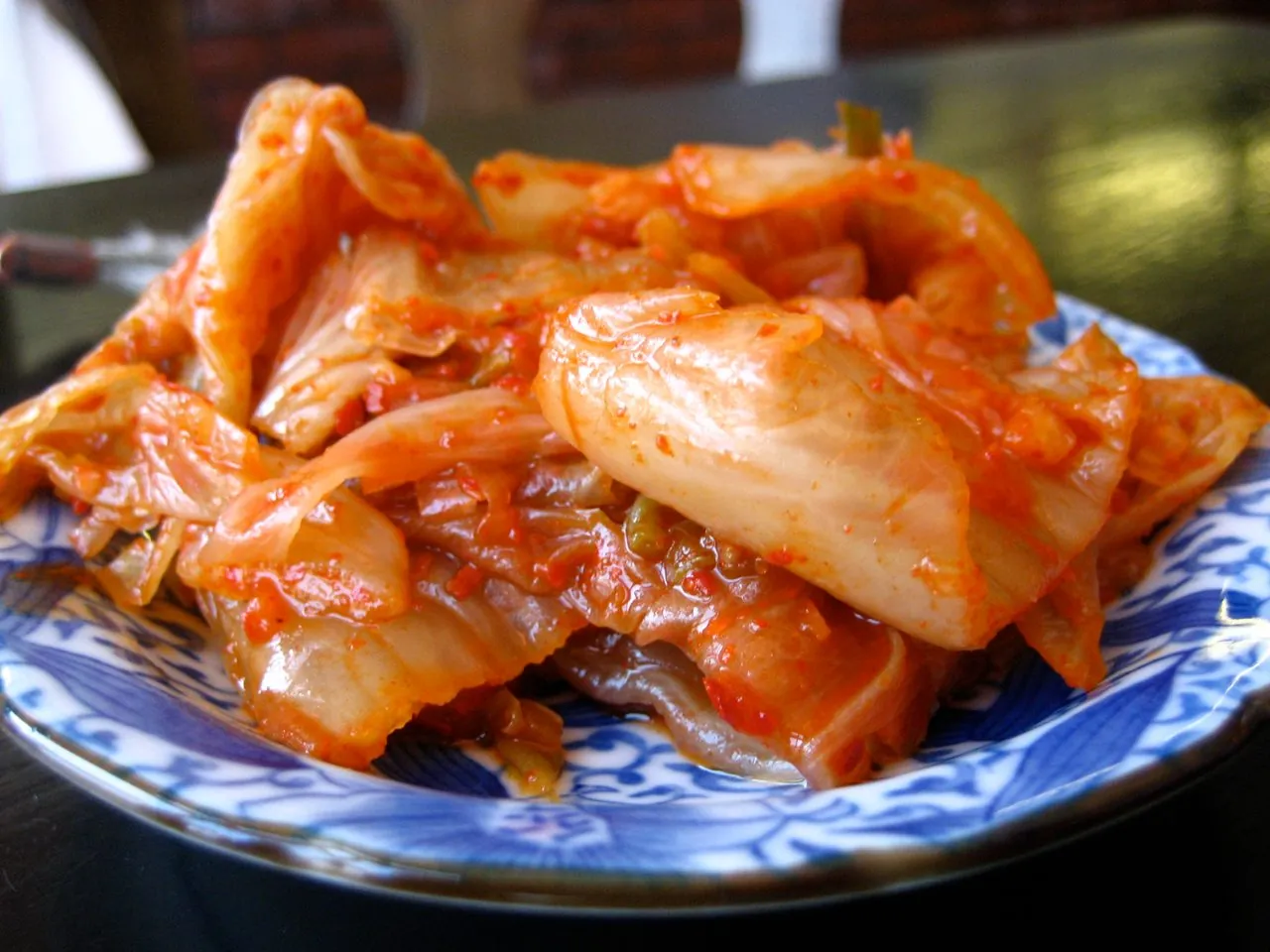
Kimjang: The Kimchi Ritual UNESCO Listed as Heritage
Every late autumn, Korean households make a winter’s worth of kimchi together. The UNESCO-inscribed tradition and the science of the jar.
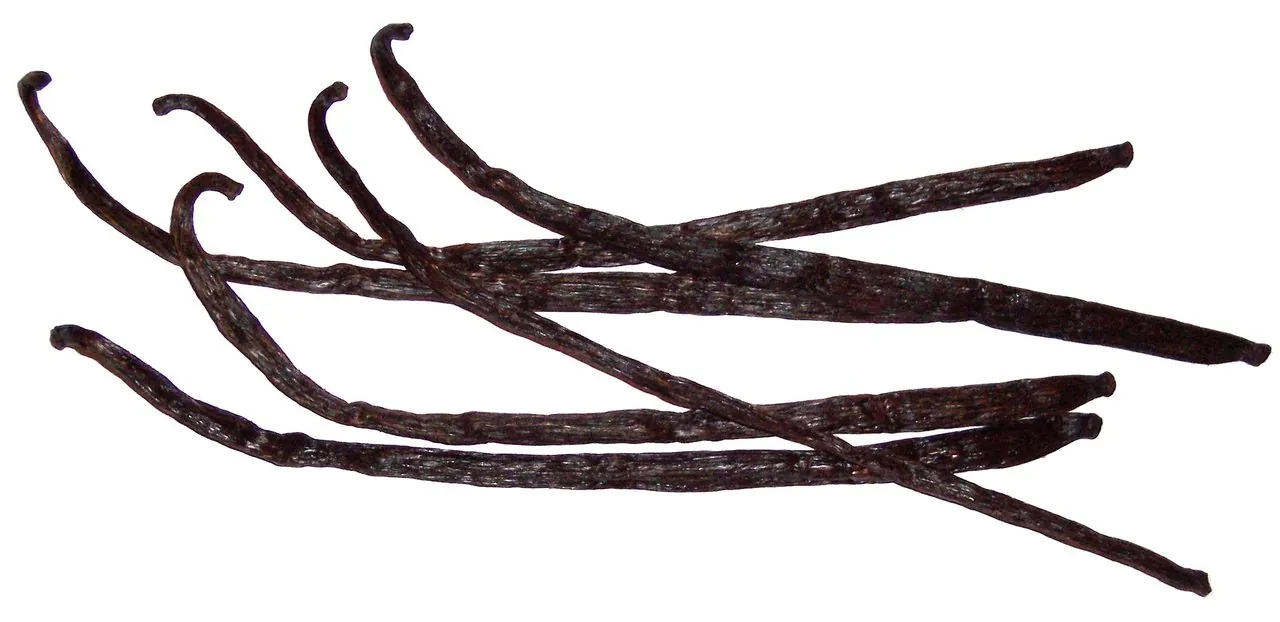
Vanilla is the flavor everyone takes for granted and the crop almost nobody understands. It is the fruit of an orchid, the only orchid grown commercially for its fruit, and for most of its history it refused to set fruit anywhere but home. The story of how it escaped Mexico involves an enslaved teenager with a steady hand, and the story of how it reaches your pantry involves nearly a year on the vine and months more in the dark. Both are worth knowing the next time you pick up a pod and wonder what the price is paying for.
The vanilla orchid is native to Mexico, where its long pale flowers were pollinated by a small native bee, the Melipona, and where the vine grew for centuries before anyone thought to farm it. That pollination relationship is exquisitely narrow: move the plant and the bee does not come along. For three hundred years after vanilla reached Europe, nearly every attempt to grow it elsewhere produced beautiful vines and almost no pods, because the flowers opened for a single day and simply fell.
Vanilla is the only orchid whose fruit is farmed on a commercial scale, and that fruit, once cured, carries one of the most complex aroma profiles in the pantry. Getting it required a human being to do the bee's job.
The solution arrived in 1841 on the island of Réunion in the Indian Ocean, then called Île Bourbon. Edmond Albius, a twelve-year-old enslaved boy, worked out a reliable method of hand-pollination: a gesture with a thin tool and the thumb, lifting one part of the flower to press against another, mimicking the bee in a motion that takes seconds once mastered. His discovery unlocked cultivation across the tropical world, and every natural vanilla pod grown outside Mexico since descends from that technique.
It is one of the stranger ironies of food history that a crop worth fortunes today was made possible by a child the era refused to credit. Albius was freed when slavery was abolished in the French colonies, and his method, refined but essentially unchanged, is still how vanilla is pollinated today.
The phrase Bourbon vanilla confuses nearly everyone, because the obvious guess, American whiskey barrels, is wrong. The name refers to Île Bourbon, the old name for Réunion, and the term is associated with Indian Ocean production rather than whiskey aging. What it actually denotes is the species Vanilla planifolia grown on the Indian Ocean islands, above all Madagascar, with Réunion and the Comoros in the same family.
Madagascar is not merely the largest producer; it is, on its own, nearly the whole market. Its share depends on whether a source measures raw pods, cured beans or exports, and on the harvest year, and the crop is concentrated in the island's northeast, in a region known as the SAVA, named for its four towns: Sambava, Antalaha, Vohémar and Andapa. When cooks say vanilla, they usually mean Madagascar, whether they know it or not.
A vanilla pod is a long time in the making. The vine flowers in small clusters, each bloom open for a single day, and the pods that set from successful pollination then take eight to ten months to develop on the vine. Farmers watch them the whole time, because a pod picked too early never develops its full aroma and one left too long risks splitting on the plant.
Harvest is where the work intensifies. The green pods, odorless at this stage, are scalded in hot water at about 65 degrees Celsius, then sweated, wrapped and kept warm until they turn deep brown. After that comes slow drying in the sun and the shade, and finally a curing and conditioning period that runs roughly three to nine months. It is a transformation worth pausing on. The pods that enter the scalding water are green and scentless, and nearly everything cooks associate with vanilla, the perfume, the sweetness, the depth, is created by the cure rather than gathered from the plant. Only then do the pods develop the glossy, supple, dark character that fills a kitchen when the bag is opened.
The flavor of natural vanilla cannot be reduced to one compound, whatever the ingredient list on imitation extract implies. Cured vanilla contains more than 250 aromatic compounds, and vanillin, the molecule everyone names, is only the most recognizable among them. The others supply the floral, smoky, dried-fruit notes that make real vanilla taste round where imitation tastes flat. This is also why pod choice matters: growing region, curing length and pod condition all shift the balance of those compounds.
Madagascar is a major origin, but a production percentage needs a year and a definition. The Smithsonian's plant account gives Madagascar about 42 percent of raw-vanilla production in 2023. That is not directly comparable with a statement about a different year's cured-bean exports or a particular premium market. A bare eighty-percent claim hides those distinctions.
For a cook, the pod's condition and intended use are usually more actionable than an unsourced global share. A supple pod can be split and infused, while a dry pod may still suit a long infusion if it is sound. Check for spoilage rather than assuming every pale surface deposit is either mould or valuable crystals. When uncertain, ask the supplier for handling advice.
Keep the origin term separate from the extraction product. Bourbon vanilla refers to a growing tradition associated with the Indian Ocean, not a guarantee that an extract contains whiskey. For an extract, read the complete ingredient list, alcohol information and any added sweetener; those affect how it behaves in the recipe.
Production shares depend on year and whether the measure is raw pods, cured beans or exports.
Every late autumn, Korean households make a winter’s worth of kimchi together. The UNESCO-inscribed tradition and the science of the jar.
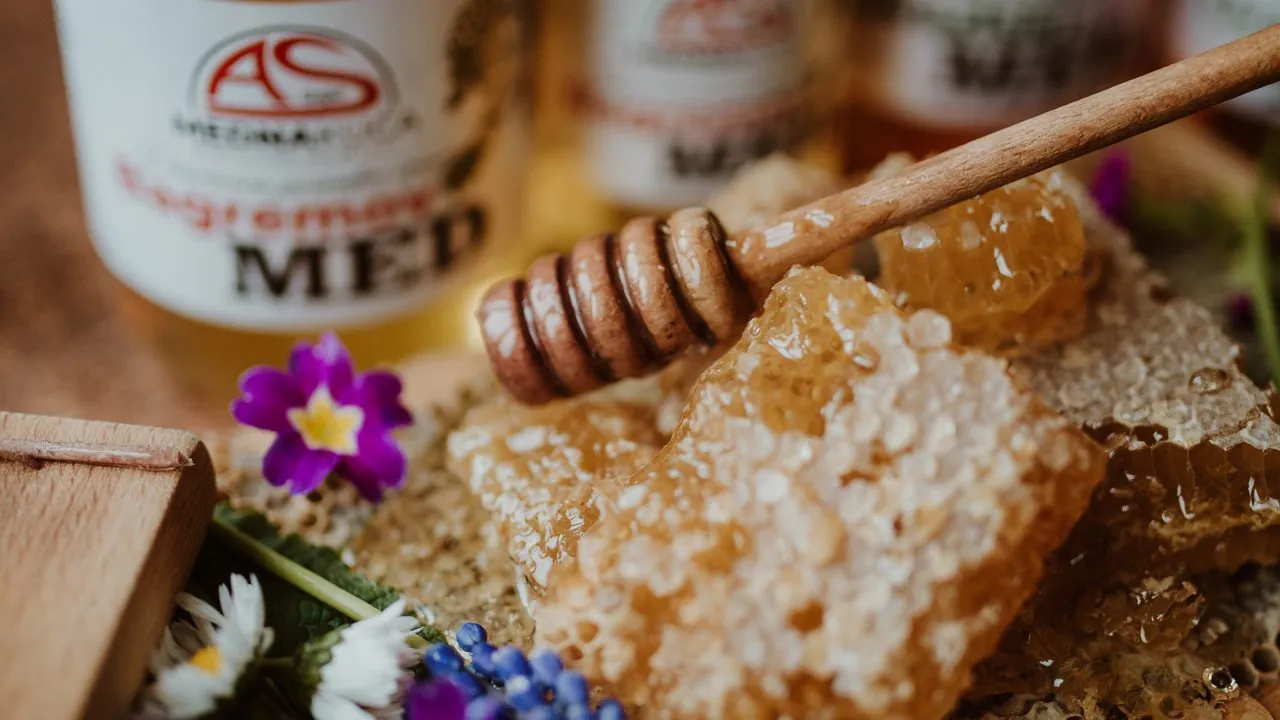
UMF 10+ equals roughly 263 mg/kg of methylglyoxal. What the grades mean, who certifies them, and why manuka honey costs so much.
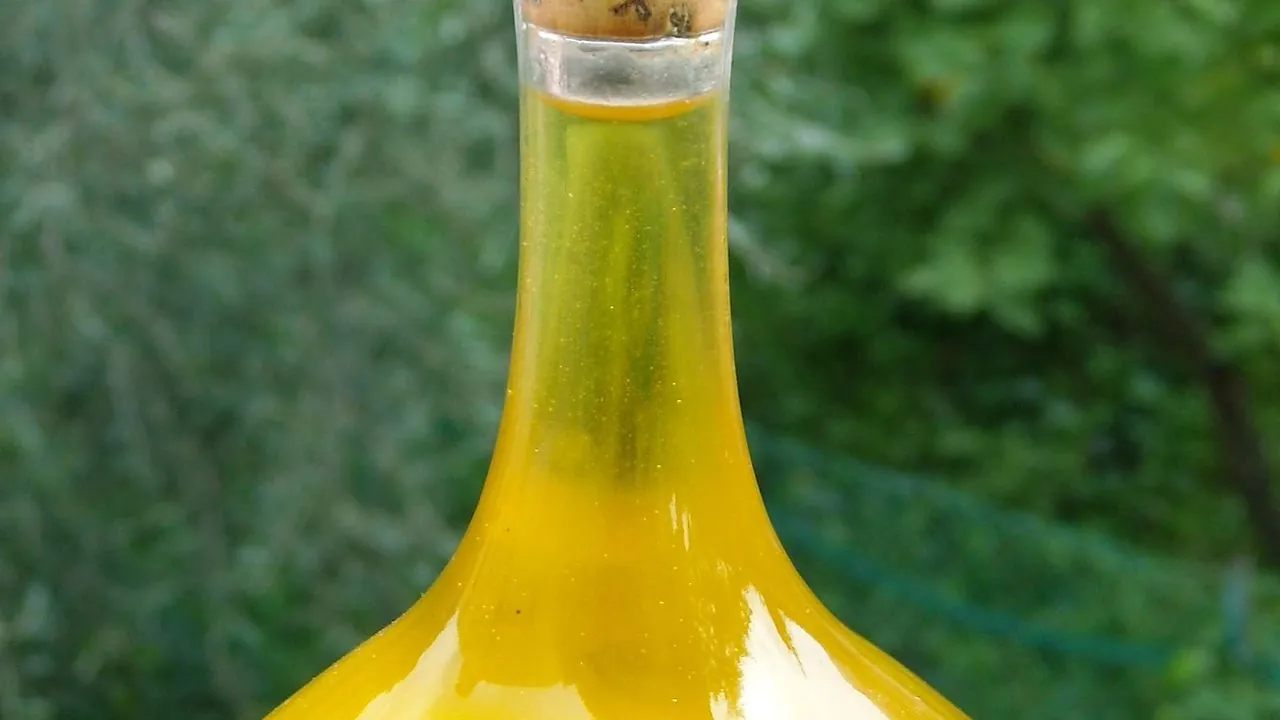
Free acidity below 0.8 percent, peroxide under 20, mechanical extraction only. The International Olive Council rules behind the bottle.