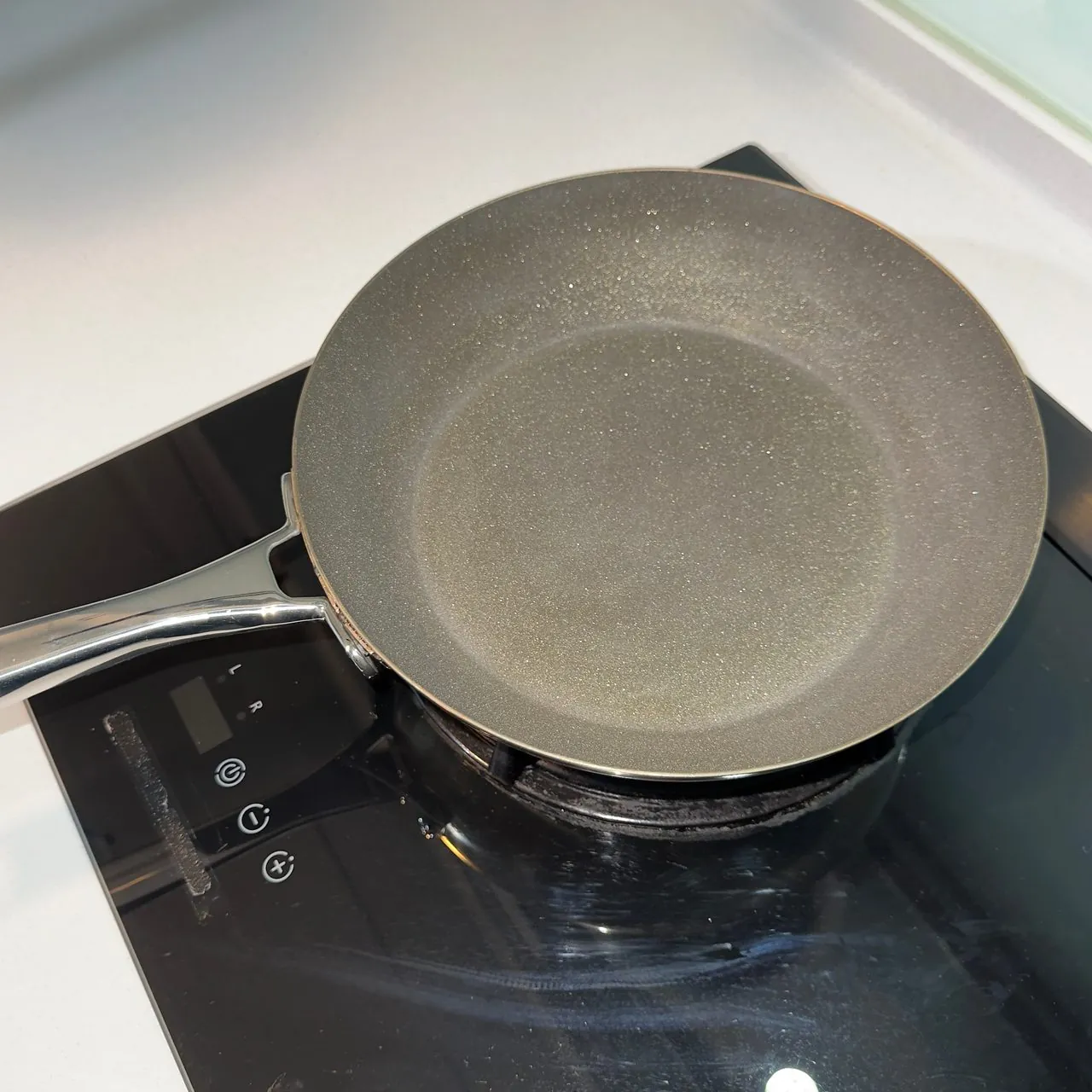
Nonstick Pans: How Long They Last and When to Toss Them
PTFE coatings fail at high heat and with metal tools. The honest lifespan of a nonstick pan, the safety facts, and better care habits.
Step into a serious restaurant kitchen just before service and look at the pans racked beside the omelet station. They are not nonstick, and they are not cast iron. They are dark, handheld, quietly battered discs of carbon steel, polished black by months of eggs. Professional cooks reach for carbon steel the way carpenters reach for a claw hammer: not because it is glamorous, but because it does the most work with the least complaint. Home cooks have been slower to catch on, partly because these pans arrive looking like industrial hardware. The ceremony before they shine is worth learning.
The pan body and the handle may have different temperature limits. Mineral B's steel surface is smooth; the bee mark and protective beeswax should not be confused with a honeycomb cooking layer. Check the exact product's first-use cleaning and oven instructions, especially where handles have a finish or are made from another material.
A thin oil film is enough for seasoning. If the surface remains sticky, inspect excess oil and heating rather than immediately applying another heavy layer. Give a large pan time to warm gradually, particularly on a small induction zone, because uneven heating can encourage distortion. Bare steel's ability to tolerate searing does not mean it cannot warp.
For the first meals, choose food that does not demand a long acidic simmer. Keep a separate pot for tomato sauce or wine-heavy braises. Wash, dry and store the pan without trapping water. A developing bronze or mottled surface can still cook well; the useful test is the condition of the surface and how food releases with appropriate heat and fat, not whether the pan photographs uniformly black.
At the metallurgical level, carbon steel is disarmingly simple: iron with roughly one percent carbon and very little else. That small carbon content produces a pan that behaves nothing like the two materials most home cooks already own. Compared with cast iron, which is thick, brittle and famously heavy, carbon steel is lighter by a wide margin, a typical ten-inch skillet weighing a bit over two pounds. Its wall is thinner, so the metal heats in seconds and cools almost as fast. Where cast iron behaves like a brick, holding its temperature stubbornly, carbon steel behaves like a sports car: it answers the throttle immediately.
That responsiveness explains its professional pedigree. A French omelet wants gentle, shifting heat and a surface slick enough to release rolled eggs. A wok wants violent, concentrated heat that recovers the instant cold vegetables hit the metal. Carbon steel is the standard at both stations because it can swing between those extremes within a single shift. It also shrugs off the scorching temperatures that destroy coated pans, making it the tool of choice for searing, charring and blistering.
No single maker owns the category, but a short list dominates professional kitchens:
There is no bad choice among these. Thicker pans hold heat more steadily; thinner ones respond faster. Handle shape, diameter and weight matter more than any logo; pick the pan that feels balanced in one hand.
New carbon-steel pans look dull grey and arrive slick with a faintly waxy film. That coating is deliberate: raw steel is coated in wax to survive shipping, and it will smoke, stink and gum up your first potatoes if you skip removal. Follow the maker's first-use cleaning instructions with hot water and a suitable sponge until the grey metal gleams and the waxy drag disappears, then dry it at once, because bare steel begins rusting within minutes. Scrubbing a coating off a brand-new pan feels absurd, but it is the difference between seasoning that bonds and seasoning that peels.
Once clean, the pan gets seasoned exactly like cast iron, because the chemistry is identical. Oil brushed onto hot steel polymerizes into a hard, varnish-like film that bonds to the metal and seals it against oxygen and moisture. Thin layers matter enormously: a heavy pour pools, stays sticky and eventually flakes off. Wipe the pan with a whisper of neutral oil, heat it until it just begins to smoke, let it cool, and repeat the cycle several times. Many cooks finish by frying discarded potato skins in oil, which buffs and hardens the young surface while it cooks.
Do not chase a mirror-black finish on day one. Real seasoning comes from cooking, especially fat-rich food, and the pan will blotch and streak for months before it settles into an even, deep bronze. Blotches are not failure. They are a schedule.
Ask cooks who struggle with carbon steel what went wrong and the answer is almost never the pan; it is the timing. Food welded to the metal was added too early, to a cold or unevenly heated surface. Preheat the empty pan for two or three minutes over medium heat, flick a drop of water onto it, and watch: if the droplet skitters and balls up like mercury, the pan is ready. Add the oil, let it shimmer for a few seconds, then add the food. Done this way, an egg slides, a piece of fish releases on its own once the crust sets, and a steak browns without a whisper of sticking.
Respect its limits, too. Carbon steel is a searing and sauteing instrument, not a stockpot. Long-simmered acidic sauces, tomato braises and bean stews slowly strip the seasoning and can lend a metallic edge to the food. Keep an enameled Dutch oven for that work and let the carbon steel do what it does best.
The price of responsive bare metal is vigilance. Never put carbon steel in the dishwasher, never leave it soaking overnight and never stash it wet. Wash it warm with hot water and a stiff brush, use soap only when truly needed, dry it on the burner for half a minute, and wipe in a drop of oil before storing. A rusty patch is not a tragedy: scrub it out, dry the pan and reseason the spot.
Construction and care guidance, rather than a scored test of brands or a guarantee about every handle.
PTFE coatings fail at high heat and with metal tools. The honest lifespan of a nonstick pan, the safety facts, and better care habits.
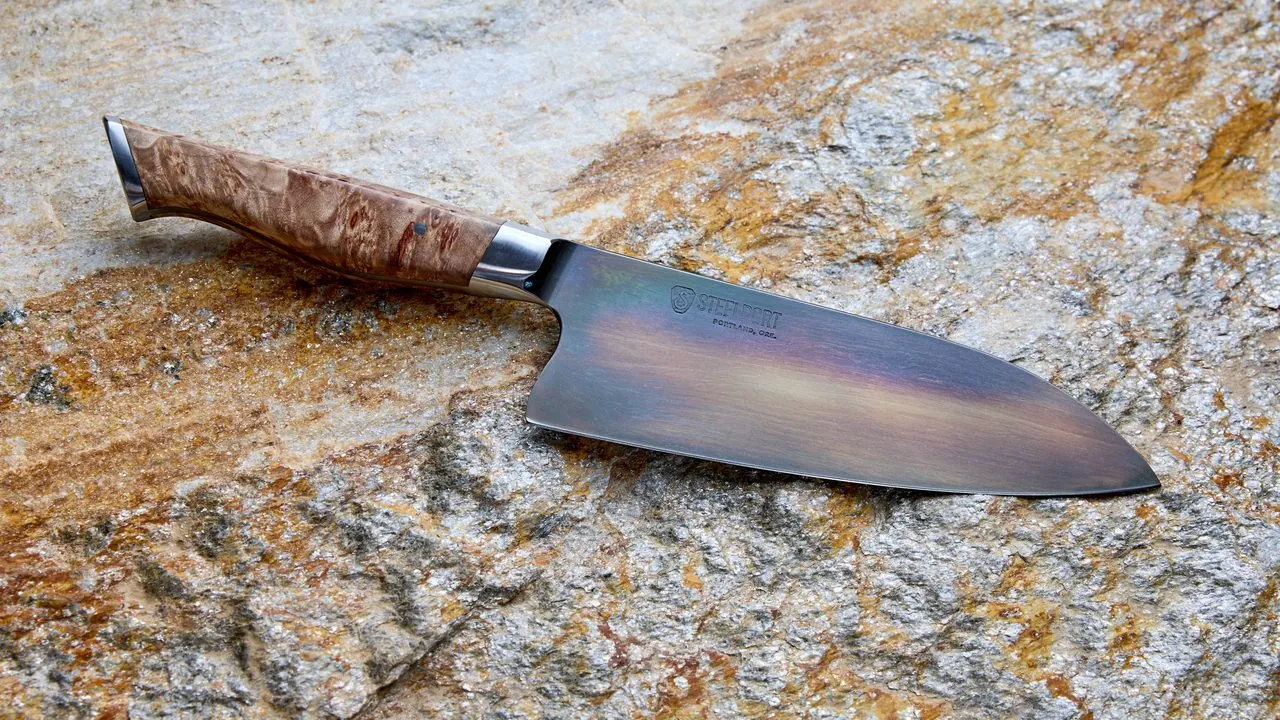
Skip the block set. An 8-inch chef’s knife, a paring knife and a bread knife do everything. Steel types, handle shapes and the feel test.
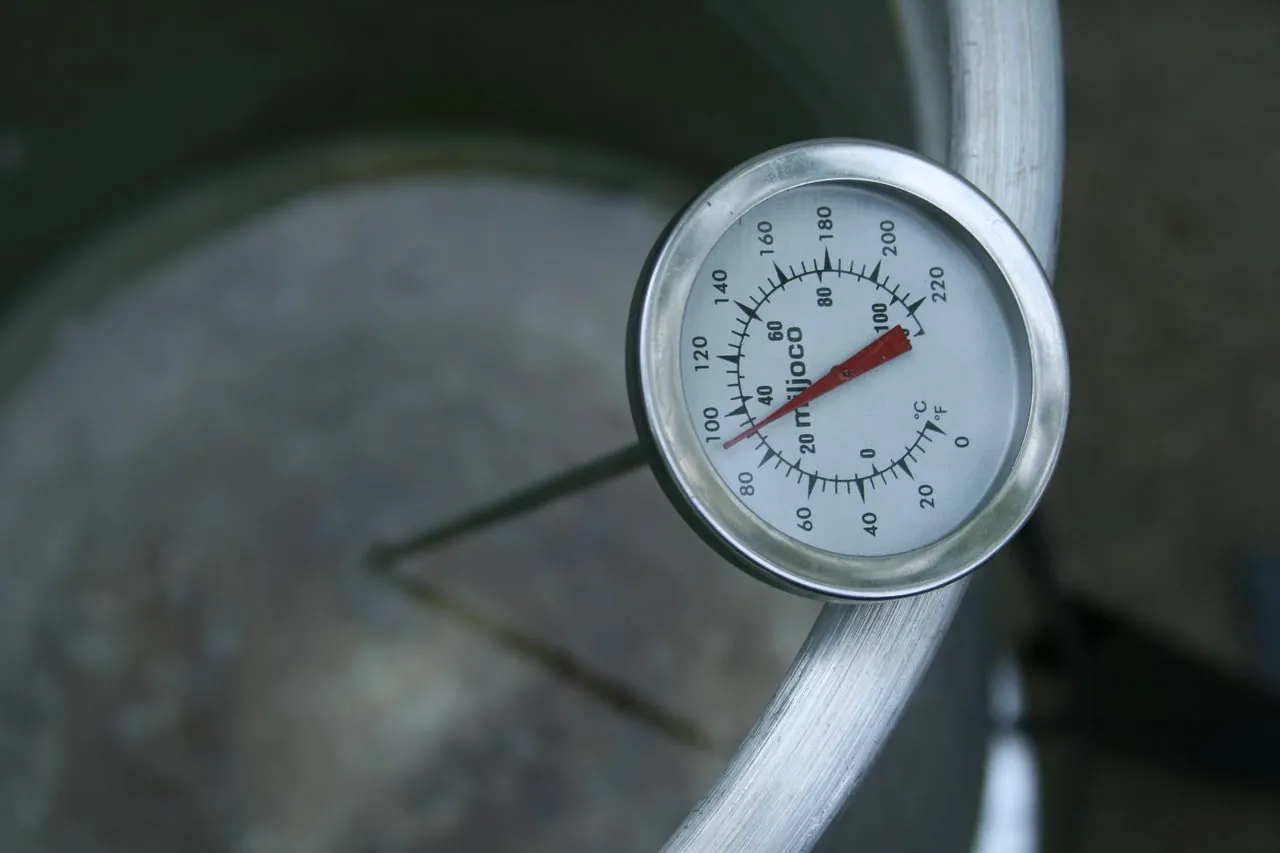
Choose a food thermometer by accuracy and use, then measure the right spot. Consumer safety endpoints and sous vide hold times serve different purposes.