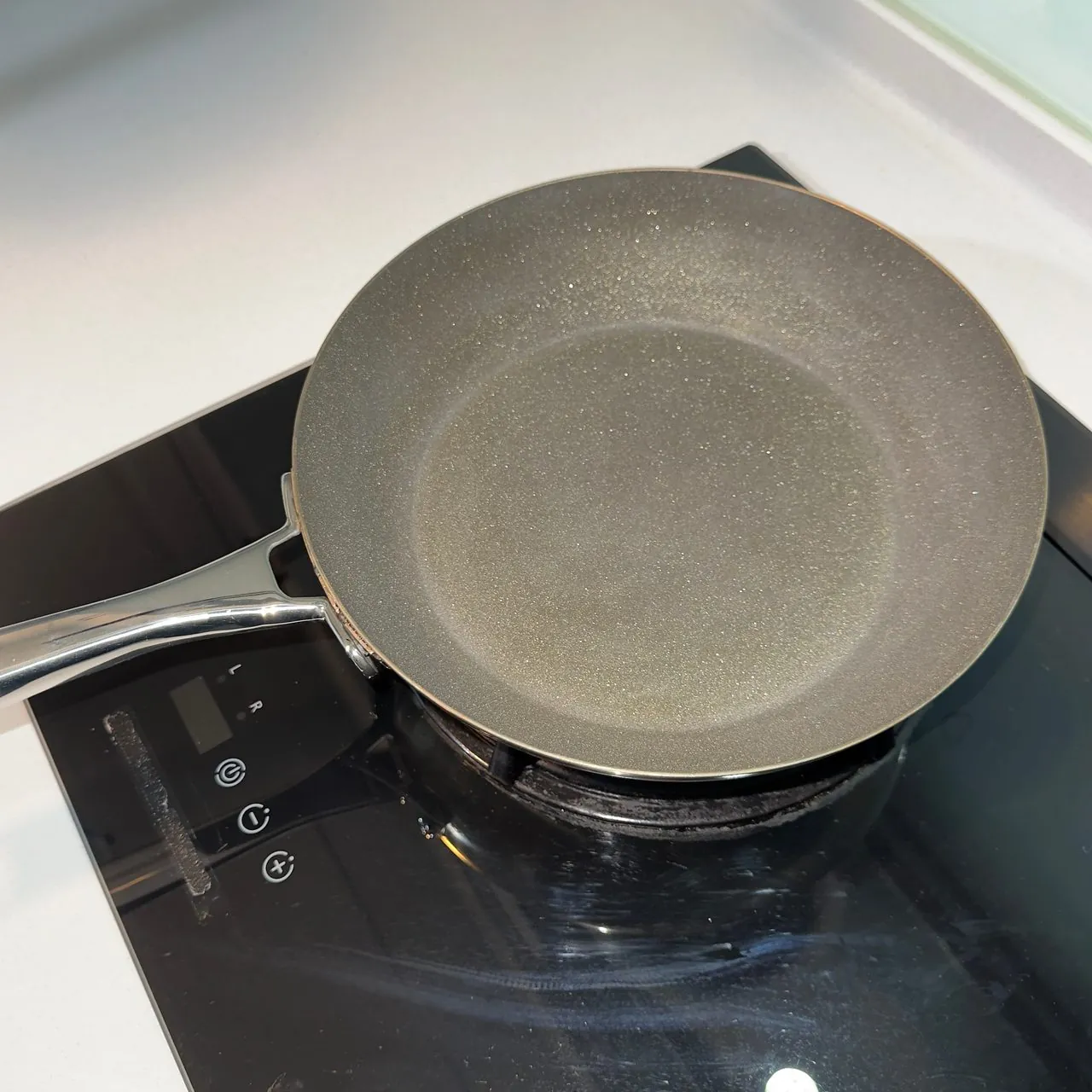
Nonstick Pans: How Long They Last and When to Toss Them
PTFE coatings fail at high heat and with metal tools. The honest lifespan of a nonstick pan, the safety facts, and better care habits.
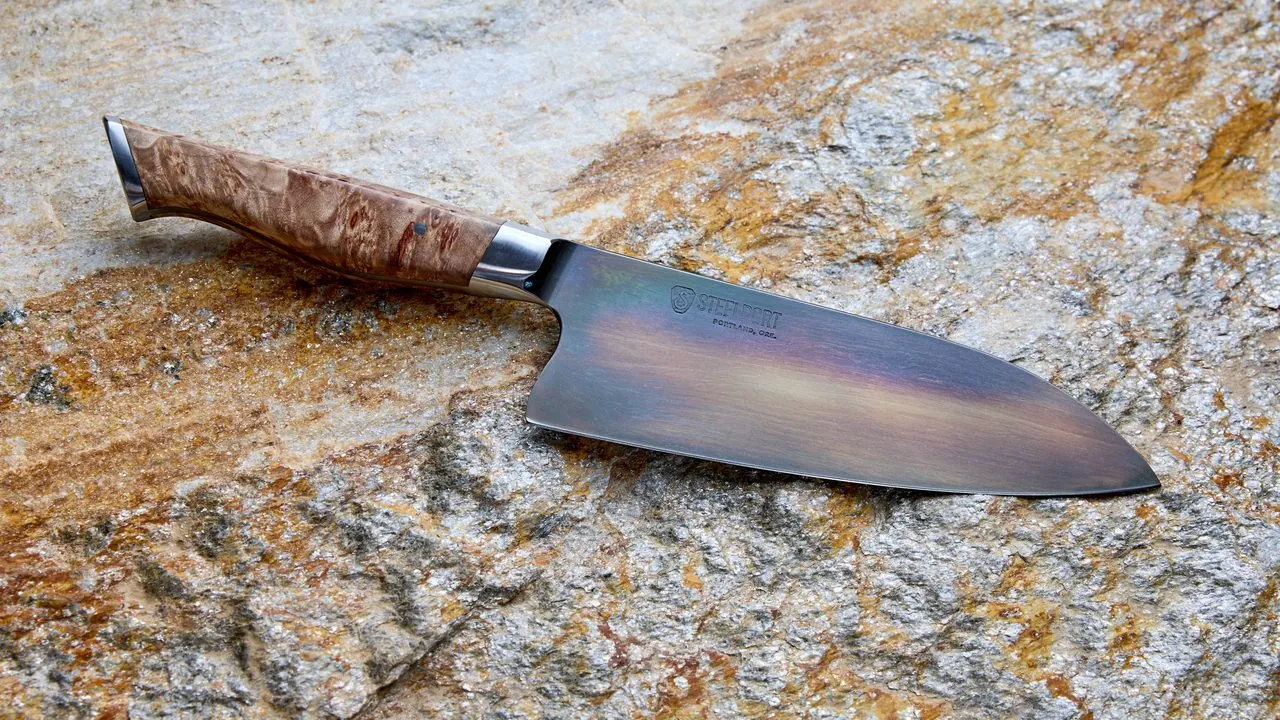
Walk into any housewares store and the knife wall will happily sell you twenty pieces of steel. Almost every cook needs three. The block set is one of retail's great upcharges — a dozen filler knives that live and die in a drawer — while the three that matter do essentially everything: an 8-inch chef's knife for the daily work, a small paring knife for the close work, a serrated bread knife for the crusty work. Of the three, the chef's knife deserves the real thought, and choosing it well is less about brand than about steel, shape and fit.
Start with the food you prepare most often. An eight-inch chef's knife is a versatile reference, but a smaller hand, narrow board or preference for push-cutting can make another length or profile more comfortable. A knife that feels manageable through ten minutes of vegetables is a better starting point than the longest blade in a set.
At a shop that permits handling, compare balance, handle clearance, grip security and the effort needed to lift the tip. These are handling observations, not a cutting trial. Do not test a retail blade on food without permission or assume a high price guarantees a suitable edge. Check maintenance requirements before buying very hard or reactive steel.
Honing and sharpening are related but different tasks. A rod can maintain an edge in appropriate circumstances, while sharpening removes metal to create a new edge. Some brittle or very hard blades need a different maintenance approach from a softer Western knife. Follow the maker's angle and tool advice rather than applying force with whatever rod happens to be in the drawer.
The workhorse format barely varies across the world's kitchens. In the Western tradition it is the 8-inch chef's knife: about 20 centimeters of broad blade that chops, slices, dices and minces everything from butternut squash to basil. The Japanese answer is the gyuto — a chef's knife by another name — or the wider santoku, in lengths from 210 to 240 millimeters. The differences between these formats are smaller than the catalogs imply: each is designed to cut efficiently against a board for hours at a stretch. What matters comes down to three tests:
If a knife fails any of the three, no amount of steel quality will save it. If it passes all three, the remaining decisions are about steel and feel.
Then comes the steel itself, which genuinely splits into two schools. High-carbon stainless steel is the modern standard — it holds a keen edge and resists rust — but it can be formulated tough and soft or hard and brittle, and the great knife-making nations chose differently. German makers such as Wüsthof and Zwilling lean soft and tough: their knives are heavier, with rounder bellies and thicker edges, forgiving of twisted cuts, board abuse and beginner technique, and they return to true with a few strokes of a honing steel. Japanese makers such as Masamoto and Global lean hard and thin: their blades take a sharper angle, glide through vegetables and protein with visibly less effort, and demand respect in return — a hard, thin edge can chip if you twist it, hack into winter squash or strike a bone. Neither school is wrong. German knives tolerate you; Japanese knives reward you. In practice the split shows up at the cutting board: a German blade powers through a winter squash without complaint, while a Japanese blade turns a pile of herbs into a fine chiffonade with barely any bruising. Serious cooks eventually own one of each; a first knife should simply be the one that matches the way you actually cook.
Here is the part no review can settle for you: the most important specification of a knife is how it feels in your hand. The handle should let you hold a pinch grip — thumb and forefinger on the blade's shoulders, three fingers wrapped on the handle — comfortably for twenty minutes, because the pinch grip is how a chef's knife is actually controlled. Look for a full tang, meaning the blade's steel runs the entire length of the handle, which buys balance and durability that spec sheets cannot convey. Handles themselves vary more than blades do — wood, composite, molded plastic, Western grips, Japanese wa handles — and none of it matters if a bolster or rivet digs into your palm. Weight is a preference, not a virtue; what matters is balance, so the knife feels like an extension of the forearm rather than a load on it. A mid-range knife that fits your hand will outperform a flagship that does not, every single time — which is why it pays to buy in person somewhere, and hold the knife before believing anything written about it.
A sharp knife is safer than a dull one — it bites where you put it instead of skidding off an onion — and keeping it sharp is easier than the mythology suggests. Hone often: a few light strokes on a honing rod straighten the microscopic curl at the edge's apex, and this belongs in the routine nearly every time you cook. Sharpen rarely: true sharpening removes steel and resets the edge, and most home cooks need it only a couple of times a year. Learn a whetstone if the ritual appeals, or hand the knife to a reputable sharpener and let them carry the skill for you. Between sessions, protect the edge: never the dishwasher, never loose in a drawer, never scraped sideways across the cutting board. Edge care is a habit, not a chore, and the habit costs minutes.
A selection guide based on construction and handling principles, not comparative hands-on product testing.
PTFE coatings fail at high heat and with metal tools. The honest lifespan of a nonstick pan, the safety facts, and better care habits.
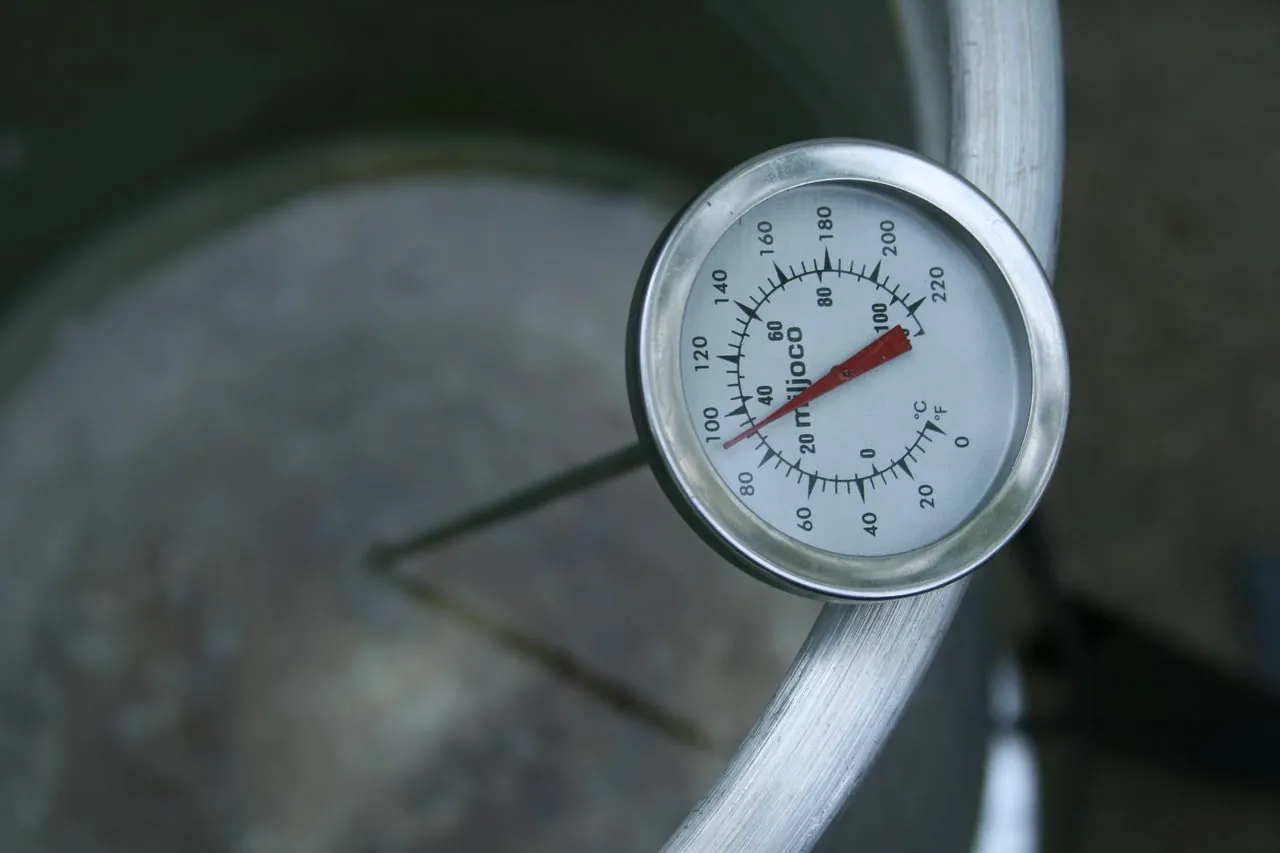
Choose a food thermometer by accuracy and use, then measure the right spot. Consumer safety endpoints and sous vide hold times serve different purposes.
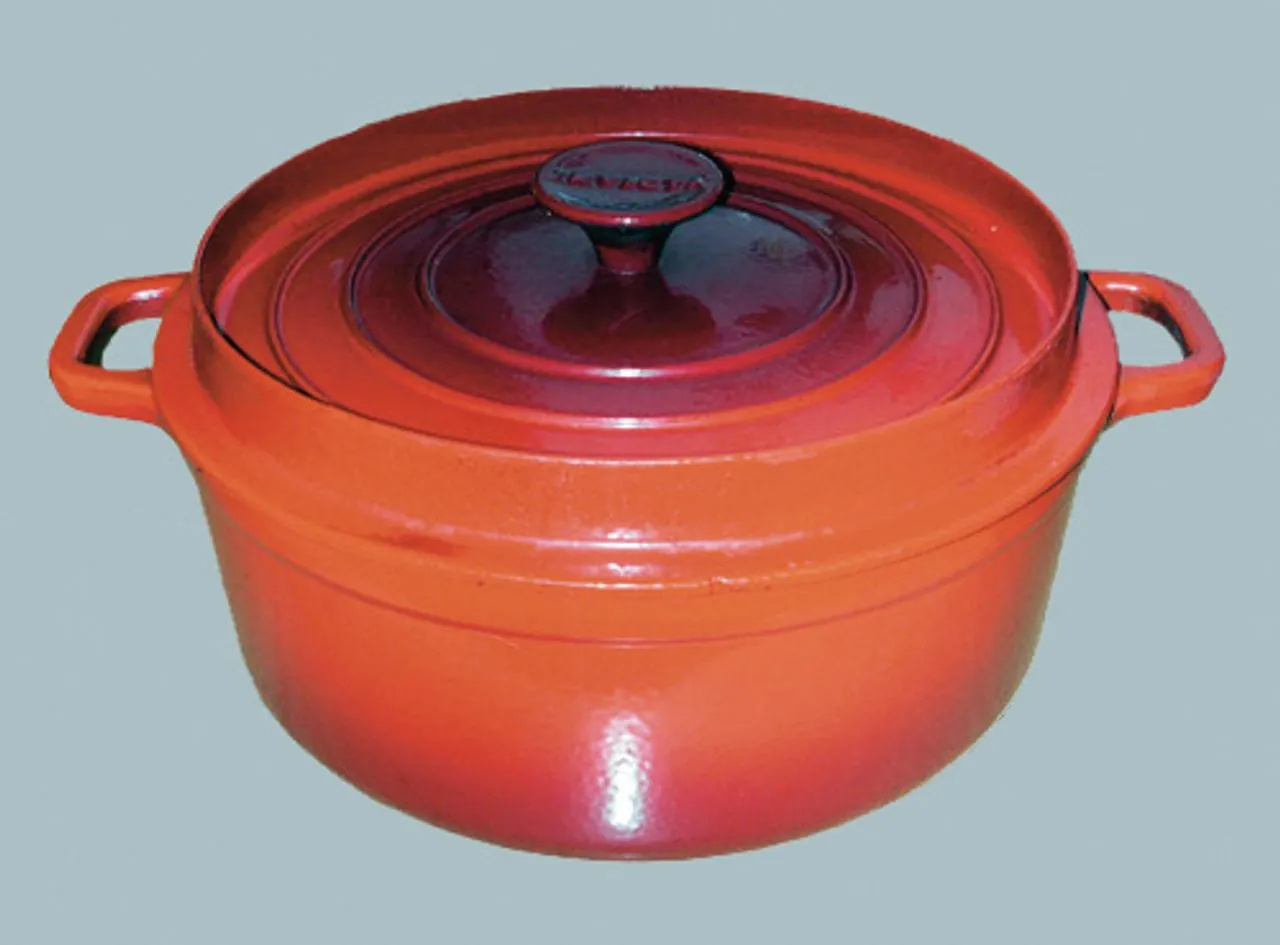
Le Creuset has cast cocottes in France since 1925. When enameled cast iron is worth it, when bare iron wins, and how to make yours last.