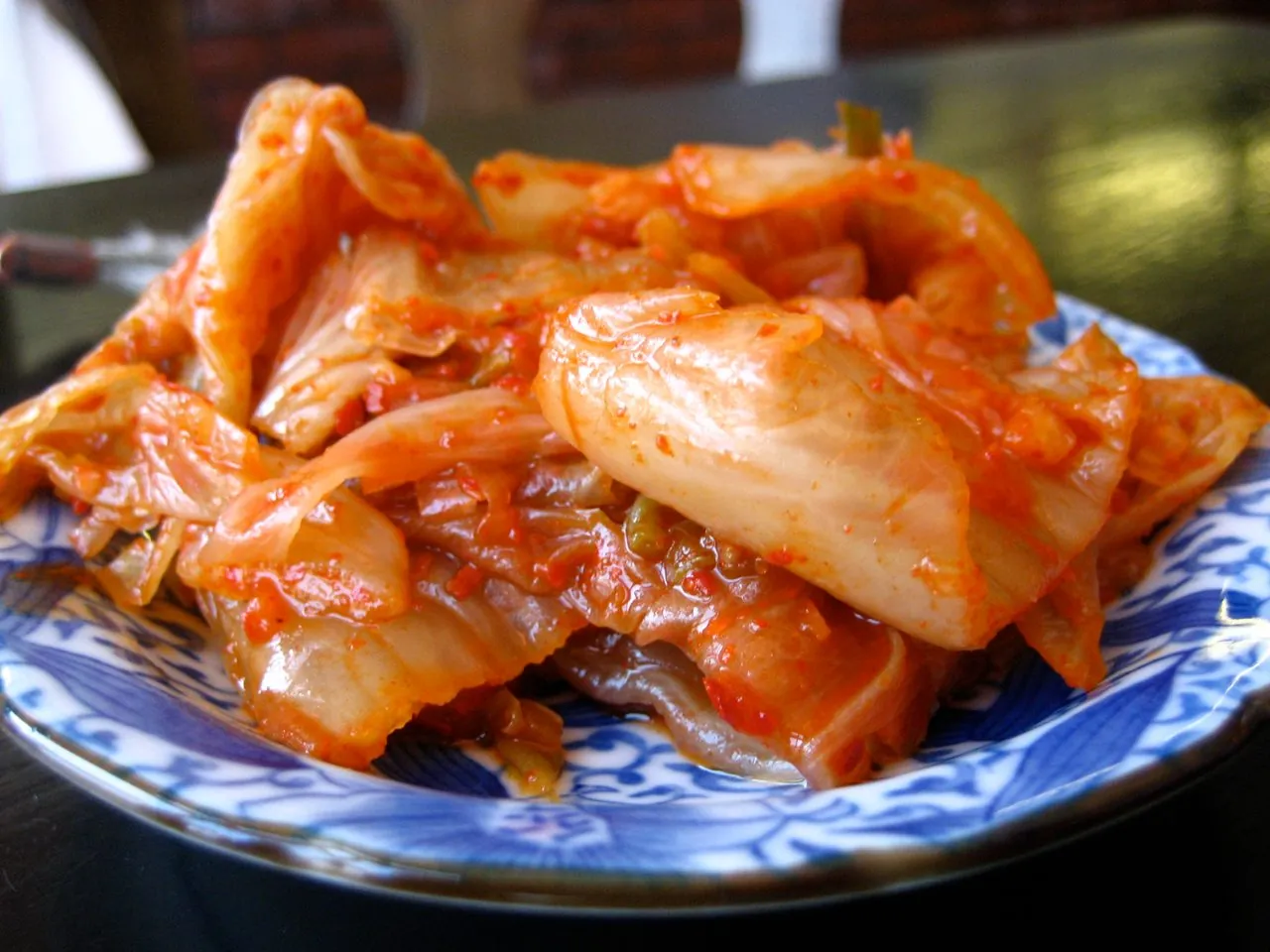
Kimjang: The Kimchi Ritual UNESCO Listed as Heritage
Every late autumn, Korean households make a winter’s worth of kimchi together. The UNESCO-inscribed tradition and the science of the jar.
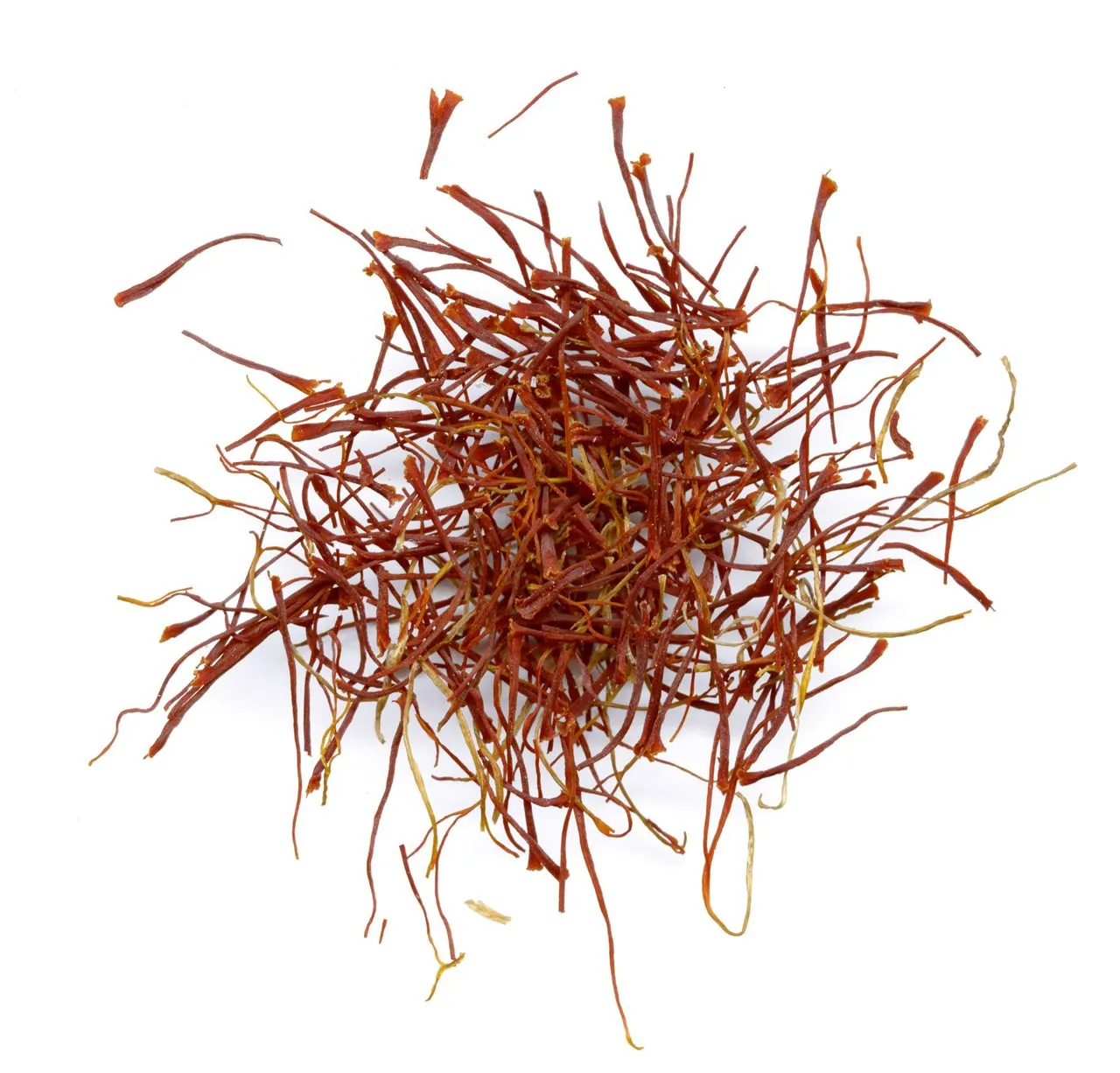
Saffron has always been priced like jewelry, and the reason is plain arithmetic. The spice is the dried stigma of Crocus sativus, an autumn-blooming crocus, and each flower produces exactly three of them — three crimson threads, each no longer than an eyelash. Roughly 150 flowers, picked one at a time by hand, are needed to yield a single gram of finished spice. No machine has ever done this work better than a fingertip and a practiced thumbnail, and no one has found a way to make a flower give more than it has. The grading systems, the frauds, the tiny vials — everything else about saffron follows from that fact.
Crocus sativus is a botanical oddity: it is sterile, producing no viable seed, so every saffron corm in the world exists because a human dug up a daughter corm and replanted it. The crop is propagated entirely by division, which means the saffron in a Spanish paella and the saffron in a Persian rice dish are, botanically speaking, ancient clones of the same plant. Each corm blooms only briefly in autumn, and the window is unforgiving. Flowers open at dawn and fade within a day, and pickers move through the fields in the early light, pinching blossoms into baskets before the sun can bleed away color and aroma. A single corm produces only a handful of flowers across its whole season — with the count varying by corm size, growing conditions and season — which is why the arithmetic never improves: more land means more flowers, and more flowers still mean only three threads per bloom.
The harvest is only half the labor. Once the flowers reach the processing shed, the stigmas are separated from the rest of the bloom — traditionally by hand, a flick of the fingernail at the base of each style — and laid out to dry over gentle heat. Drying is where the spice is actually made: it concentrates the compounds behind saffron’s color, bitterness and perfume, and fixes the threads into the brittle, trumpet-shaped flakes that rattle in a jar. Kept in an airtight tin away from light, the threads last for years; dried carelessly, they fade on the shelf before they are ever used. The finished yield is small by any standard, which is why saffron is sold by the gram and cooks treat a pinch of the real thing like stones — counted, not scooped.
Iran produces the large majority of the world’s saffron, and has for a very long time; the cultivation belt runs through the arid east of the country, where scorching summers and genuinely cold winters suit the corms. Beyond Iran, saffron is grown commercially in Spain, Greece, Kashmir and Afghanistan, among others, often under regional names and protected designations that carry real prestige. But the Persian harvest sets the global tone, and a large share of the threads in the world’s kitchens — whatever the tin on the shelf says — began in Iranian fields. For a home cook, origin matters less than freshness and honest handling. Saffron is one of the few luxuries where a modest purchase, kept well and used deliberately, lasts an entire year.
ISO 3632 describes saffron quality and test methods. The familiar analytical indicators concern crocin-related colouring strength, picrocrocin-related bitterness and safranal-related aroma. Safranal is an aroma compound, distinct from the pigments responsible for colour. Laboratory grade, moisture and foreign matter provide different information, and a visually attractive thread does not establish an ISO category. Ask a supplier who advertises a grade for a batch-specific report and its test date rather than treating the words premium or all red as equivalent measurements.
Anything this expensive attracts fraud, and saffron has been adulterated for as long as it has been traded. The classic fakes are dyed safflower petals and turmeric, sometimes stretched with dyed plant fibers of no relation to the crocus. The defenses are simple, and they fit on a shopping list:
These are screening clues, not authentication tests. A home water test cannot establish purity, exclude every adulterant or certify an ISO grade.
A simple water test can reveal an obviously suspicious product, but it cannot exclude every dye, substitute fibre or exhausted thread. The same applies to a photograph of a bright red pile. Colour, fragrance, moisture and analytical strength are different observations; no single home trick establishes all of them.
If a seller advertises an ISO grade, look for a report connected to the lot, with a laboratory and date. A certificate that describes a company's general quality policy is different from a result for the spice in the packet. Store small purchases airtight and away from light and heat, and buy an amount you can use while its aroma remains useful.
For cooking, bloom a small measured pinch in warm liquid and add both threads and liquid to the dish. Increase cautiously on the next attempt if needed; an expensive packet is no reason to add an overpowering quantity. Flowering depends on corm size and growing conditions; a seller's fixed yield promise needs cultivation evidence rather than an assumed universal count.
Home colour checks can reveal suspicious threads but cannot certify authenticity or an ISO grade.
Every late autumn, Korean households make a winter’s worth of kimchi together. The UNESCO-inscribed tradition and the science of the jar.
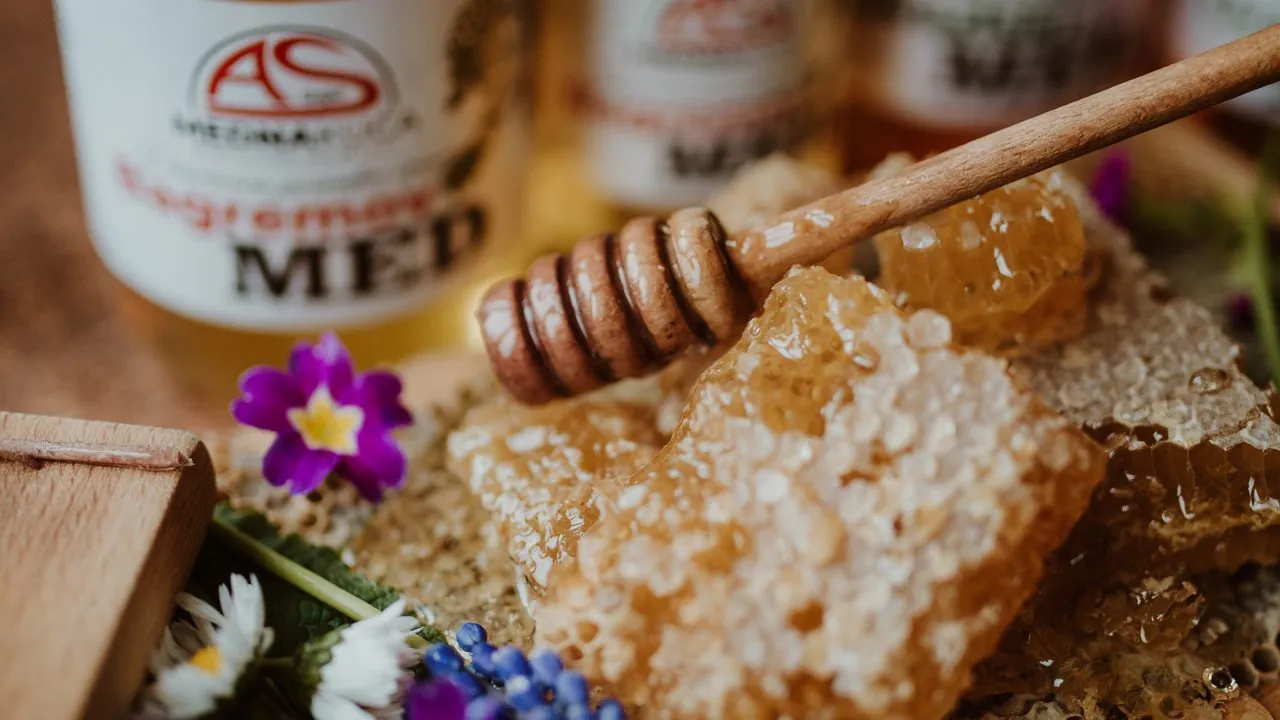
UMF 10+ equals roughly 263 mg/kg of methylglyoxal. What the grades mean, who certifies them, and why manuka honey costs so much.
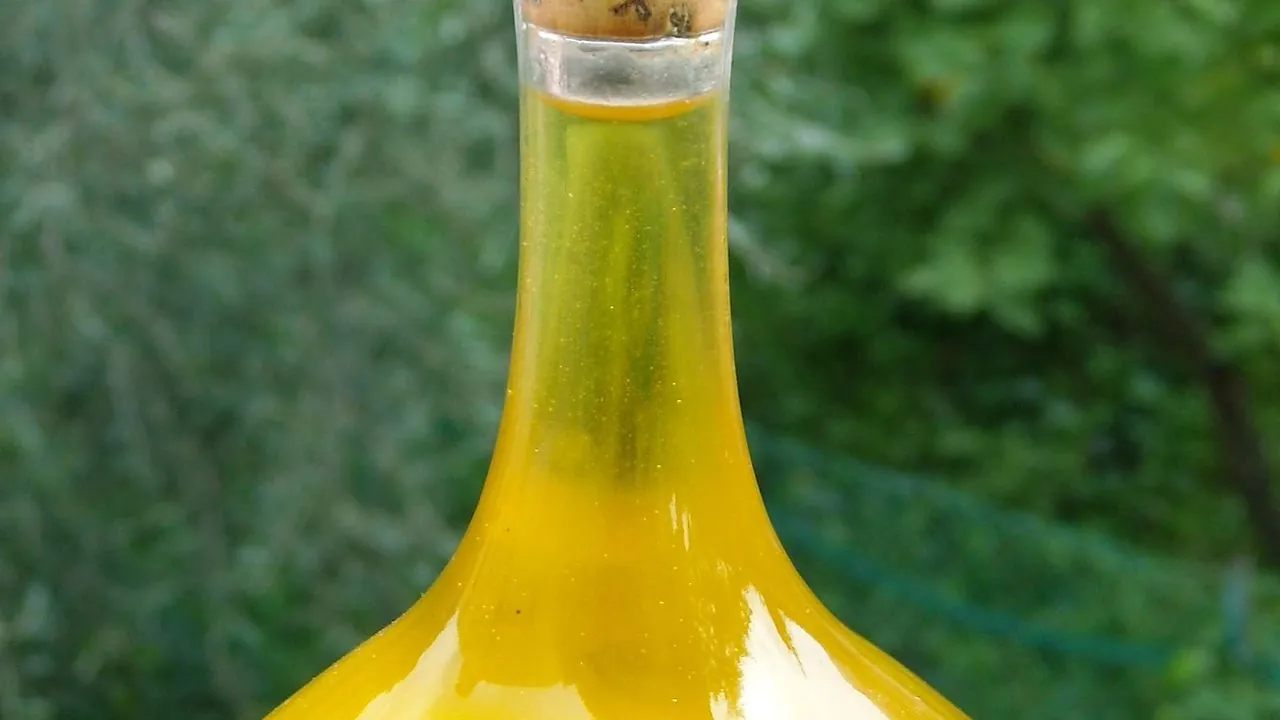
Free acidity below 0.8 percent, peroxide under 20, mechanical extraction only. The International Olive Council rules behind the bottle.