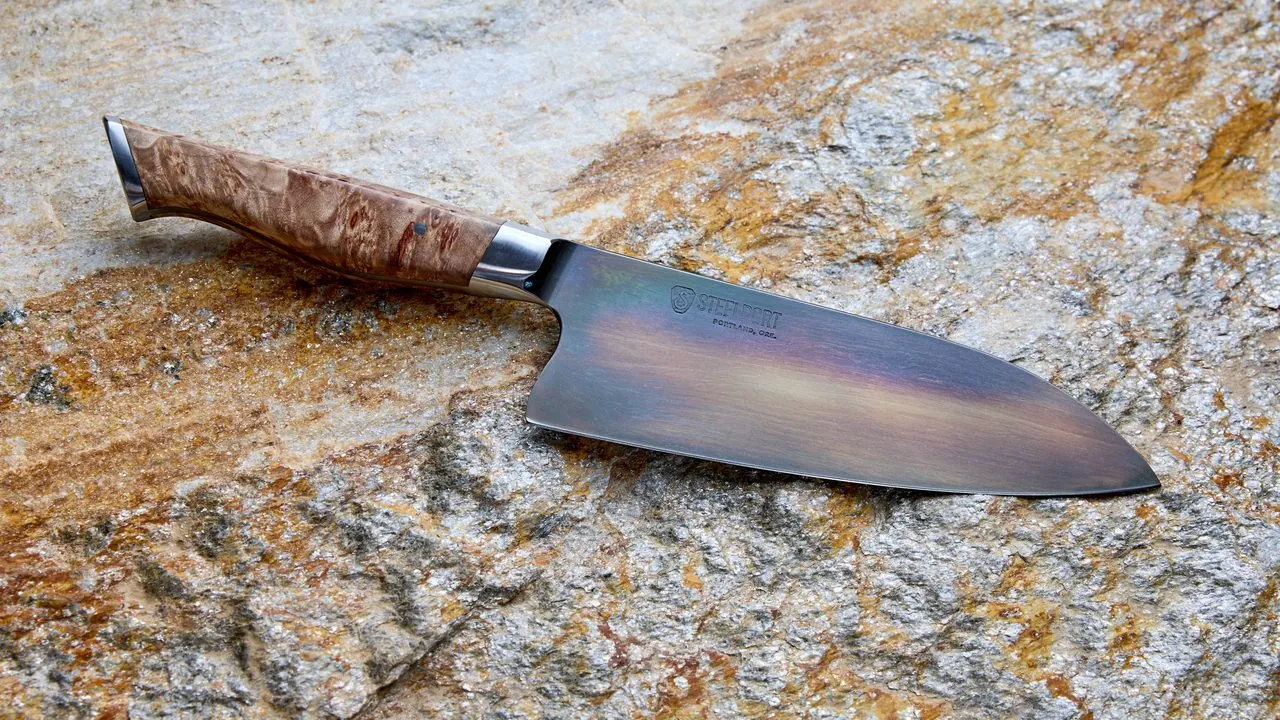
The Only Kitchen Knife Most Cooks Need: A Buyer’s Guide
Skip the block set. An 8-inch chef’s knife, a paring knife and a bread knife do everything. Steel types, handle shapes and the feel test.
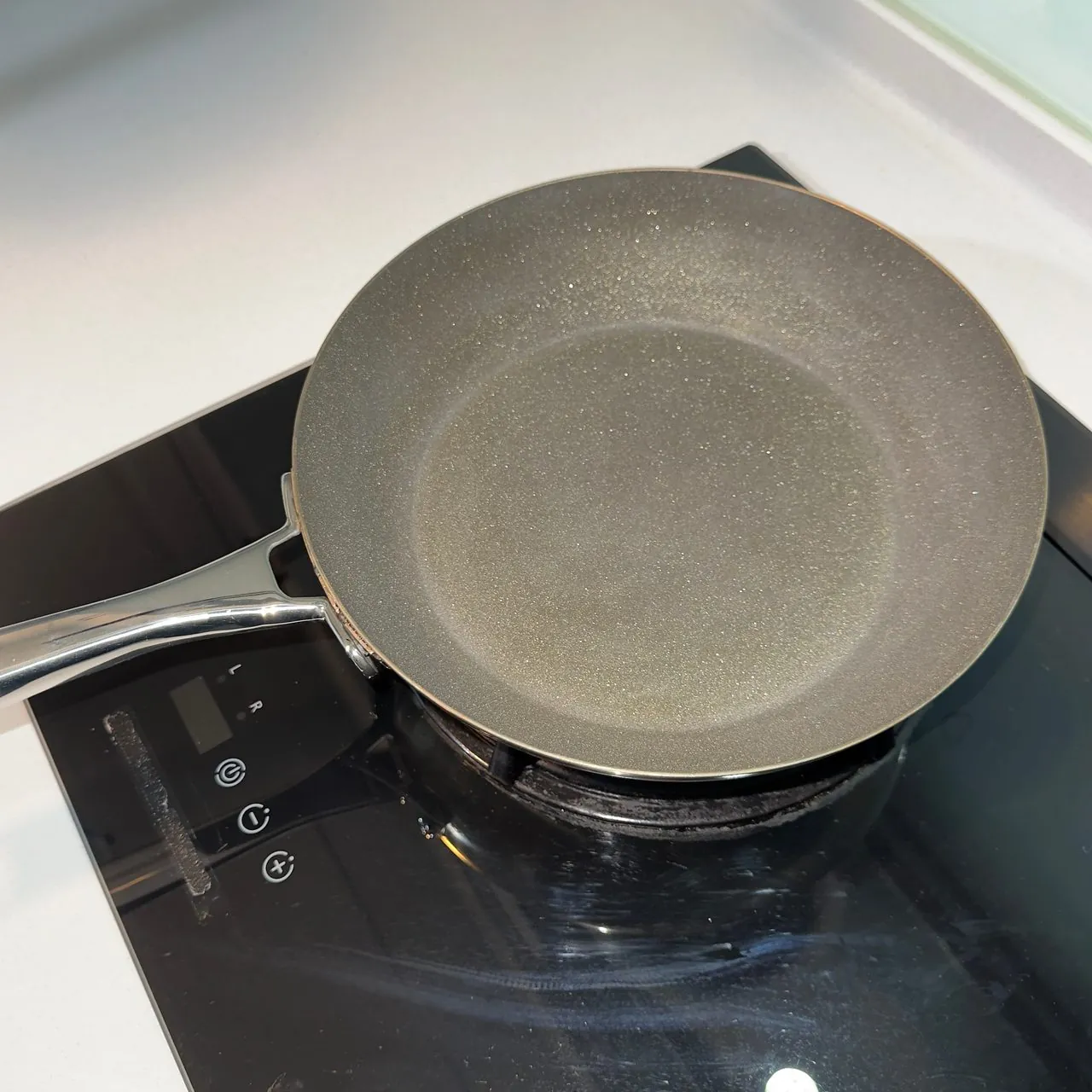
Every kitchen has one: the black pan that fried eggs beautifully for a year and now lets them weld themselves to the center. Nonstick cookware is the only category where failure is the design's eventual destiny, and almost nobody tells buyers that at the register. The coatings are genuinely wonderful and genuinely mortal, and the difference between a pan that lasts three years and one that limps to eighteen months is almost entirely how you treat it. Here is what the coating is, how it dies, what the safety story really says, and how to stretch its honest lifespan.
A calendar age is a poor substitute for inspecting the pan. Look for peeling, blistering, an exposed substrate, deep damage or persistent loss of release after appropriate cleaning. If the maker provides replacement guidance, use it. A pan that is still serviceable after several years and a damaged pan bought recently should not receive the same verdict simply because of age.
Match the job to the coating. Gentle egg cooking is different from a dry steak sear under maximum heat. Before buying, check whether the stated oven limit applies to the entire pan, including handle and lid, and whether the manufacturer allows dishwasher cleaning or particular utensils. A PFOA-free statement does not mean that the cookware is free of all PFAS or that overheating is harmless.
For comparing alternatives, separate renewal from convenience. Seasoned iron can be restored but asks for maintenance; a coated pan may release more easily with less learning but cannot have its factory coating repaired at home. Choose between those trade-offs rather than interpreting an environmental or chemical label as a complete performance review.
The story begins in 1938, when a DuPont chemist named Roy Plunkett accidentally discovered PTFE, the slick, nearly inert fluoropolymer the world knows as Teflon. Plunkett was experimenting with refrigerant gases when a cylinder that should have held gas held instead a strange white powder, one that nothing seemed to stick to, chemically attack or dissolve. That slippery indifference is exactly what a fried egg wants from a pan, and after the war the coating found its way into cookware, creating a category that had never existed before: a pan that food simply refused to bond with. It took years before anyone found a commercial use for the substance, and cookware was far from the first: the coating made its name on everything from electrical insulation to aerospace parts before it reached the kitchen.
PTFE fails in two predictable ways, and both are preventable with slightly changed habits. The first killer is dry heat. Above roughly 500 degrees Fahrenheit, 260 Celsius, the coating begins to degrade, and an empty pan left over a roaring burner can reach that in minutes. The second is abrasion. Metal spoons, forks and knives carve micro-grooves into a surface that is only a few molecules thick, and after a year of small scratches the eggs start sticking in a wounded center the size of your fork. Dishwasher detergent, and the thermal shock of cold water hitting a hot pan, accelerate the decline by attacking the bond between coating and metal. Managed well, a coated pan lasts about three to five years of careful use; abused, it fails in half that time.
The modern line is clear: PFOA and PTFE are different chemicals. EPA's stewardship program asked participating manufacturers to eliminate PFOA from emissions and product content by 2015. That program does not establish a universal 2013 cutoff for every pan or importing market; check the specific manufacturer's declaration. Flakes of coating that end up in food are considered inert and simply pass through the body; the real consequence is a pan that no longer works. The genuine risk is fumes from a badly overheated pan, which can cause temporary flu-like irritation in people and are notoriously dangerous to pet birds. That is one more reason never to preheat a nonstick pan empty on high heat or slide it under a broiler. Ventilate if you ever smell an overheated coating, keep the heat reasonable, and these precautions reduce avoidable overheating exposure.
The rules are short, cheap and worth printing out:
Use the pan where its talents matter: eggs in every form, delicate fish fillets, crepes, pancakes, and sauces that scorch easily. Save the hard searing, the oven finishing and the long braises for other cookware, and the nonstick pan spends its limited life doing work nothing else does as well.
A well-seasoned carbon-steel or cast-iron pan offers a similar release with a surface that can be renewed forever rather than replaced, which is why most serious kitchens keep at least one alongside their nonstick. Ceramic-coated pans, the newer alternative, start impressively slick but generally lose their slickness faster than PTFE, trading a little lifespan for a different marketing story. The trade is different, not better: iron asks for seasoning discipline, while PTFE asks for gentleness, and each fails in its own characteristic way. The smart kitchen is not nonstick or cast iron; it is the right pan for each job, with the nonstick reserved for the fragile work.
A phase-out program is not a guarantee about every pan worldwide; consult the individual maker.
Skip the block set. An 8-inch chef’s knife, a paring knife and a bread knife do everything. Steel types, handle shapes and the feel test.
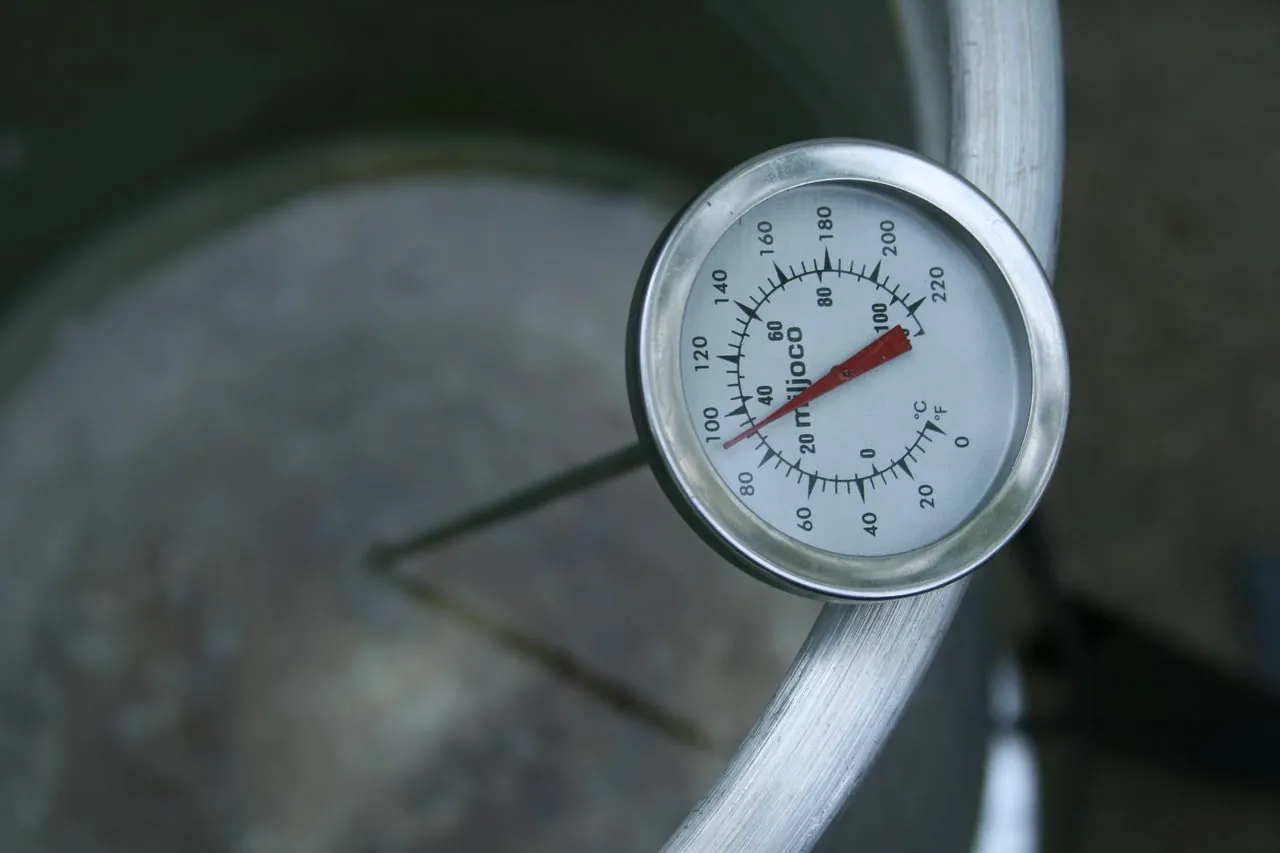
Choose a food thermometer by accuracy and use, then measure the right spot. Consumer safety endpoints and sous vide hold times serve different purposes.
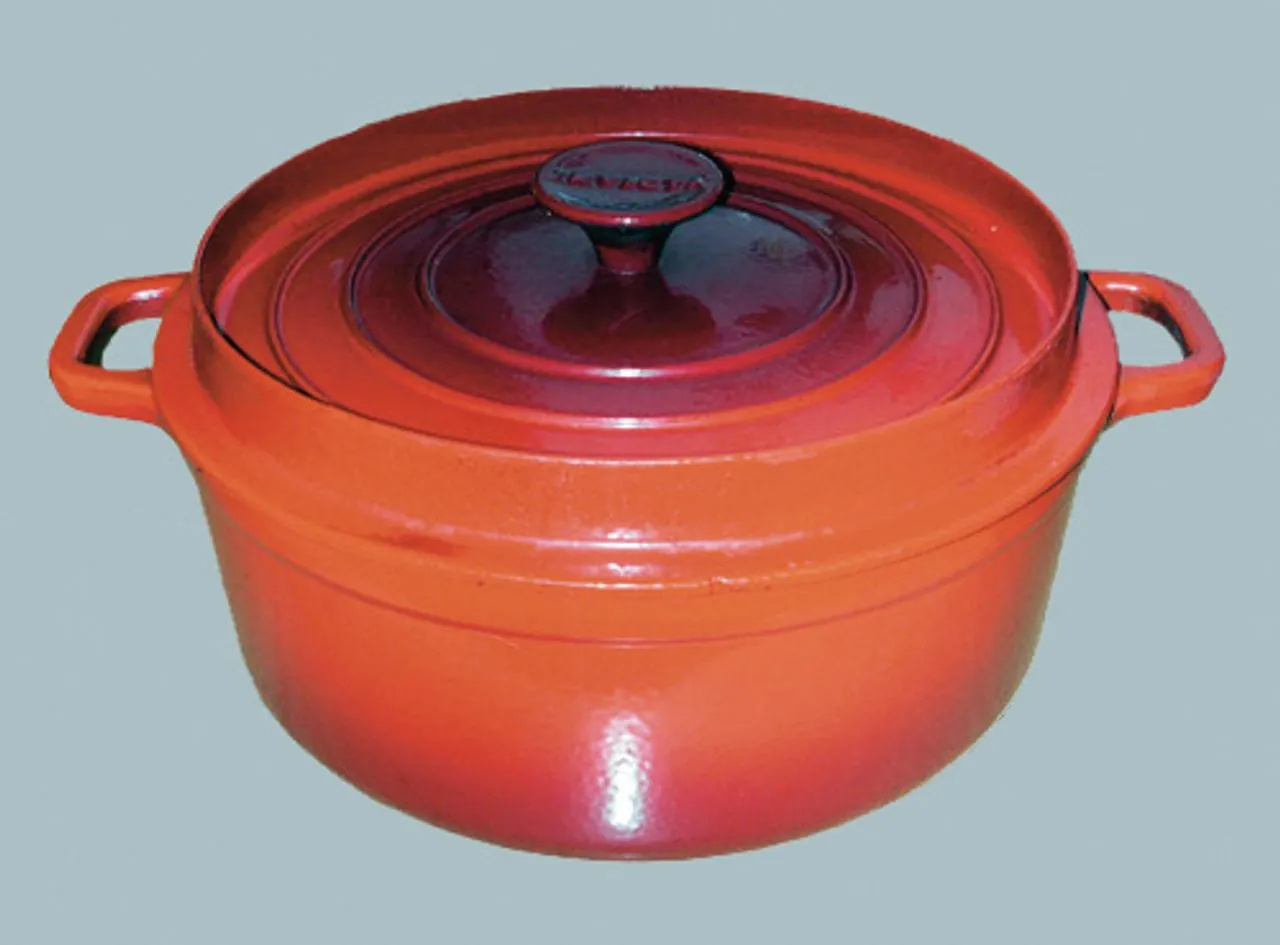
Le Creuset has cast cocottes in France since 1925. When enameled cast iron is worth it, when bare iron wins, and how to make yours last.