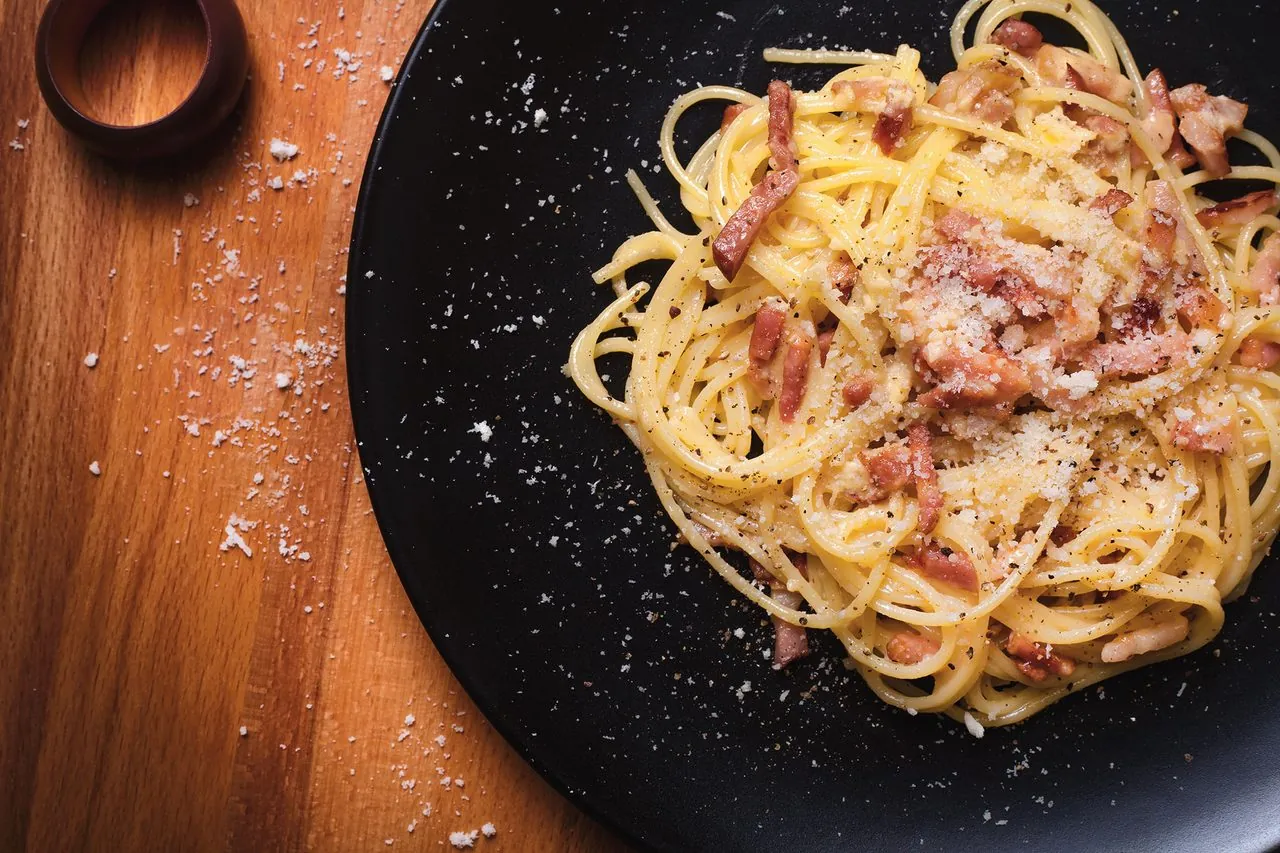
Spaghetti alla Carbonara: The Roman Original, Done Right
Guanciale, Pecorino Romano, eggs and pepper — no cream, no onions. How Rome’s most-guarded pasta actually comes together in 20 minutes.
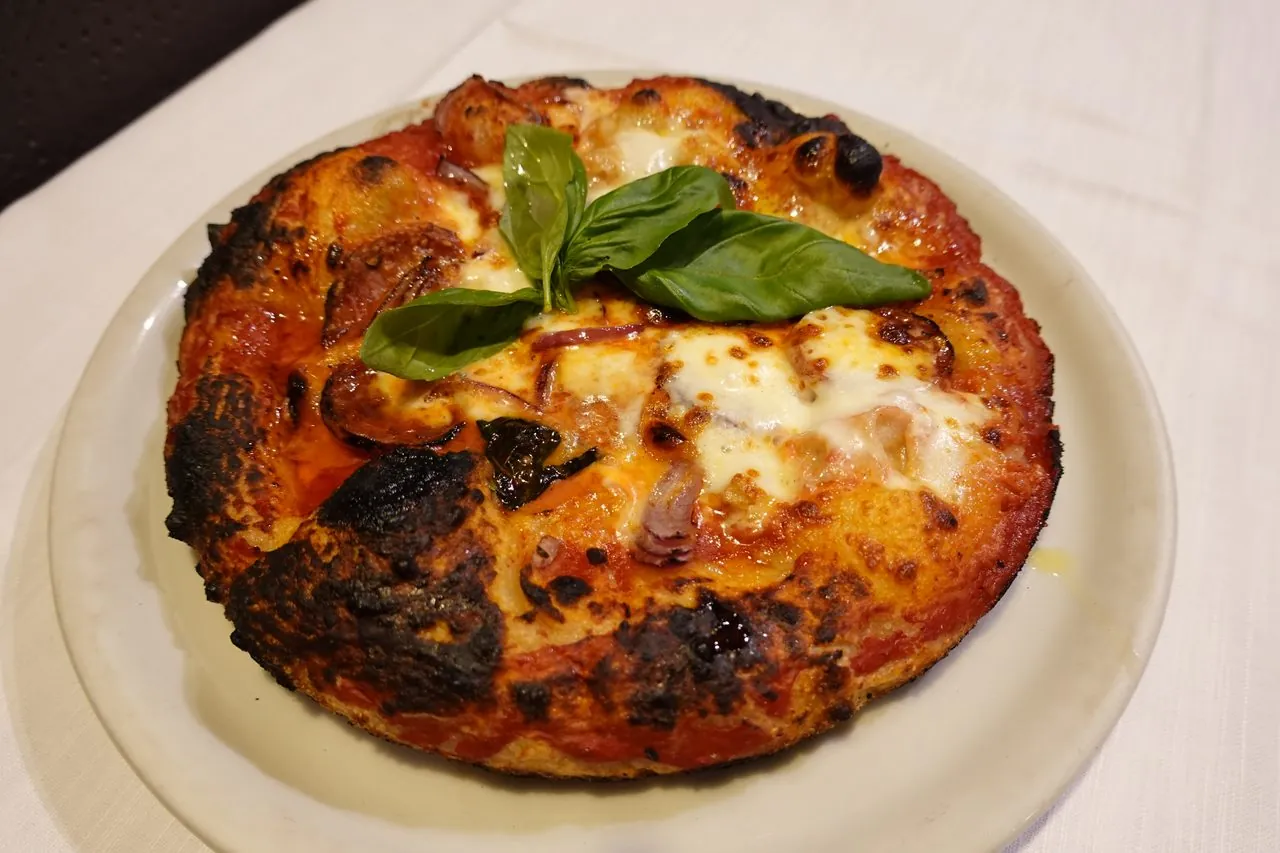
Every home pizza lives in the shadow of one number. In Naples, a wood-fired oven runs between 430 and 485 degrees Celsius — roughly 800 to 900 degrees Fahrenheit — and finishes a margherita in sixty to ninety seconds. A domestic oven manages maybe 550 degrees Fahrenheit on its most optimistic day. You cannot will your kitchen to Naples. But you can change the physics of the pan, and that is where cast iron quietly changes everything: it compensates for the heat your oven lacks with conductive power a stone cannot match.
For one ten-inch skillet pizza, a practical starting point is a prepared dough ball around 250–280 g, a few tablespoons of thick tomato sauce, well-drained cheese and a light film of oil. Dough hydration alone is not a complete dough recipe: a reader making it from scratch also needs flour, water, salt, yeast and fermentation conditions. Use a complete dough recipe or a purchased ball rather than guessing the missing yeast amount.
Follow the pan's heat limits and handle the hot skillet with dry oven gloves. Heat the pan dry where appropriate, then add oil shortly before the dough rather than holding oil for half an hour in a maximum-temperature oven. Make the topping station ready first so the assembly is deliberate and quick.
The pan transfers heat by conduction where it touches the base. A ceramic stone also conducts at that contact; the comparison is about material and thermal behaviour, not conduction versus radiation. AVPN's flour rules concern its defined Neapolitan method, which allows more than only Type 00. This skillet adaptation borrows a dough idea without claiming certification.
A pizza stone transfers heat by direct conduction where it touches the dough, and it does a decent job — until the oven door opens, the temperature sags, and the crust bakes longer than it browns. Cast iron works differently. Metal conducts heat many times more efficiently than ceramic, and a heavy skillet stores energy like a battery: thirty minutes in a hot oven leaves it loaded with more heat than the air around it can drain. When cold dough lands on the surface, the pan's temperature barely dips.
Then add the trick that makes the method famous. Pour a thin film of oil into the skillet and add the oil shortly before the dough, after the pan has heated. The base of the dough effectively deep-fries while it bakes, setting into a crisp, evenly golden, faintly fried crust — closer to the underside of a Detroit-style pan pizza than to a floppy Neapolitan base. In an oven capped at 550 degrees, contact beats radiation every time.
If you want a benchmark, the discipline is codified. The AVPN — the Vera Pizza Napoletana association — allows soft-wheat Type 00 or Type 0 flour, with hydration specified in the applicable regulation, dough balls weighing 200 to 280 grams, a second fermentation of four to six hours, and a flash of sixty to ninety seconds in that wood-fired furnace. Those rules exist because Neapolitan dough is engineered for a violent, brief bake: wet dough, short proof, blistering heat, a crust that chars before it has time to dry out.
Your skillet is a kinder environment, so borrow the principles rather than the letter. Balls of 250 to 280 grams suit a ten- or twelve-inch pan and give you the thickness that genuinely benefits from pan cooking. The four-to-six-hour second fermentation works exactly as advertised at room temperature, though an overnight rest in the refrigerator develops deeper, more aromatic flavor and slows the rise to a manageable pace. Type 00 flour makes a silkier, more extensible dough, but a strong bread flour ferments happily and tears less easily when you press it into shape. Aim for hydration around 62 percent: wet enough to stay tender, dry enough to handle without fury.
Plan the bake the way you would plan a steak: the pan and the dough both need a head start, and the bake itself is quick.
The sound when cold dough meets hot, oiled iron is the method announcing itself: moisture flashes to steam and the frying begins immediately. At 550 degrees, check a minute early the first time; at 500, give it the full dozen and trust the underside, which tells the truth more reliably than the top does.
A skillet pizza fails from the top down. Because the pan has already done the heavy lifting on the base, a heavy hand with wet ingredients is the only reliable way to ruin it. Sauce thinly — three spoonfuls spread in a circle, not a flood pooled in the middle. Drain fresh mozzarella for at least fifteen minutes, or lean on low-moisture mozzarella and treat the good stuff as a garnish. Cured meats go on for the final few minutes so their fat renders into the cheese rather than pooling on the surface. Delicate finishes — basil, arugula, a thread of good olive oil, a snowfall of hard cheese — wait until the pizza leaves the oven, where residual heat wilts them gently instead of scorching them bitter.
One quiet pleasure of this method is how repeatable it becomes. Dough keeps in the refrigerator for up to three days, so a Sunday batch becomes a Tuesday dinner with ten minutes of notice. The same skillet reheats leftover slices on the stovetop better than any appliance, crisping the base while a splash of water and a lid steam the cheese back to life. And the pan that bakes pizza sears steak, roasts vegetables and starts braises the rest of the week, which is the whole argument for cast iron in a single sentence.
Skillet pizza is a home adaptation, not AVPN-certified Neapolitan pizza.
Guanciale, Pecorino Romano, eggs and pepper — no cream, no onions. How Rome’s most-guarded pasta actually comes together in 20 minutes.
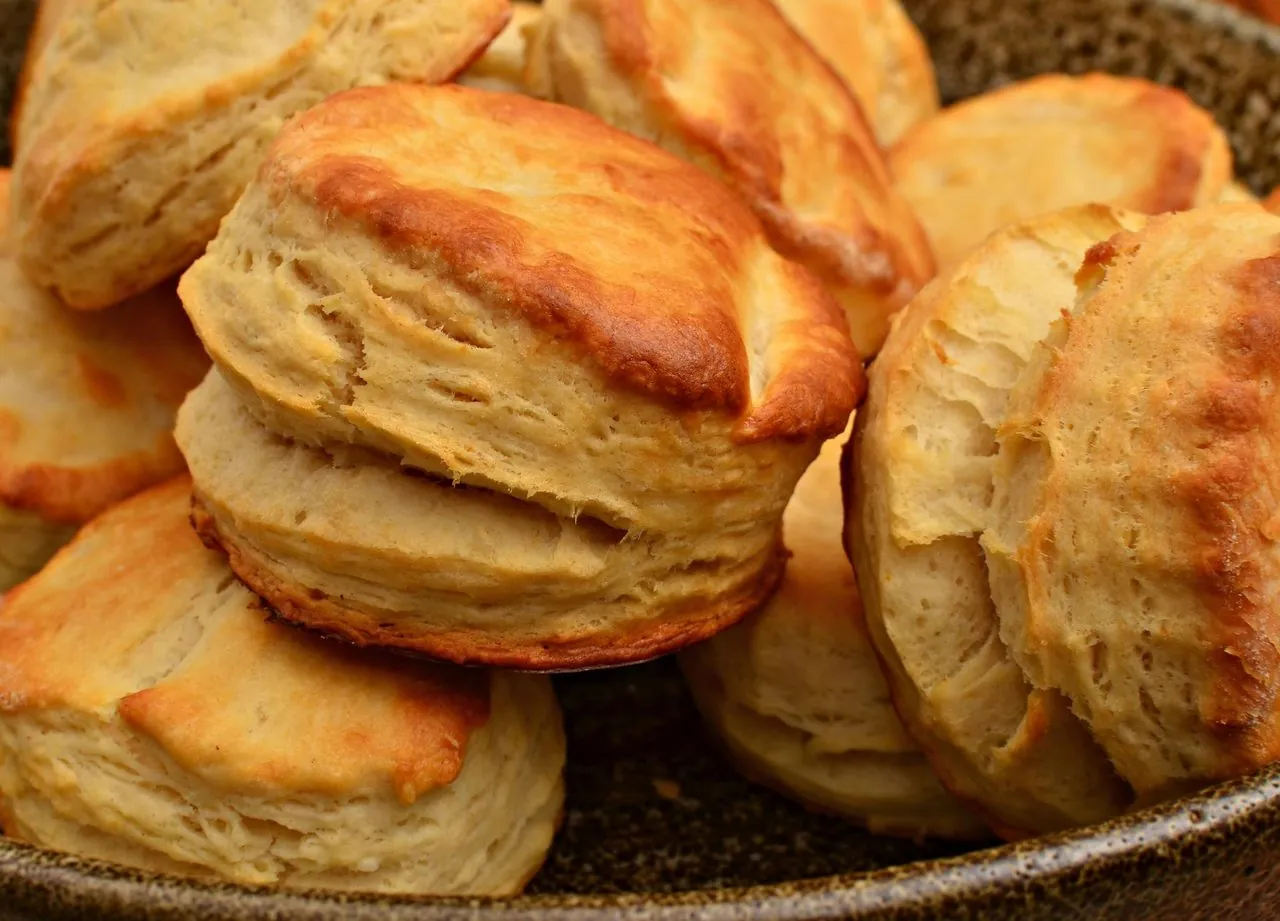
Cold butter, a gentle fold and one extra fold of dough: the physical rules that create a dozen shattering layers in buttermilk biscuits.
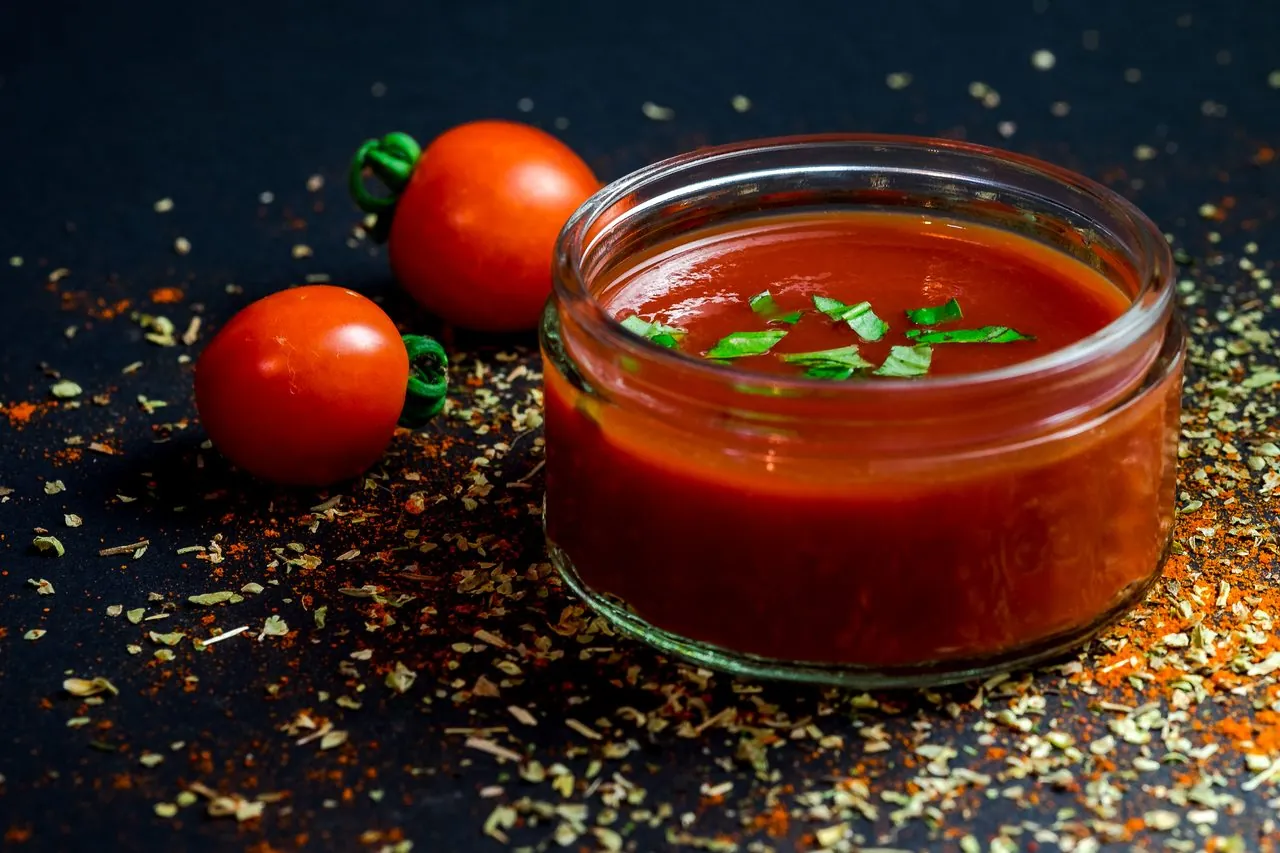
Three ingredients and 45 minutes: the late Marcella Hazan’s legendary tomato sauce remains the smartest 20 minutes of prep in Italian cooking.