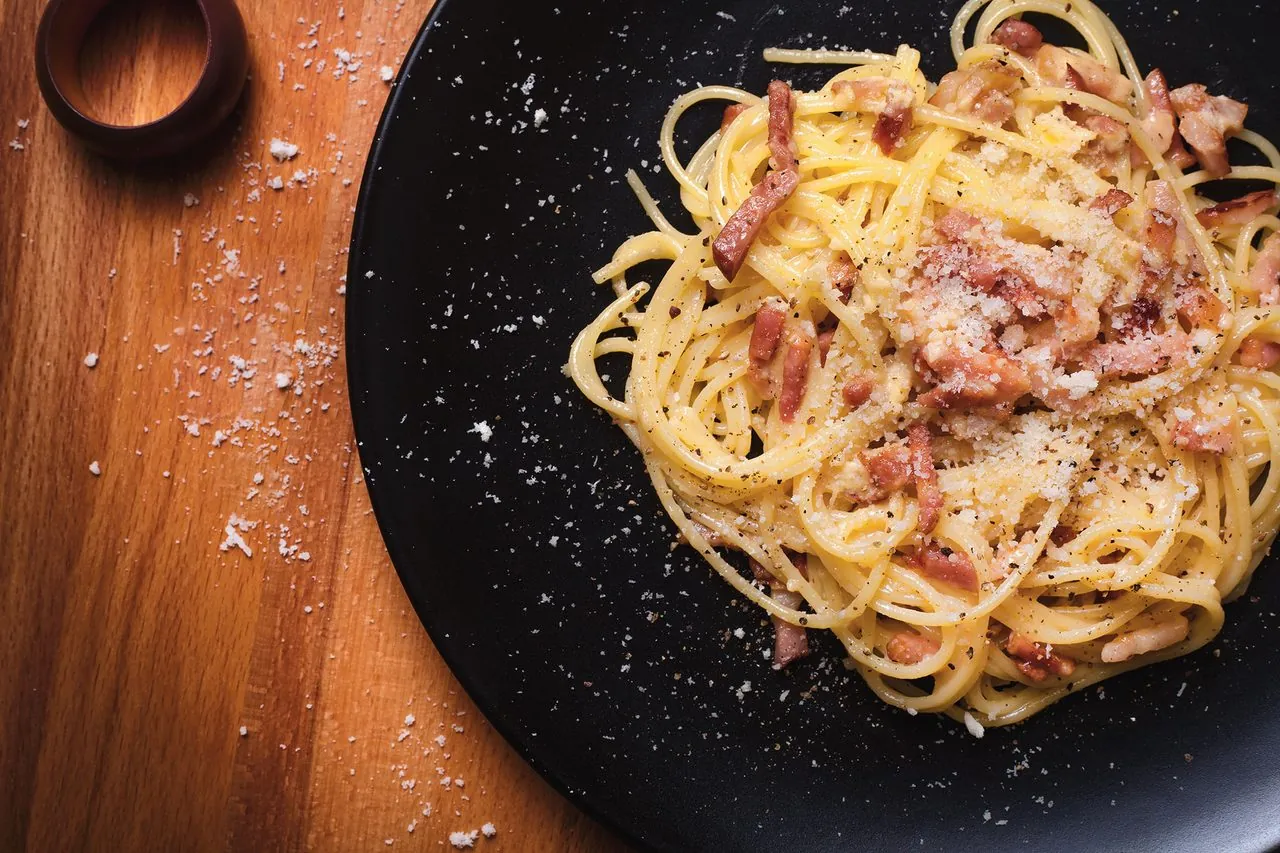
Spaghetti alla Carbonara: The Roman Original, Done Right
Guanciale, Pecorino Romano, eggs and pepper — no cream, no onions. How Rome’s most-guarded pasta actually comes together in 20 minutes.
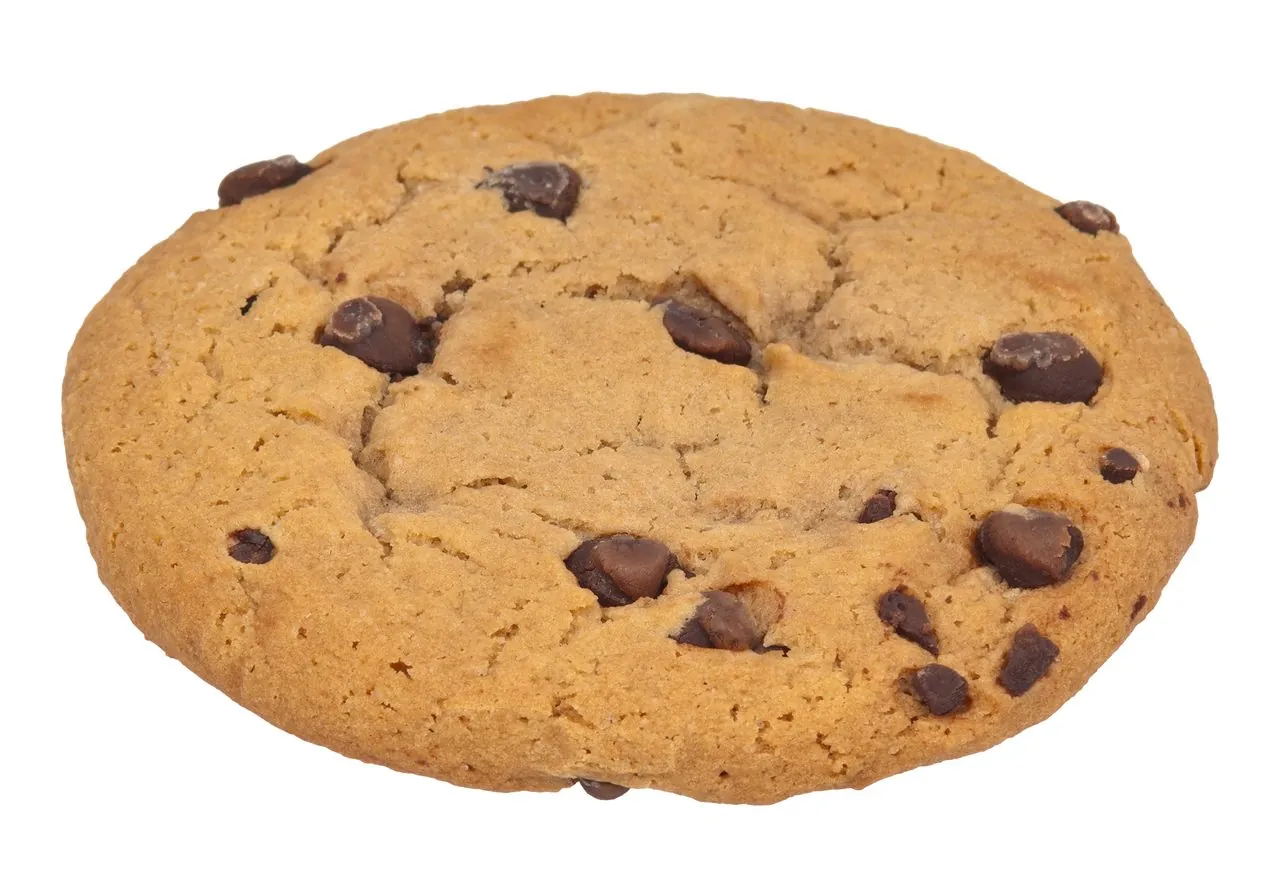
Every American baker owns this recipe, even the ones who think they do not. It lives on the back of a yellow bag, in the memory of a grandmother, in the muscle memory of anyone who has ever waited for butter to soften on a Tuesday afternoon. It was written down in 1938 by Ruth Wakefield, who ran the Toll House Inn in Whitman, Massachusetts, with her husband Kenneth. And whatever the fond legend of the dropped chocolate bar suggests, the chocolate chip cookie was not an accident. It was developed deliberately, printed in a cookbook, and then traded to a candy company in a deal that still sounds like folklore.
The contemporary Nestle recipe and Wakefield's 1938 publication should not be presented as a facsimile of one another. The university collection places her cookbook's first publication in 1931 and the chocolate-crunch cookie in the 1938 edition. That distinction corrects a book-history claim without pretending the cookie's complete commercial story can be inferred from a modern bag.
The familiar current formula provides about five dozen drop cookies, depending on scoop size. For more repeatable results, record the amount of dough per cookie, leave space for spreading and keep trays at a similar starting temperature. Switching between a small spoon and a large scoop changes baking time, yield and texture even when the bowl contains the same dough.
Butter condition matters before baking: soft butter that still holds shape behaves differently from melted fat. If a trial spreads too far, note the flour measure and dough temperature before changing several ingredients. Do not taste raw dough, because both flour and eggs can carry pathogens. Cool finished cookies before packing so trapped steam does not soften the batch.
The Toll House building had been serving travelers for generations by the time the Wakefields took it over in 1930. Kenneth ran the front of the house while Ruth ran the kitchen, and she cooked so well that a modest roadside stop in Whitman became a destination for people driving between Boston and the south shore. Guests wrote to her for her recipes, and she compiled the best of them into a book. Her cookbook first appeared in 1931; its 1938 edition included the chocolate-crunch cookie, and inside it sat the cookie that would outlive nearly everything else she ever cooked. She called it the Toll House Chocolate Crunch Cookie, and its defining move was simple: instead of grating baker's chocolate or adding nuts, she chopped a Nestle semi-sweet chocolate bar into irregular pieces and folded them through a brown-sugar butter dough.
By the time Nestle began printing the method on its packaging, it had settled into the form millions of bakers know by heart. It rewards a close reading, because almost nothing in it is fussy.
That is the whole affair. No chilling, no resting, no special equipment. The ratio does the work: brown sugar for chew and a faint butterscotch depth, white sugar for spread and crisp edges, and enough chocolate by weight that every bite finds some.
The story behind the cookie's fame is a business story. Wakefield agreed to let Nestle have the rights to the Toll House recipe in exchange for a lifetime supply of chocolate. From the company's side, it became one of the great bargains in food history; from hers, it meant a steady pantry and, in all likelihood, little sense of how enormous the trade would prove. Nestle printed the recipe on its semi-sweet packaging, and soon the company began selling the chocolate pre-chipped as morsels, so home bakers no longer needed the bars and the knife. The product and the recipe fed each other for decades, and the recipe never left the package. Very few agreements have moved this much butter.
Part of the answer is proportion. The dough is engineered to produce several textures at once: edges that crisp, centers that stay chewy, pockets of melted chocolate wherever a large shard landed. Part of it is forgiveness. The recipe tolerates hand-chopped chocolate with big shards and fine rubble, tolerates a heavy hand with salt, tolerates a baker who pulls the pan a minute early and lets carryover heat finish the job. It doubles cleanly for a crowd and halves cleanly for a quiet Sunday. The deepest reason may be that it sits exactly at the intersection of effort and reward. A layer cake demands patience, a pie demands nerve, and this asks only for a bowl, a spoon and eleven minutes.
Bake them once exactly as written, then adjust to your own taste.
Purists chop a bar rather than open a bag, and it is true that irregular shards leave pools of melted chocolate that uniform chips cannot manage. But the packaged morsel exists because of this very recipe, and there is a tidy symmetry in using it. The cookie that sold the chips still bakes beautifully from them.
The current branded formula is distinguished from the historical 1938 publication.
Guanciale, Pecorino Romano, eggs and pepper — no cream, no onions. How Rome’s most-guarded pasta actually comes together in 20 minutes.
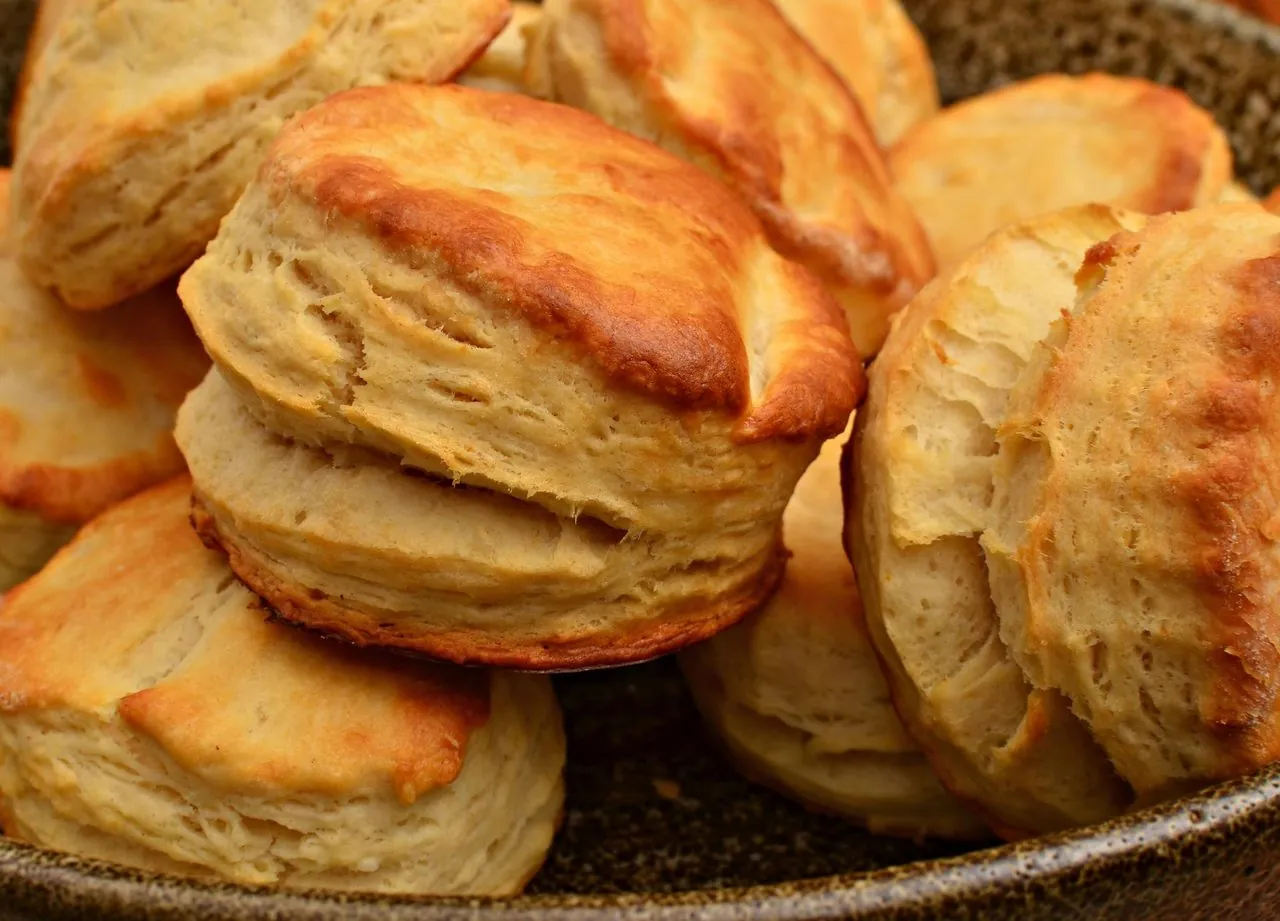
Cold butter, a gentle fold and one extra fold of dough: the physical rules that create a dozen shattering layers in buttermilk biscuits.
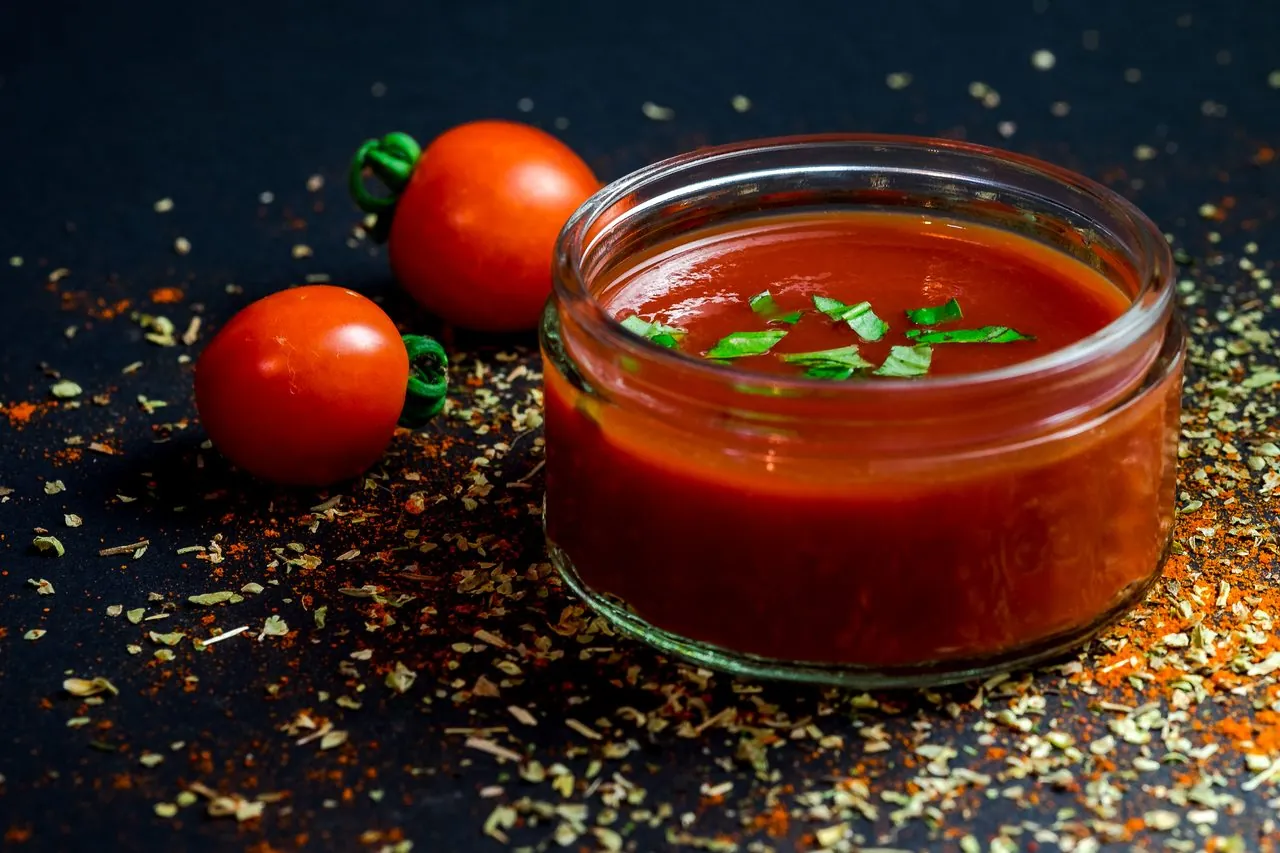
Three ingredients and 45 minutes: the late Marcella Hazan’s legendary tomato sauce remains the smartest 20 minutes of prep in Italian cooking.