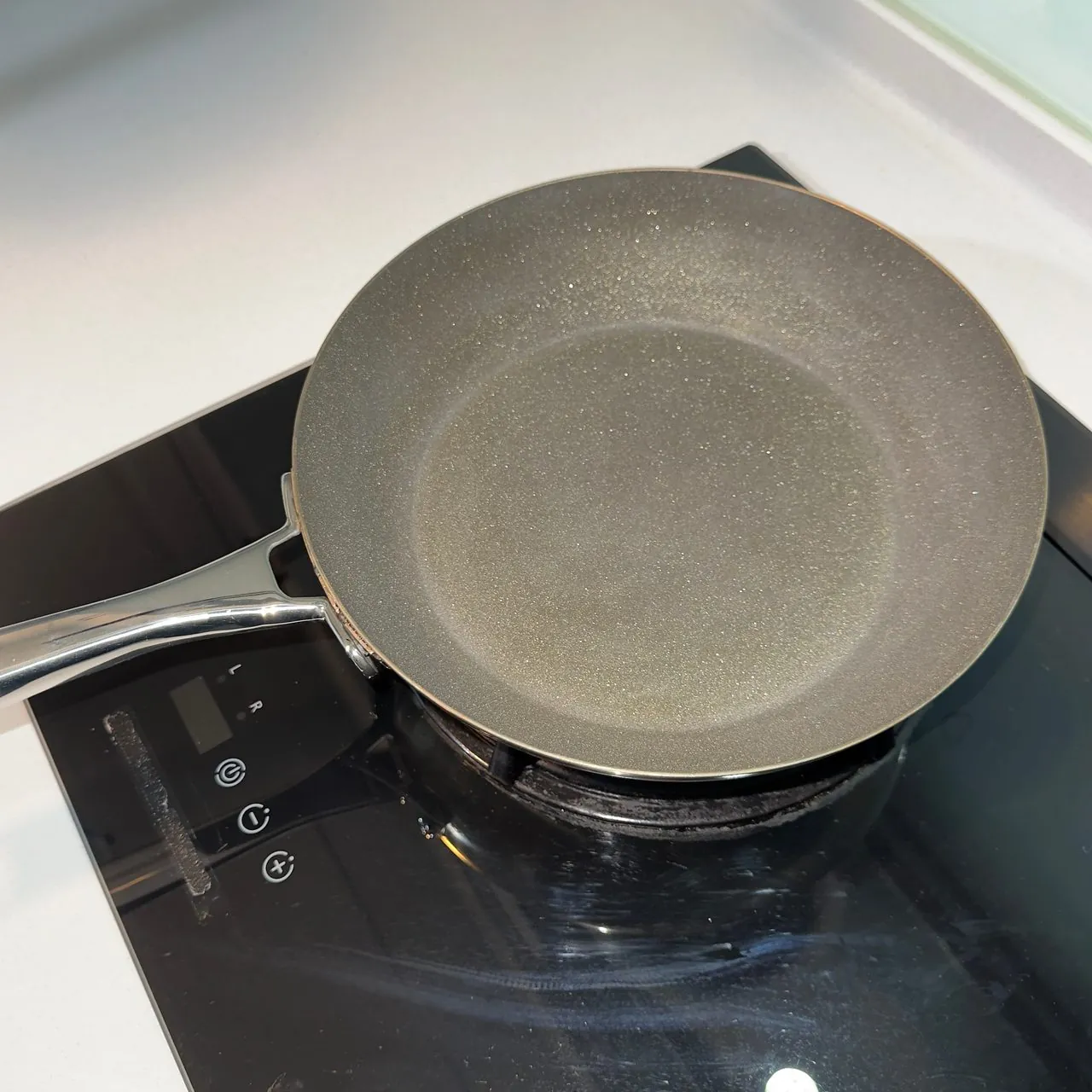
Nonstick Pans: How Long They Last and When to Toss Them
PTFE coatings fail at high heat and with metal tools. The honest lifespan of a nonstick pan, the safety facts, and better care habits.
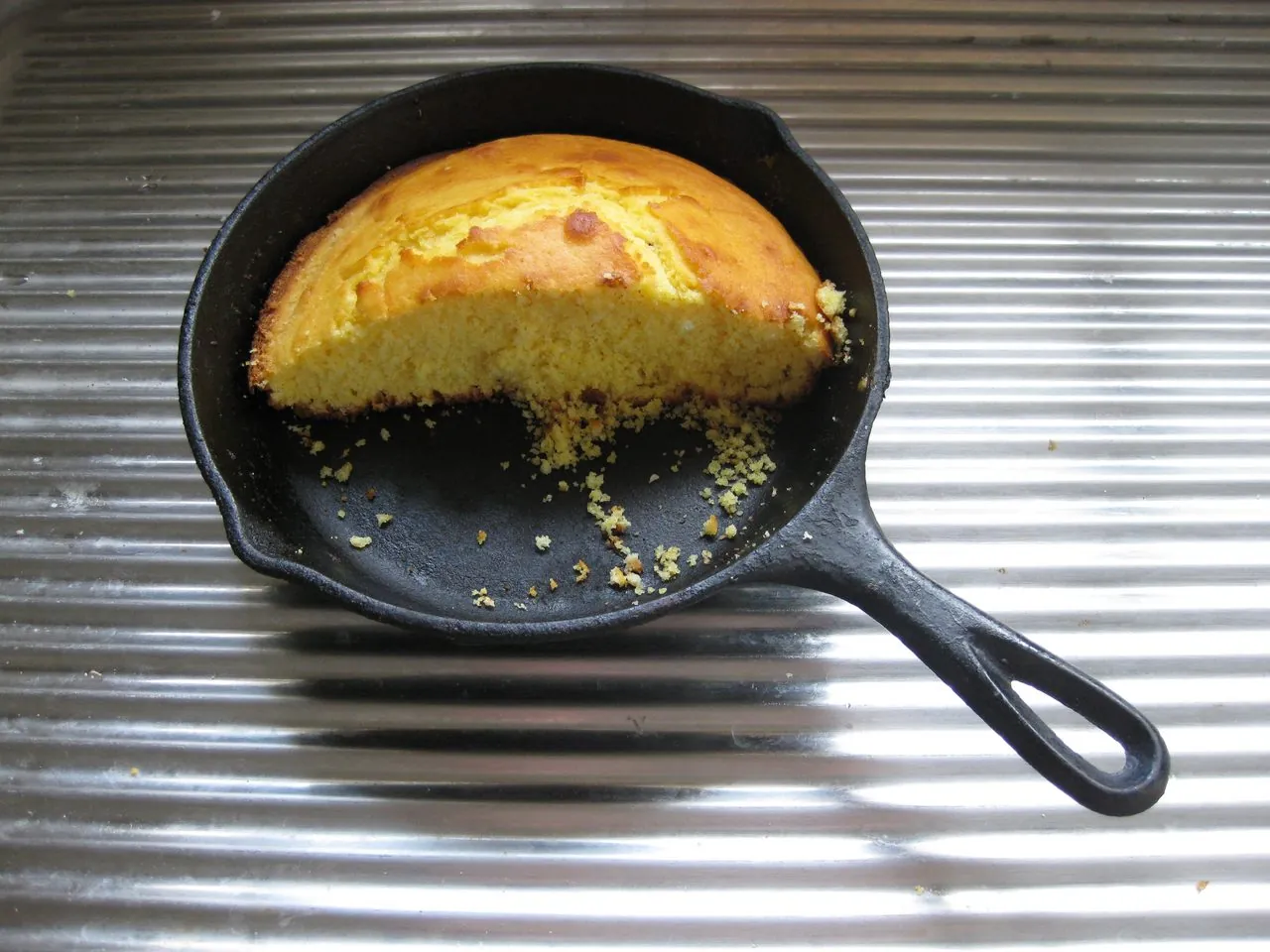
Ask five cooks how to care for a cast-iron skillet and you will hear five folk religions. Never use soap. Only use salt. Season it with bacon grease and never look back. Most of the folklore descends from genuinely old advice, and almost none of it is necessary anymore. The truth is that seasoning is chemistry with a proper name — polymerization — and once you understand what is actually happening inside that black surface, caring for a skillet stops being superstition and starts being maintenance.
A sticky surface often means too much oil remained before heating. Rust means exposed iron has met moisture. Flakes may be loose seasoning or accumulated residue. These are different maintenance jobs, so adding another heavy coat over all three can make the problem harder to identify.
Wash away residue, remove loose material as appropriate and dry the pan fully before applying a thin coat. Follow the manufacturer's heat guidance for the oil and cookware; not every handle or accessory can tolerate a generic maximum-temperature instruction. More smoke is not evidence of a better coating, so ventilate and do not leave the oven unattended.
Small amounts of modern dish soap are compatible with sound seasoning. Overnight soaking and dishwasher exposure are more likely to create avoidable rust. The advice applies to cookware known to be food-safe: an unidentified antique, industrial casting or decorative painted pan needs separate assessment. Seasoning cannot turn an unknown material or coating into a verified food-contact surface.
Seasoning is not grease trapped in the metal. It is oil that has been transformed. Heat a thin film of oil past its smoke point and the fat molecules break apart and re-bond into a dense, plastic-like polymer that locks onto the iron beneath. That layer is what makes a skillet functionally nonstick, and it builds the way lacquer does: many thin coats, never one thick one. A pan's black sheen is literally a manufactured coating, applied by heat, one microscopic film at a time. Grease sitting in a pan is not seasoning — it is sticky residue waiting to go rancid and into your food. The distinction matters, because it tells you exactly what to aim for and exactly what to wipe away. Smoke point is not jargon here; it is the whole point, since seasoning happens at temperatures where ordinary cooking fats begin to break down and rebuild.
The reliable method is less a recipe than a discipline, and it comes down to four habits:
Excess oil is the classic mistake. It pools in the well of the pan, and pooled oil turns sticky instead of hard. Three or four thin, baked coats will take a stripped pan from gray to respectable; after that, every round of fried cornbread or hard-seared steak adds another polymer layer for free. Skillets earn their gloss at the stove, not the sink, which is the most comforting thing about them.
If you buy a new skillet today, most of that work has already been done for you. Lodge, the foundry in South Pittsburg, Tennessee, that has been pouring iron since 1896, ships every pan pre-seasoned — a vegetable-oil coating baked on with industrial consistency before the pan goes in the box. Factory seasoning is thin, which is why new pans can look patchy or feel faintly tacky; the cure is simply to cook. Lodge's ubiquity quietly changed cast-iron culture, too. Because the entry point no longer demands a weekend of oven rituals, cast iron stopped being an heirloom you inherited and became a first pan you simply bought — heavier and longer-lived than anything else at the price, ready for cornbread the night it arrives.
Which brings us to soap. The old prohibition dates from the era of harsh, lye-based dish soaps that genuinely attacked polymerized fat; against modern dish soap, a well-seasoned pan has nothing to fear. A brief wash with soap and a soft sponge will not strip a real seasoning layer. What damages seasoning is neglect — chiefly a wet pan left sitting until rust blooms. So the rule that actually matters comes after washing: dry the pan thoroughly, ideally with a minute on a warm burner to drive off every trace of moisture, then wipe in a very light film of oil. For stuck-on food, use coarse salt as an abrasive or a chainmail scrubber, not steel wool, which gouges down to bare metal.
No tour of seasoning science is complete without the internet's favorite argument. Flaxseed oil, a so-called drying oil, became a cult seasoning method after a widely shared food-science essay; converts praised a glassy, mirror-hard finish that looked like lacquerware. The trouble is that flaxseed coatings applied thick or built fast can flake off in charming little scales — beautiful, brittle, annoying. Plenty of cooks love the results and maintain them successfully; plenty more watched their pans shed. Neutral high-smoke-point oils — canola, grapeseed, plain vegetable — remain the boring, dependable choice. The pan does not care about trends. It cares about thin coats and enough heat, every time.
Care guidance is for modern food-use cookware in sound condition, not unidentified antique or decorative iron.
PTFE coatings fail at high heat and with metal tools. The honest lifespan of a nonstick pan, the safety facts, and better care habits.
Skip the block set. An 8-inch chef’s knife, a paring knife and a bread knife do everything. Steel types, handle shapes and the feel test.
Choose a food thermometer by accuracy and use, then measure the right spot. Consumer safety endpoints and sous vide hold times serve different purposes.