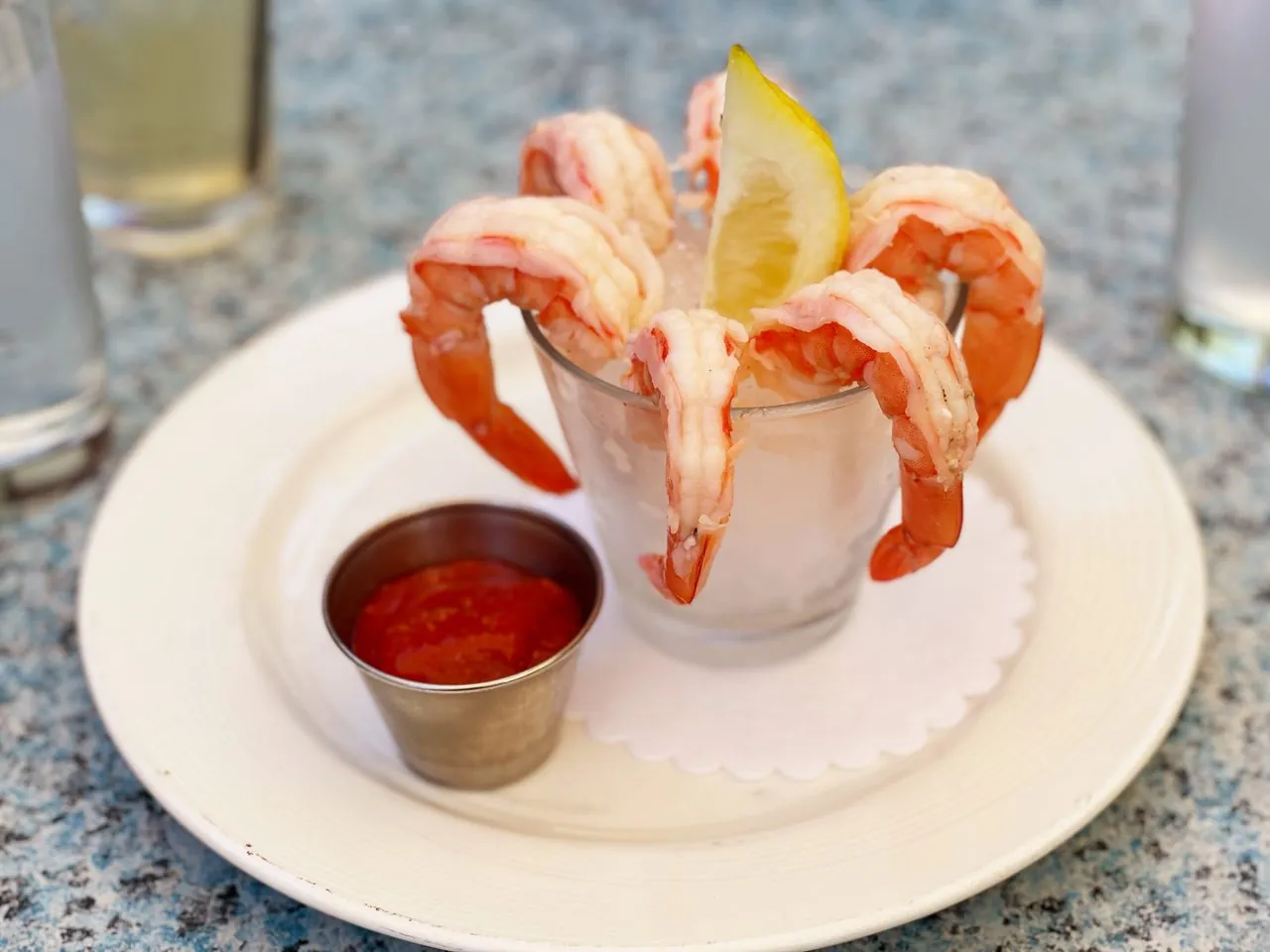
St. Elmo Steak House and the Fiery Shrimp Cocktail Legend
The Indianapolis steak house dates to 1902. Its horseradish shrimp cocktail, documented history and public game-day connection explained.
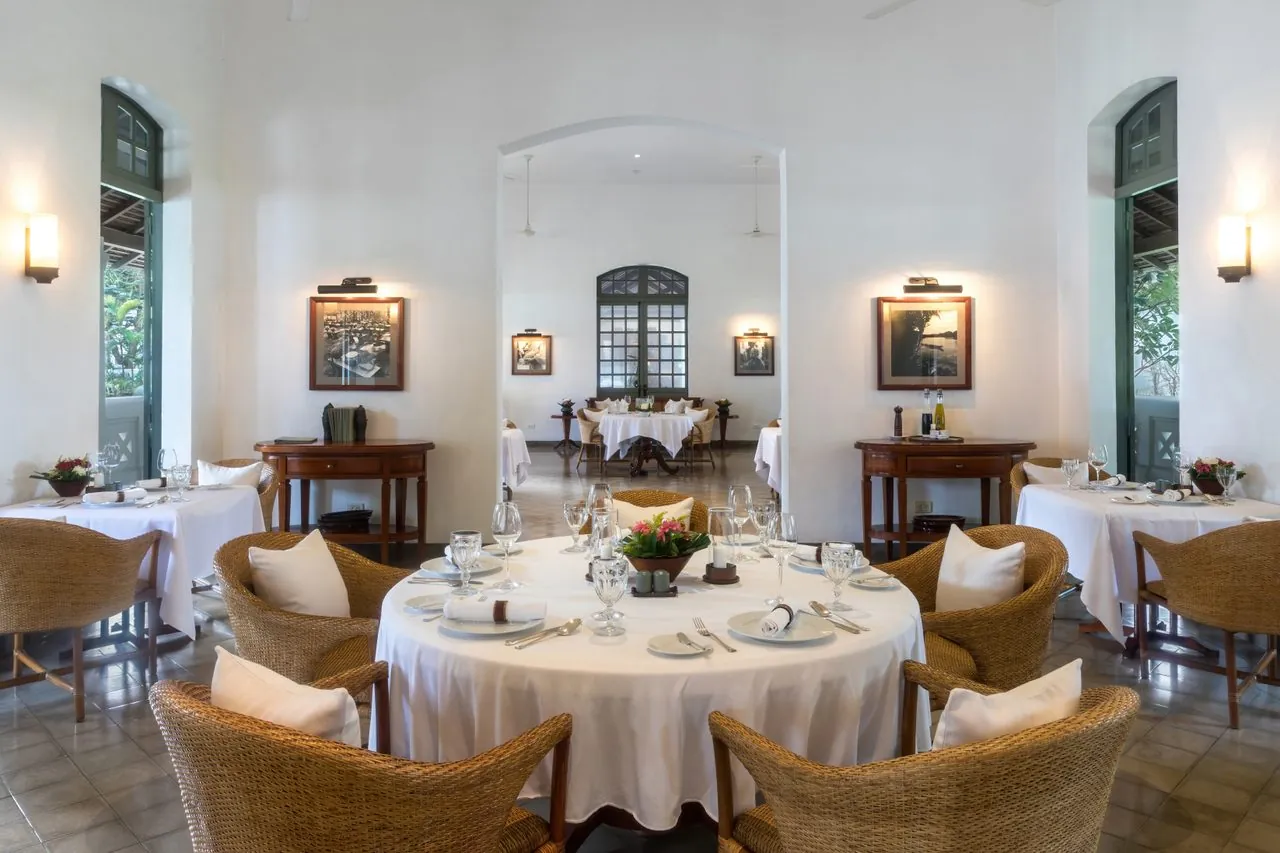
Eleven Madison Park reopened with a plant-based main dining-room menu in 2021. In October 2025 it introduced options including animal products while retaining a plant-based path. Both decisions belong in a 2026 account. The case is useful precisely because it changed: a restaurant can demonstrate the possibilities of one approach and later revise how guests choose their meal without making the earlier experiment disappear.
Daniel Humm arrived at Eleven Madison Park in 2006, a Swiss chef with a classical spine and a growing instinct for restraint, and within a few years he and Will Guidara had rebuilt the restaurant around a single question: what should a great dining room feel like? Their answer fused precision with generosity. The cooking grew cleaner and more conceptual; the hospitality grew warmer and more personal, famous for small interventions that made guests feel individually seen. The pair also rebuilt the room’s rituals: menus printed as keepsakes, servers sent to visit the farms behind the food, a posture toward guests borrowed as much from theater as from restaurant tradition. The service became as influential as any single dish. By the mid-2010s the restaurant stood at the very top of American dining, a position it had earned course by course rather than inherited. It was, by any measure, a finished achievement.
In 2017 the restaurant was named the best in the world on The World’s 50 Best Restaurants list, the industry’s most watched ranking, and it held three Michelin stars as well. The restaurant had already collected every honor American dining could give; the world list simply confirmed what its regulars had long treated as obvious. For Humm and Guidara, the summit carried a familiar hazard: there was nowhere left to climb. The years that followed were spent interrogating what the restaurant was actually for, a question that might have remained abstract if 2020 had not arrived and closed the dining room entirely. What the restaurant did during the shutdown turned out to matter as much as anything it had done before it.
Through the worst of the pandemic, Eleven Madison Park turned itself into a community kitchen, preparing hundreds of thousands of meals for healthcare workers and for New Yorkers facing hunger. The operation was logistical, exhausting and unglamorous, and for a business built on choreography and abundance it was a humbling education in what a kitchen is actually for. It was a period of forced clarity: the restaurant had spent years perfecting luxury while the city around it was hurting, and the question of what a dining room owes its city stopped being rhetorical. When the reopening date was finally set, the answer arrived with it.
The new menu dispensed with the entire animal kingdom in one stroke. Built around vegetables, grains and legumes, it treated carrots, beets, mushrooms and grains with the full apparatus of haute cuisine — ferments, extractions, elaborate compositions — rather than the apologetic side-dish treatment most fine dining had offered. The main dining-room menu centred on plants, and that public commitment became the story. The room’s famous hospitality remained untouched. What changed was the palette.
The pantry the menu was built from says everything about the ambition:
A plant-based menu at this level raises several questions that should be kept separate: how dishes taste, what techniques they require, what the operator says about sustainability and how the business serves groups with different preferences. An award can address the dining assessment without settling every environmental or commercial question. The restaurant's 2025 announcement is evidence of a later menu decision, not a survey proving that all critics or guests reached the same view.
The verdict that mattered most arrived quietly: Michelin retained the restaurant’s three stars after the switch, a first-of-its-kind judgment that a fully plant-based menu could hold the highest standard in fine dining. Other assessments followed, and the restaurant kept its place among the world’s elite rather than settling into novelty status.
For other kitchens, the practical lesson is that vegetables, grains and legumes can support demanding technique and a complete tasting-menu structure. Whether a restaurant should adopt an exclusively plant-based offering is a separate decision involving its audience, suppliers, cooking and business model. The documented recognition and the subsequent change are both relevant; neither needs a claim that an entire generation of critics was persuaded.
The story changed again in 2025. In a statement signed by Daniel Humm, Eleven Madison Park announced that from October 14, 2025 diners could select animal products for certain courses, including fish, meat and the honey-lavender-glazed duck. A plant-based menu would remain available. A 2026 account must include that change: the restaurant's 2021 experiment remains historically important, but describing the current offer as exclusively plant-based is inaccurate. The update also makes a more interesting case study than a permanent victory narrative. It shows the distinction between proving that a plant-based menu can earn recognition and choosing an operating model that offers more than one path through dinner.
The 2021 switch and the 2025 menu update answer different questions. The first tested whether a restaurant associated with luxury animal ingredients could build its main tasting menu around plants. The second introduced a choice of animal-product courses while retaining a plant-based path. Neither event should be erased to make a cleaner success or failure story.
Humm's official statement describes inclusion and shared dining as reasons for the later change. Those are the operator's stated reasons, not independent access to the restaurant's finances or a survey of all former guests. Without such evidence, a feature should not announce that every critic was persuaded or that demand settled the ethical debate.
For a diner, the practical consequence is to check the current menu path and dietary arrangements at booking. Plant-based, vegetarian and suitable for a specific allergy are not interchangeable promises. A historical review cannot guarantee today's ingredients. Dating the change gives readers a way to interpret earlier reviews and understand why two accounts of the same restaurant may describe different offerings.
The 2021 plant-based transition and the October 2025 introduction of animal-product options are separate events.
The Indianapolis steak house dates to 1902. Its horseradish shrimp cocktail, documented history and public game-day connection explained.
How Matsuhisa, Robert De Niro and their partners built Nobu from a restaurant partnership into an international dining and hotel network.
Jiro Ono trained a generation of sushi masters from a ten-seat subway-adjacent shop. Why the Michelin guide eventually stopped listing it.