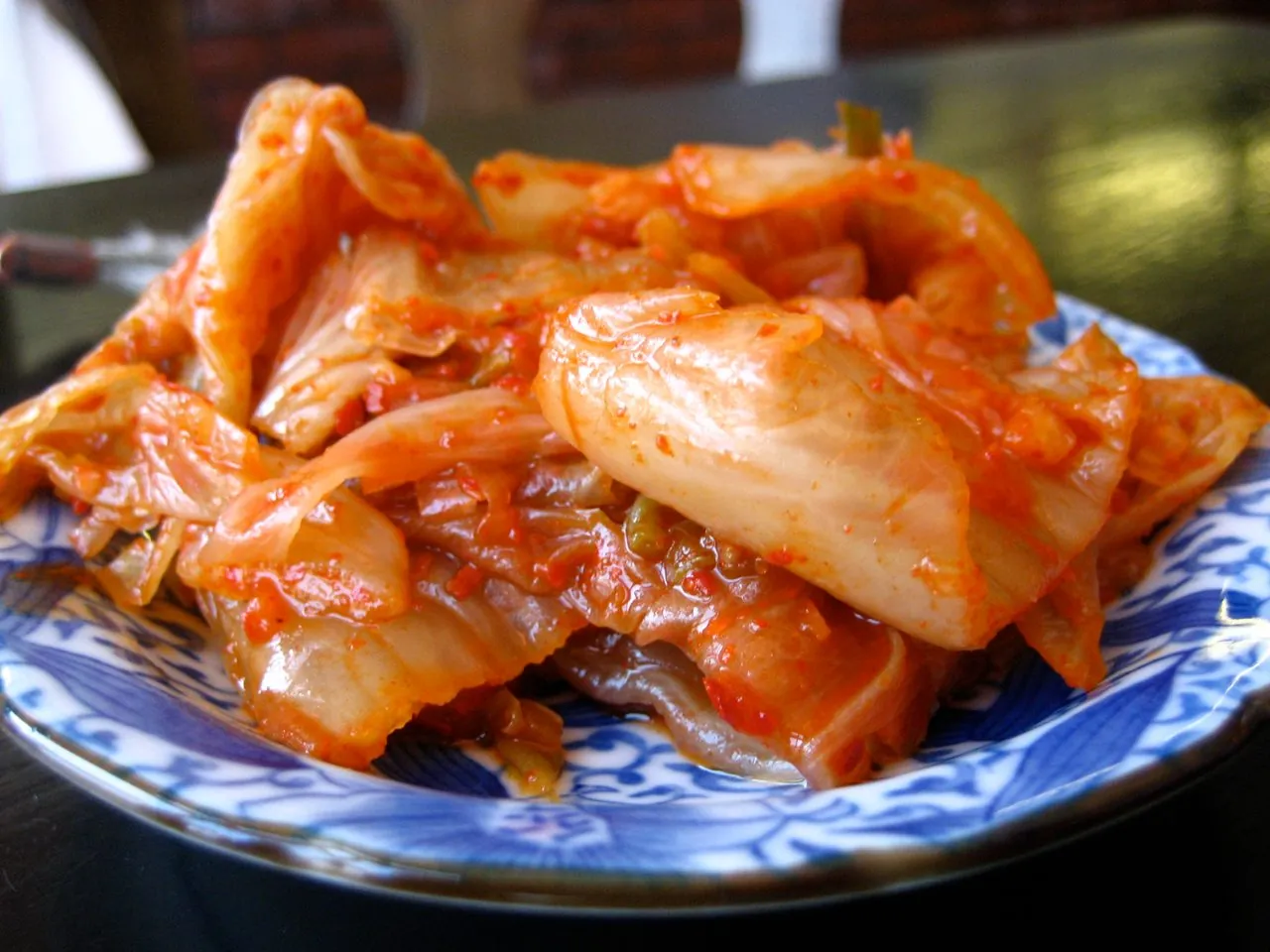
Kimjang: The Kimchi Ritual UNESCO Listed as Heritage
Every late autumn, Korean households make a winter’s worth of kimchi together. The UNESCO-inscribed tradition and the science of the jar.
Every Hass avocado eaten anywhere on Earth is a descendant of a single seedling that came up in a Southern California garden in 1926. Not related to that tree in the loose botanical sense — literally descended from it, a cutting of a cutting of a cutting, grafted generation after generation back to one plant in La Habra Heights. The story involves a postman, a patent, about 5,000 dollars and one deeply stubborn tree, and it explains why the avocado in your kitchen looks and tastes the way it does.
Rudolph Hass was a mail carrier in the hills of La Habra Heights, California, and a hobbyist grower on the side. In 1926 he bought a batch of avocado seedlings from a local breeder and planted them out, planning to use them as rootstock for Fuerte, the thin-skinned green variety that dominated California orchards in those years. One seedling refused to cooperate. Hass grafted buds of Fuerte onto it, and the grafts failed, again and again, no matter how he approached the job. A less patient gardener would have pulled the tree and moved on. Instead he let it grow on its own roots and waited to see what it would produce. The gamble that followed — that an accidental seedling might be worth more than the plan it ruined — is the story of the modern avocado in miniature. Hass was not a plant breeder by training; he was a careful man with a job, a small orchard and the sense to watch what a plant did rather than what the catalog promised.
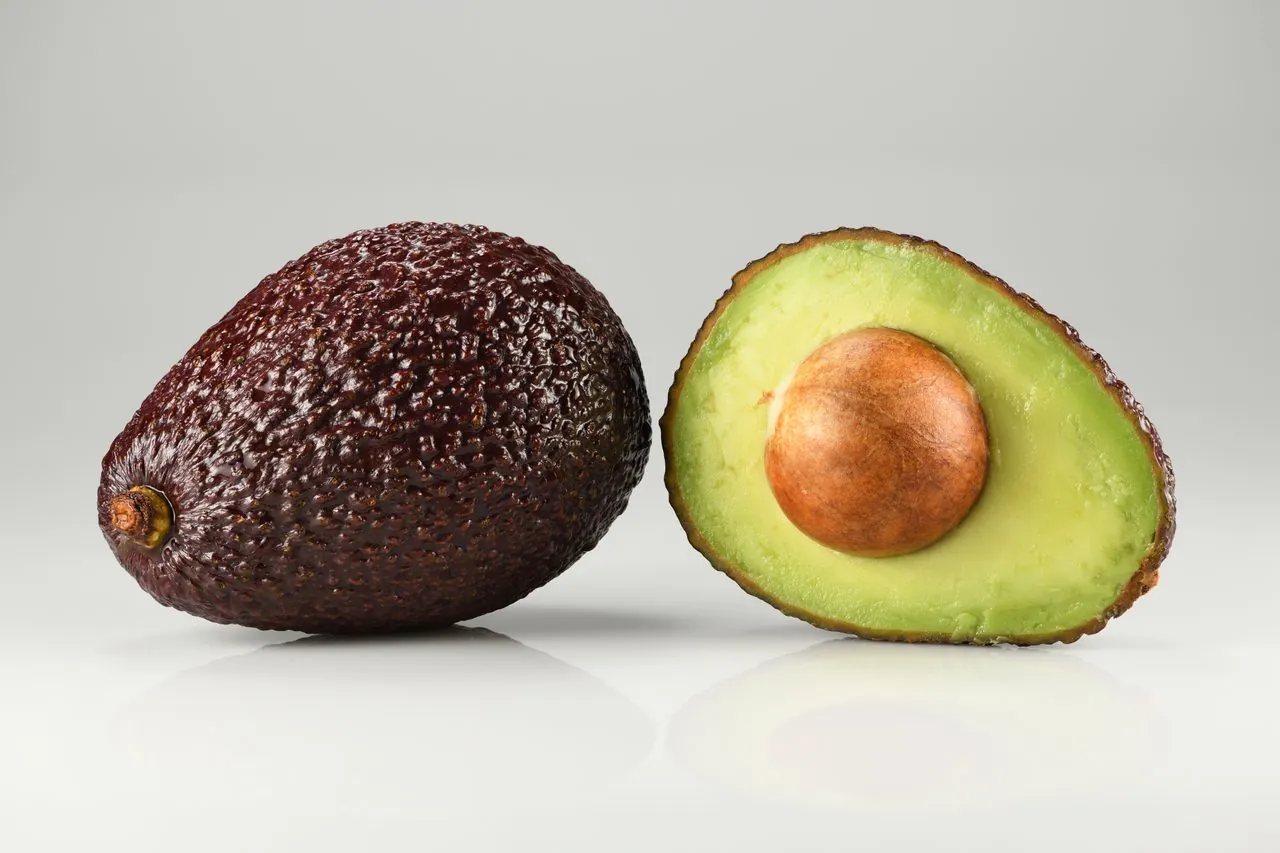
The fruit, when it finally came, looked wrong and ate wonderfully. Where Fuerte wore a thin, glossy green skin, the seedling’s fruit was thick, pebbled and leathery, and as it ripened it shifted from green toward a deep, nearly black purple. Growers of the era read black as bruise. But the flesh underneath was richer and nuttier than Fuerte’s, the tree bore over a longer season that stretched the market at both ends, and that heavy skin turned out to be a shipping asset of the first order: it stood up to handling, slowed moisture loss and changed color on cue, so a customer could tell at a glance when the fruit was ready to eat. Fuerte stayed green from orchard to counter and offered no such signal.
In a business about to grow from backyard groves to supermarkets, the stubborn seedling had the better body.
In 1935 Hass took out a patent on the tree and made a propagation deal with a nursery in nearby Whittier, which grew and sold the variety under license. The arrangement made Hass’s name the variety’s name, and it made the postman a royalty stream. It also set the ceiling on that stream: plant patents run for a fixed term, and over the whole life of the patent Rudolph Hass collected about 5,000 dollars. The variety he licensed went on to become the most commercially important avocado in the world. The economics are worth sitting with, because the patent expired long before the demand arrived; the man who briefly owned the rights to the future of the avocado trade earned less from it than a season of steady fruit sales would have brought.
It did not take over at once. Fuerte had decades of momentum and the loyalty of an industry that knew its habits, and shoppers had to be taught that a black avocado meant ripe, not rotten. But the postwar decades reshaped everything the Hass was built for: longer trucking routes, self-serve supermarket produce aisles, a national appetite arriving by rail and road. The thick skin traveled; the color sold itself once understood; the longer season kept tables supplied year-round. Fuerte slid toward the specialty corner, and Hass became the default — first of California, then of Mexico, Chile, Peru, the Dominican Republic, Kenya, Spain and every other place with a frost-free slope and a port nearby. Supermarket produce sections, built in that era, were built around the fruit that could take the trip.
The original tree stood on the old Hass property in La Habra Heights until 2002, when root rot finally took it. The community preserved the site, marked it with a plaque, and set one of its saplings nearby so a living piece of the line remains on the spot. Every other Hass tree on Earth is a graft of the same clone on different roots, which makes the variety both immortal and fragile — a single genotype spread across continents, uniform enough that a disease which learns one tree has learned them all. That is the quiet tension in every supermarket bin of avocados: the triumph of one stubborn seedling, and the risk of a world that planted nothing else. Rudolph Hass let the tree live because he was curious, and his patience fed more people than his plan ever would have.
A commercial Hass tree usually combines a Hass fruiting scion with a rootstock that may have a different genetic background. Saying the variety is clonally propagated describes the fruiting portion; it does not mean every complete tree has identical roots. Rootstock selection affects vigour, soil tolerance and disease management.
A seed planted from a Hass avocado is not a reliable way to reproduce the same cultivar. Sexual reproduction reshuffles traits, which is why orchards use vegetative propagation for consistent fruit. A seed-grown houseplant can be an interesting project without being a future source of identical supermarket avocados.
For eating, skin colour is a clue rather than a complete ripeness test. Handle the fruit gently and consider firmness and condition; a dark peel alone cannot distinguish ready fruit from damaged fruit. Keep the account of the 1935 patent separate from modern growing regions and production volumes. The origin story explains the name and cultivar, not the precise route of a particular avocado to a shop.
Clonal propagation concerns the fruiting scion; commercial trees can have genetically different rootstocks.
Every late autumn, Korean households make a winter’s worth of kimchi together. The UNESCO-inscribed tradition and the science of the jar.
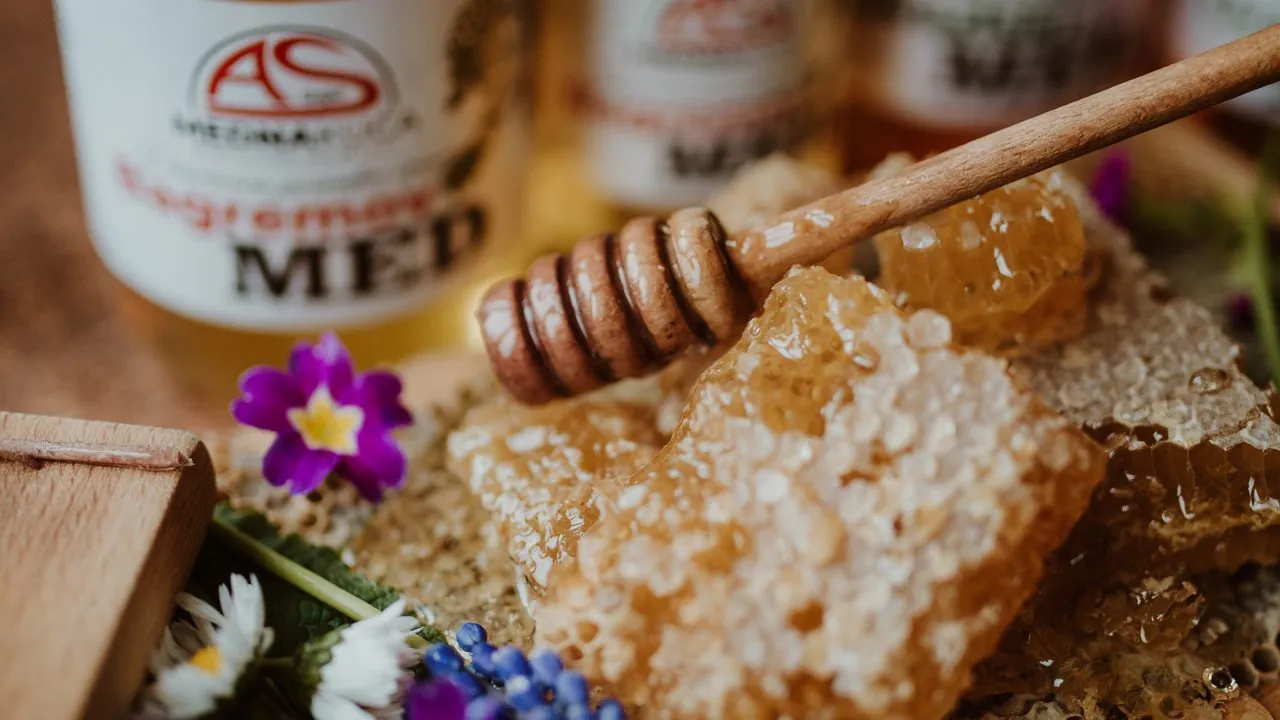
UMF 10+ equals roughly 263 mg/kg of methylglyoxal. What the grades mean, who certifies them, and why manuka honey costs so much.
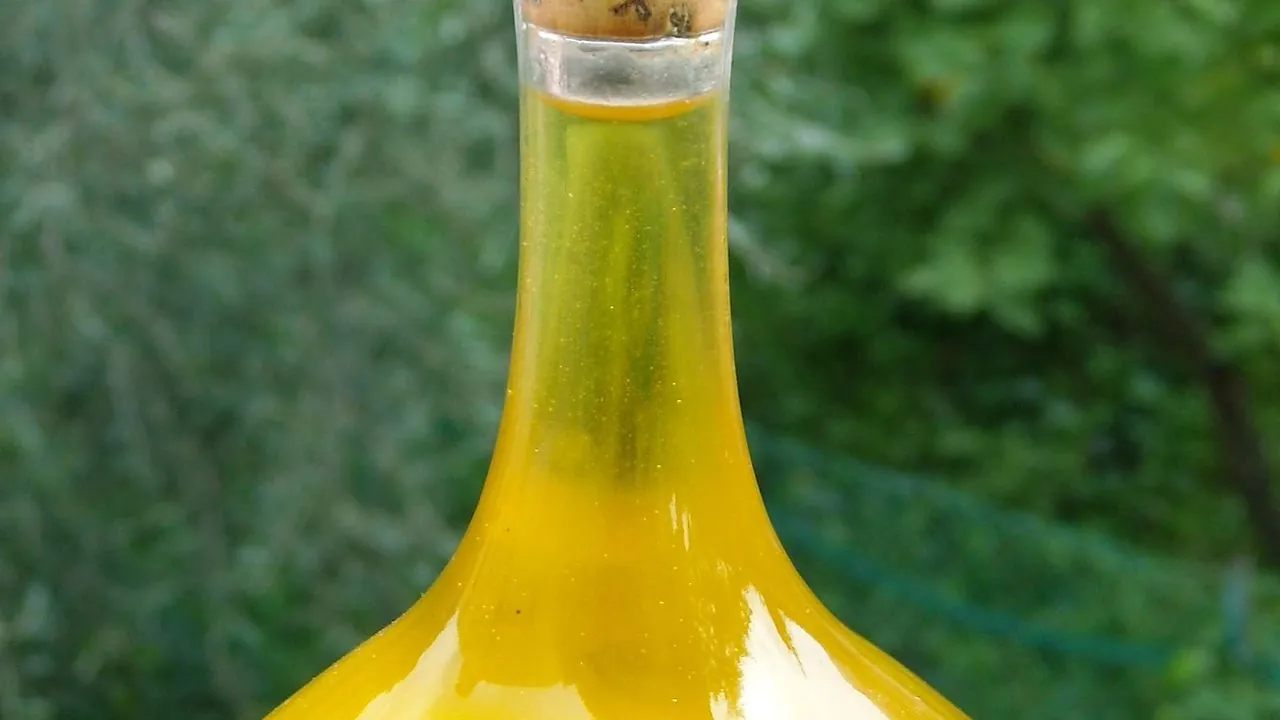
Free acidity below 0.8 percent, peroxide under 20, mechanical extraction only. The International Olive Council rules behind the bottle.