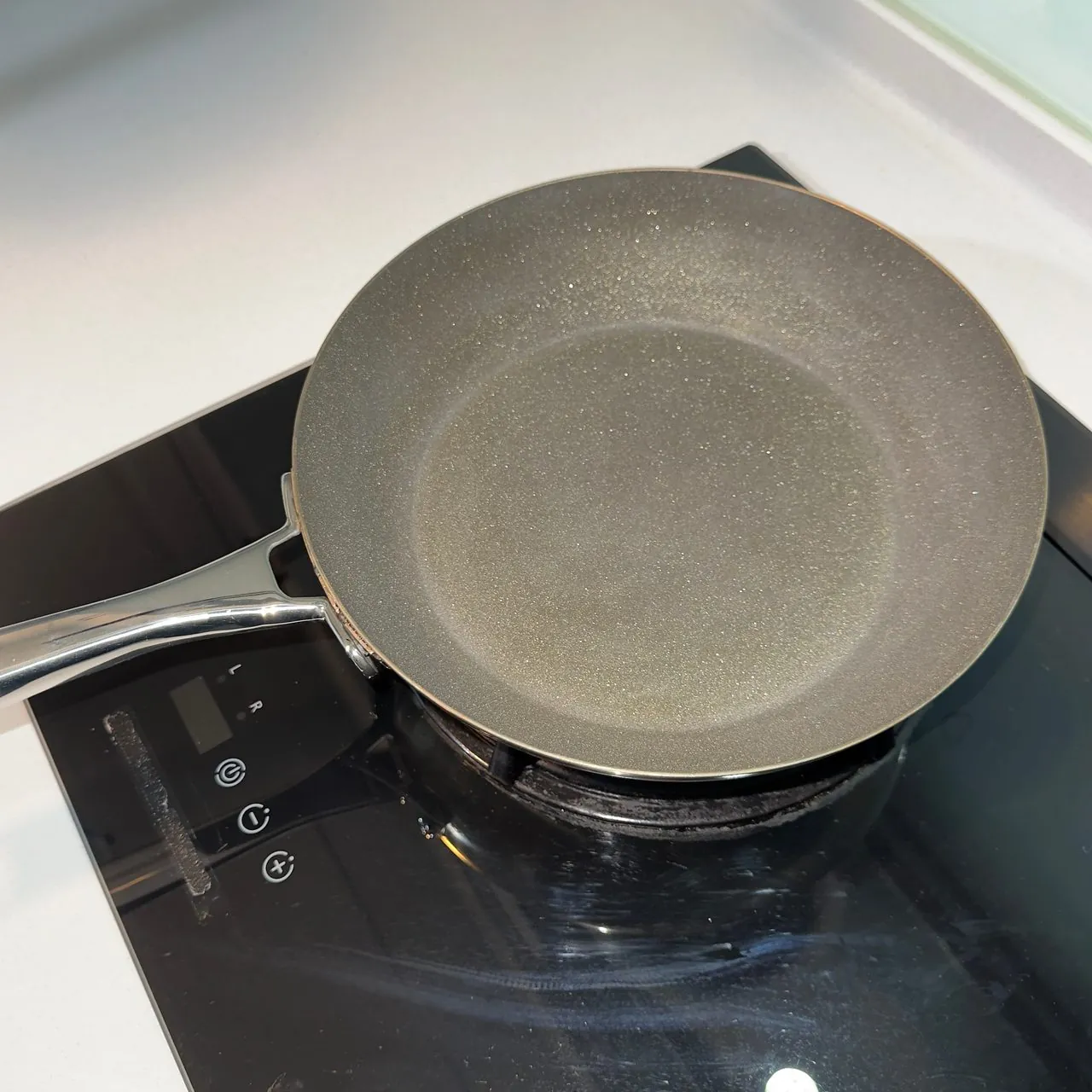
Nonstick Pans: How Long They Last and When to Toss Them
PTFE coatings fail at high heat and with metal tools. The honest lifespan of a nonstick pan, the safety facts, and better care habits.
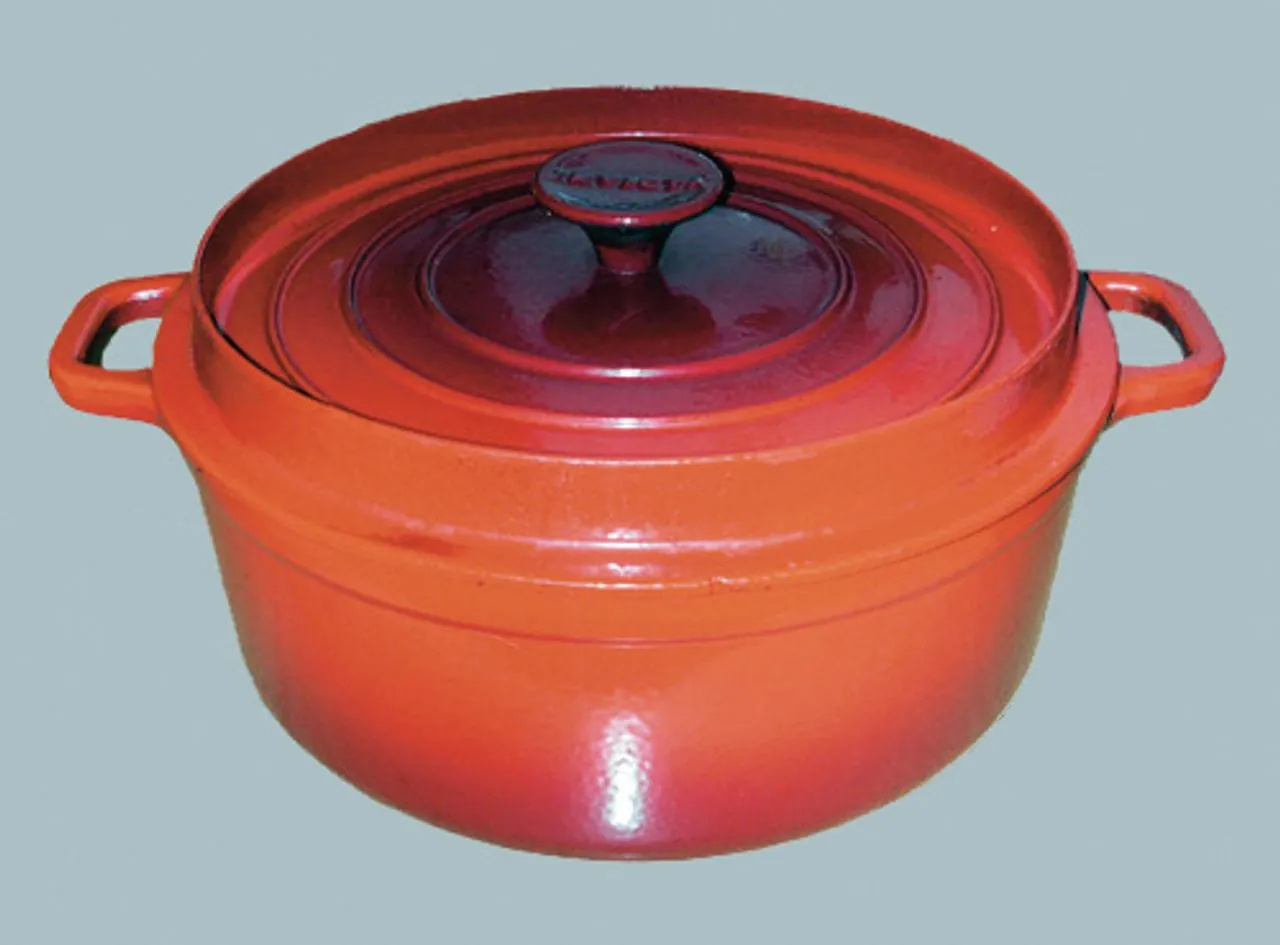
Few kitchen objects inspire the devotion that a heavy pot does. The Dutch oven is the vessel for braises, breads, soups and stews that simmer for hours and taste like patience, and it is also the kitchen's most polarizing purchase. One camp swears by glossy French enamel; another by bare black iron; both sides have real arguments. The honest answer is that these are two different tools that happen to share a silhouette, and the right one depends less on the brand than on how you actually cook.
A product's maximum oven temperature may be limited by the knob or handle rather than the iron body. Read the instructions for the complete pot and lid before following a bread recipe that calls for a very hot preheat. A general claim that cast iron tolerates high heat is not permission to exceed a particular enamel coating or accessory limit.
For a braise, compare usable capacity and base area before comparing colour. Enough liquid volume matters for a large batch, while enough flat area matters when browning several pieces in stages. A smaller pot may be easier to store and lift but require additional searing batches. Weight becomes more important after it contains hot liquid.
Both materials hold heat, but cast iron does not distribute it instantly or eliminate every hot spot. Warm the pot gradually and match the burner reasonably to the base. Avoid thermal shock. If an enamel cooking surface chips, follow the maker's advice rather than treating loose glass-like fragments as normal seasoning that can simply be rebuilt with oil.
The modern enameled cocotte has a birthplace: Fresnoy-le-Grand, a town in northern France where Le Creuset began casting the pots in 1925. The foundry poured molten iron into sand molds and sealed the result under a vivid orange enamel — the flame color that became the company's signature and, arguably, the most recognizable color in all of cookware. The idea married two old technologies: cast iron, which holds heat like nothing else in the kitchen, and enamel, a glass coating that seals the metal away from the food. A century later, the cocotte is still made in the same town and remains the standard against which the whole category is measured. Staub, the other big French name, built its reputation on a matte black interior and a slightly different philosophy of the lid.
Both pots are cast iron at heart, which is why both braise so beautifully. Everything that separates them comes from what sits between the metal and your food — and each choice buys something while giving something up.
An enameled Dutch oven asks nothing of you before its first meal. No seasoning, no oil rituals, no dark patina to cultivate: the glass coating is naturally non-reactive, which means wine, tomatoes, vinegar and citrus can simmer for hours without the metal objecting or the sauce picking up metallic flavors. Cleanup is close to ordinary — soak, wash, dry. The iron underneath does the thermal heavy lifting, holding heat steadily once warmed, though gradual preheating and burner size still matter, while the enamel handles the chemistry. And it looks good enough to travel from stove to table without apology, which matters more than cooks admit. For most home cooks, most evenings, that combination of low maintenance and steady performance is exactly the right trade.
The same coating sets the limits. Enamel is glass, and glass has two enemies. The first is thermal shock: a hot pot plunged into cold water, or an empty pot left on a blazing burner, can crack or craze the coating — a fatal wound on an expensive vessel. The second is metal: whisks, forks and knives scratch and chip the surface, so wooden and silicone tools are the standing house rule. Enameled iron also dislikes dry, screaming heat; it is built for moist, moderate cooking, not for searing at maximum flame or living over coals. And a chip, once it appears, tends to spread, exposing iron that will rust at every wash. Treat an enameled pot like heavy glassware and it lasts decades; treat it like a camp kettle and it will not.
Bare cast iron is the opposite temperament entirely. It demands seasoning, but in exchange it shrugs off abuse that would wreck enamel: dry scorching heat, oven-temperature sears, campfire coals, decades of neglect followed by a weekend of restoration. It sears harder than anything enameled can, tolerates metal tools without complaint, and costs a fraction as much. What it will not do is happily simmer a wine-heavy sauce all afternoon; acid works at the seasoning and lends the food an iron edge. And it wants to be dried and oiled after every wash. In return it is functionally immortal — an heirloom not as marketing but as physics.
Whichever body you choose, pay attention to the lid, because the lid is where the design lives or dies. A heavy lid fits snugly enough to trap steam, and the best designs add self-basting spikes — small raised points on the underside that condense rising steam and drip it back evenly over the food instead of letting it race down the walls and pool at the rim. Staub made the spiked lid its signature; Le Creuset's flat heavy lids do the same work with less theater. Over a three-hour braise the difference is not subtle: meat basted from above stays moist to the waterline, and the sauce reduces instead of escaping past a loose lid.
Manufacturer care guidance supports material distinctions, not a comparative laboratory performance ranking.
PTFE coatings fail at high heat and with metal tools. The honest lifespan of a nonstick pan, the safety facts, and better care habits.
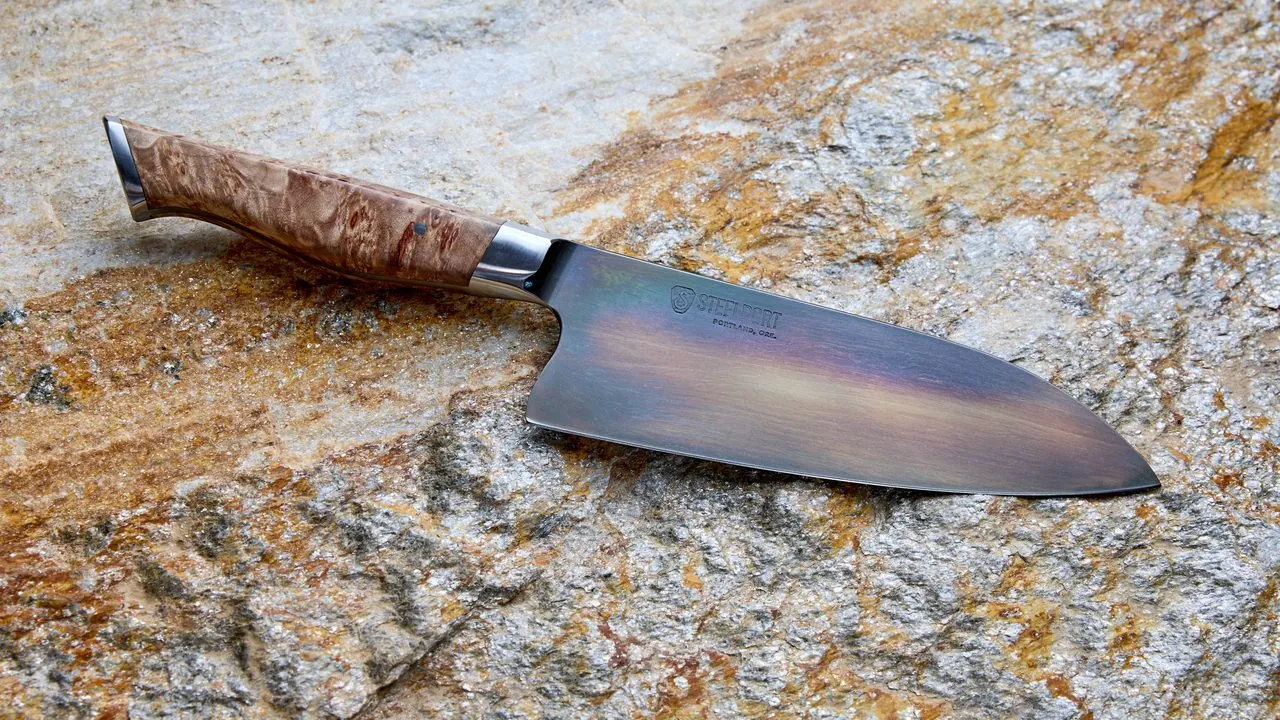
Skip the block set. An 8-inch chef’s knife, a paring knife and a bread knife do everything. Steel types, handle shapes and the feel test.
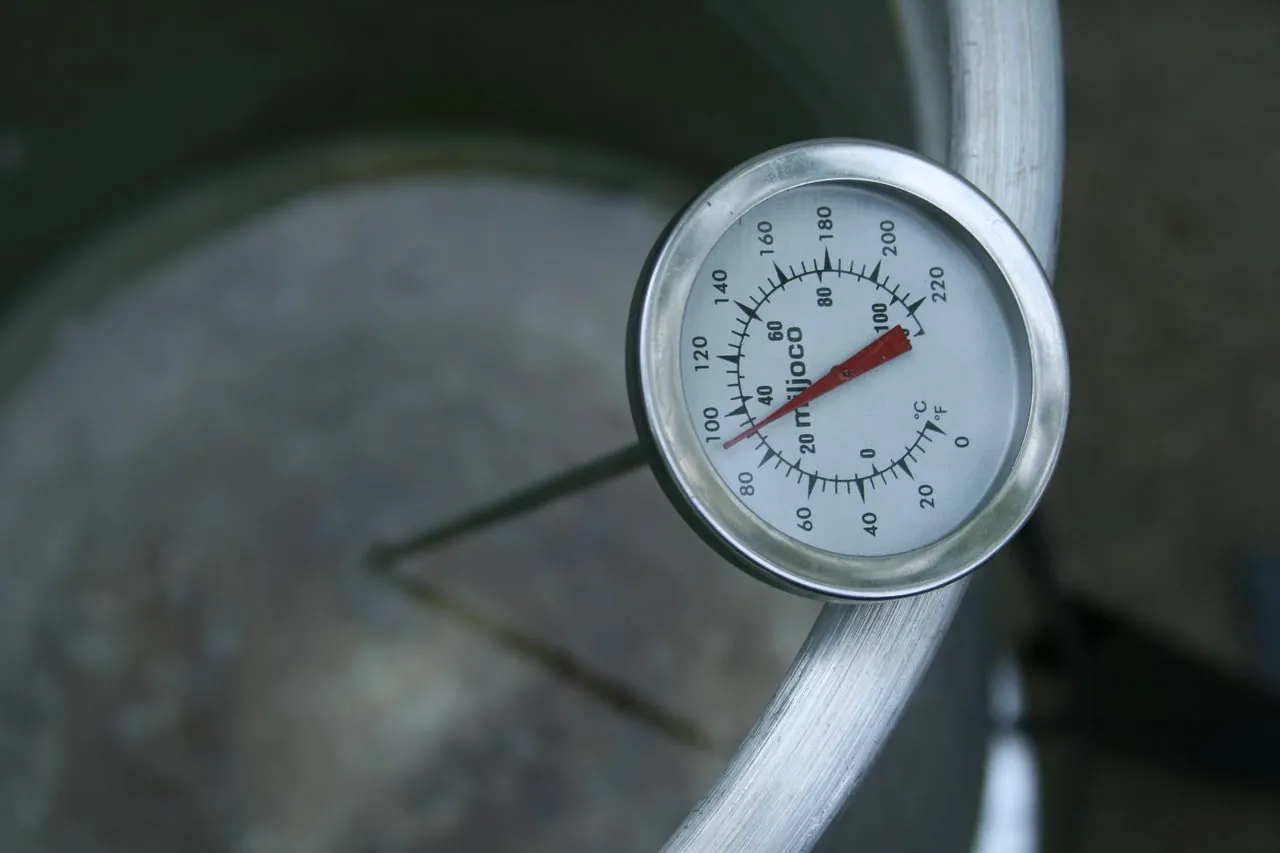
Choose a food thermometer by accuracy and use, then measure the right spot. Consumer safety endpoints and sous vide hold times serve different purposes.