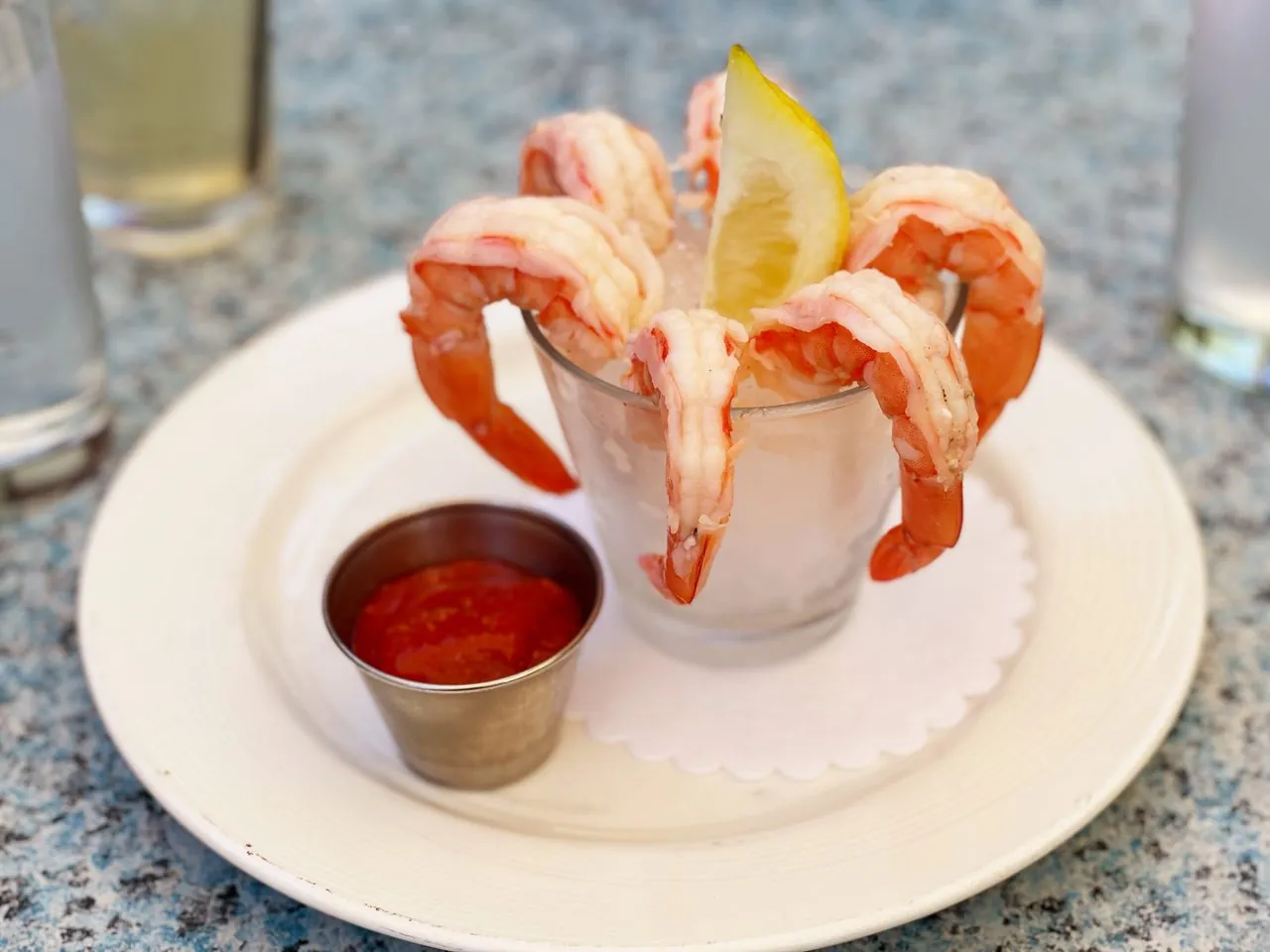
St. Elmo Steak House and the Fiery Shrimp Cocktail Legend
The Indianapolis steak house dates to 1902. Its horseradish shrimp cocktail, documented history and public game-day connection explained.
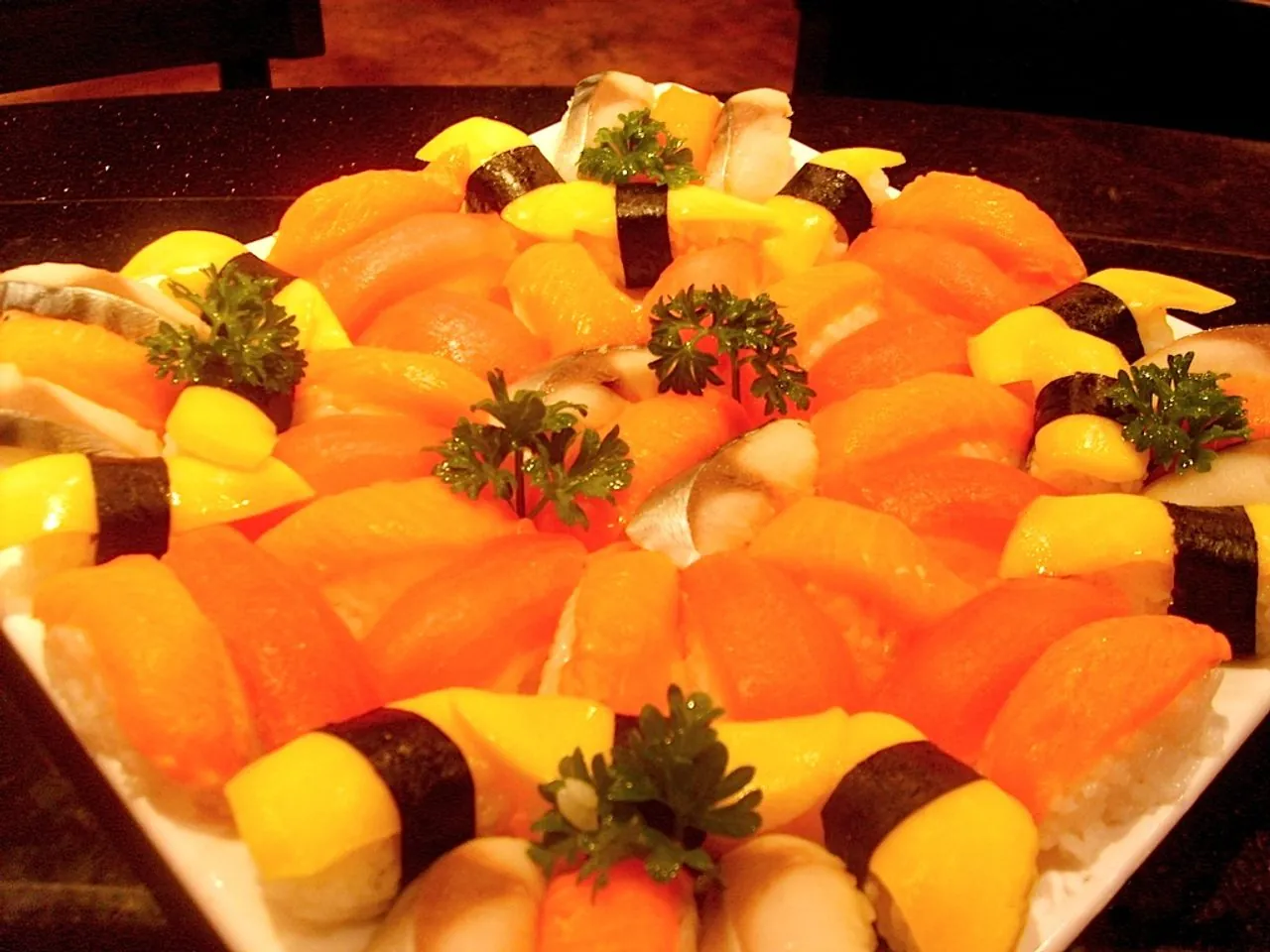
Nobu's restaurant and hotel network grew from a partnership between a chef with Japanese and South American experience and business partners including Robert De Niro. The brand's history dates the New York Nobu opening to 1994. Its development is best understood through the culinary signature and the partnership, rather than a changing location count or an assumption that every branch delivers an identical meal.
Matsuhisa trained in Tokyo, absorbing the classical discipline of Japanese sushi and cuisine. But the path his career took was anything but conventional. He went to Peru to run a restaurant in Lima, then cooked in Argentina and in Alaska, and each stop rewired his assumptions. Wherever he landed, he opened, cooked and adapted, and each chapter added a word to the vocabulary that would later define his cooking. In Peru, familiar Japanese ingredients were scarce and local flavors were everywhere, so he adapted, folding chiles, cilantro and lime into the Japanese grammar he had mastered. The Alaska chapter ended in hardship when a fire destroyed his restaurant there, a setback he has described as one of the hinges of his life. Training in Tokyo had taught him precision; displacement taught him improvisation. By the time Los Angeles called, he had already lived several culinary lives, and he carried with him a cuisine that existed nowhere else: Japanese in technique, unmistakably South American in spirit.
Matsuhisa opened in Beverly Hills in 1987. The cooking drew on Japanese training and experience in South America, combining sushi and sashimi traditions with additional seasonings and preparations. De Niro's involvement is described in the brand's own partnership narrative. That is a firmer basis for the next chapter than attributing identical reactions to anonymous diners or declaring the restaurant an instant success without a defined measure. The dishes help explain a recognisable identity, but a description of the style should not flatten the wider history of Japanese-Peruvian cooking into one restaurant's invention.
Among the regulars at Matsuhisa was Robert De Niro, who fell for the cooking and formed a plan: bring it to New York. Matsuhisa declined, repeatedly and politely, wary that a second restaurant would dilute the first. De Niro kept asking across a span of years, and his persistence finally won; in 1994, Nobu opened in New York with De Niro and Meir Teper as the chef’s partners. What began as a single experiment became the foundation of a group. New York in the nineties was hungry for exactly this kind of cooking, and the dining room became an institution almost overnight, the rare restaurant equally famous for its food and its guest list. The chef insisted the food come first, and his partners agreed. The partnership proved one of the most successful chef-celebrity collaborations in restaurant history, and it established the template — patience, shared ownership and absolute fidelity to the cooking — on which everything since has been built.
Two plates did much of the diplomatic work. Black cod with miso, the dish that introduced countless diners to the idea that fish could be marinated like meat, became the restaurant’s signature and one of the most imitated recipes of its era. New-style sashimi took the most classical of Japanese forms and dressed it with warm, aromatic flavors no Tokyo counter would recognize. Around them grew a whole cuisine that fuses Japanese technique with Peruvian (Nikkei) ingredients like jalapeño and cilantro. The dishes traveled better than anyone expected. Imitations appeared on menus everywhere, though regulars insisted the originals tasted like more than the sum of their ingredients. The fusion never felt like a stunt; it tasted like a biography.
The Nobu name now extends across an international restaurant and hotel network, with a brand presence that would have been unimaginable to the young cook who once lost everything to a fire in Alaska. What keeps the empire coherent is that the expansion follows the food rather than the reverse: the Nikkei signature travels intact, whether the dining room sits in Malibu, London or the Middle East. The growth has been deliberate, paced to protect the thing that made the name worth expanding in the first place. A restaurant group is only as strong as its weakest kitchen, and the company has guarded its standards accordingly. Matsuhisa himself still talks about cooking the way he did when the only restaurant that mattered was the one in front of him. Every hospitality empire is built on some kind of repetition; this one repeats a point of view rather than a formula, and that point of view was forged in Lima, tested in Alaska, and perfected in a Beverly Hills dining room that changed everything.
The brand's own history connects the original restaurant relationship with the opening of Nobu in New York in 1994. That chronology is more durable than a round number of locations, which changes with openings, closures and hotel projects. It also helps keep Matsuhisa restaurants and the Nobu hotel-and-restaurant network distinct instead of casually counting them as the same set.
The black-cod example explains a culinary signature: a repeatable approach to seasoning and texture can travel even when a restaurant's setting changes. It does not show that every branch buys the same fish, serves an identical menu or delivers an identical meal. For a reservation, read the individual venue's current menu and allergy guidance, not just a global brand biography.
When a story includes De Niro's persistence, identify it as the partnership account published by the business. The useful historical question is how a small restaurant's reputation became a transferable identity. Celebrity involvement is part of that answer; it is not independent evidence of food quality.
A historical overview; locations, prices and reservation policies should be checked with the individual restaurant.
The Indianapolis steak house dates to 1902. Its horseradish shrimp cocktail, documented history and public game-day connection explained.
Jiro Ono trained a generation of sushi masters from a ten-seat subway-adjacent shop. Why the Michelin guide eventually stopped listing it.
Edible balloons, food painted on the table, a course served on a trapeze. Grant Achatz’s Alinea turned dinner theater into fine dining.