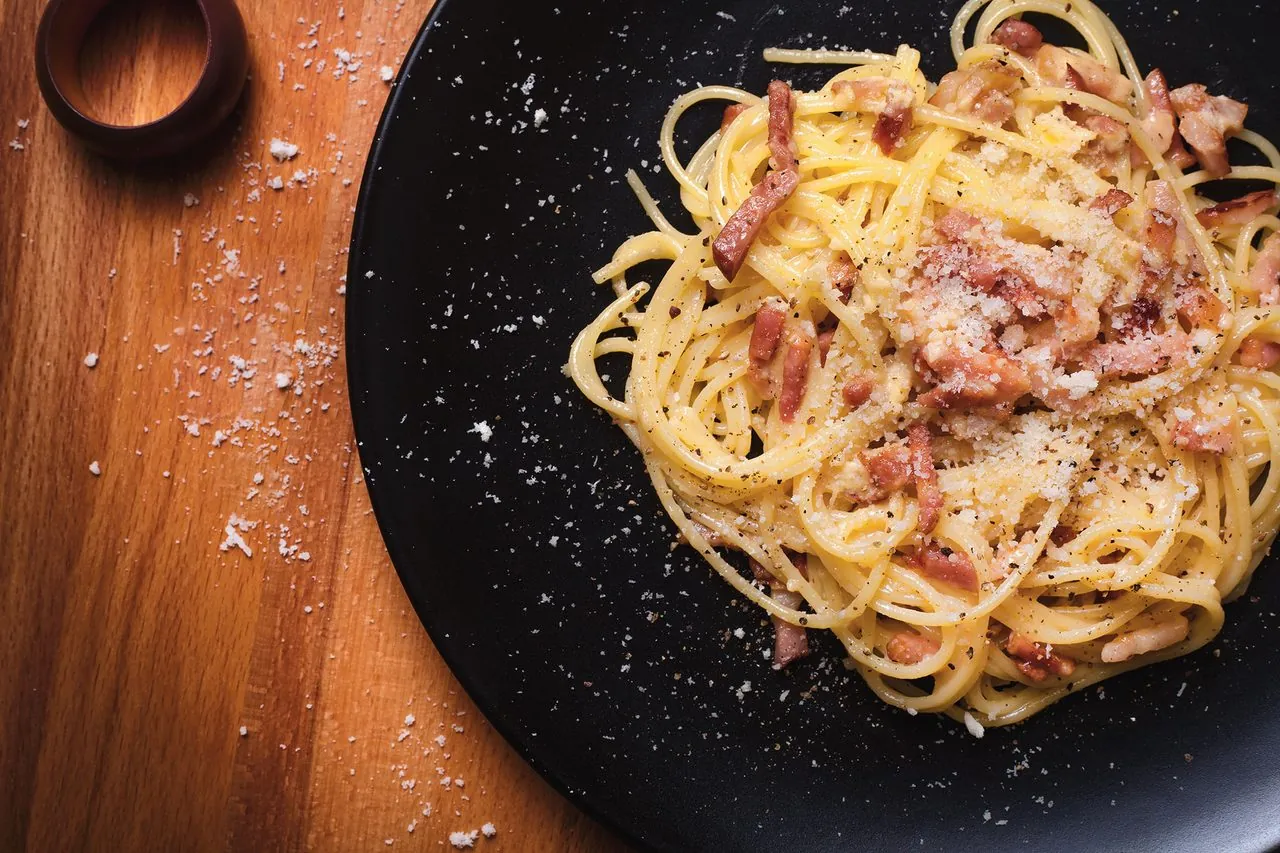
Spaghetti alla Carbonara: The Roman Original, Done Right
Guanciale, Pecorino Romano, eggs and pepper — no cream, no onions. How Rome’s most-guarded pasta actually comes together in 20 minutes.
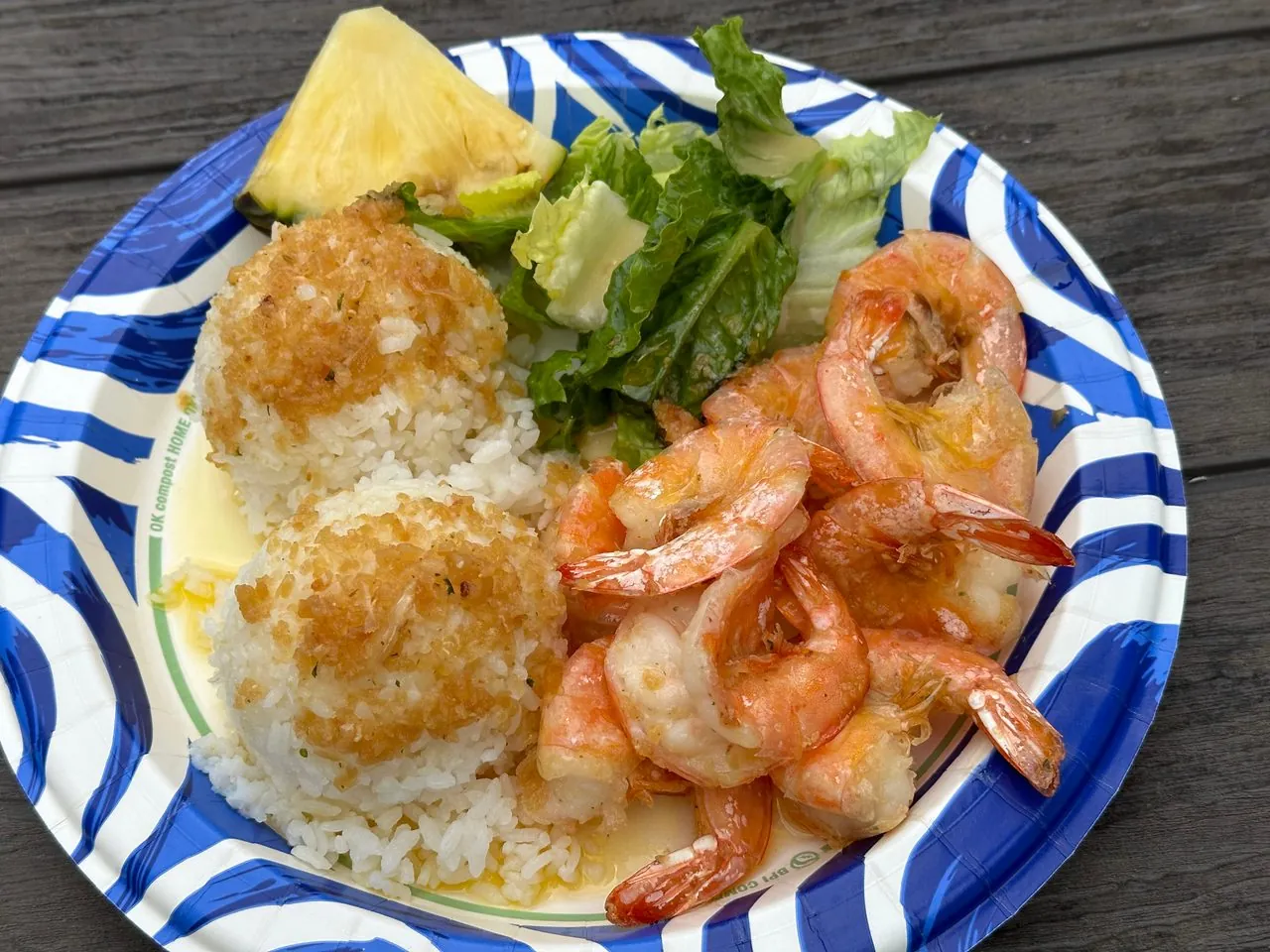
Ten minutes is not a gimmick here; it is the honest arithmetic of shrimp cookery. The shellfish need sixty to ninety seconds of searing per side, the garlic half a minute, the butter and lemon barely more. Everything else in the recipe is preparation that happens before the pan gets hot. Learn the sequence — dry, sear, garlic, butter, finish — and you have not learned a dish so much as a template that flexes into tacos, pasta and rice bowls for the rest of the week.
For two servings, a practical home starting batch uses 300 g peeled, deveined shrimp, one tablespoon oil, 25 g butter, two finely chopped garlic cloves, one tablespoon lemon juice and a small handful of chopped parsley. Salt depends on the shrimp and butter. This is an editorial adaptation, not a claim of an independently tested proprietary recipe.
The ten-minute estimate begins with thawed shrimp and measured ingredients. Refrigerated thawing or cold-water thawing in a sealed bag takes additional time. Keep the shrimp cold until cooking and do not use warm water to hurry the job. A loose C shape is a texture clue, not a safety certificate: FDA guidance describes cooked shrimp as pearly and opaque, and size and pan heat affect timing.
Work in batches if needed. Remove the cooked shrimp while the garlic and butter finish so that sauce reduction does not become extra shrimp cooking. Return briefly, taste and serve. Refrigerate leftovers promptly and reheat safely; a quick original sear does not establish a long room-temperature serving window.
The biggest mistake in home shrimp cookery happens before the stove is even lit: wet shrimp hit the pan and steam instead of brown. Water is insulation. Pat the shrimp thoroughly dry with paper towels until they feel almost tacky, and the difference shows up within ninety seconds as golden, crisped edges instead of gray, rubbery translucence. This one step separates confident shrimp cooks from disappointed ones more than any brand of pan ever will.
Shell-on or shell-off is a fair question with a clear answer. The shell contributes flavor and protects the delicate surface of the meat from the pan's direct heat, so for a sear-and-sauce dish it earns its keep; peel at the table and let the drippings reward the effort. If you prefer peeled shrimp for easier eating, buy them with the tail segment still attached — it gives you something to hold and slows the cooking at the tip, which is exactly where shrimp overcook first.
Get a wide skillet properly hot — you want the oil to shimmer, not to smoke into alarm — and lay the shrimp in a single layer with a little breathing room between each one. Crowding drops the temperature and traps steam, and steam is the enemy you just spent a paper towel defeating.
Sixty to ninety seconds per side is the whole job. The shrimp are ready to flip when the underside turns opaque and the edges curl slightly; they are done when they form a loose C shape. A tightly curled O means they are already past it, so err early — residual heat and the warm sauce will finish them. Remove the shrimp from the pan as soon as they are done rather than letting them ride along with the sauce. Shrimp left in butter sauce over the flame keep cooking in it; pulled out and returned at the last moment, they stay plump and springy instead of shrinking into erasers.
Garlic and screaming-hot oil are a bad first date: it scorches in under a minute, turns acrid and bitter, and that bitterness saturates the entire dish. So the garlic waits its turn. After the shrimp come out, lower the heat, add the butter, and only then add the sliced or minced garlic, giving it thirty to forty-five seconds — just long enough to turn fragrant and pale gold, not a second longer.
Then everything reunites. The shrimp go back in, a squeeze of lemon deglazes the pan and lifts the browned bits from the bottom, and chopped parsley goes in off the heat so it stays green and grassy rather than collapsing into dark strings. Spoon the sauce over, taste for salt, and stop. Six ingredients — shrimp, oil, garlic, butter, lemon, parsley — is the entire pantry, and the restraint is precisely why the dish tastes like more than the sum of its minutes.
The template earns its keep in its variations. Fold the finished shrimp and sauce into warm flour tortillas with shredded cabbage and a spoonful of crema for tacos. Toss them with hot pasta and a splash of pasta water for a glossy, ten-minute scampi. Spoon them over rice with steamed greens for a bowl that eats like takeout without the wait. Or toast thick bread, rub it with a garlic clove, and let the shrimp and all that butter land on top like the fastest bruschetta of your life.
The sauce is the flexible part. Swap the lemon for lime and add a pinch of chili for the tacos. Add a small splash of white wine before the butter for the pasta. Stir in a spoonful of harissa for the rice bowl. The sear, the late garlic and the butter finish never change, because they are the parts that make the dish taste like shrimp rather than like sauce.
Labels confuse more than they should, so simplify. Shrimp are sold by count per pound — the lower the number, the larger the shrimp — and anything in the sixteen-to-twenty or twenty-one-to-twenty-five range sears beautifully without vanishing into the sauce. Individually quick frozen shrimp, thawed in a bowl of cold water for fifteen to twenty minutes, are routinely better than the thawed fish at the supermarket counter, because they were frozen close to the boat within hours of the catch. Thaw them in their packaging or in a bowl of cold water, never under warm running water, which starts cooking the thin ends before the shrimp ever see a pan.
The ten-minute cooking estimate assumes peeled, thawed shrimp and prepared ingredients; thawing is additional.
Guanciale, Pecorino Romano, eggs and pepper — no cream, no onions. How Rome’s most-guarded pasta actually comes together in 20 minutes.
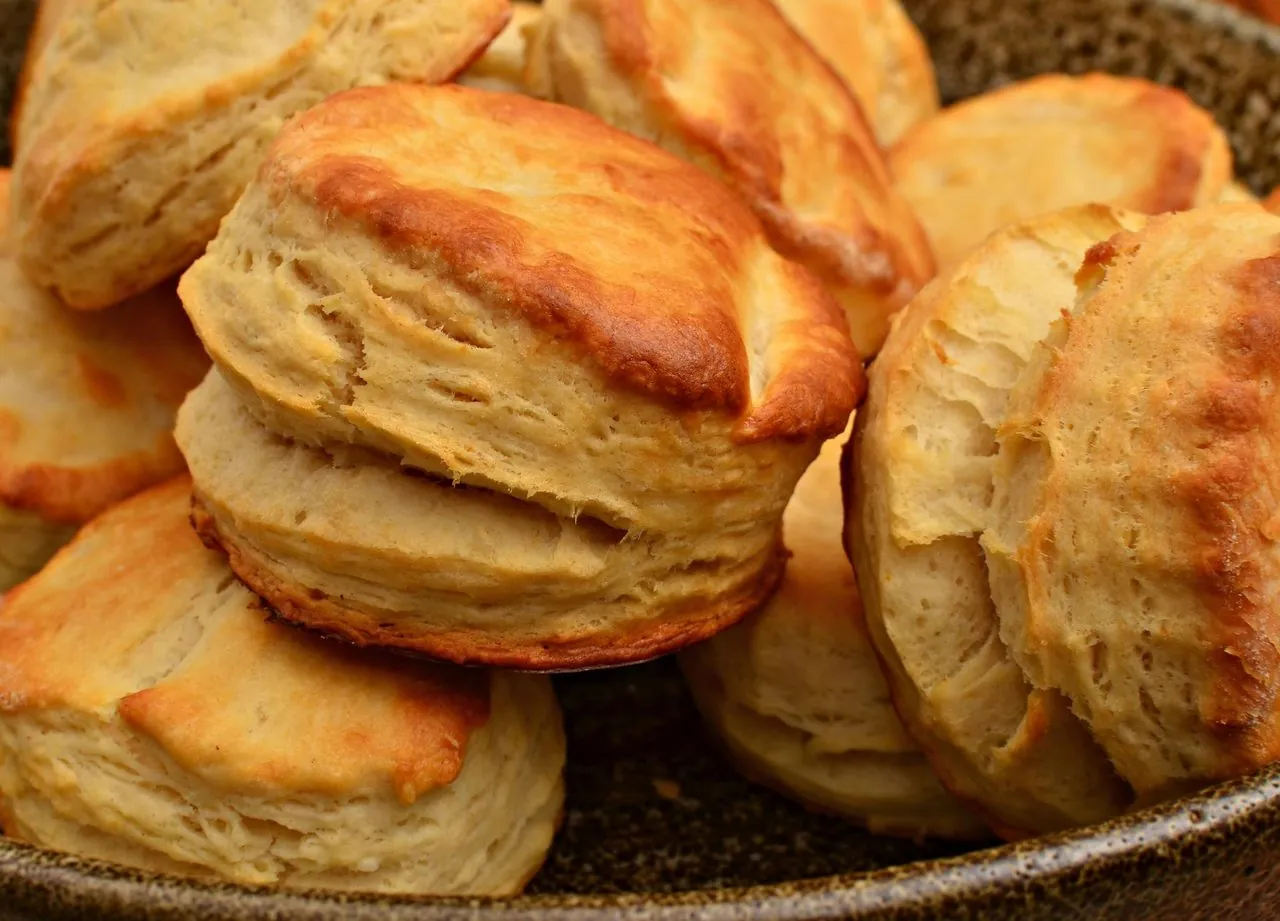
Cold butter, a gentle fold and one extra fold of dough: the physical rules that create a dozen shattering layers in buttermilk biscuits.
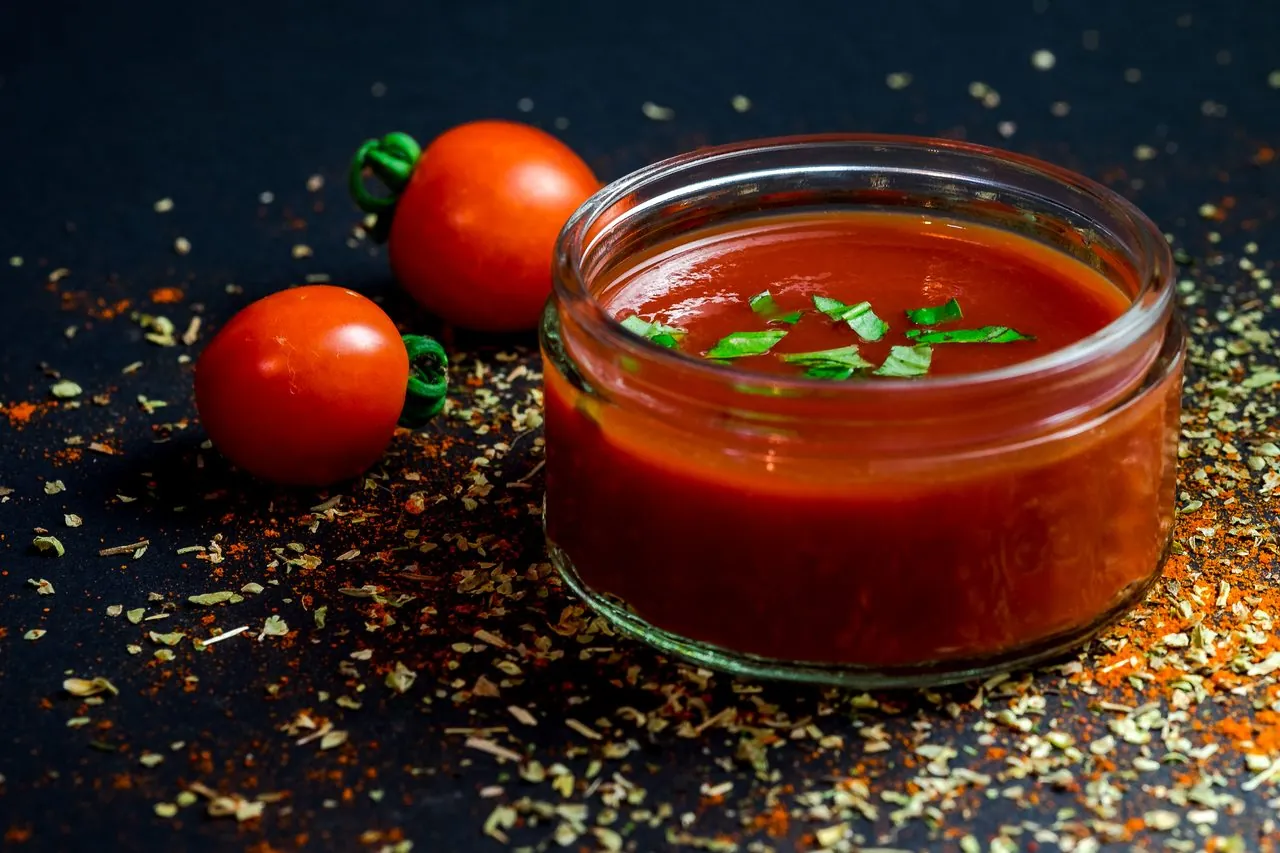
Three ingredients and 45 minutes: the late Marcella Hazan’s legendary tomato sauce remains the smartest 20 minutes of prep in Italian cooking.