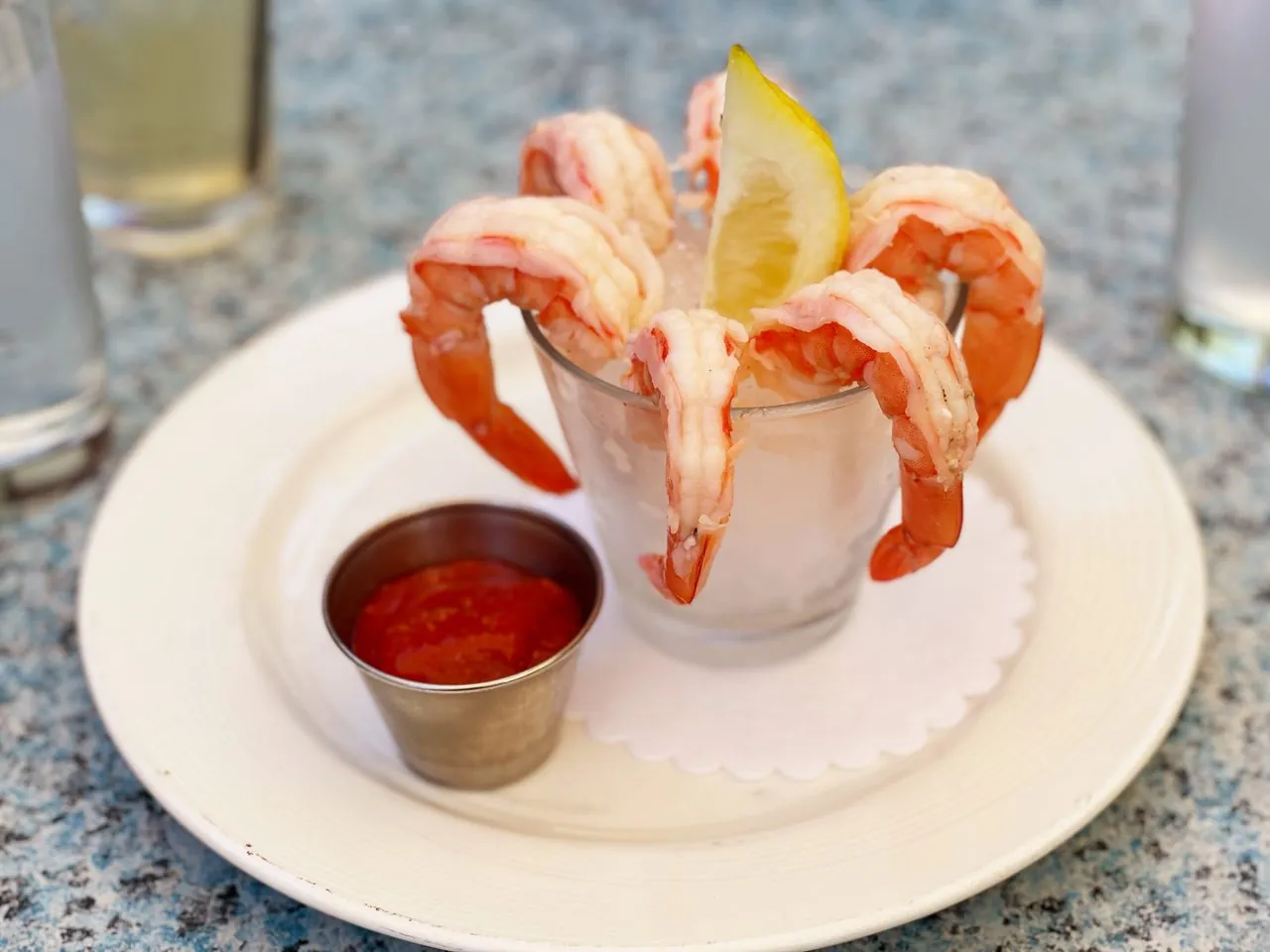
St. Elmo Steak House and the Fiery Shrimp Cocktail Legend
The Indianapolis steak house dates to 1902. Its horseradish shrimp cocktail, documented history and public game-day connection explained.
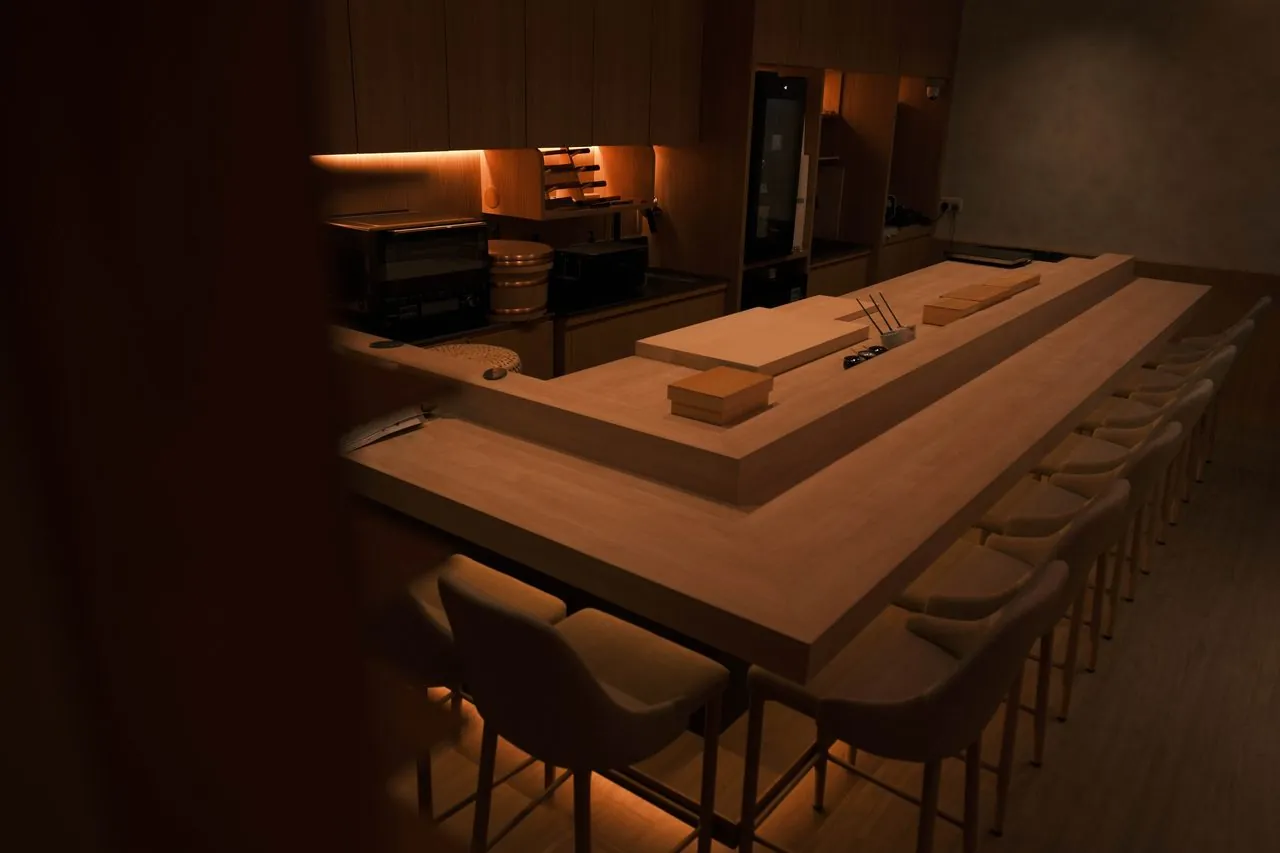
Sukiyabashi Jiro's Ginza counter became internationally known through Michelin recognition and the documentary Jiro Dreams of Sushi. Its own history records the career behind that attention. An account of the restaurant should distinguish the craft shown in historical footage, the dates of guide recognition and the separate question of whether a member of the public can book a current meal. This is a historical feature, not a report from a recent visit.
The shop sits inside the Tsukamoto Sogyo Building, steps from the subway, and its geography makes an argument: excellence does not require grandeur. There is no menu in any real sense. The chef decides what you eat and in what order, reading the pace of your appetite as carefully as he reads the fish. The service is famously brisk — this is not a place for lingering — and the appointment-like precision of it all is part of the experience. You are not buying dinner so much as a slot in a practice that has been refined daily for the better part of a century. The smallness is also the honesty of the place; nothing about the room distracts from the two subjects that matter, the fish and the rice.
Jiro Ono’s own apprenticeship began when he was a child, and he built his kitchen on a training regime of almost monastic severity. Apprentices spend years on tasks that other kitchens consider beneath notice — preparing the rice, learning its temperature and seasoning by touch — before they are allowed near the fish. The progression is deliberate: mastery here is understood not as a talent but as an accumulation, a daily repetition of the same motions until the motions disappear into instinct. The famous footage from his kitchen shows apprentices making the same piece of sushi again and again under the old man’s eye, sometimes for years. He came to sushi out of necessity, a boy set to work early, and turned that hard beginning into a vocation of uncommon depth. Jiro’s stated philosophy is simple and slightly terrifying: there is no finish line, only the same work, done a little better each day.
In 2007, when Michelin published its first Tokyo guide, Sukiyabashi Jiro was among the sushi restaurants awarded three stars in that inaugural selection — a judgment all the more startling for coming to a ten-seat shop with no menu to speak of. The award made Jiro a global figure at an age when most chefs have long since retired. It also transformed the restaurant’s clientele: reservations, once merely difficult, became a kind of legend, chased by food pilgrims from every continent. The stars were less a marketing event than a cultural one; they told the world that greatness could live in a room with no view.
In 2011 the documentary Jiro Dreams of Sushi introduced the restaurant to a global audience far beyond the food world. The film is a portrait of obsession in its gentlest form: an aging craftsman, his two sons, the apprenticeship system, the fish market at dawn, the rice, the labor, the repetition. It made Jiro and his ten-seat shop emblems of a particular idea of mastery — the idea that a single craft, practiced for a lifetime, can become a form of devotion. The film’s reach is hard to overstate; for a decade it has been the first thing many people think of when they think of sushi at all. It also made the restaurant’s fortunes complicated: fame at this scale is a burden for a business with ten seats.
In 2019 the Michelin guide stopped listing the restaurant, not as a demotion but as an administrative fact: Sukiyabashi Jiro no longer accepted reservations from the general public. The shop had become, in effect, a room you could not simply book — access came through regulars and arrangements — and the guide’s rules require a door that anyone can knock on. The change was met with understanding rather than scandal. A ten-seat restaurant cannot absorb global demand, and the alternative to closing the books was closing the room. Jiro, by then in his nineties, continued behind the counter, serving the guests he had. It is a rare ending for a restaurant story: not a fall, but a withdrawal into the work itself.
The first Tokyo guide was released in 2007 as the 2008 edition, so an account should distinguish publication date from edition year. Jiro was among the sushi restaurants receiving the highest rating in that inaugural selection; describing it as the sole first sushi restaurant adds a distinction the chronology does not establish.
Guide recognition, an available reservation and a guarantee that a named chef will serve a guest are different claims. A biography cannot answer the last two. Before making travel arrangements, consult the restaurant's current information and the booking channel it recognises. Do not rely on an old documentary, a cached price or a third-party page that repeats an old star rating.
The documentary remains useful as a record of a particular kitchen and period. Its apprenticeship scenes should not be projected automatically onto every current employee or every other sushi counter. That narrower reading still leaves room to discuss repetition, succession and the significance of rice preparation without inventing a contemporary visit.
Historical recognition is distinguished from current guide eligibility and booking access.
The Indianapolis steak house dates to 1902. Its horseradish shrimp cocktail, documented history and public game-day connection explained.
How Matsuhisa, Robert De Niro and their partners built Nobu from a restaurant partnership into an international dining and hotel network.
Edible balloons, food painted on the table, a course served on a trapeze. Grant Achatz’s Alinea turned dinner theater into fine dining.