St. Elmo Steak House and the Fiery Shrimp Cocktail Legend
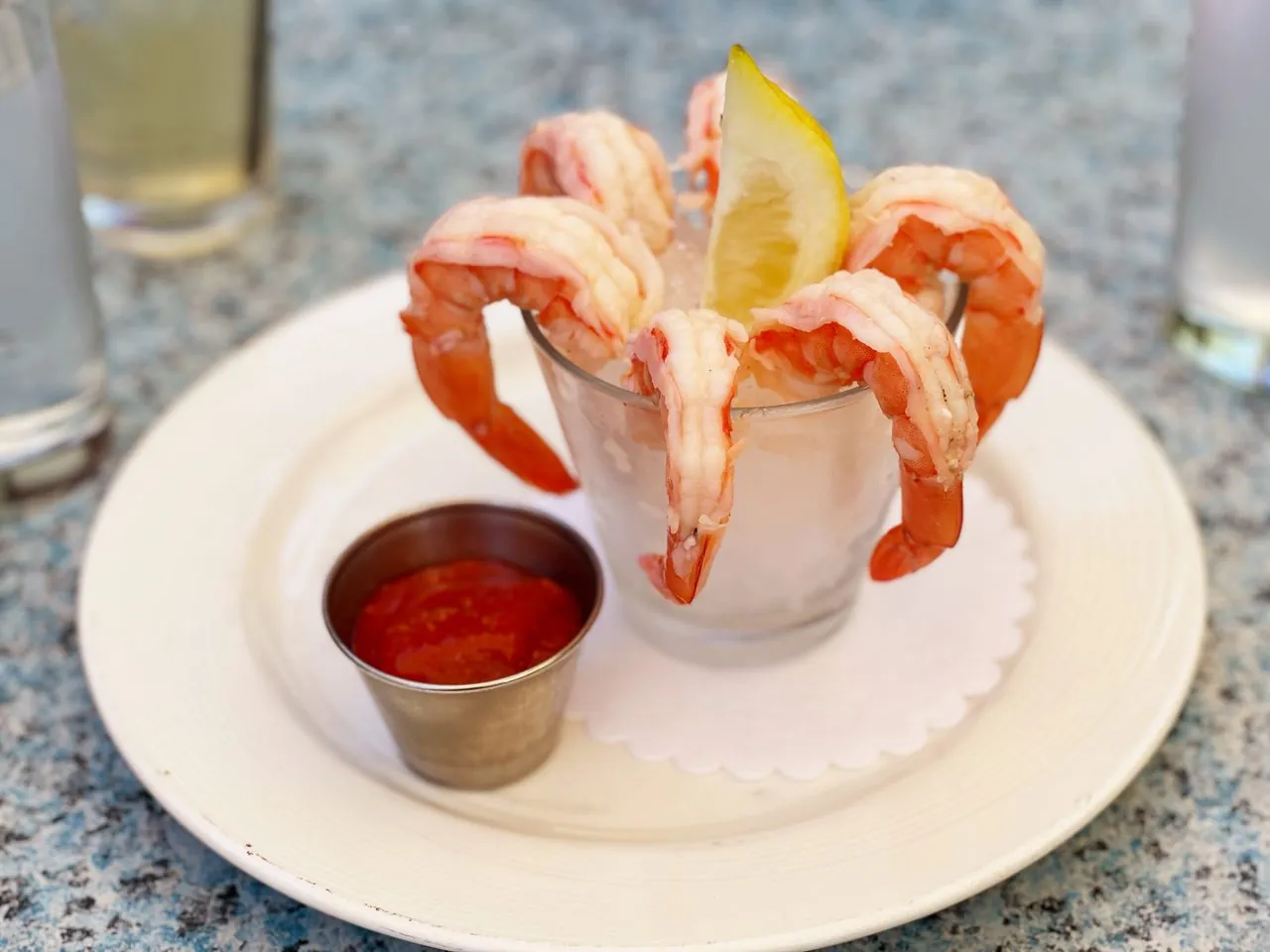
The Indianapolis steak house dates to 1902. Its horseradish shrimp cocktail, documented history and public game-day connection explained.

The French Laundry's history has two important ownership chapters. Sally and Don Schmitt began restaurant service in 1978; Thomas Keller purchased the Yountville business in 1994, according to the restaurant group's chronology. The building, garden and signature dishes help explain the restaurant's identity, while current menus, prices and reservations need their own up-to-date information. This account follows that history rather than recreating an unreported dinner.
The historic stone building predates the restaurant, and it has never pretended to be grand. It began life as a saloon, pouring drinks for a small valley town, and later took on humbler work altogether: for a stretch of its history the building operated as a laundry, washing clothes instead of glasses. That chapter gave the restaurant its name, which sounds like a joke until you stand in front of the door and realize it is simply the truth. Generations of valley families knew it first as a place to drink, then as a place to have shirts pressed, and finally — thanks to a young cook with strong opinions about sourcing — as a place to eat. In 1978, Sally Schmitt opened the building as a restaurant and kept the name, a decision that said a great deal about the cooking to come. She was not interested in pretending the cottage was anything other than what it was. The food, like the sign, would be plain-spoken — and, as it turned out, quietly revolutionary.
Schmitt cooked in a style the country had not yet learned to name. The menu changed daily, built around what the nearby farms and waters offered rather than what tradition demanded, and the cooking leaned on French technique without ever becoming a tribute act. She kept the kitchen small, the welcome warm, and the standards uncompromising. Diners drove up from San Francisco and told other diners, and the cottage’s reputation grew far faster than its square footage. Today Schmitt is widely credited as a founding mother of California cuisine, the philosophy that great food begins with great ingredients treated honestly and served without ceremony. Her influence shows up today every time a menu lists its farm partners by name. The tasting-menu format she championed became the template the restaurant still follows. When the time came to pass the restaurant on in the nineties, the buyers understood they were not purchasing a building so much as a proof of concept.
Thomas Keller bought the French Laundry in 1994, and the restaurant’s second life began. Keller had cooked his way through some of the great kitchens of France and New York, and he arrived in Yountville with a vision of dining as a complete, unhurried experience: no printed choices, just a sequence of courses composed each day around the best raw materials the kitchen could find. He rebuilt the kitchen’s discipline around precision — the cuts, the temperatures, the timing — and around a standard that nothing leaves the pass unless it is exactly right. The blue door became a threshold with a reputation of its own; regulars still describe the first time they pushed it open as the moment their idea of dinner changed.
Some dishes become signatures because they photograph well; Oysters and Pearls became one because it made an argument. The dish sets pearl tapioca in a warm custard, studded with oysters and finished with caviar, and in a single spoonful it announces the restaurant’s whole approach: luxury ingredients handled with restraint, texture treated as seriously as flavor, and a sense of play that never tips into gimmick. It is still the dish first-timers hope to see, decades after it first appeared. It has anchored Keller’s menus for decades. The broader meal remains a nine-course tasting format, served in a room small enough that the pacing feels personal, and it shifts constantly with the garden across the street and the seasons of the valley. Dishes arrive like chapters, and the evening resolves like a story with a final page you did not see coming.
The recognition followed. The French Laundry has held three Michelin stars since the guide’s first Bay Area edition in 2007, one of a select group of American restaurants to reach that summit, and it has repeatedly collected top honors from Relais & Châteaux and the World’s 50 Best list. Just as important is the kitchen’s afterlife: a generation of cooks trained under Keller and carried the cottage’s standards across the country, seeding American fine dining with its obsession for detail. Napa Valley itself grew up around the cottage, evolving from farm and wine country into a pilgrimage region for food. The building itself, meanwhile, remains what it always was — a stone cottage with a laundry’s name and a garden view. Perhaps that is the lesson of the place. Ambition does not require marble columns. Sometimes it requires only a room that believes, quietly and completely, that tonight’s dinner should be the best one you have ever had.
The operator's timeline dates the Schmitt restaurant opening to 1978 and Keller's purchase to 1994. Those are useful historical anchors. Descriptions of the room, service and a famous dish should not imply that the writer personally attended a current dinner or that a particular course will appear on a future reservation.
Oysters and Pearls illustrates a combination of texture and luxury ingredients, but reproducing its name in a biography is not a recipe. A reader wanting to cook it needs the complete published preparation, including proportions and handling instructions. A reader wanting to book should consult the restaurant's current menu and policies rather than a decades-old account.
The garden is relevant to understanding the restaurant's approach, not proof that every ingredient is grown across the street. Similarly, an award belongs to an edition or year. Keep dated recognition distinct from an unqualified current ranking. This makes the historical account more useful when menus, prices, staff and visitor arrangements change.
The operator's chronology supports ownership history; it does not establish first-hand reporting by this site.
The Indianapolis steak house dates to 1902. Its horseradish shrimp cocktail, documented history and public game-day connection explained.
How Matsuhisa, Robert De Niro and their partners built Nobu from a restaurant partnership into an international dining and hotel network.
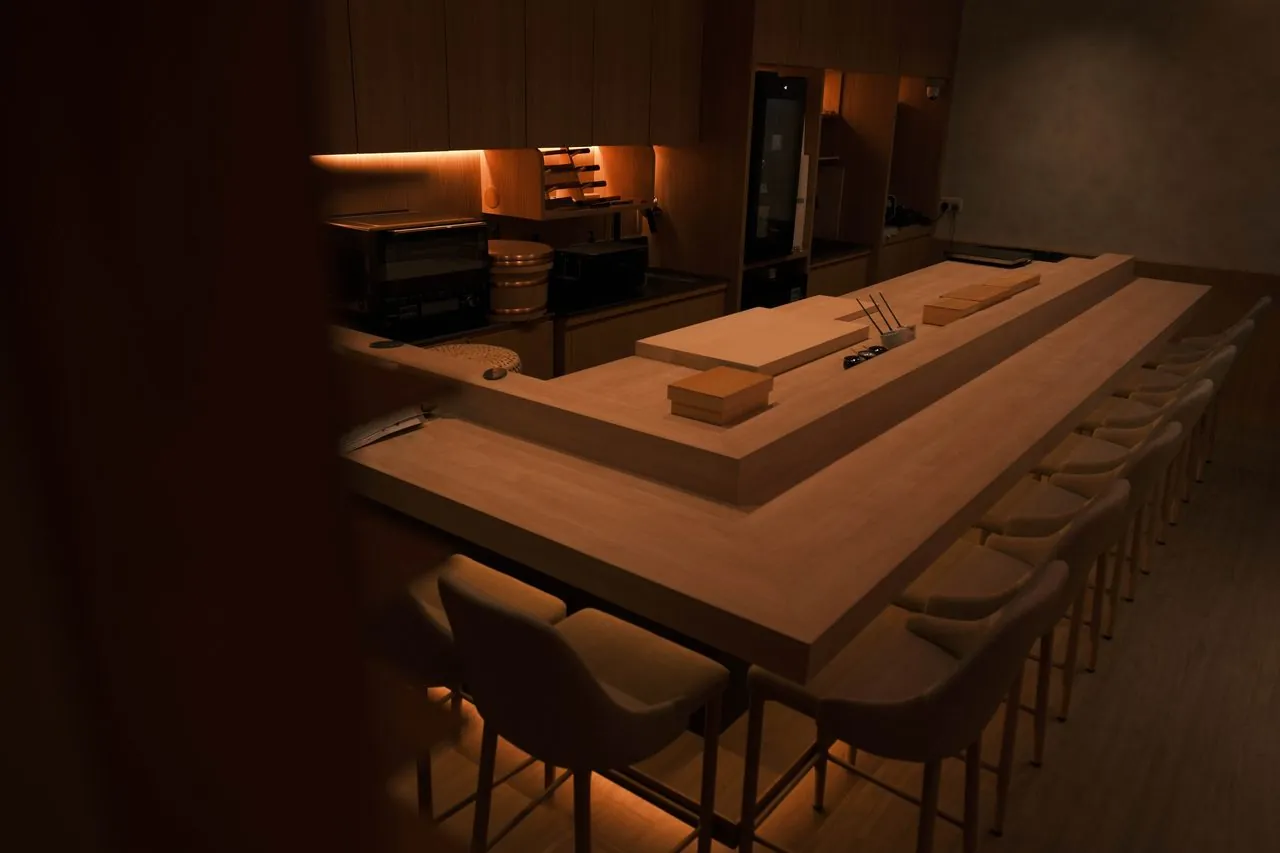
Jiro Ono trained a generation of sushi masters from a ten-seat subway-adjacent shop. Why the Michelin guide eventually stopped listing it.