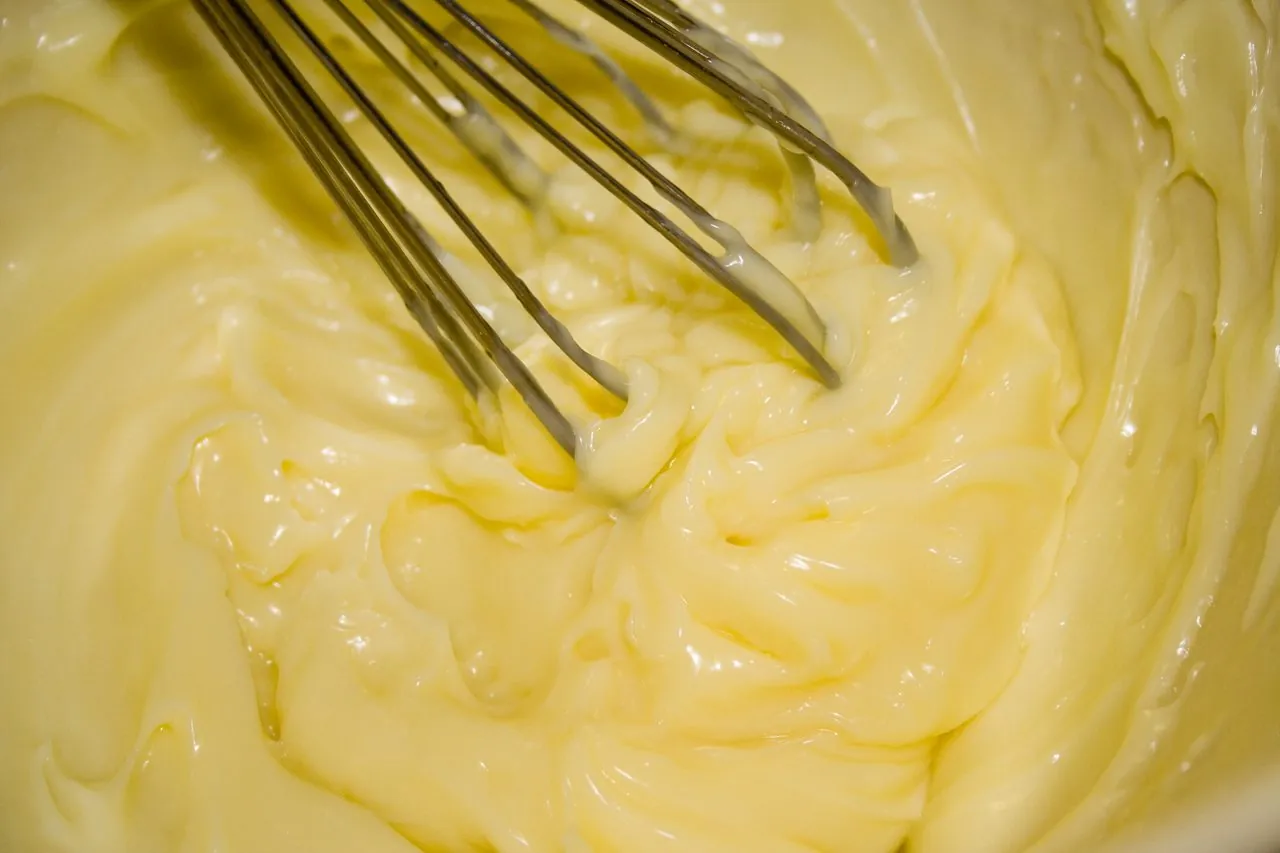
The 30-Second Mayonnaise: Emulsion Science in a Jar
One yolk can carry a full cup of oil — if you understand lecithin. The immersion-blender mayonnaise method and how to rescue a broken one.
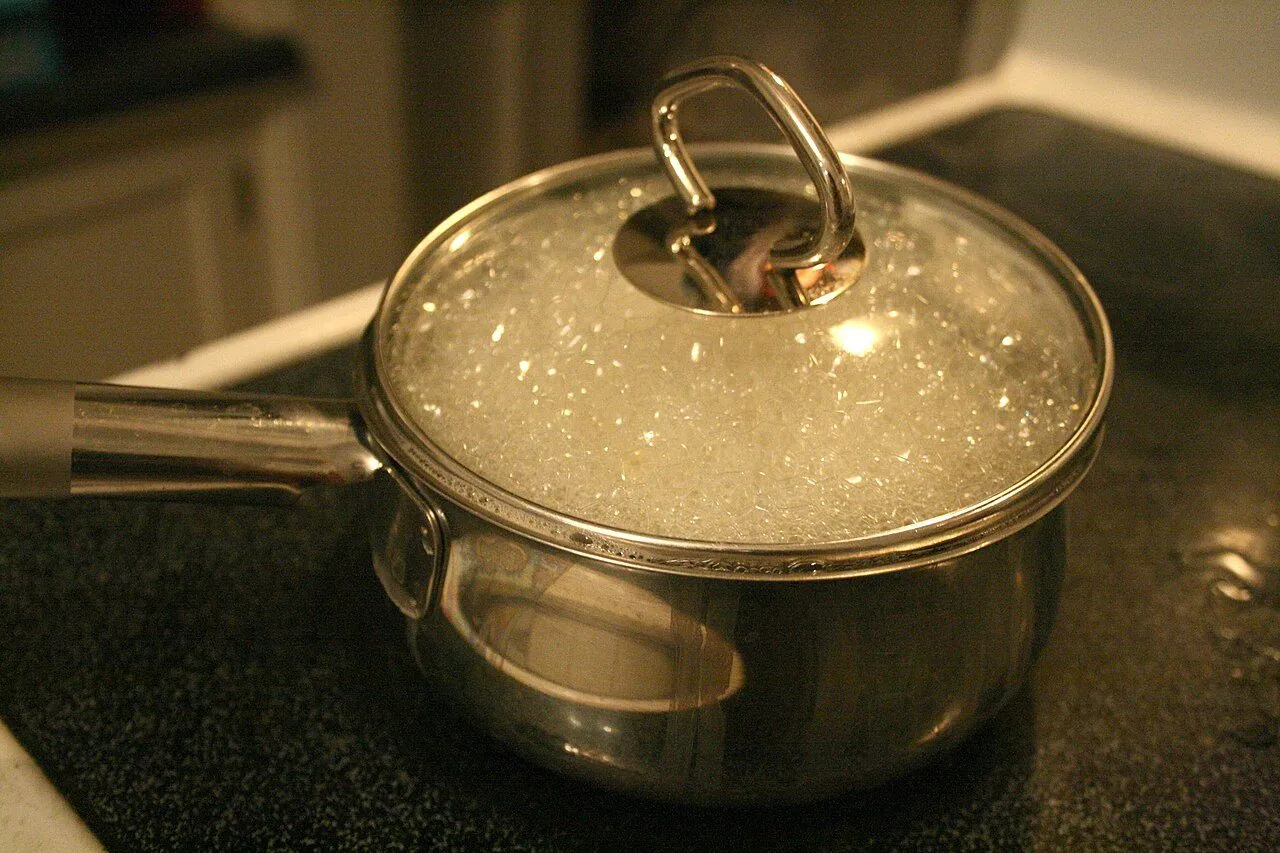
Ask ten Italian cooks how salty pasta water should be and you will get ten confident answers, at least three of them mutually exclusive. The most famous instruction — salty like the sea — is poetic, quotable and inedible. Seawater carries about 3.5 percent salt by weight, and pasta boiled in it absorbs enough of that brine to taste like a shipwreck. The real number is far more modest, it is measurable, and once you know it, you never have to guess at a handful of salt again.
Effective salinity for pasta water lands around 1 percent salt by weight: roughly 10 grams of salt per liter of water. In kitchen measures, that is about 3.4 teaspoons of Diamond Crystal kosher salt or 1.6 teaspoons of table salt per US quart (0.946 litre), using approximately 2.8 g and 6 g per teaspoon respectively. The brand distinction matters more than most cooks expect. Diamond Crystal is light and flaky because of how it is manufactured, so a teaspoon of it delivers far less sodium than a teaspoon of a dense kosher brand. A small kitchen scale dissolves the entire problem.
Ten grams per liter is calibrated for a reason. It seasons the pasta to a pleasant, deliberate salinity — noticeable but not aggressive — and leaves headroom for the salty ingredients that so often travel with pasta: Pecorino Romano, capers, anchovies, olives, cured pork. Cooks who complain that their pasta comes out too salty are usually salting twice, heavily in the water and again through a briny sauce. Pick one place to be assertive and let the other stay quiet.
Run the arithmetic and the aphorism collapses. Seawater is about 35 grams of salt per liter, three and a half times the working amount. And pasta does not merely sit in its water; it drinks it. As dried pasta hydrates and softens, it absorbs a meaningful share of the cooking water along with everything dissolved in it. That absorption is exactly why salting works — and why oversalting works against you with equal efficiency. A noodle conditioned in 3.5 percent brine carries that salt into every bite, and no quantity of unsalted sauce dilutes what is already inside the pasta itself.
A stubborn myth claims that salting water raises the boiling point enough to cook pasta faster. At 1 percent salinity the effect is negligible — a fraction of a degree, chemically real and practically meaningless. Salt for flavor. The boil-speed story has survived a century of dinner parties and deserves a quiet retirement.
Salt is not a surface treatment for pasta; it is an interior one. As dried pasta heats, its starch granules absorb water and swell, and whatever is dissolved in that water travels inward with it. Sodium ions diffuse into the noodle's structure while it cooks, seasoning it from the inside out. A sprinkle of salt over plain cooked pasta can never accomplish this, because there is no mechanism to carry it past the surface. It is also why pasta boiled in unsalted water can never be entirely rescued afterwards, no matter how assertive the sauce.
The timing debate, then, is mostly a false one. Whether the salt goes in as the water comes to a boil or a minute later makes little difference to the finished dish, provided it fully dissolves before the pasta goes in. The one practical caution is cosmetic: salt sitting undissolved on the bottom of a hot, empty pot can pit stainless steel over years of use. Add it to moving, boiling water and the point is moot.
Salting the water pays a second dividend that has nothing to do with seasoning the noodle. By the time the pasta is done, the cooking water is cloudy with released starch and carries your measured salinity. That liquid is among the most useful sauce ingredients in the kitchen. Whisked into a pan with fat — butter, olive oil, rendered guanciale — the starches act as emulsifiers, helping water and fat bind into a glossy sauce that clings to the pasta instead of pooling at the bottom of the bowl.
Cacio e pepe is the canonical demonstration: pecorino, toasted black pepper and starchy salted water whipped into a creamy coating with no cream at all. The starch granules physically get between fat droplets and keep them from coalescing, which is the entire trick. Use unsalted pasta water for that emulsion and you must season the sauce hard and risk graininess; use properly salted water and the emulsion arrives pre-seasoned. This is the quiet case for the 1 percent rule: it is calibrated for the whole dish, not just the noodle.
A few refinements cover the real world. You can reduce the water — a pot just wide and deep enough to cover the pasta by a couple of inches yields starchier water, a genuine asset for emulsified sauces, though you should stir during the first minute to keep the strands from sticking. Pull back on the salt when the sauce leans hard on olives, anchovies, capers or aged cheese. Fresh pasta, which cooks in two or three minutes, still wants the same 1 percent water.
Reserve a mug of the water before you drain — forgetting this is the most common way cooks lose the emulsion they were counting on — and taste the water once, just to calibrate your pot: at 1 percent it reads distinctly salty, like well-seasoned soup, not like brine. If you measure nothing else in the kitchen, measure this. Ten grams per liter by scale, or the teaspoon equivalents without one. The sea makes a better metaphor than a recipe; one percent makes better pasta.
One percent is a convenient starting concentration, not a compulsory rule for every pasta sauce. One litre of water weighs about 1,000 g, so 10 g salt per litre is the usual kitchen approximation. For a US quart, use about 9.5 g. At roughly 2.8 g per teaspoon of Diamond Crystal kosher salt that is about 3.4 teaspoons, whereas table salt at about 6 g per teaspoon needs about 1.6.
Those spoon conversions are approximate. Crystal size, packing and the particular product affect the result. Weighing avoids the false equivalence between two salts that share a word on the box. Do not replace Diamond Crystal with a dense kosher salt by volume without adjusting.
Choose a lower starting concentration when the sauce carries substantial salty cheese, cured pork or anchovies, or when a small volume of pasta water will be reduced heavily. Taste the combined dish before the final seasoning. Saving cooking water remains useful, but concentrated salty water cannot be treated as an unlimited neutral emulsifying ingredient.
Percentages use mass; spoon conversions are approximate and depend on the exact salt.
One yolk can carry a full cup of oil — if you understand lecithin. The immersion-blender mayonnaise method and how to rescue a broken one.
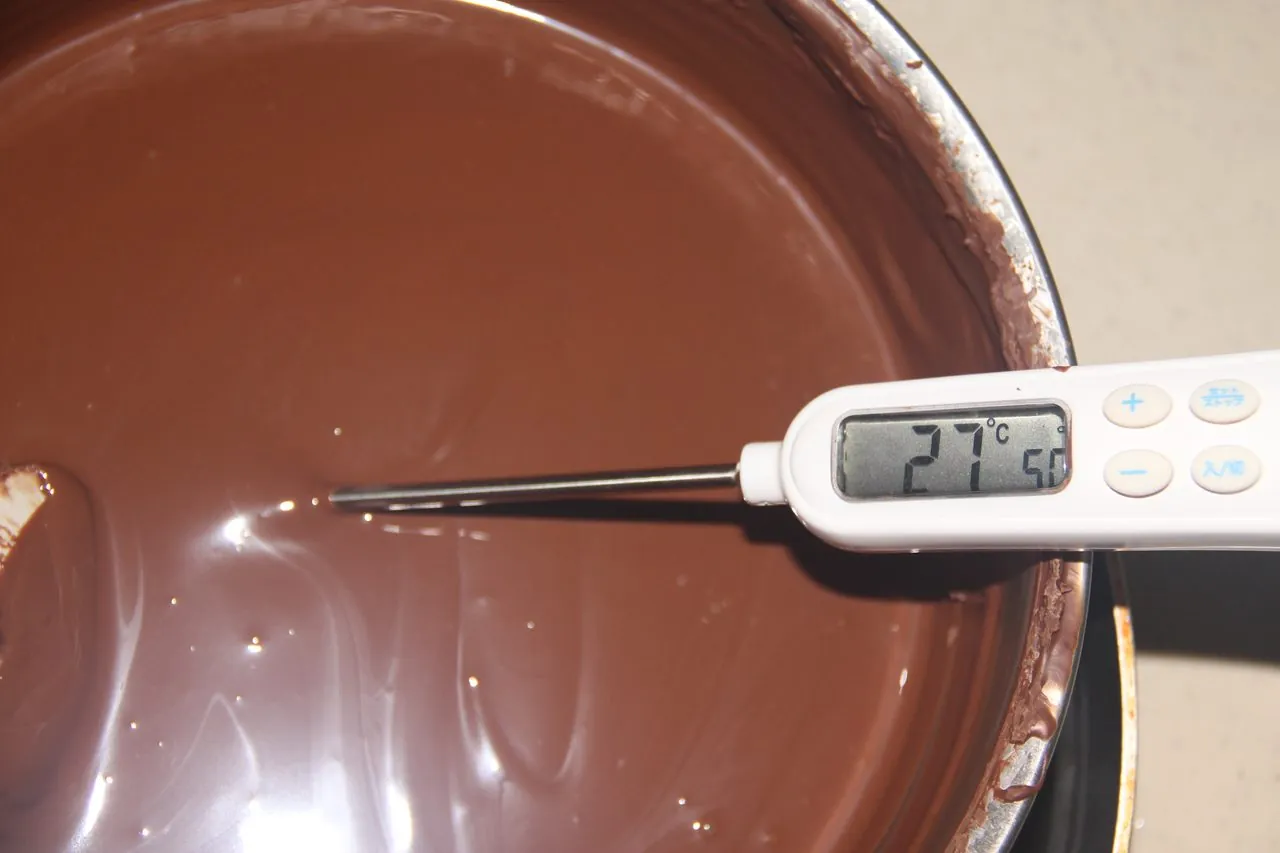
Match melting, cooling and working temperatures to dark, milk or white chocolate. Manufacturer curves and a small setting test guide the process.
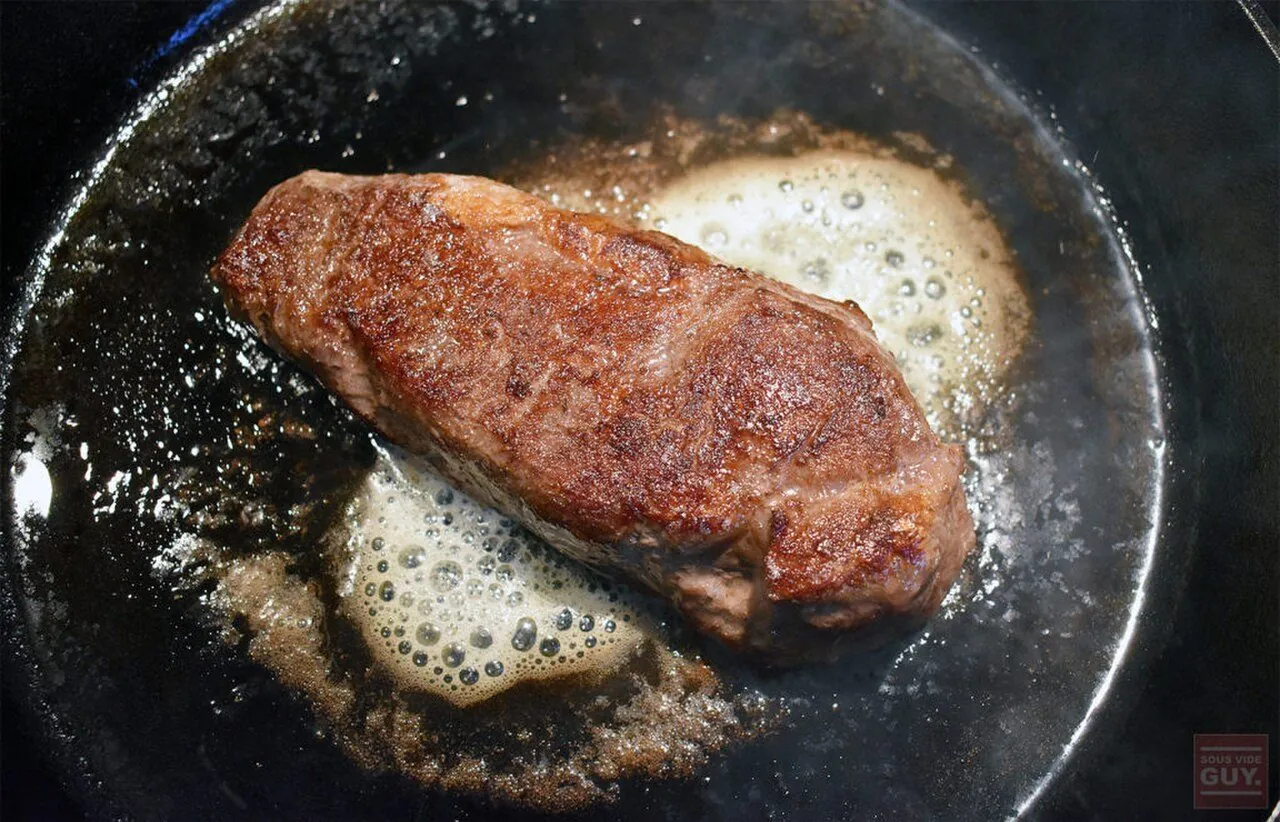
It starts around 285 degrees and it is not caramelization. The chemistry of browning, and the dry-heat rules that make it happen faster.