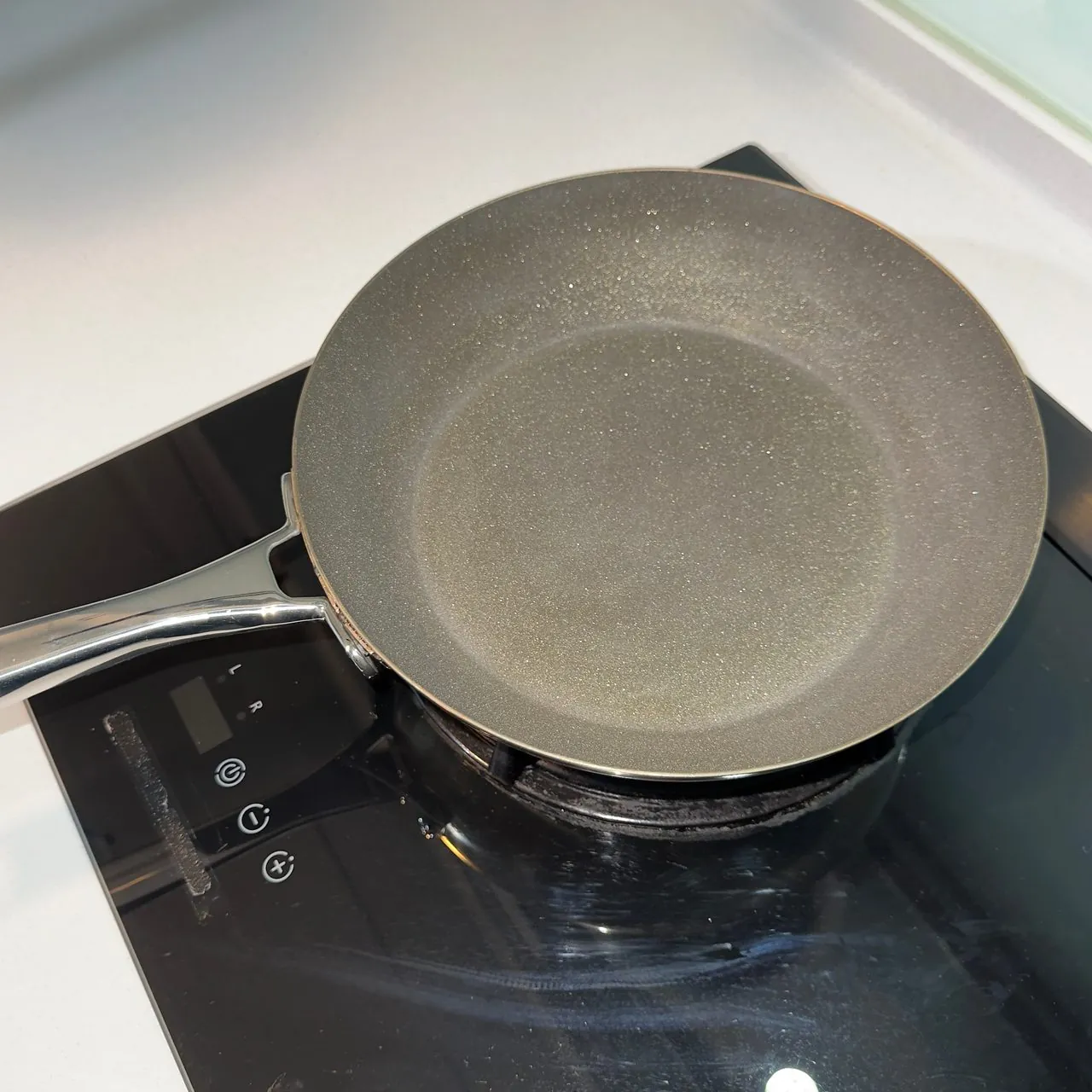
Nonstick Pans: How Long They Last and When to Toss Them
PTFE coatings fail at high heat and with metal tools. The honest lifespan of a nonstick pan, the safety facts, and better care habits.
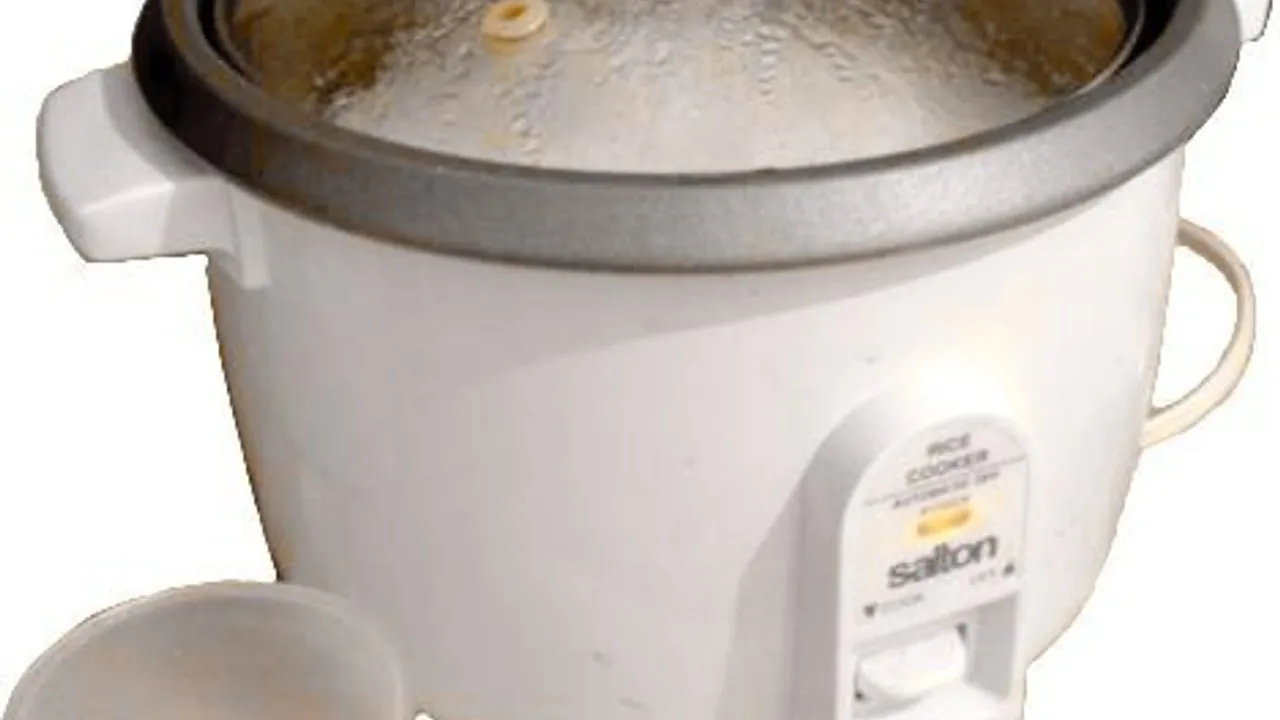
Rice is the simplest food most households cook and the one most often mangled. The grains turn out mushy, crunchy, glued to the bottom or scorched at the edge, and the cook is left blaming the bag. Blame the burner instead. Rice punishes inconsistency, and a stovetop pot riding a burner that surges and cools is nothing if not inconsistent. The rice cooker exists to remove that variable, and the best modern machines hide half a century of quiet engineering behind a single button. Understanding that history tells you exactly which features matter and which are decoration.
The cup supplied with a rice cooker is often smaller than a US measuring cup. Use the supplied measure together with the matching inner-pot lines, or follow an explicitly weighed recipe for the model. Combining a full US cup of rice with the line intended for a smaller cooker cup changes the water ratio before the program even starts.
Choose the program for the actual grain and preparation. White rice, brown rice and mixed-grain settings may include different soak and steam stages. Fuzzy logic can adjust a heating program within limits; it cannot reliably identify any ingredient combination or correct an arbitrary excess of water. Start with the manual's amounts, then record small adjustments for the rice you buy.
Check keep-warm instructions and holding limits rather than assuming a machine keeps any food safe indefinitely. Refrigerate leftover rice promptly if it will not remain in a suitable hot-holding condition. The relevant purchase question is whether capacity, programs and cleaning fit the household, not whether a label implies human-like judgement.
Separate the unsuccessful prototype from the automatic appliance. Sony's corporate history describes a 1945 experiment using a wooden vessel and electrodes; it was not the successful Mitsubishi product described in some retellings. Toshiba's product history dates its ER-4 automatic rice cooker to 1955. The useful thermostat principle is that water limits temperature near boiling while it remains present; after it is absorbed or evaporated, the pot can become hotter and a control can change state. Different machines implement sensing and switching differently, so that explanation is a control principle rather than a teardown of every rice cooker.
That automatic shutoff was the entire revolution. Before it, electric cooking meant burned bottoms and vigilant babysitting. After it, a machine could be trusted with dinner, and households organized their evenings around that trust.
Zojirushi, an Osaka company founded in 1918 to make vacuum bottles, pushed the next transformation in the mid-1960s: keep-warm. A cooker that held finished rice at a safe, steaming temperature for hours reorganized the Japanese household. Rice cooked in the morning was still hot at lunch; a late shift still meant a hot bowl at midnight. It sounds like a minor convenience, but it is the feature that turned the rice cooker from an appliance into infrastructure, and every cooker sold today still descends from that idea.
Later microcomputer-controlled cookers added programmed heating stages. Micom models, as they are called, stopped merely reacting and started following a program: soak the rice before the boil, manage the boil, then steam the grains dry at the end. They added timers so rice could be ready when you woke up, and they corrected for the amount of water actually poured in rather than the amount the recipe asked for. The cooking curve became a recipe rather than a reflex, and rice got measurably better across every grain type.
Fuzzy-logic control became a selling point of more advanced cookers; brand names and model generations should not be mistaken for a universal feature standard. The idea is simple. A conventional program follows fixed instructions no matter what; a fuzzy-logic controller makes judgment calls. The cooker watches how fast the temperature rises, infers how much rice and water are inside, notices that the rinse water was cold or that the batch is small, and adjusts power and timing continuously in response. Fuzzy logic does not mean the result is vague. It means the machine compensates for sloppy inputs, which is to say, for all of us. Zojirushi uses Neuro Fuzzy branding for some products, but compare the actual programs, capacity and care instructions rather than the name alone.
Induction heating offers another approach to controlling the inner pot. Instead of a hotplate beneath the pot, electromagnetic fields induce current directly in the inner pot's metal, heating the entire vessel, walls and all. Control becomes finer, recovery faster, and the heat profile can be shaped with precision: gentle and patient for white rice, hard and sustained for brown. Flagship models pair induction with pressure, squeezing even more texture control out of the same grain. This is the tier where rice stops tasting like rice and starts tasting like the rice you remember from good restaurants.
Whichever tier you buy, the inner pot is the machine. Most are nonstick-coated aluminum, and most are ruined by the same two habits: metal scoops and dishwashers. Use the plastic paddle that comes with it, hand wash with a soft sponge, and wipe the sensor lid clean if yours has one. A scratched pot cooks unevenly and sheds coating into dinner, so a five-dollar care habit protects a five-hundred-dollar purchase.
Choose honestly by how much rice your household actually eats. A family that serves it daily will taste every tier of that history; a couple that makes rice twice a month will be perfectly happy with the cheapest machine that shuts itself off. That thermostat trick from 1955 still works.
Company histories distinguish prototypes from marketed automatic machines; features still vary by model.
PTFE coatings fail at high heat and with metal tools. The honest lifespan of a nonstick pan, the safety facts, and better care habits.
Skip the block set. An 8-inch chef’s knife, a paring knife and a bread knife do everything. Steel types, handle shapes and the feel test.
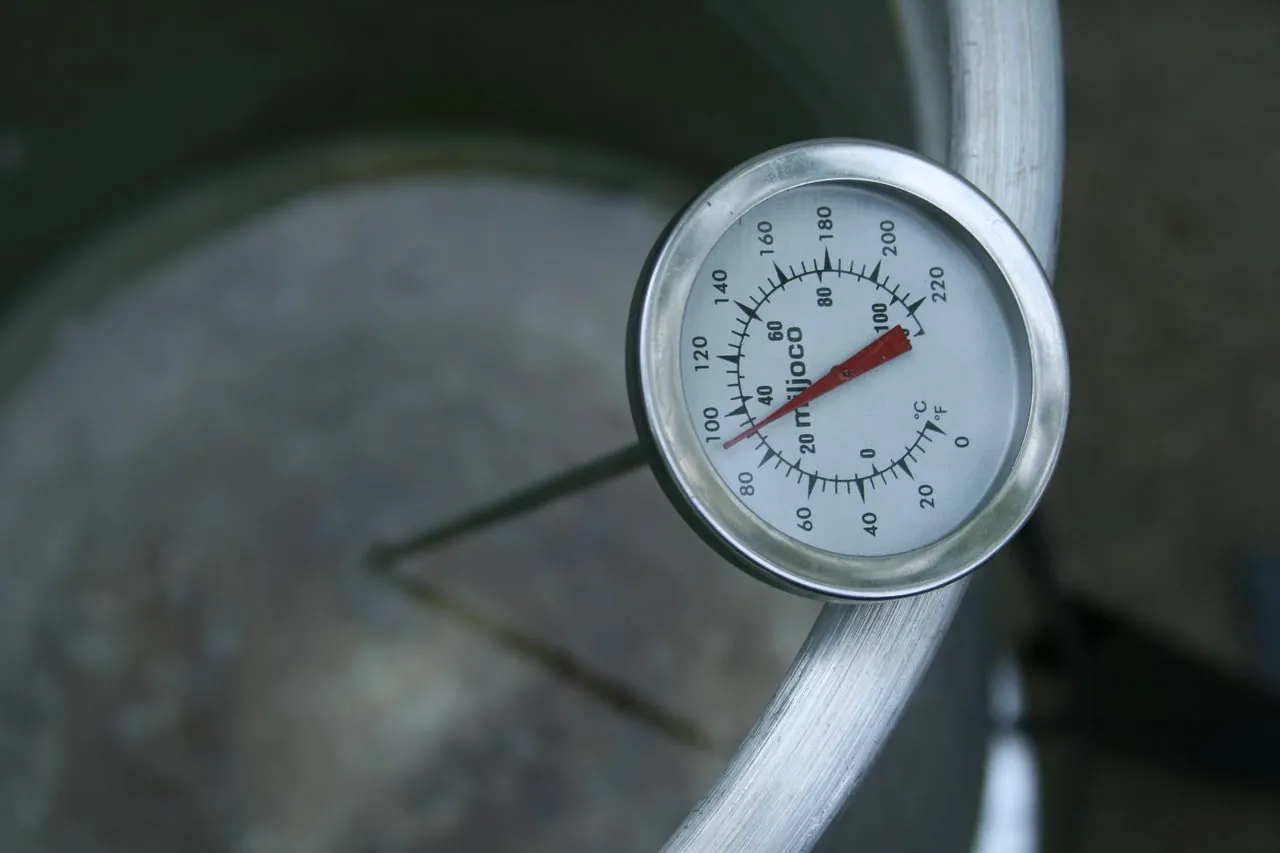
Choose a food thermometer by accuracy and use, then measure the right spot. Consumer safety endpoints and sous vide hold times serve different purposes.