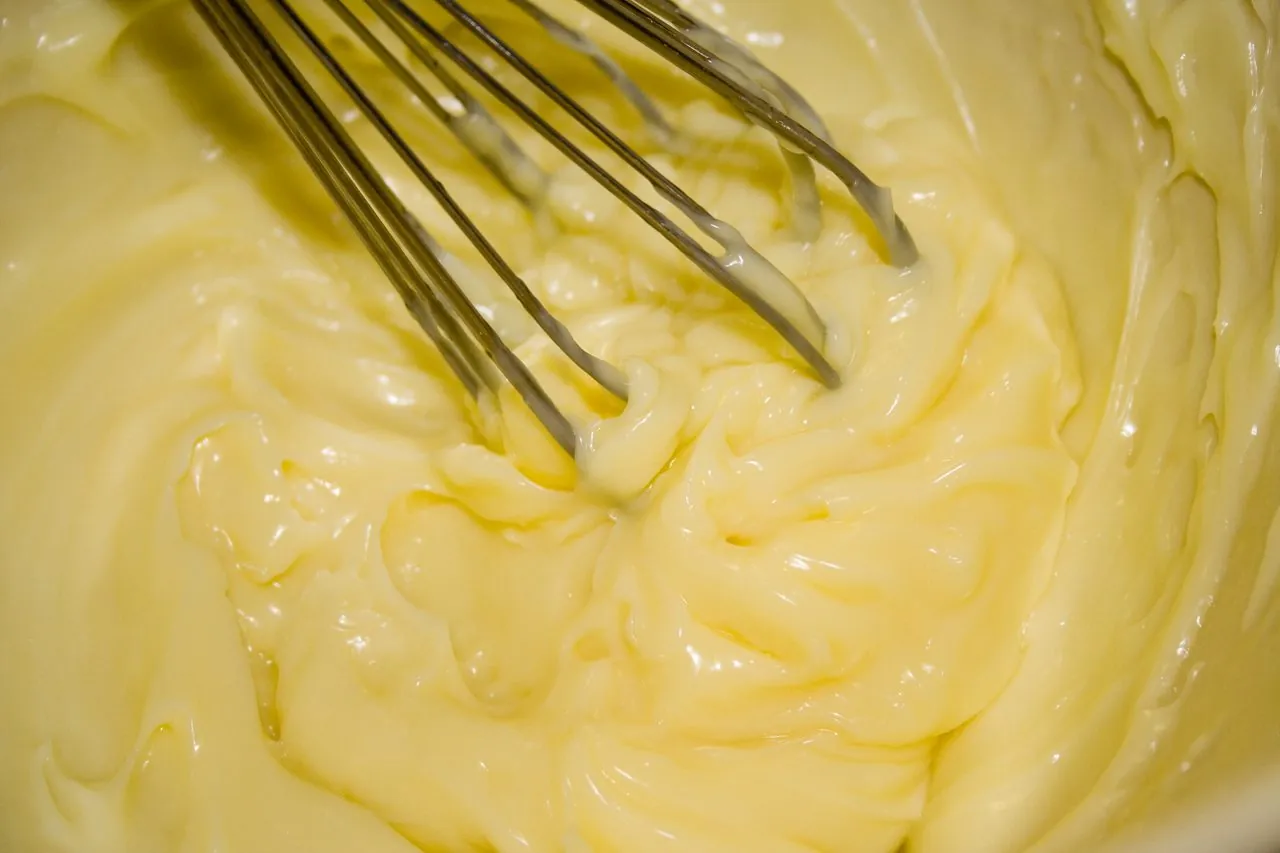
The 30-Second Mayonnaise: Emulsion Science in a Jar
One yolk can carry a full cup of oil — if you understand lecithin. The immersion-blender mayonnaise method and how to rescue a broken one.
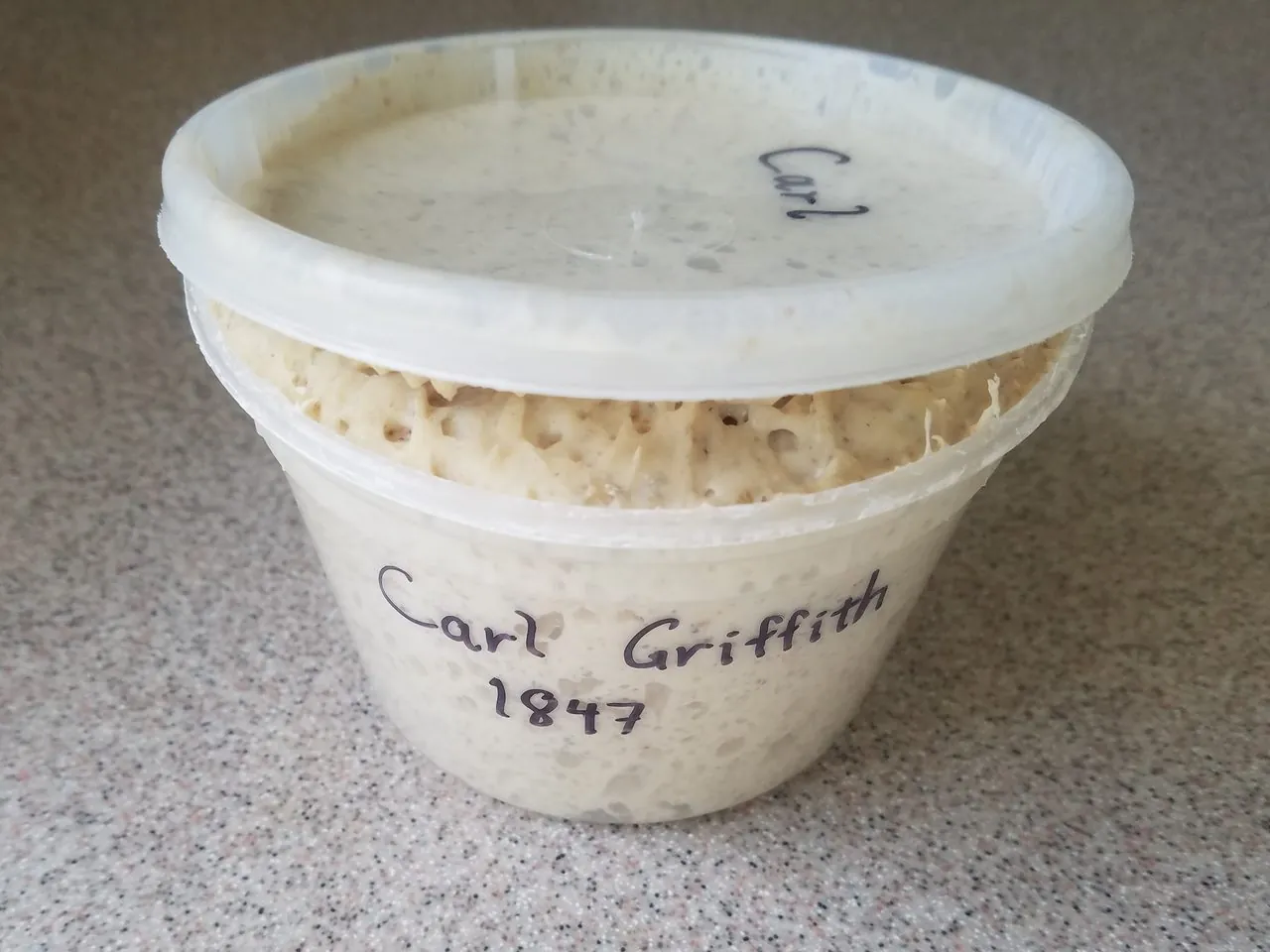
Every sourdough loaf you have admired began the same way: not with flour-flecked showmanship, but with a jar on a counter, quietly colonized by wild yeast and bacteria. Starting a starter is the one part of sourdough baking that cannot be rushed, bought, or faked — and yet it is easier than its fearsome reputation suggests. The starting materials are flour and water; establishing a reliable culture may take a week or longer, depending on flour, temperature and feeding. Here is the schedule, the signals that actually matter, and the rescue plan for when life happens and the jar goes neglected.
A sourdough starter is less an ingredient than a live culture: a balanced community of wild yeasts and lactic acid bacteria that feed on flour. The yeasts produce the carbon dioxide that leavens the loaf; the bacteria produce the organic acids that give sourdough its tang, condition the gluten, and help the crumb keep longer.
None of these microbes need to be purchased or hunted. They are already on the flour and in your kitchen, waiting. The first week of feeding is a selection process: by refreshing the culture on a regular schedule, you favor the acid-tolerant yeasts and bacteria that thrive in a routine, and they gradually crowd out everything else. Equal weights of flour and water — what bakers call 100 percent hydration — is the standard mix, because a soft starter shows its activity clearly: you can watch it rise, peak, and fall.
Days one through three look like failure, then like a false miracle. To begin, mix 60 grams of whole wheat or rye flour with 60 grams of water in a clean jar, stir well, cover loosely, and leave it at room temperature. Rye and whole wheat flours accelerate this early stage because they carry more nutrients, and more microbes, on the bran. Around day two or three you may see bubbles and even a dramatic rise. Enjoy the show, but do not celebrate yet: this first flush often comes from bacteria that flourish briefly and fade. The culture you want establishes itself more quietly, over more days.
From day three or four onward, begin a daily rhythm: discard all but a few tablespoons of the mixture, then feed what remains with equal weights of fresh flour and water. Discarding feels wasteful; it is really volume management, keeping the culture small enough to feed generously. Over subsequent feedings a more stable culture may develop; day five or six is not a guaranteed deadline. Rises grow taller and more predictable, the smell shifts from something sharply funky toward a pleasant, yogurty sourness, and the surface turns webbed with bubbles.
The internet loves the float test — drop a spoonful of starter into water and watch whether it floats. Treat it as a party trick, not a verdict. Starters can float before they are strong enough to raise bread, and strong starters can sink. The genuinely reliable signal is rise-and-fall timing: after a feeding, a ready starter doubles in volume within four to six hours at room temperature, holds its peak briefly, then gently subsides. When it does that on consecutive days, you have a leavening engine.
Smell is the second witness. A mature starter reads as pleasantly sour — yogurt, a little beer, a hint of green apple. A sharp note of nail polish remover means the culture is hungry and is producing acetone-adjacent compounds; it is not ruined, merely underfed. Feed it, and the aroma settles back within a cycle or two.
Once established, a starter asks for remarkably little. At room temperature, a 1:1:1 ratio by weight means one part starter, one part flour and one part water. King Arthur recommends feeding room-temperature starter twice daily; warmer conditions or faster fermentation can require a different routine. Most home bakers instead park the jar in the refrigerator and feed once a week, which slows the culture to a crawl without harming it. Take it out, give it a feeding or two and a day to wake up, and it bakes as vigorously as ever.
Two habits keep things smooth: a jar with headroom, since a doubling starter can lift its lid, and a rubber band marking the level after each feeding, because measuring rise is far easier than remembering it. Weekly bakers can turn discard into pancakes and crackers instead of waste.
A jar forgotten at the back of the fridge for two months arrives looking defeated: gray, soupy, separated, with a dark liquid layer on top. That liquid, often called hooch, is alcohol — evidence of hunger, not death. The culture underneath is almost always alive. Wild yeast and the acid-tolerant bacteria in a starter are stubborn survivors, and the acidic environment they create protects them from most spoilage organisms.
Revival is simply the establishment schedule, compressed. Pour off the liquid, discard most of the starter, and feed what remains 1:1:1 with fresh flour and water. Repeat once a day. Expect the first feeding or two to produce almost nothing, then a slow swell, then — usually by the third or fourth day — a proper doubling. When it doubles within four to six hours again, it is back in service. Discard starter with visible mould, pink or orange streaks, or a putrid smell. Do not scrape off a suspicious surface and keep the rest. Clean the container before starting again; a dark alcohol layer alone is a different sign and can indicate hunger.
A doubling time is useful only with its feeding ratio and temperature attached. A spoonful fed a little flour may peak sooner than the same culture given a much larger feed, so compare like with like. Mark the level, note the approximate room temperature and observe several cycles before scheduling a loaf around a new culture.
A refrigerator routine and a counter routine are different. Cold storage slows fermentation but does not remove the need to refresh the culture before relying on it for bread. At room temperature, adjust the feed schedule to the observed cycle; an exhausted starter left warm for a day may behave differently from one kept cool.
Discard from an established healthy culture can be used in recipes that cook it thoroughly. Do not save early-stage discard or suspect material simply to avoid waste. Flour is a raw agricultural ingredient, so tasting uncooked starter is not a readiness test. Pink or orange discoloration, visible mould or putrid odour calls for discarding, not another rescue feed.
Readiness is judged by repeated rise after feeding, not a guaranteed seven-day deadline.
One yolk can carry a full cup of oil — if you understand lecithin. The immersion-blender mayonnaise method and how to rescue a broken one.
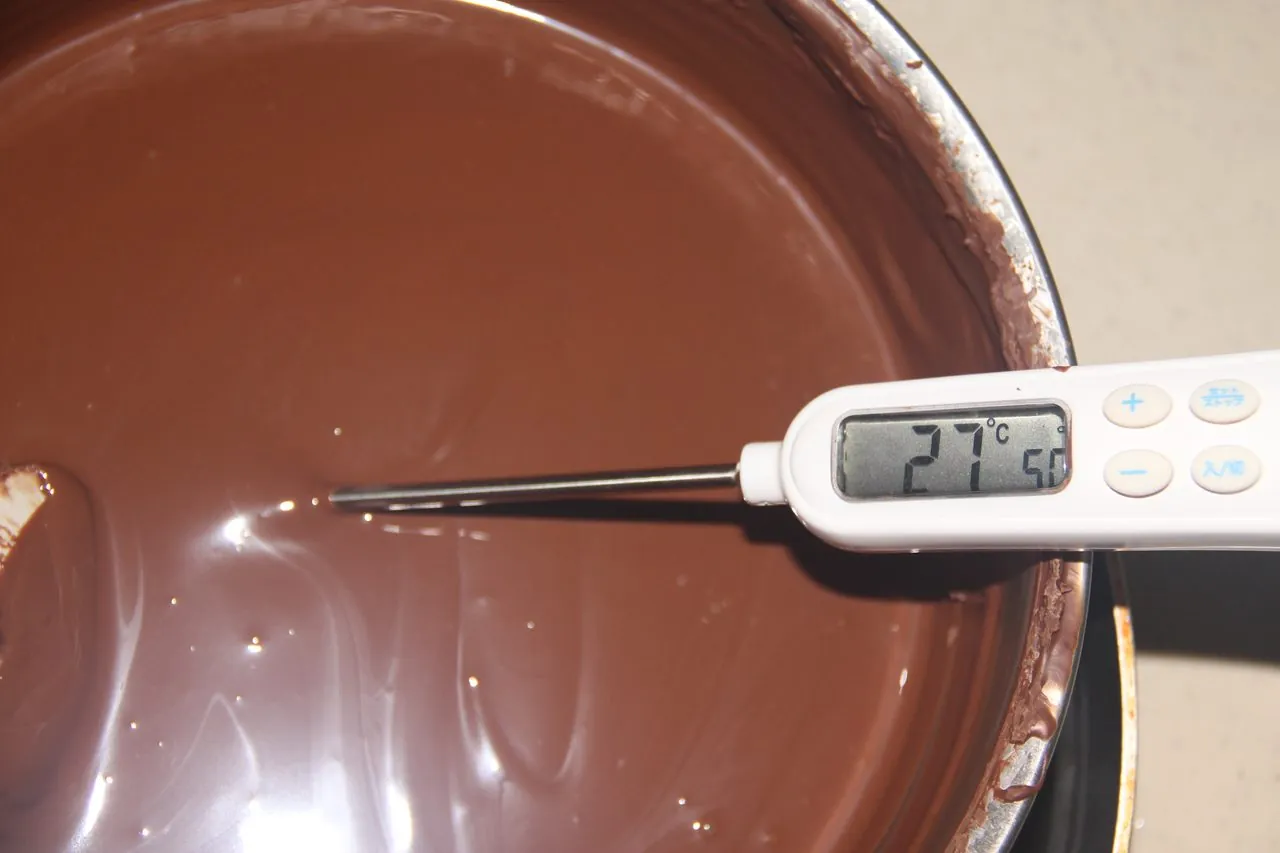
Match melting, cooling and working temperatures to dark, milk or white chocolate. Manufacturer curves and a small setting test guide the process.
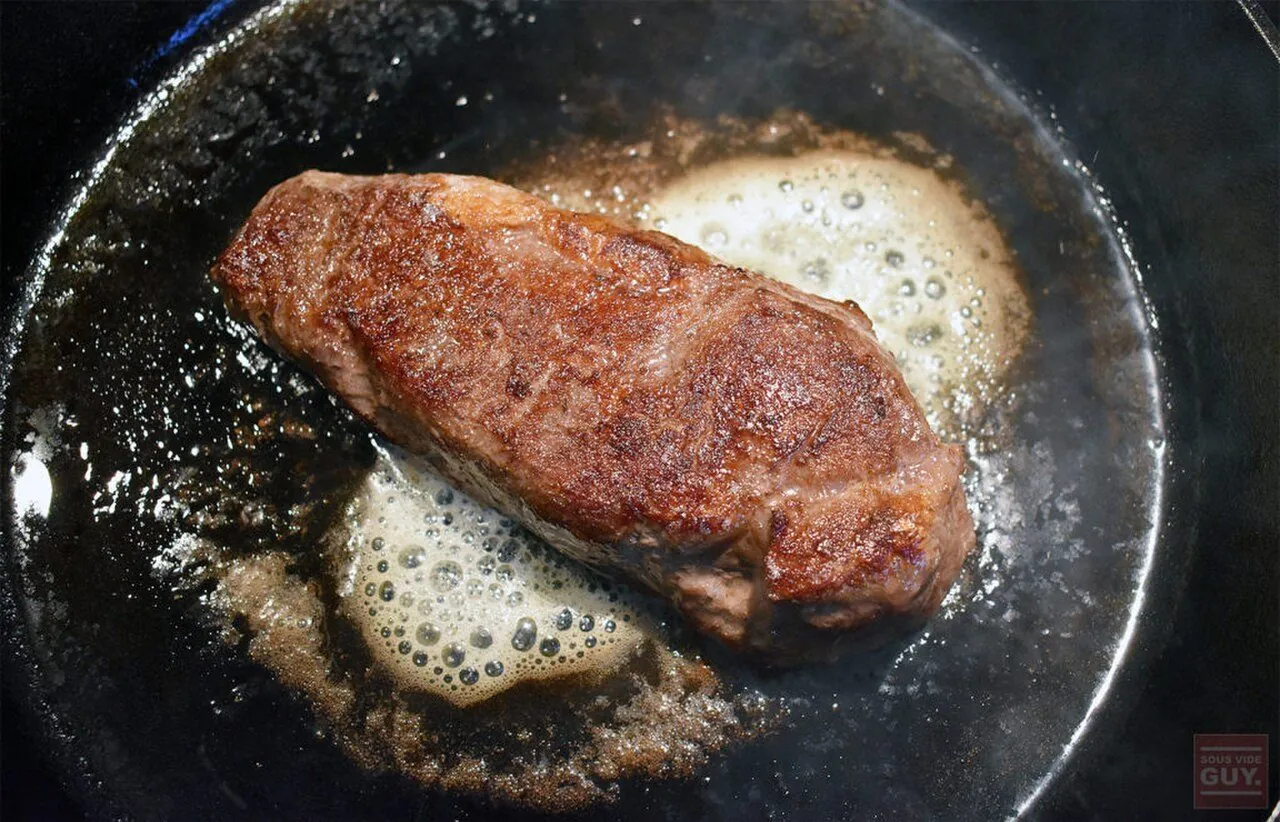
It starts around 285 degrees and it is not caramelization. The chemistry of browning, and the dry-heat rules that make it happen faster.