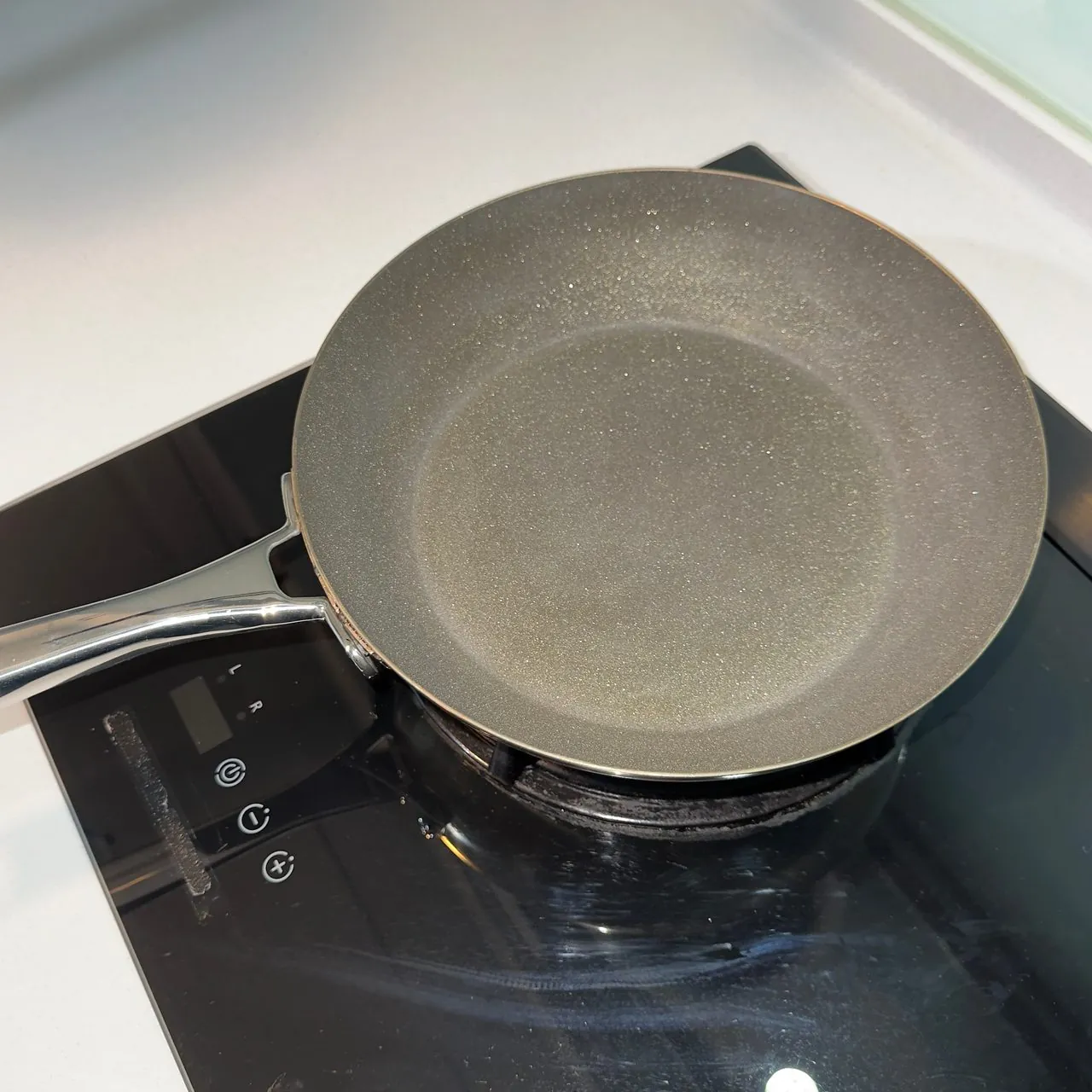
Nonstick Pans: How Long They Last and When to Toss Them
PTFE coatings fail at high heat and with metal tools. The honest lifespan of a nonstick pan, the safety facts, and better care habits.
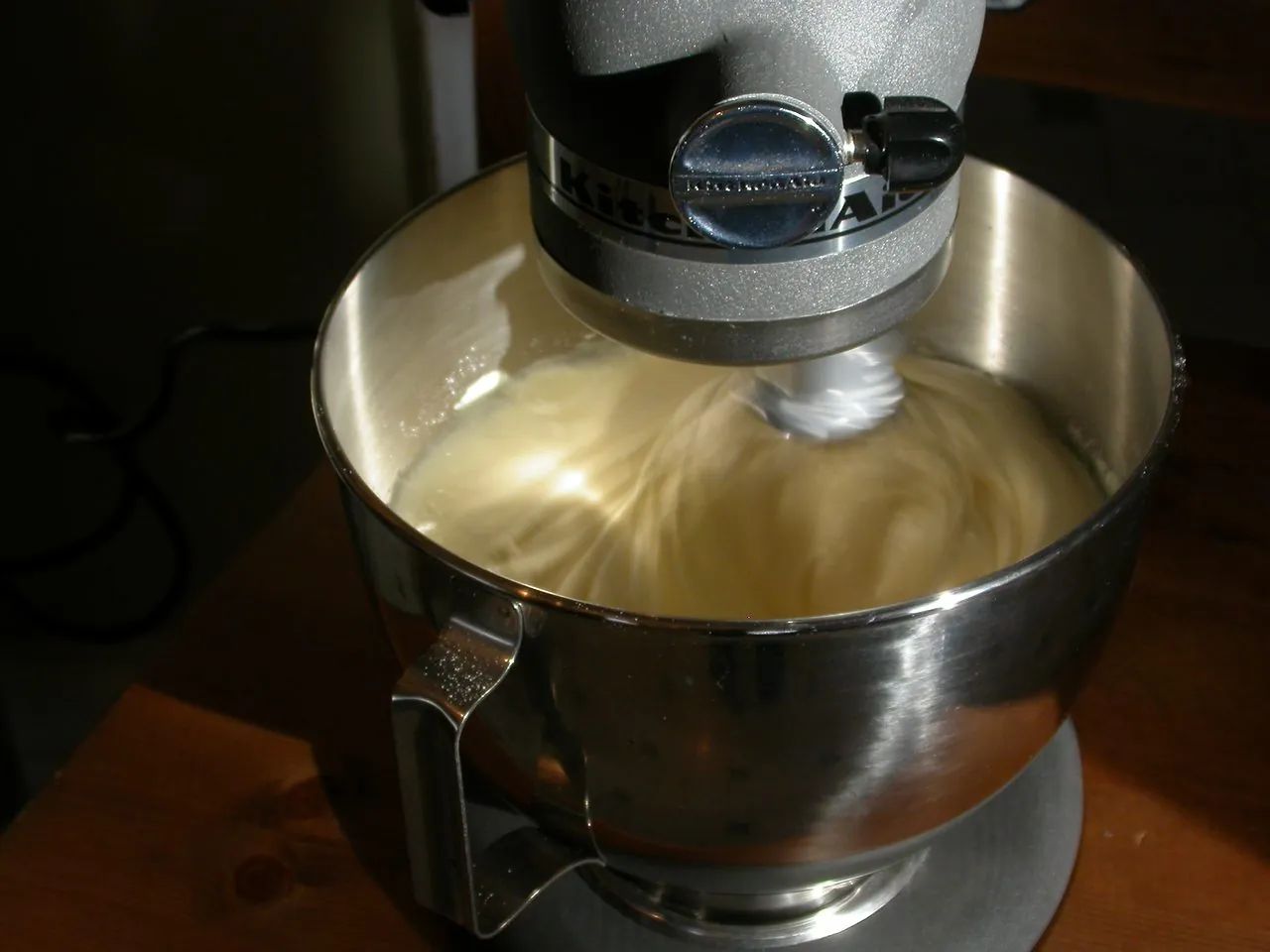
Some machines become obsolete. A rare few become furniture. The KitchenAid stand mixer sits on the counter the way a good armchair sits in the living room: passed along, repainted, argued over, never really redesigned. A century after the first home model went on sale, the silhouette is close to what it was in the 1930s, and that stubbornness is not mere nostalgia. It is the compound result of one engineer's frustration, one designer's conviction that the right shape had already been found, and one offhand remark made in a home kitchen that named the thing.
The recognisable silhouette can hide different motors, gearing, bowl sizes and lifting mechanisms. Compare a tilt-head and bowl-lift model on usable batch capacity and the dough you make, not simply the name on the housing. A maximum flour quantity for one model cannot be assumed for another.
For bread dough, follow the manual's speed and load limits. More speed is not a substitute for an appropriate batch, and prolonged work against an overloaded dough can overheat a machine. A mixer moving across the counter is a sign to stop and inspect the setup, not proof that the dough is becoming stronger.
Check attachment compatibility against model numbers, including the bowl and beater, before buying used equipment. The front power hub, bowl fitting and accessory type are different interfaces. Historic continuity makes repair and accessory questions worth asking, but it does not establish that every attachment from every decade fits every current machine. Keep the receipt and the regional warranty terms alongside those model details.
Troy, Ohio, 1908. Herbert Johnston, an engineer at the Hobart Manufacturing Company, watched a baker work bread dough with a metal spoon — bent over the bowl, arm burning, minutes stretching into pure effort. Hobart built commercial food machinery, and Johnston understood immediately that a motor could do this job better than a shoulder could. He began designing a mechanical mixer, and the machines that followed went to work in professional kitchens and bakeries, where enormous bowls made the case for mechanization without a word of salesmanship. Hobart's industrial mixers earned their place the honest way, by outlasting the kitchens they were installed in. But the scene that started it all — one tired baker, one spoon, one endless bowl of dough — pointed somewhere the company had not yet thought to go: the home kitchen, where the same problem repeated itself in miniature every single week.
In 1919 the company introduced the H-5, its first mixer designed for the home rather than the bakery. The story the company likes to tell goes that an executive's wife, putting the machine through its paces in her own kitchen, pronounced it "the best kitchen aid" she had ever owned — and the company had the wit to keep the phrase. KitchenAid was named by a customer's praise rather than a marketing conference, and the name framed the product exactly right: not a gadget, an aid. Early machines were heavy, powerful and priced like serious equipment. The pitch was not novelty but relief: in a kitchen where every batter, cream and dough still arrived by arm power, a machine that stood over the bowl and worked while the cook did something else was a small revolution with a motor inside. They spread slowly, by word of mouth among cooks who baked as a weekly obligation, and the reputation they built — over-engineered, tireless, fixable — remains the brand's core promise a hundred years later.
Through the 1930s, the mixer acquired the look everyone now recognizes. The designer Egmont Arens, working in an era when streamlining was reshaping everything from trains to pencil sharpeners, refined the machine's proportions through the Model K era: the rounded motor head arcing over the bowl, the front hub that accepts attachments, the low stance of a machine built to be leaned on. Arens grasped something that eludes plenty of industrial design — that the shape should express the function. The head pivots to lift the beaters out; the beater reaches every part of the bowl; the base should look as though nothing you throw at it will move it. The silhouette he settled on has changed remarkably little since. KitchenAid has revised finishes, colors, capacities and motors, but a Model K and a current machine are recognizably the same animal.
The endurance is mechanical before it is sentimental. The mixer's planetary action — the beater sweeps the bowl's circumference while spinning on its own axis — means the attachment covers every corner of the bowl without the bowl needing to turn. That geometry wastes almost no motion, handles dense bread dough as readily as meringue, and scales cleanly from the smallest home machine to professional floor models. Around it grew the hub-and-attachment system, which turned one motor into a meat grinder, a pasta roller, an ice-cream churner and more — an ecosystem that quietly made the mixer the anchor of a kitchen rather than a single-purpose appliance. Even the color catalog became part of the ritual: the machine gets bought in a shade to match the kitchen, then kept for decades longer than the paint lasts. Generations of cooks have learned to bake on a parent's or grandparent's machine, so the mixer gets handed down not merely as equipment but as a working memory of specific kitchens. Machines whose function never changes do not need redesigns; they need refinements, and that is essentially all the stand mixer has received.
What is most remarkable about the KitchenAid stand mixer is not that it was well designed in 1919 — many things are well designed once — but that the design has stayed correct while almost nothing else in the kitchen has. Herbert Johnston saw a problem in a Troy bakery; his machines solved it; Egmont Arens gave the solution its face; an executive's wife gave it a name that still sounds like an honest description. Everything since has been refinement at the margins. In a market that reinvents itself every year, the machine on your counter may outlive several product cycles and still look entirely at home doing its job. Few tools earn that kind of permanence, and fewer earn it by refusing to change.
Historical continuity does not mean identical power, gearing, capacities or attachment compatibility across models.
PTFE coatings fail at high heat and with metal tools. The honest lifespan of a nonstick pan, the safety facts, and better care habits.
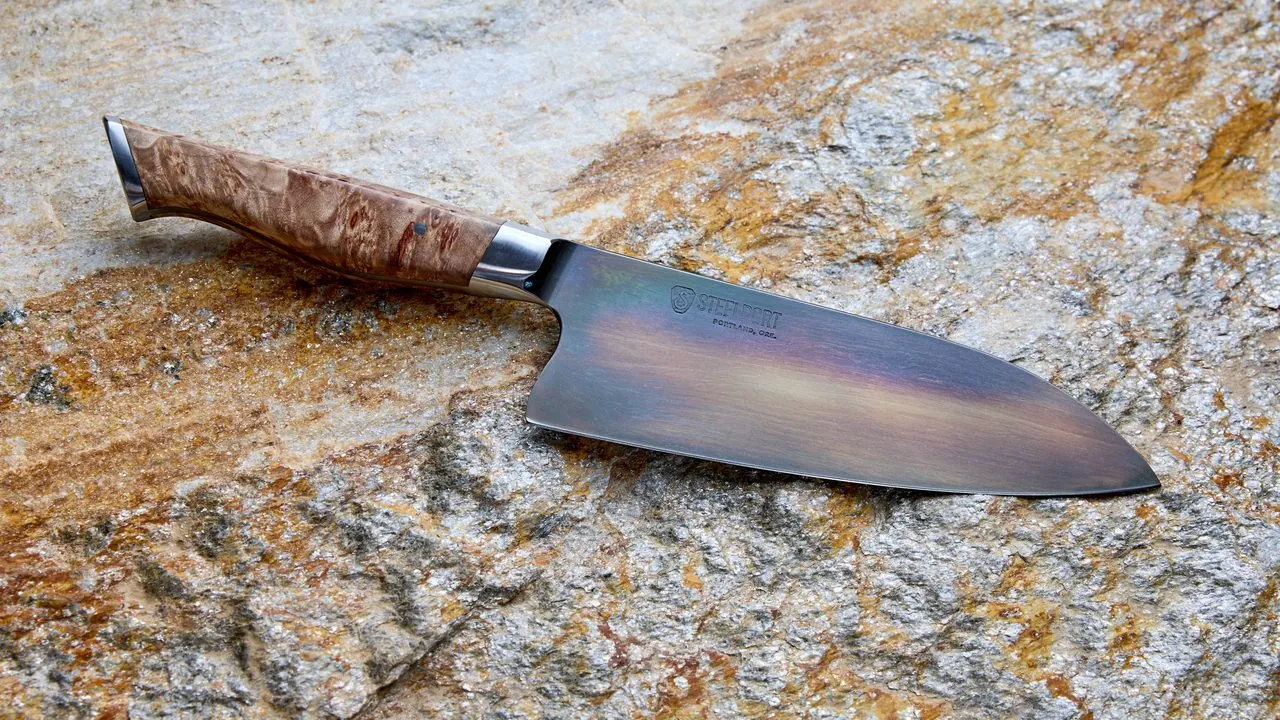
Skip the block set. An 8-inch chef’s knife, a paring knife and a bread knife do everything. Steel types, handle shapes and the feel test.
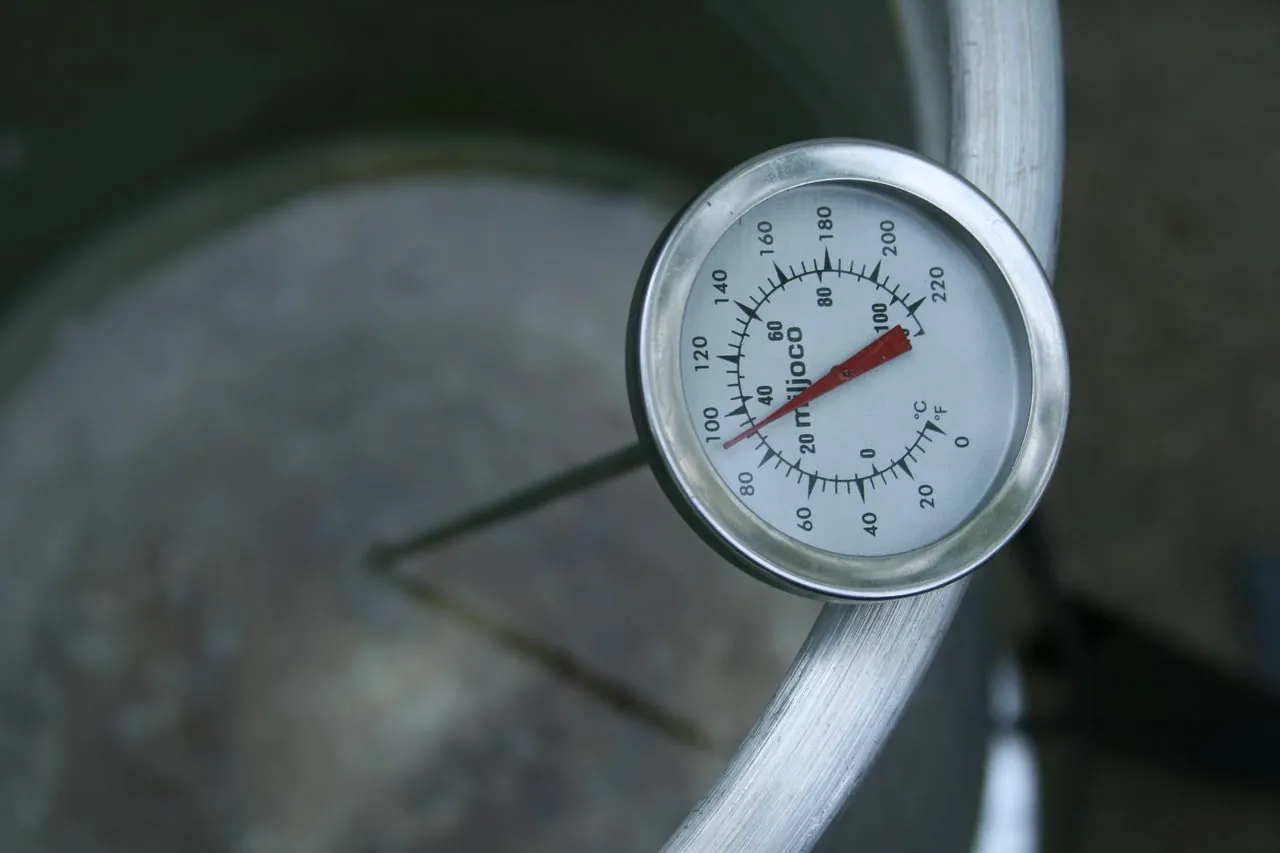
Choose a food thermometer by accuracy and use, then measure the right spot. Consumer safety endpoints and sous vide hold times serve different purposes.