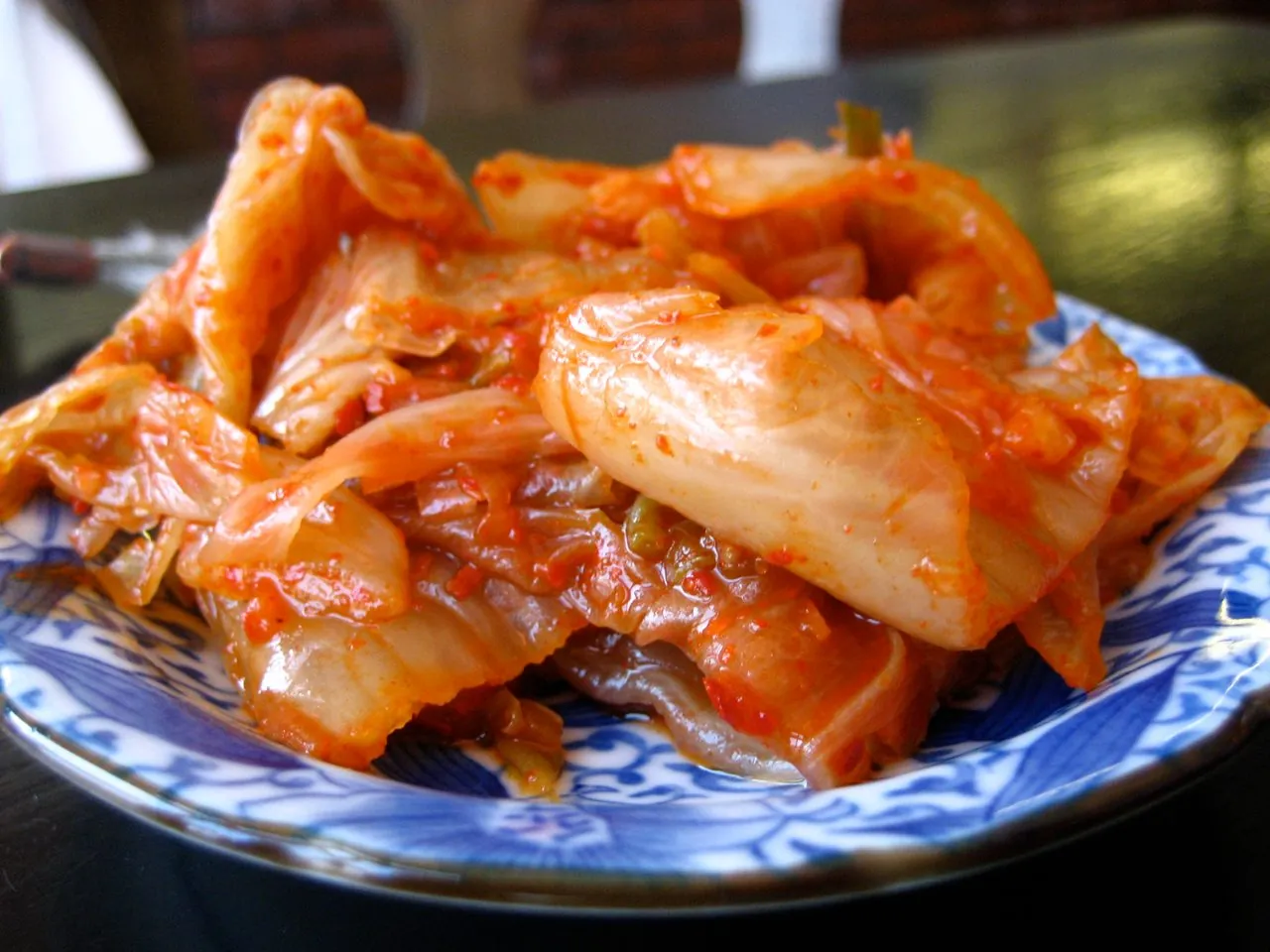
Kimjang: The Kimchi Ritual UNESCO Listed as Heritage
Every late autumn, Korean households make a winter’s worth of kimchi together. The UNESCO-inscribed tradition and the science of the jar.
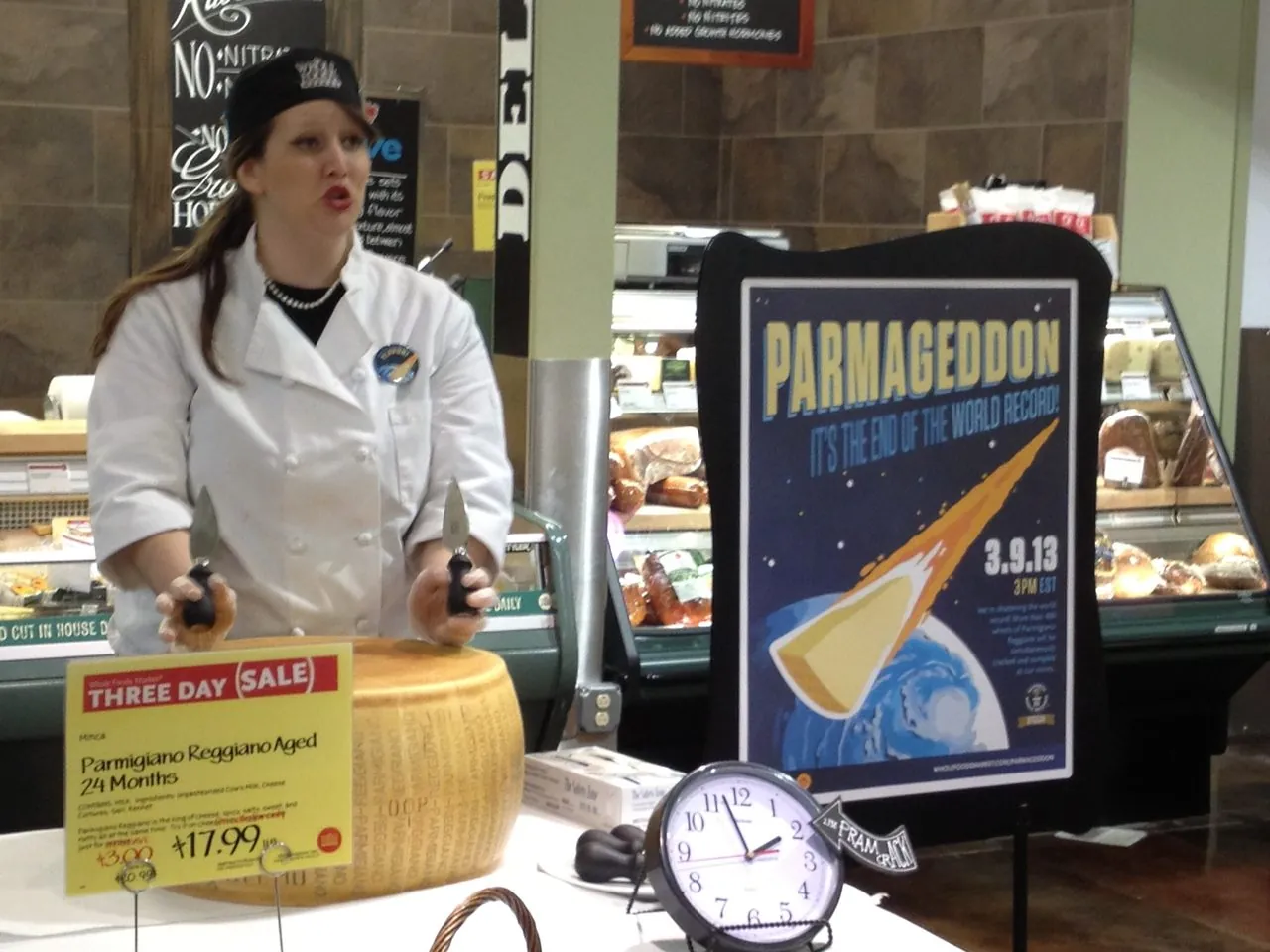
Every wheel of Parmigiano-Reggiano begins with a number that sounds like a typo: roughly 520 liters of milk to make a single wheel of cheese. That ratio, more than any slogan, explains both the price and the flavor. This is a cheese made the slow way, in a defined patch of northern Italy, from raw milk that never travels far, by a process that has changed remarkably little over the centuries. Learning to read the rind tells you most of what you need to know before you taste a single crumb.
Parmigiano-Reggiano carries one of the strongest protections in European food law. The name can only be used for cheese made in a specific zone: the provinces of Parma, Reggio Emilia and Modena, plus defined parts of Bologna on the left bank of the Reno and Mantua on the right bank of the Po. Within that zone nearly everything is specified, from where the cows feed to how the milk is handled, and a consortium of producers polices the rules. Cheese made the same way in a valley just outside the boundary is simply not Parmigiano-Reggiano, whatever it looks like.
The feed rules matter more than they might first appear. Silage, the fermented wet feed common in industrial dairying, is banned. The cows eat fresh forage and hay, which is one quiet reason the milk tastes clean and the finished cheese keeps developing interesting flavors instead of stray off-notes.
The familiar label lists milk, salt and rennet. Production also uses a natural fermented whey starter from the previous day, which supplies the cultures needed for cheesemaking. A short retail ingredient list should not erase that manufacturing step. Each wheel consumes roughly 520 to 550 liters of milk, which is why a dairy needs real herd capacity just to fill its vats each morning. The milk itself follows an old rhythm: the previous evening's milking rests overnight in shallow trays so its cream can rise and be skimmed, then meets the next morning's whole milk in the copper vats.
The making is precise. The curd is cooked in large copper vats, which spread heat evenly through the mass, to about 55 degrees Celsius before it is gathered, wrapped in cloth and pressed into its wheel-shaped mold. A finished wheel averages about 40 kilograms, and the rules allow nothing below 30. Then comes the wait: a minimum of 12 months of aging, with the best wheels often going to 24, 36 or 40 months and beyond, deepening all the way.
At twelve months, every single wheel faces an examination with an almost musical quality. An expert from the Consortium taps the wheel with a small hammer and listens. A conforming wheel answers with an even resonance, the sound of a paste that has matured without cracks or internal voids. A wheel hiding a fault answers dull and flat. It is quality control by ear, refined over generations, and it is applied to every wheel rather than to a sample.
Wheels that pass earn the hot-iron brand, the fire-marked oval that puts the name officially on the rind. The outcome depends on defect classification: some wheels retain the designation with additional markings for earlier consumption, while nonconforming wheels have identification removed. Around the side of every approved wheel runs the familiar dotted inscription, PARMIGIANO REGGIANO, pinpricked into the rind, and a small casein plate applied at the dairy carries a code that traces the wheel back to the exact dairy and the date it was made.
That paper trail follows the cheese into the shop. On a cut wedge the dotted inscription should be visible along the rind, evenly spaced and legible, and wedges often carry the month and year of production as well. The paste should be straw-colored to pale gold, with a fine, granular crumble rather than a rubbery bend.
Age is the other axis to read. A 12-month wheel is milky and gently elastic, pleasant at the table with fruit and bread. At 24 months the flavor deepens and the first crunchy amino-acid crystals appear. At 36 months and beyond the cheese turns intensely savory, crumbly and concentrated, closer to a seasoning than a slice. Matching age to purpose is the single best decision a buyer can make. Ask for a taste if the counter allows it, and compare ages side by side; the gap between 12 and 24 months is clearer in one bite than any label can make it.
Check the dotted name on the rind and the casein code that traces each wheel to its dairy and date. Expect an ingredient list of three items and an aging chart that runs from 12 months to 40 and beyond. Pay for age and provenance rather than packaging, and taste before you commit if the shop allows it. A cheese this concentrated rewards picking the age that suits the meal you actually plan to cook.
The protected area uses specific river boundaries: Bologna on the left of the Reno, Mantua on the right of the Po, together with Parma, Reggio Emilia and Modena. Merely being north or south of a river mentioned in an article is not a substitute for the defined production zone.
The consortium's manufacturing description includes natural whey starter alongside milk and rennet. Retail labels and cheesemaking stages serve different purposes; a short list of familiar ingredients should not imply fermentation occurs without cultures. The same care applies to the inspection outcome. Defect classes and markings matter, so avoid treating every imperfect wheel as if it follows one identical rejection route.
When buying a cut wedge, check designation, rind identification, age and seller handling. Choose a younger or older portion for the dish you intend rather than treating the oldest as automatically best. Ask the seller about wrapping and storage for the portion purchased, and keep it refrigerated. A cheese's protected origin says where and how it is made; it does not prevent deterioration after poor retail or home handling.
Protected-origin requirements and production descriptions come from the governing consortium.
Every late autumn, Korean households make a winter’s worth of kimchi together. The UNESCO-inscribed tradition and the science of the jar.
UMF 10+ equals roughly 263 mg/kg of methylglyoxal. What the grades mean, who certifies them, and why manuka honey costs so much.
Free acidity below 0.8 percent, peroxide under 20, mechanical extraction only. The International Olive Council rules behind the bottle.