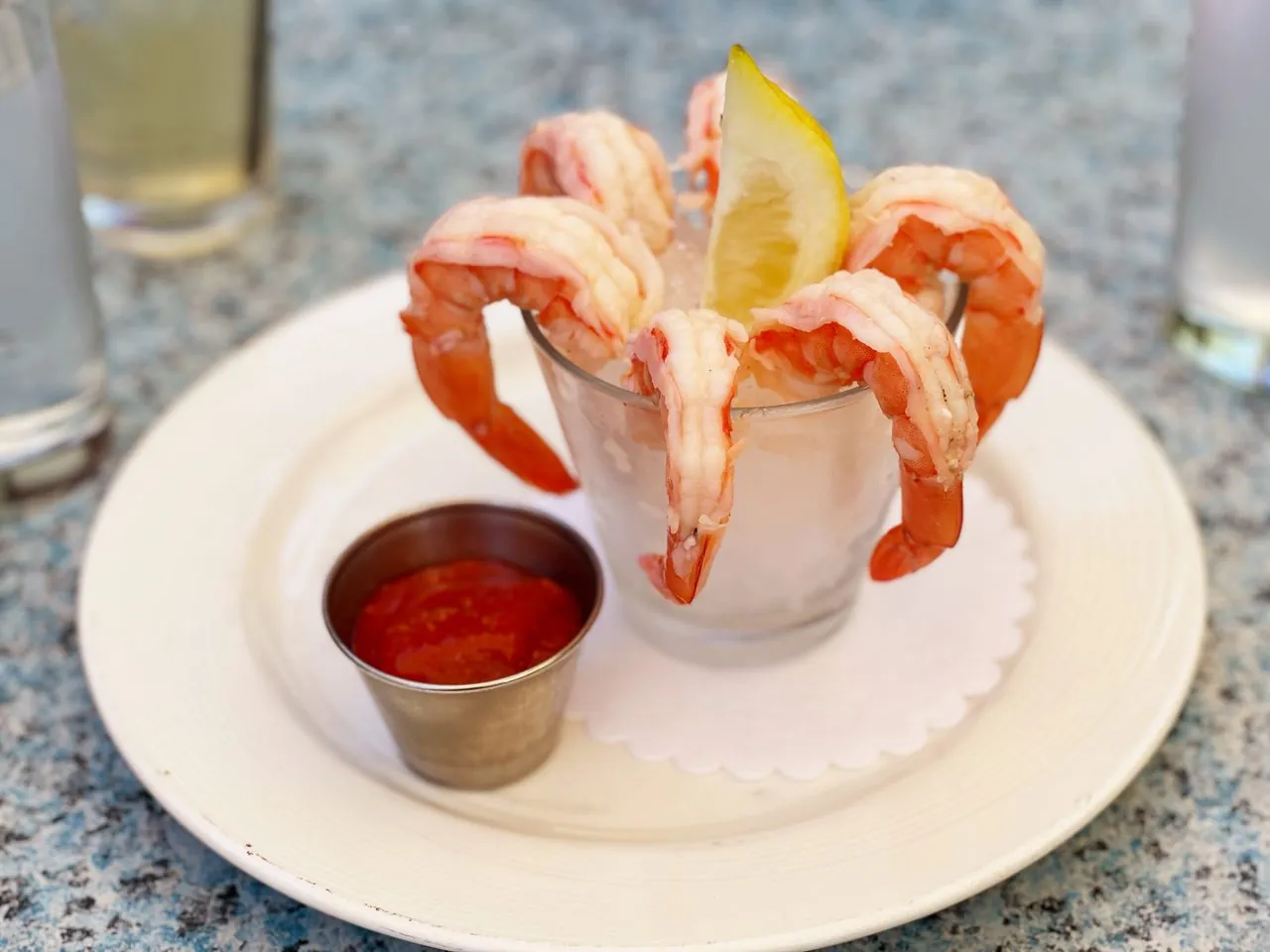
St. Elmo Steak House and the Fiery Shrimp Cocktail Legend
The Indianapolis steak house dates to 1902. Its horseradish shrimp cocktail, documented history and public game-day connection explained.
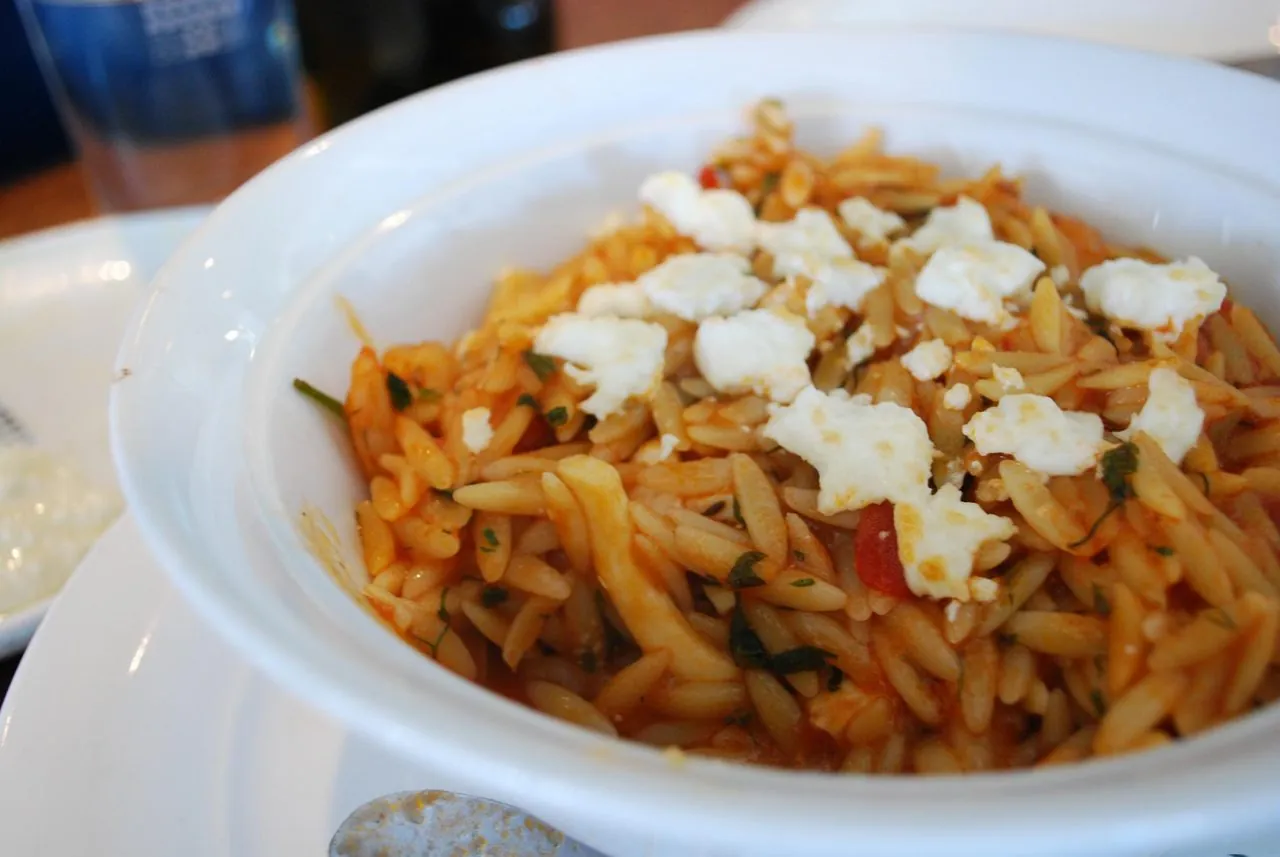
Le Bernardin's official history traces the Le Coze siblings' Paris restaurant and the New York opening in 1986, followed by Eric Ripert's leadership after Gilbert Le Coze's death in 1994. Its seafood focus and menu language offer a way to discuss restrained cooking. Historical praise and a delicate presentation do not establish that every guest had the same experience or that an undercooked preparation is suitable for every diner.
Le Bernardin’s story begins on the Breton coast, where the Le Coze family ran a seafood restaurant and the children grew up measuring the day by what came off the boats. Their parents fed a fishing town; the sea was less an ingredient than a family member. Siblings Maguy and Gilbert Le Coze carried that inheritance to Paris, where their small seafood house earned a following that included many of the city’s own chefs. Gilbert ran the kitchen with an almost spiritual devotion to sourcing, rising before dawn to choose fish by hand. Maguy ran the dining room and, just as importantly, ran the ambition. In 1986 the two of them brought the whole philosophy to New York, opening Le Bernardin in a city that believed it already knew what French fine dining was. What they served instead was clearer, colder and more alive.
The arrival was immediate and loud. New York’s critics, a notoriously unsentimental group, awarded the restaurant four stars within months of opening, and the dining room filled with chefs coming to see whether the rumors were true. They were. Gilbert’s fish tasted like nothing else in the city — sashimi-cold, nearly transparent, dressed in broths and oils that framed rather than covered. The restaurant did for American seafood what a generation of French chefs had done for sauce: it rewrote the standard, and every ambitious fish house since has cooked, consciously or not, in its shadow. Maguy, in particular, proved to be one of the great restaurateurs of her generation, a hostess who treated hospitality as a discipline equal to cooking.
The menu still divides its dishes by temperature rather than by species, a structural signature that tells the whole story. The categories are simple, and each one is a philosophy:
The framework keeps the kitchen honest; a dish cannot hide in technique when the technique is, by definition, almost nothing. The discipline extends to sourcing. The kitchen buys whole fish wherever possible, inspects every delivery, and treats the relationship with its suppliers as the foundation of everything else. In a city that reinvents itself quarterly, Le Bernardin’s refusal to chase novelty reads not as conservatism but as confidence.
In 1994 Gilbert Le Coze died suddenly, and the restaurant faced the question that ends most great dining rooms: can a restaurant survive the loss of the person who defined it? The answer, it turned out, was a partnership. Eric Ripert, a young French chef who had been working beside Gilbert in the kitchen, stepped up as chef and partner, while Maguy continued to preside over the dining room with formidable grace. Ripert inherited not just a menu but a covenant: the fish comes first, the technique stays invisible, and no plate leaves the kitchen carrying more than it needs. His own style — meditative, precise, shaped by classical France and a deep personal practice of stillness — turned out to be a perfect continuation rather than a departure. Under his hand the kitchen did not merely survive the loss. It refined itself, growing more precise as the years passed, which is the rarest trajectory in cooking.
The accolades have accumulated to the point of cliché, and the restaurant has somehow made that feel earned rather than inert. Le Bernardin has held three Michelin stars since the earliest years of New York’s guide, and it has kept four stars from The New York Times across decades and multiple critics — a near-impossible act of consistency in a business built on turnover. Chefs make pilgrimages here the way cooks once toured France, and the dining room remains a place where a first visit feels like an appointment with a standard rather than a meal. That standard, in the end, is simple to state and brutal to sustain: buy the best fish that exists, understand it completely, and then get out of its way.
Fine dining trends come and go, favoring spectacle one decade and comfort the next. Le Bernardin has outlasted nearly all of them by betting on the one luxury that never depreciates: certainty. Diners return because the fish will be perfect, the sauce will whisper rather than shout, and the room will hum with the particular hush of people eating very good seafood very attentively. Maguy Le Coze, who arrived with her brother in 1986, is still there to make sure of it. Nearly forty years on, the sibling project that started on a Breton shoreline is still making its quiet, insistent argument — that the most sophisticated thing a kitchen can do, with the sea on the plate, is very little at all.
Almost raw, barely cooked and lightly cooked help explain the restaurant's treatment of fish. They are culinary descriptions, not a claim that raw seafood is appropriate for every diner. A home cook should not transfer those words to a supermarket fillet without considering sourcing and safe handling.
For the history, the restaurant's account connects the Paris establishment, the New York opening in 1986 and the succession after Gilbert Le Coze's death. That chronology can be described without inventing what an anonymous room of critics thought on a particular evening. Reputation is worth examining, but it should remain distinguishable from documented dates.
If planning a visit, ask the current restaurant about dietary requirements and available preparations rather than assuming a historical menu structure guarantees a particular dish or accommodation. If cooking at home, use a complete recipe with a measurable endpoint. The restaurant's restrained presentation is an aesthetic choice; it does not replace the handling controls needed to serve seafood.
The restaurant's account supports its history; menu descriptions are not a promise of current dishes.
The Indianapolis steak house dates to 1902. Its horseradish shrimp cocktail, documented history and public game-day connection explained.
How Matsuhisa, Robert De Niro and their partners built Nobu from a restaurant partnership into an international dining and hotel network.
Jiro Ono trained a generation of sushi masters from a ten-seat subway-adjacent shop. Why the Michelin guide eventually stopped listing it.