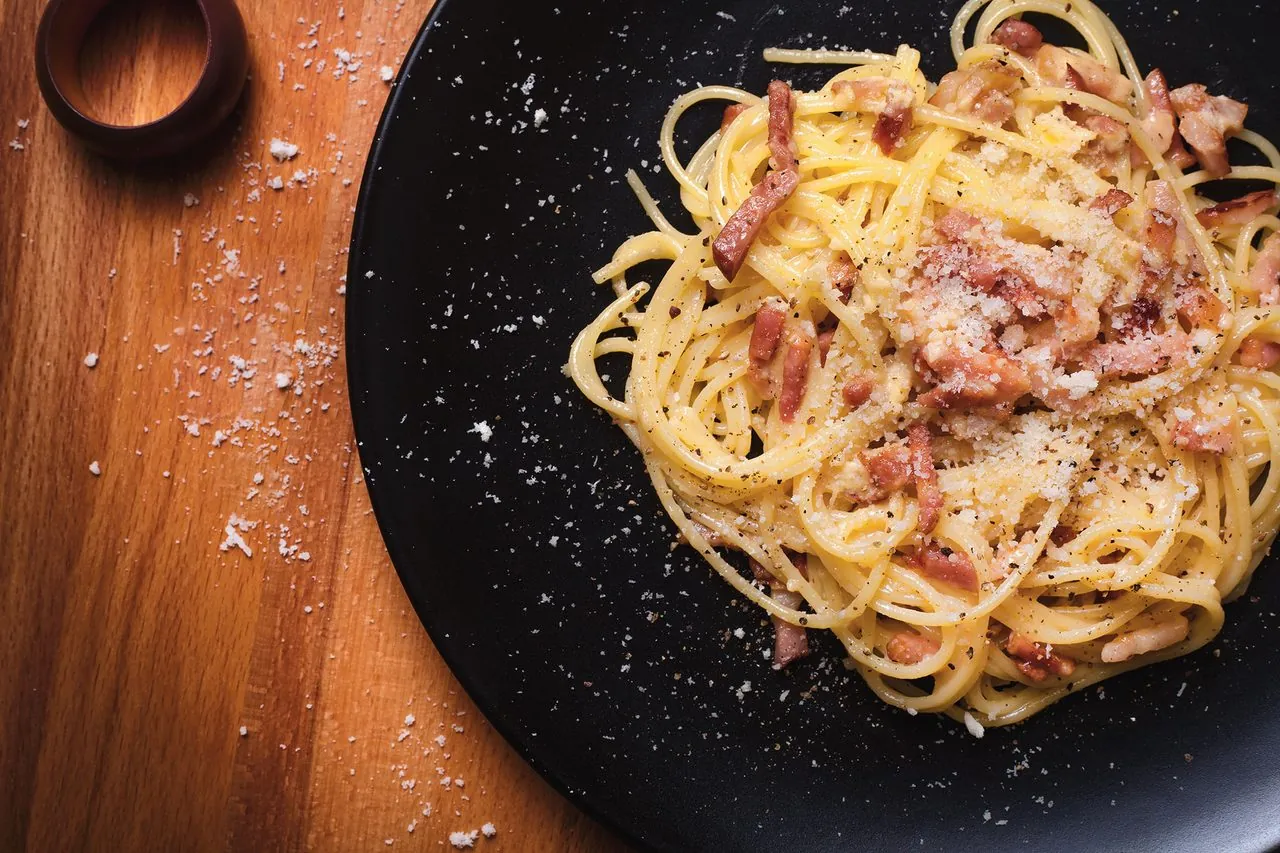
Spaghetti alla Carbonara: The Roman Original, Done Right
Guanciale, Pecorino Romano, eggs and pepper — no cream, no onions. How Rome’s most-guarded pasta actually comes together in 20 minutes.
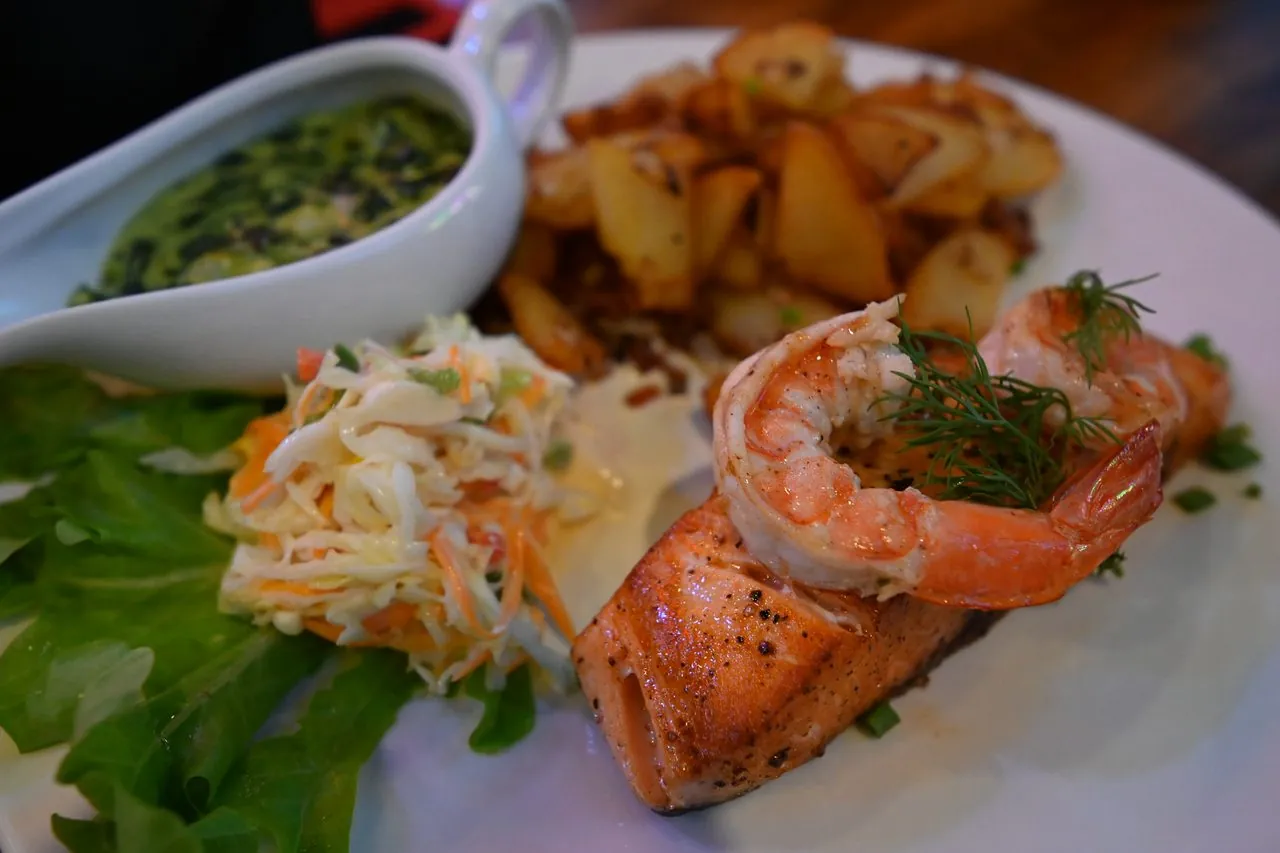
There is a moment in every salmon dinner that decides the meal, and it happens silently inside the oven. Somewhere between just-right and overdone, the flesh tightens, pales and begins to weep a chalky white fluid. Most recipes blow straight through that moment because they cook too hot to see it coming. Slow roasting — a 225-degree oven, a slick of olive oil and thirty to forty-five patient minutes — moves the finish line slowly enough that you can watch it arrive, and the reward is fish with a texture almost nothing else in your repertoire can match.
For two servings, use two similar-thickness portions, roughly 150–180 g each, a small baking dish, about one tablespoon olive oil, salt and optional citrus or herbs. These are home starting quantities. Set the oven to 225 F (107 C), coat the fish lightly and begin checking rather than treating the estimated time as a guarantee.
Use 145 F (63 C) at the thickest point as the consumer safety endpoint. Reaching it may take longer than the earlier thirty-to-forty-five-minute estimate, especially for a thick or cold portion. Follow the reading and appearance rather than serving at a low temperature merely to preserve a restaurant-style texture. Cooking more gently does not make an undercooked centre equivalent to the safety target.
Serve promptly or refrigerate leftovers without leaving the dish on the table all evening. FDA's general room-temperature limit for perishable food is two hours, or one hour above 90 F (32 C). Cool in a suitable shallow container. Olive oil around the fillet is a cooking ingredient, not a preservation barrier.
The standard recipe tells you to roast salmon at 400 to 425 degrees for eight to twelve minutes. It works, mostly, and on a busy Tuesday it remains a legitimate option. But at that temperature the muscle fibers contract hard and fast, squeezing moisture out of the flesh as they tighten. The visible symptom is albumin, the white protein that coagulates and beads across the surface of an overcooked fillet — harmless to eat, but the universal tell that dinner crossed the line. Add carryover heat, which keeps cooking the fish after it leaves the oven, and minute-perfect timing becomes a gamble you play every single time.
A lower oven setting reduces the difference between the oven and the fish, which can make progress easier to monitor. It does not stop proteins changing or prevent moisture loss indefinitely. Thickness, starting temperature and the actual oven setting still govern the result. Check the thickest point rather than assuming that gentle cooking makes every extra ten minutes harmless.
Set the oven to 225 degrees. Lay the fillets in a baking dish and coat them generously with olive oil. The oil is not a garnish; it conducts heat evenly around every curve of the fillet, shields the surface from the dry air of the oven, and doubles as a seasoning base you can spoon over the fish at the table. Tuck in aromatics if you like — citrus slices, thyme sprigs, a smashed clove of garlic — and let the low heat do what low heat does. Leave the skin on, too: it insulates the thickest part of the fillet and releases cleanly from the cooked fish when you plate it.
Roast for roughly thirty to forty-five minutes, depending on thickness. What happens in that window is gentler than roasting; it is closer to a warm, shallow confit. Fat renders slowly from the fish into the oil. Connective tissue softens instead of seizing. The flesh turns opaque from the outside in while the interior settles into a silky, glistening medium — the texture salmon has when it is perfectly cooked and barely trying. Pull it when the thickest part flakes under gentle pressure but still looks moist at the center. For consumer food-safety guidance, check the thickest part with a thermometer and cook to 145 F (63 C). Restaurant-style targets of 120 to 125 F produce undercooked fish and should not be presented as equivalent safety endpoints.
Thickness matters more than weight. Treat these as starting points, then trust your eyes and a probe over any clock.
After the first half hour, check early and check often. Unlike high-heat roasting, opening the oven can slow cooking, and recovery depends on the appliance and the fish keeps cooking on its own unhurried terms.
Slow-roasted salmon behaves beautifully at every temperature, which is why restaurant kitchens adopted the method long before home cooks did. Serve it warm from the dish, spooning the perfumed cooking oil over each portion. If serving later, observe FDA holding limits and serve with lemon and flaky salt — the flesh firms slightly as it cools but never turns chalky. Chill the leftovers and flake them into salads, grain bowls or a lemony yogurt dressing; gentle cooking may preserve a useful texture for the next meal, straight from the refrigerator.
The method also forgives a schedule. A lower oven setting may give a wider checking window, but a fillet held beyond its target still continues to cook, which turns dinner from a countdown into a background task. Start the fish, make a salad, warm some bread, and the main course finishes itself somewhere in the middle of everything else.
Once the fillet reaches the selected endpoint, take it out rather than using the low oven as an indefinite holding cabinet. Serve the accompaniments alongside it, or cool and refrigerate portions promptly for another meal. A thermometer and a similar portion thickness make the procedure easier to repeat than descriptions such as perfectly medium or never dry. Keep a short note of the oven setting, thickness and time when cooking a new portion size.
The cooking guidance uses the consumer safety target; lower-temperature restaurant preferences are not treated as equivalent.
Guanciale, Pecorino Romano, eggs and pepper — no cream, no onions. How Rome’s most-guarded pasta actually comes together in 20 minutes.
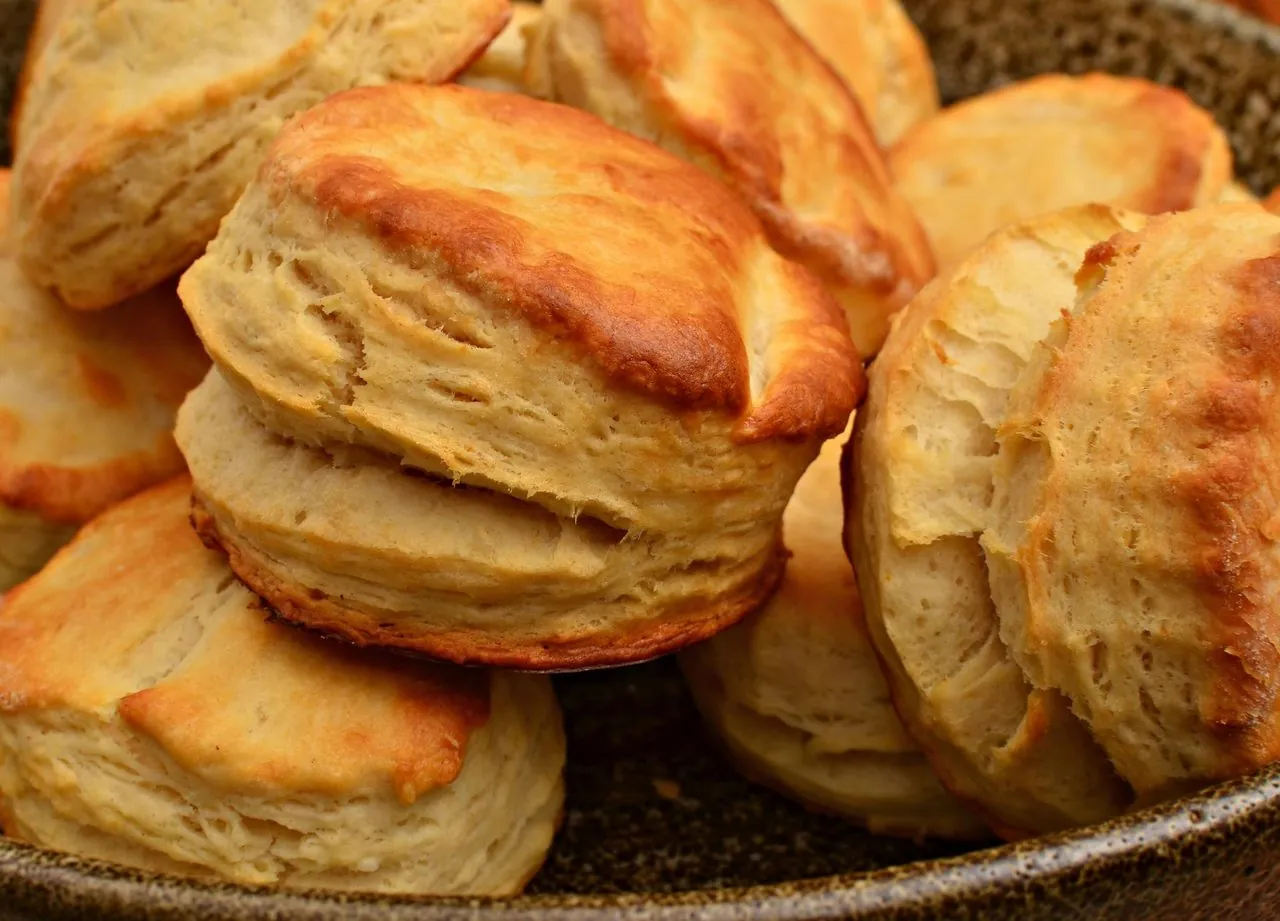
Cold butter, a gentle fold and one extra fold of dough: the physical rules that create a dozen shattering layers in buttermilk biscuits.
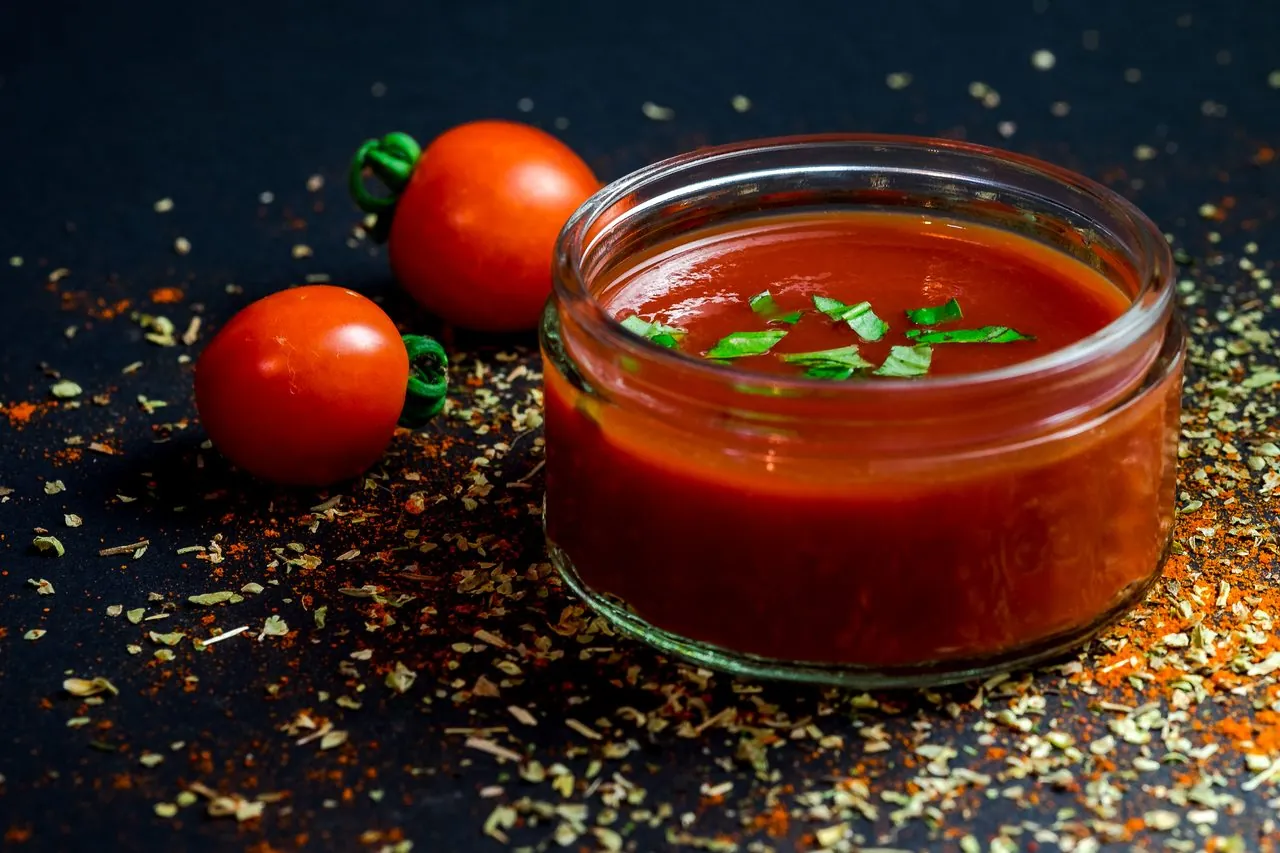
Three ingredients and 45 minutes: the late Marcella Hazan’s legendary tomato sauce remains the smartest 20 minutes of prep in Italian cooking.