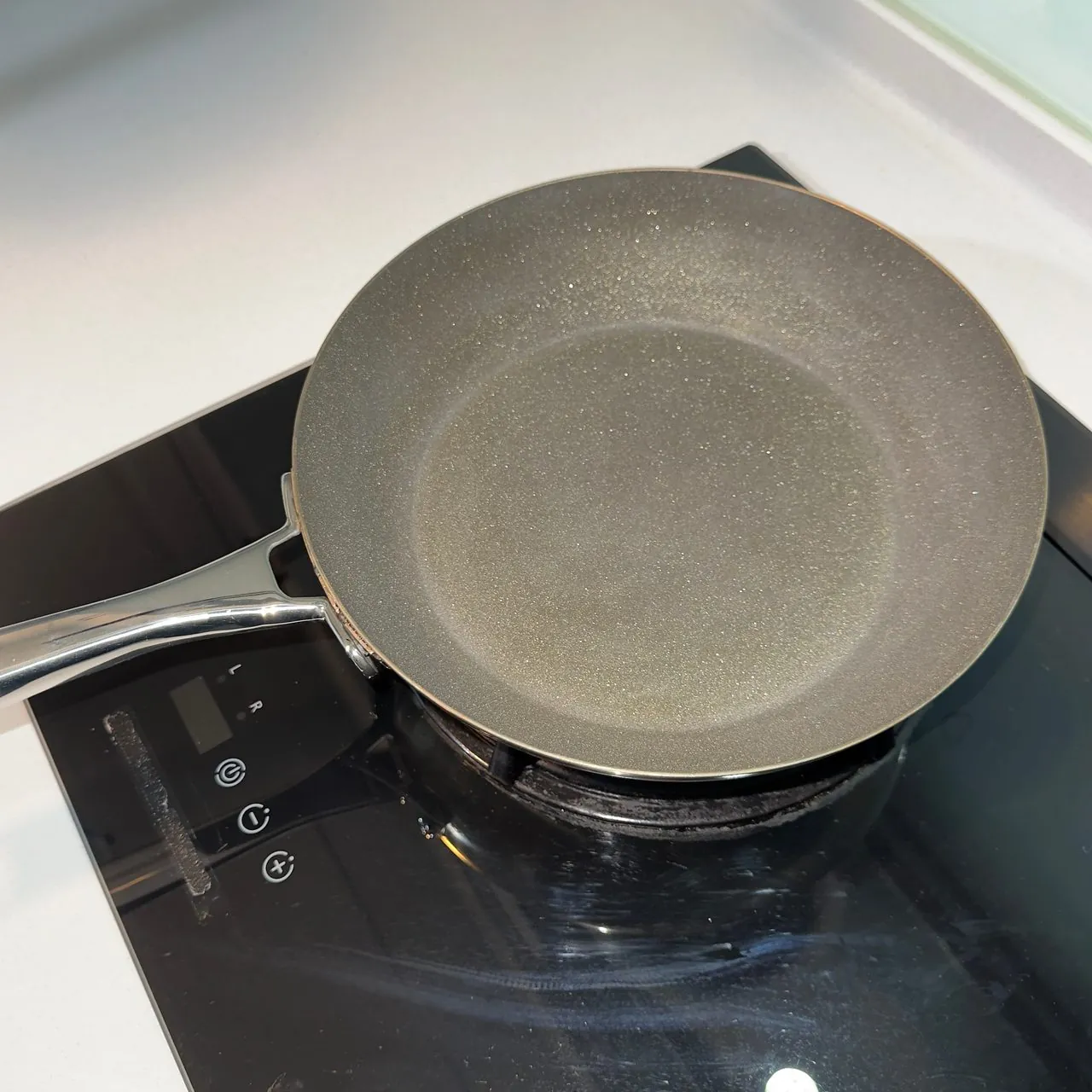
Nonstick Pans: How Long They Last and When to Toss Them
PTFE coatings fail at high heat and with metal tools. The honest lifespan of a nonstick pan, the safety facts, and better care habits.
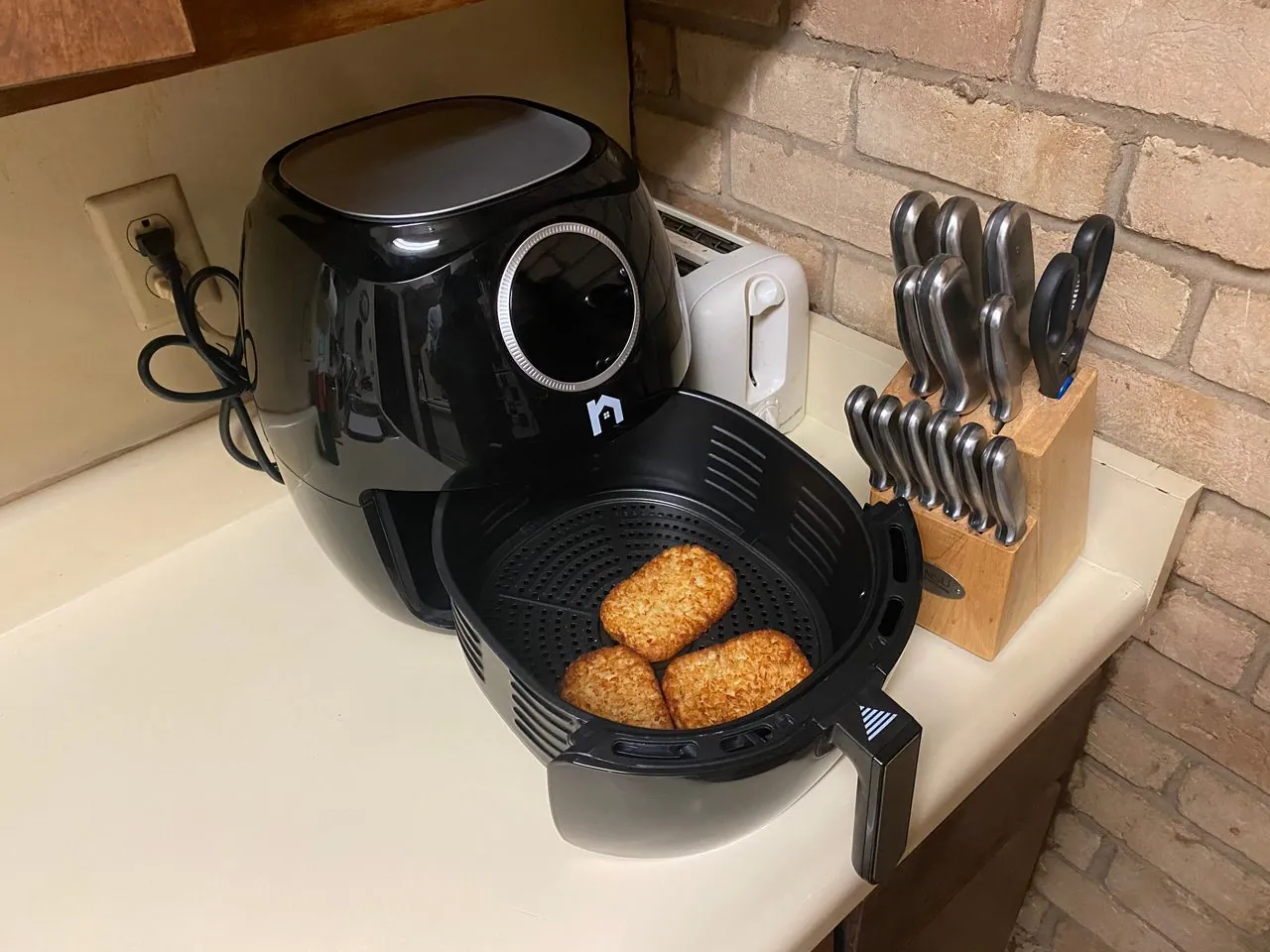
Every kitchen decade seems to get one appliance that arrives from nowhere and ends up everywhere. The air fryer is this generation's example: a countertop drum that promised to fry with almost no oil, sounded like a gimmick, and then quietly reorganized how millions of people cook dinner. Fifteen years after the first model reached stores, it is worth retracing how a heated fan became one of the fastest-adopted kitchen appliances of its decade — and what the technology inside actually does.
Philips' dated launch release establishes that its Airfryer was introduced in 2010 and describes the Rapid Air proposition. Percentage reductions in fat belong to the manufacturer's stated comparison and conditions. They are not a measured promise that any food cooked in any basket contains a fixed percentage less fat than any other method.
For a buyer, check usable basket area rather than nominal litres alone. Food needs exposed surface and room for air movement; stacking a large quantity can turn a crisping task into uneven reheating. A smaller appliance can suit two portions while becoming inconvenient for a family meal cooked in repeated batches.
For a cook, follow the model's preheat, oil and accessory instructions. Keep light liners from lifting toward the heating element, and do not add water or wet batter unless the appliance and recipe allow it. The machine is an intense small convection environment. It still needs safe internal temperatures for poultry and sensible handling of hot baskets, rather than blind reliance on a timer.
The air fryer has a specific parent, which is rare for an appliance this popular. Fred van der Weij, an inventor working with Philips in the Netherlands, spent years developing the machine that would become the original Airfryer. His target was deceptively narrow: a way to get the crackle and the fluffy interior of fried food without a vat of oil, a kitchen full of smell, and a pot of hot fat on the stove. Philips knew motors, heating elements and fans; the company had spent decades building exactly those components. Van der Weij's insight was that the answer was not less fat but more air — fast-moving, very hot air, aimed precisely at the food. The machine he arrived at launched in 2010 under the model number HD9220, carrying a two-word technology brand that did most of the persuading all by itself: Rapid Air.
Strip away the branding and an air fryer is a compact convection oven with an attitude problem. The principle underneath is old: a heating element warms the air, and a powerful fan drives that air around the cooking chamber. What the air fryer changed was proximity and speed. The chamber is small, the element sits close, and the fan pushes superheated air across the food at a velocity a wall oven never attempts. Moving air strips away the cool, humid boundary layer that forms around food, which is why fan-forced surfaces brown where a still oven merely dries them. Add a light slick of oil and the surface conducts heat faster, blisters, and crisps. That is the entire trick. There is no frying in the classic sense — no oil bath, no submerged food — just aggressive convective heat doing the work a deep fryer's oil would do, minus most of the fat that arrives with it.
The first Airfryer looked like nothing else on the shelf: a rounded, squat housing with a pull-out basket, compact enough for the smallest counter. Early reviews admired the fried results and winced at the price, and adoption started slow. Philips spent the following years building a category it had invented alone — refining the models, evangelizing the technique, and arguing, in effect, that a countertop appliance devoted mostly to one way of cooking deserved a permanent spot. Outside its home market, the air fryer spent its first stretch as an import-shop curiosity and a wellness-blog recommendation: an appliance people had heard of but rarely owned, waiting for prices to fall and recipes to catch up.
Then, over the following ten years, the air fryer became one of the fastest-adopted kitchen appliances anyone in the industry could remember. Rivals piled in until nearly every appliance brand sold one, in shapes from pull-basket to toaster-oven hybrid, and competition pushed prices down while capacities climbed. Recipe developers followed the hardware, then social feeds followed the recipes, and the machine that once needed a paragraph of explanation became a shorthand everyone understood. When home cooking surged in 2020, the air fryer was already sitting on a vast number of counters, ready for a moment that wanted fast, hot, hands-off weeknights. The adoption curve Philips had started ended up outpacing nearly every countertop appliance that came before it.
Fifteen years in, the honest verdict is narrower and kinder than the original hype. An air fryer excels at food that wants a dry, forceful blast of heat from every side: frozen fries and par-fried snacks, chicken thighs with lacquered skin, roasted vegetables with genuinely charred edges. It is quietly superb at reheating, where a microwave turns crisp things limp — day-old pizza, spring rolls and leftover fried chicken come back with their texture restored rather than steamed away. It suits small-batch weeknight cooking, where firing a full oven for two servings feels absurd, and it heats up in the time it takes to season the food. Cleanup is a basket and a rinse instead of a greased stovetop. The limits are real: capacity is modest, wet-battered foods that drip do not work well, and the counter space it claims is not trivial. Nothing about it replaces a fryer for doughnuts or tempura.
The deeper reason the air fryer took over is that it matched the way people actually cook now: smaller households, less patience, more frozen ingredients, and far less tolerance for a kitchen full of grease smoke. It took a technique that demanded equipment, attention and cleanup — frying — and rebuilt it as something you can start and mostly forget until the timer chimes. Fred van der Weij's machine solved an engineering problem, but its lasting achievement was a behavioral one. Fifteen years on, Rapid Air is a phrase the whole industry borrows, the HD9220 is a museum piece in spirit, and the humble pairing of a heating element and a fan has earned its permanent place on the counter.
Launch claims are attributed to Philips; this article does not claim a new comparative cooking test.
PTFE coatings fail at high heat and with metal tools. The honest lifespan of a nonstick pan, the safety facts, and better care habits.
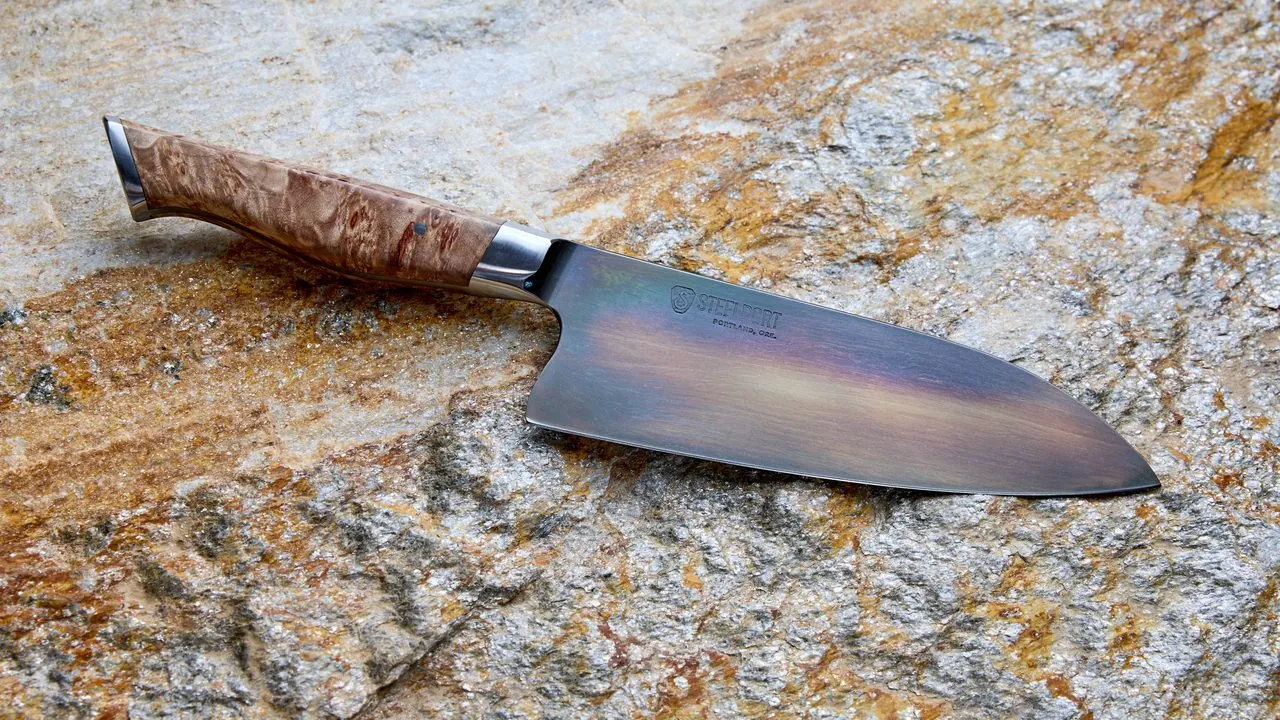
Skip the block set. An 8-inch chef’s knife, a paring knife and a bread knife do everything. Steel types, handle shapes and the feel test.
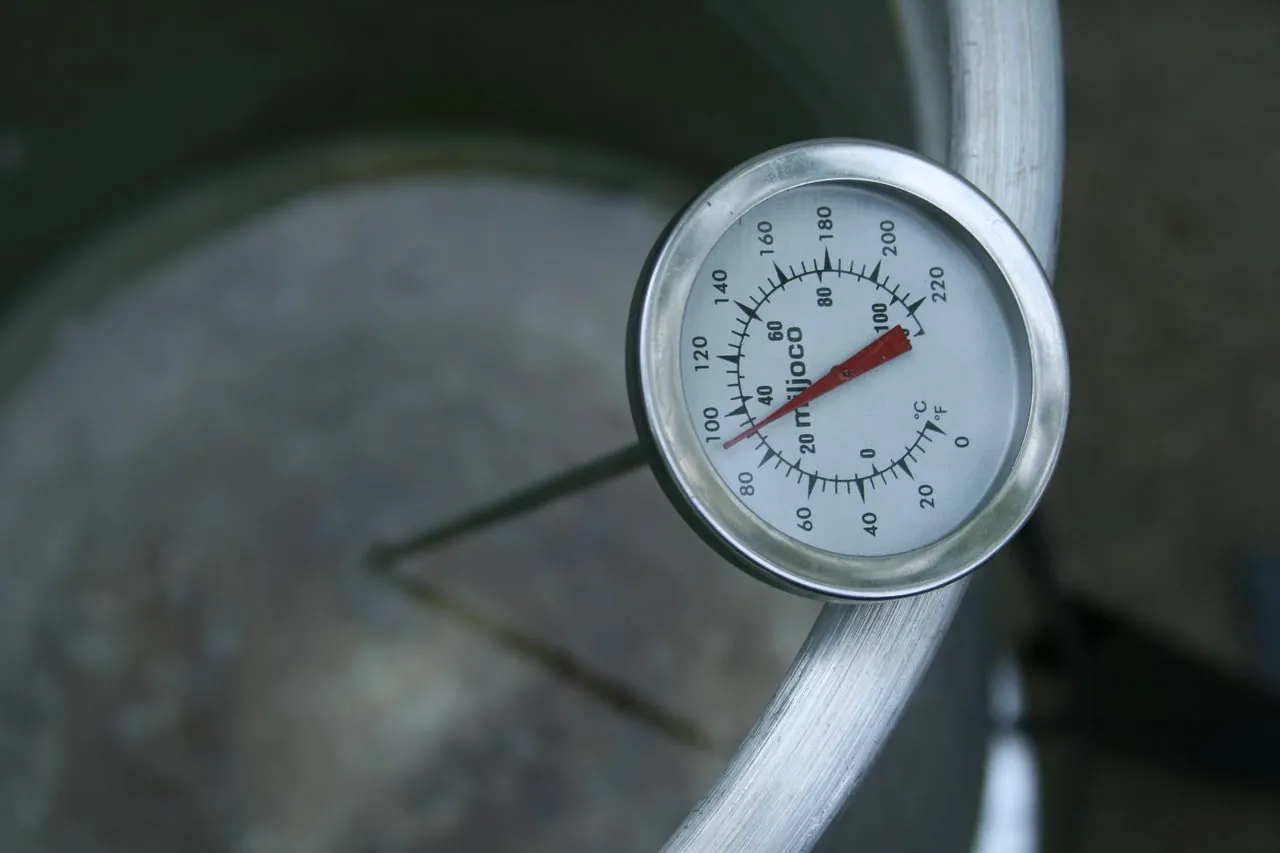
Choose a food thermometer by accuracy and use, then measure the right spot. Consumer safety endpoints and sous vide hold times serve different purposes.