Kimjang: The Kimchi Ritual UNESCO Listed as Heritage
Every late autumn, Korean households make a winter’s worth of kimchi together. The UNESCO-inscribed tradition and the science of the jar.
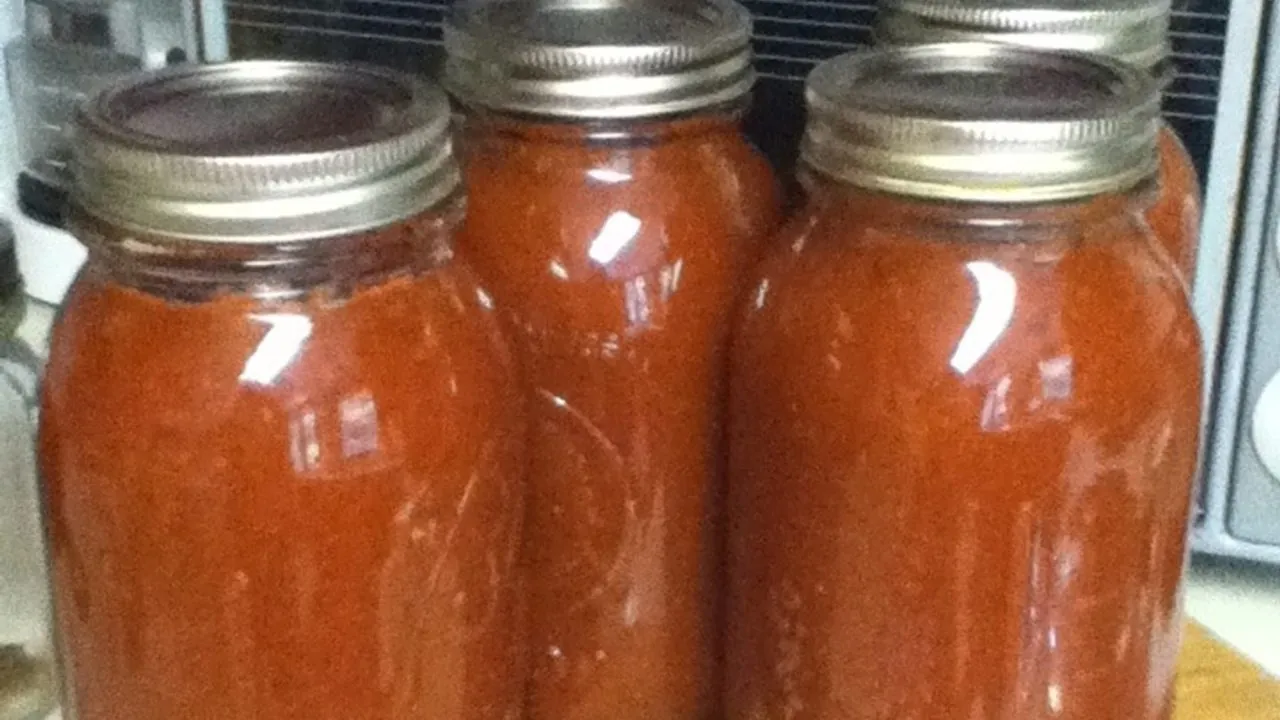
There is a particular pleasure in opening a can of tomatoes in the darkest week of February and finding summer inside: fruit that is sweet, low in acid, and somehow intact after months on a shelf. For many cooks that can says San Marzano on the label. But the shelf has grown crowded with lookalikes, and the words San Marzano have become less a promise than a costume. Knowing what the official seal actually certifies is the difference between buying a tomato with an address and buying one with a marketing budget.
The San Marzano is an elongated plum tomato, pointed at the tip, with thin skin, few seeds and a dense, low-acid sweetness. It grows in one specific slice of Campania, the southern Italian region that curls around the Bay of Naples: the Agro Sarnese-Nocerino, a pocket of land between Naples and Salerno sitting in the shadow of Mount Vesuvius. That geography is not a romantic flourish. The soil there is volcanic, mineral-rich and famously fertile, and it drains the way young, ash-derived ground does. Tomatoes raised in it concentrate sugar and aroma in a way the same variety, planted elsewhere, does not reliably match.
The origin story is more legend than document, a gift of seed carried from Peru to Naples in the eighteenth century, but the tomato found its true home in the villages around the volcano. The protection is younger. In 1996 the tomato of this zone earned PDO recognition from the European Union: protected designation of origin, the same legal shield that guards Champagne and Parmigiano-Reggiano. The designation binds the tomato to a place, a variety and a written method, and it is enforced rather than merely suggested.
PDO status is not a badge a packer can simply buy. It means the tomatoes were grown inside the designated zone, that they are the registered San Marzano variety, and that they were handled to a specification supervised by the growers' consortium that polices the region. The classic expression of all this is the humble can: tomatoes picked ripe and canned whole peeled in the same area, within hours of the harvest in the best cases, with nothing standing between the fruit and the tin.
For the shopper, all of that enforcement comes down to two marks on the label. A genuine can carries the European DOP symbol, the red-and-gold seal that functions like a small passport stamp, together with the symbol of the consortium. If either mark is missing, the contents are not the protected tomato, whatever the front of the can may claim.
Here is where buyers get burned. The words San Marzano on a can are not, by themselves, protected. A packer can grow a similar elongated plum tomato somewhere else entirely, in another Italian region or on another continent, and print San Marzano style or San Marzano type across the front. Cans like these are legal, and some of them are decent, but they are not the tomato the seal describes. The flavor tends to run sharper and more acidic, the texture looser, the sweetness thinner.
The word style is the tell. Style language describes a shape, not a place, and a shape can be copied anywhere. The seal describes both the shape and the address, and neither can be faked without breaking European food law. When a label leans on style, it is politely admitting that the fruit never grew near Vesuvius at all.
None of this requires distrust so much as a habit of glancing past the artwork to the paperwork. The authentic producers want you to find the seal; they print it large precisely because the imitations cannot copy it.
What does the premium actually buy in the kitchen? A tomato that behaves. The protected San Marzano is fleshier and less watery than round canning tomatoes, with a sweetness that needs no sugar in the pot and an acidity that hums quietly behind the fruit. Crushed by hand into olive oil with a clove of garlic, it collapses into a sauce in under half an hour, and it tastes like the tomato itself rather than like generic cooked-tomato flavor.
That character explains how the can became the default fruit of Neapolitan pizza and of Italian-American red sauce alike. The variety is delicate fresh but generous canned, which is a rare combination, and it is exactly why the lookalikes persist: everyone wants to borrow the reputation without paying for the address.
Keep unopened cans in a cool, dark cupboard and use them within a year. Once a can is open, move the leftovers to a covered container and finish them within a few days; the fruit is too good to waste on the back shelf.
A cultivar name, a protected geographical designation and a canning format answer different questions. Tomatoes grown outside the protected area may resemble San Marzano without being the geographical product. Conversely, a genuine protected can should carry the required identification rather than merely a drawing of a volcano or an Italian flag.
Read the full protected name and certification markings, then check the ingredient list, pack size and whether the fruit is whole or otherwise presented. A premium on the label is a purchasing decision, not proof that every recipe improves by the same amount. Compare drained texture and flavour in a simple sauce before choosing which uses justify the price.
Avoid turning the variety's relative sweetness into a safety claim. Tomato acidity varies, and a canning recipe requires its own validated acidification process. An opened commercial can belongs in refrigeration in a suitable covered container; it is not shelf-stable once opened. Homemade preservation should follow tested canning guidance rather than this buying guide.
The protected geographical product is distinguished from tomatoes grown elsewhere from a similar cultivar.
Every late autumn, Korean households make a winter’s worth of kimchi together. The UNESCO-inscribed tradition and the science of the jar.
UMF 10+ equals roughly 263 mg/kg of methylglyoxal. What the grades mean, who certifies them, and why manuka honey costs so much.
Free acidity below 0.8 percent, peroxide under 20, mechanical extraction only. The International Olive Council rules behind the bottle.